 Cre8Travel
CRE8TRAVEL · NEW YORK PLACES
Edge
Edge: Manhattan in Light, Reflection and Distance
Discover
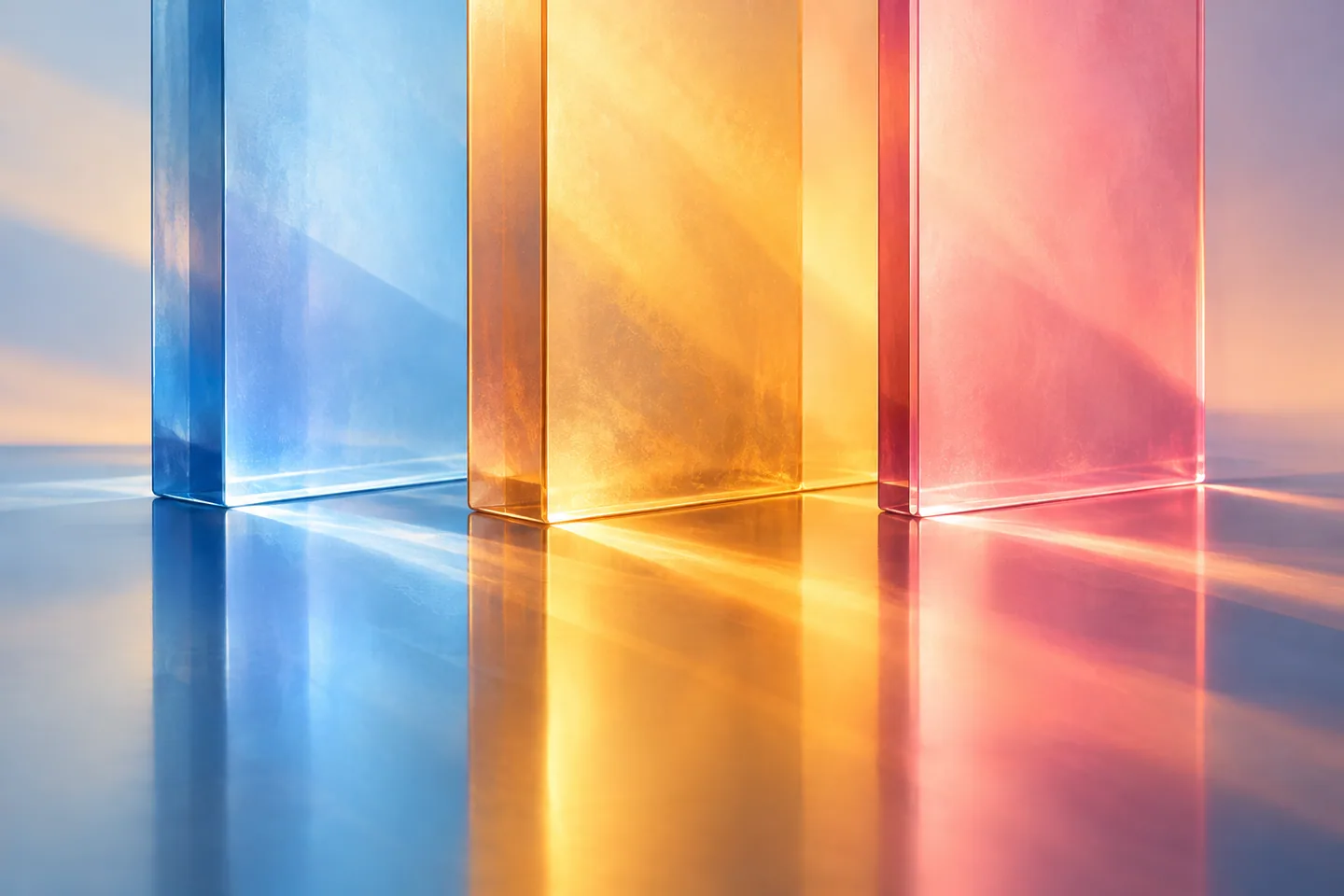
Manhattan can be seen as a skyline, but it can also be imagined as a pattern of light. Edge at Hudson Yards brings those two ways of looking together. Its indoor experience uses color, reflection and scale before the visit reaches the outdoor observation deck on the hundredth level. The interest lies in the transition: designed environments sharpen attention to light, then the city supplies a much larger scene.
The operator describes seven named installations as part of this indoor-to-outdoor journey. They are distinct settings rather than seven versions of a window view. Prism introduces shifting reflections inspired by the skyline. Pulse works with more than four hundred glowing orbs. Instead of searching immediately for a famous building, spend a moment noticing repeated shapes, changing colors and the way a reflected surface alters an image. The city becomes a visual idea before it becomes a distant panorama.
Movement has its own role. Skyrise is the elevator experience, choreographed with light and sound during the ascent. Reflections uses more than two hundred and sixty spinning mirrored surfaces in an interactive display that responds to movement across two stories. These are designed effects, not architectural details to confuse with the buildings beyond the deck. Moving through them makes scale feel less fixed: a small reflection can multiply, while an enormous city may later fit within one field of view.
The remaining environments develop that theme in different ways. Kaleidoscope combines shifting visual patterns with an original musical score. Infinite City uses eighteen luminous columns inspired by skyscrapers, bringing translucent and mirrored light into a compact architectural field. Crystal Cave introduces illuminated responsive forms overhead. Their names help distinguish the sequence, but a useful approach is to compare what each does with repetition, color and apparent depth. No single effect needs to become the whole visit.
At the observation deck, attention turns outward to Manhattan itself. The operator identifies a panoramic view with landmarks extending from Central Park toward the harbor. What is visible will depend on conditions, so treat an individual view as something to discover rather than a guaranteed checklist of buildings. Looking for relationships can be more rewarding than identifying every name: dense blocks against open space, different building heights, or the city stretching away from the Hudson Yards setting.
The contrast between indoors and outdoors also offers a natural structure for photographs. A close composition of reflected color belongs to a different visual scale from a broad skyline frame. Keep the two distinct, and avoid making an abstract installation seem like a documentary view of a particular building. For an indoor image, allow changing light to be the subject. For an outward view, consider how much sky gives the arrangement of buildings room to read.
Plan the visit through the operator's current ticket and access information rather than relying on old prices or event listings. The indoor installations and the observation deck form the described experience, while temporary displays and other activities can change. Edge is especially interesting when there is time for both visual worlds: the deliberately arranged color nearby and the less predictable city beyond. One invites attention to a repeated surface; the other asks how an entire urban landscape fits together.
Fun facts
- Edge combines seven indoor environments with an outdoor observation deck on the hundredth level.
- Pulse features more than 400 glowing orbs.
- Infinite City uses eighteen luminous columns inspired by skyscrapers.
Before you go
- Check the operator’s current ticket and access information before planning a visit.
- Allow attention for the indoor sequence as well as the observation deck.
- Treat distant landmark visibility as dependent on conditions rather than guaranteed.
Capture
- Use a close abstract frame of color or reflection rather than trying to include every installation.
- Compare repeated shapes indoors with the broader arrangement of the skyline.
- Compose from designated visitor areas and keep any outward city view separate from conceptual installation imagery.
 Hunts Point Landing
 Seneca Park
 Lehigh Valley Trail
Social
At Edge, an indoor sequence of light and reflection leads toward Manhattan’s skyline. #Cre8Travel
Prism uses changing reflections inspired by the city.
Pulse features more than four hundred glowing orbs.
Skyrise brings sound and light into the elevator ascent.
Reflections responds to movement through spinning mirrored surfaces.
Infinite City arranges eighteen luminous columns into a field of architectural light.
A close study of color and a panoramic city view call for different compositions.
Would you begin with reflected patterns or the skyline beyond?
Hashtags