 Cre8Travel
CRE8TRAVEL · NEW YORK PLACES
Seneca Park
Seneca Park: The Art of a Natural-Looking Landscape
Discover
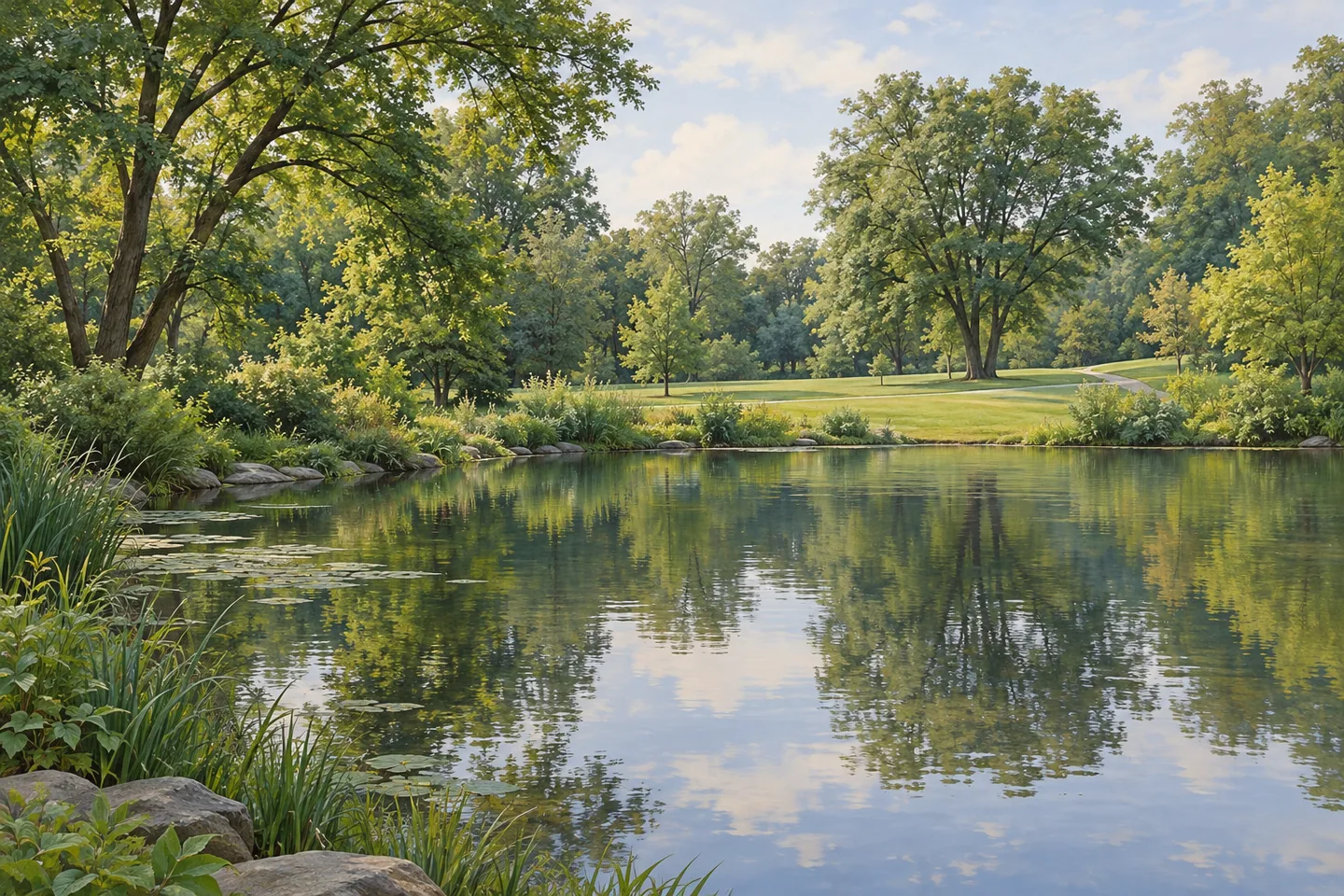
A pond reflection offers a gentle introduction to Seneca Park. Trees, water and curved paths gather around Trout Pond, while a wooded landscape extends along Rochester's Genesee River gorge. The scene may feel spontaneous, but design is part of its character. Frederick Law Olmsted shaped this park to bring the qualities of a rugged landscape into an urban public space, using natural features and deliberate planting together.
Rochester's park commissioners selected Olmsted in 1888 to develop a system of parks and parkways. Rather than beginning only with ornamental boulevards, he encouraged the preservation of substantial open spaces around the city's natural assets. Seneca Park became one expression of that approach. The county's historical walking brochure describes its style as picturesque: uneven terrain and wooded scenery formed a different experience from the more gently rolling landscapes associated with his pastoral designs.
The park's woodland character was also cultivated. Olmsted added thousands of trees to previously farmed ground and specified native trees and understory planting. That history makes a simple shift in attention worthwhile. Look at the relationship between taller trunks, smaller plants and open ground, rather than assuming that every natural-looking scene developed without human choices. A planted landscape can become convincing enough that its design is easy to overlook.
Trout Pond brings the arrangement into clearer focus. Created by damming a natural spring, it provides water and reflections within a composition of turf, trees and gently curving circulation. The county's historical tour points out how small changes in elevation contribute to that scene. A view across the pond differs from one along its length, even when the same trees remain in sight. Changing a position slightly can show how carefully ordinary landscape elements work together.
The pond setting also has a restoration story. Following the 1991 ice storm, work returned the area toward Olmsted's design intent. Native wetland planting described in the tour includes willows, sedges and wild iris along the water. Think of these as parts of the restoration and habitat story, not a promise of particular flowers on the day of a visit. Their relationship with the water's edge matters even when attention is on shape and texture rather than color.
Everyday recreation belongs to the park as well. The current county description identifies open fields, playgrounds, picnic shelters and a paved path around the large pond. Historic swan boats once carried passengers across the water, with drivers pedaling them like bicycles; that activity ended in 1922. It is a small reminder that a familiar park scene can hold several generations of use, even when earlier activities have disappeared.
Plan for Seneca Park as a landscape destination distinct from the neighboring zoo. The county lists its park address as 2222 St. Paul Street and asks visitors to take their rubbish away and keep pets leashed. Consult current county information for seasonal access rather than treating the older walking brochure as today's operating guide. A pond-centred visit leaves plenty to notice: reflected branches, the shape of an opening, and the tree planting that helps the city recede from view. The design becomes readable through those ordinary details.
Fun facts
- Olmsted was selected to help design Rochester’s park system in 1888.
- Trout Pond was created by damming a natural spring.
- The pond landscape was restored toward Olmsted’s design intent after the 1991 ice storm.
Before you go
- Plan Seneca Park and the neighboring zoo as distinct destinations.
- Use current county information for seasonal access and park arrangements.
- Take rubbish away and keep pets leashed under county park rules.
- Compare a view across Trout Pond with one along its length.
Capture
- Use water reflections to connect trees and pond within one composition.
- Compare open turf with the layered vegetation at a woodland edge.
- Frame shoreline plant textures from existing visitor areas without approaching gorge edges.
 Edge
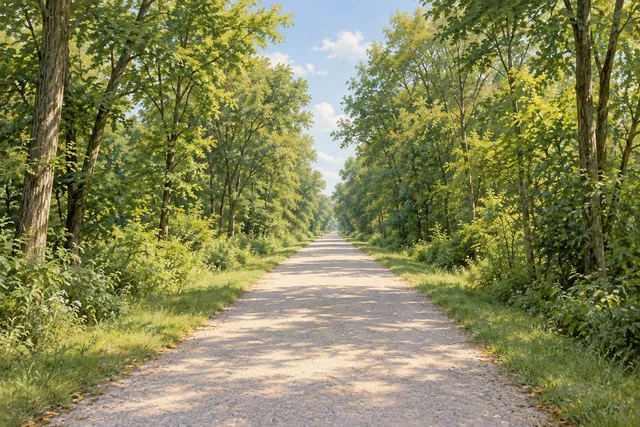 Lehigh Valley Trail
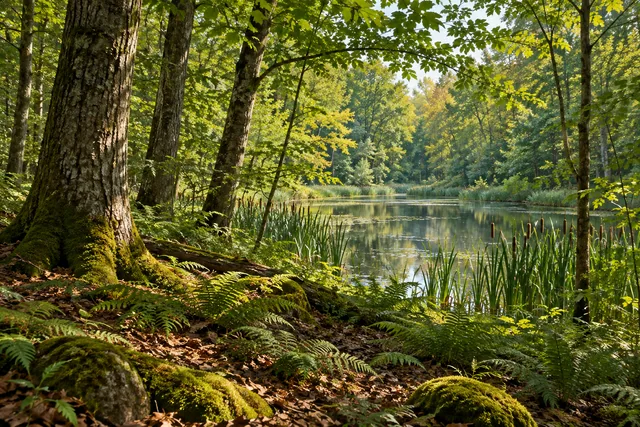 Greece Canal Park
Social
Seneca Park makes a designed landscape look naturally at home beside the Genesee. #Cre8Travel
Olmsted’s Rochester park commission dates to 1888.
Thousands of planted trees helped transform former farmland into a wooded park.
A natural spring was dammed to create Trout Pond.
Turf, trees, water and curved paths give the pond setting its composition.
Restoration followed the 1991 ice storm, including native wetland planting.
Pedal-driven swan boats once crossed the pond; that chapter ended in 1922.
Would you notice the reflections first, or the way the trees frame the water?
Hashtags