 Cre8Travel
CRE8TRAVEL · NEW YORK PLACES
Cobb Brook State Forest
Cobb Brook State Forest: A Closer Look
Discover
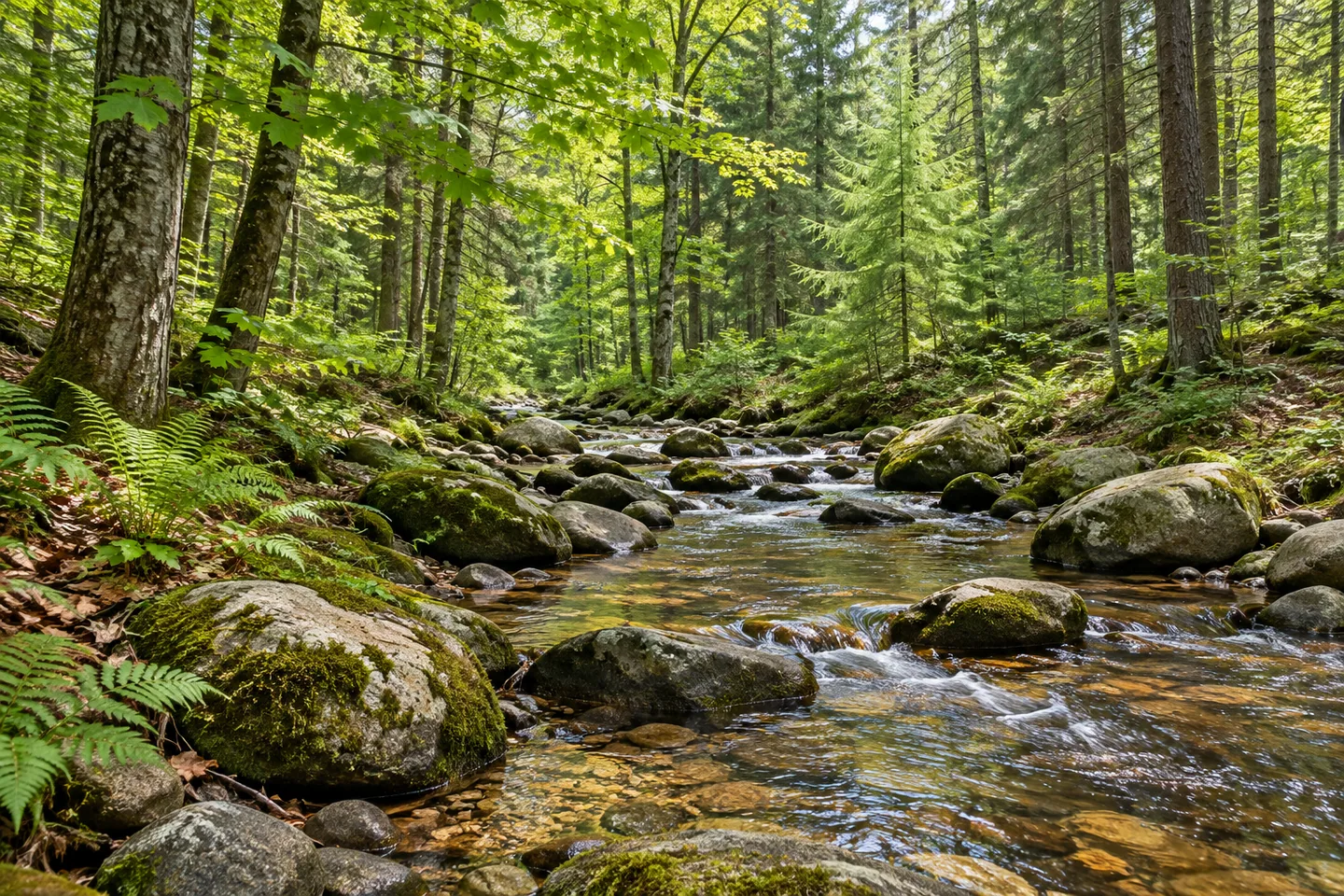
Two streams help place Cobb Brook State Forest on the map. Furnace Creek and its tributaries run along the northern part, while Cobb Brook follows the western edge. Both are protected trout streams. Within those references, 688 acres of natural woodland, plantations and wetlands make up a small working forest in Annsville and Camden, Oneida County. The water and the trees provide different threads for understanding the same property.
Most of the land was acquired in 1933, 1937 and 1938. Planting began in 1936, followed by further projects in 1938, 1939, 1940 and 1954. The beginning of that planting work predates some of the later acquisitions. The sequence is worth keeping distinct: land assembly and tree planting overlapped, rather than forming one single event. It offers a particular way to look at a stand today, as part of a project that developed across more than one acquisition or planting season.
The New York State Department of Environmental Conservation (DEC) describes the natural woodland as northern hardwoods, with red and sugar maple, white ash, black cherry, beech and hemlock among its principal trees. The historical planting list includes several pine, spruce and larch species. Its account of remaining plantations names Scotch, white, red and jack pines, together with Japanese larch. Looking at what remains is a different exercise from repeating every tree ever planted here.
For walking, 3.1 miles of unpaved roads and designated routes provide access. That combined total includes different route types, not one established loop. A separately described 1.2-mile winter-trail section is part of the property information, so it should not simply be added to the broader figure as extra walking mileage. Choose a section and return from the map, with current designations and conditions guiding the outing.
The approach can also change which part of the forest you reach. Taberg-Florence Road provides one access reference, while Skinner Settlement Road and Dingle Street lead toward another portion. DEC lists no maintained parking areas and provides a pull-off reference on Taberg-Florence Road. Resolve the actual stopping arrangement before setting out rather than expecting a developed trailhead lot at the beginning of every mapped route.
Streams and wetlands are part of the landscape description, not a ready-made waterside circuit. If an appropriate water view is available from your chosen route, consider how it relates to the surrounding woodland. A photograph can use that contrast without a close approach to fish or an invented bridge or viewpoint. The protected-stream designation gives the water a specific context without promising an observation of its underwater life.
DEC manages the forest within the 46-Corners Unit Management Plan for water quality, recreation, habitat and timber. Follow posted conditions and Leave No Trace guidance, leaving vegetation undisturbed. A visit can focus on a short section of route and still give the planting history attention. Cobb Brook's story is the combination of separate streams, a sequence of acquisitions and a woodland mixture shaped by both planting and natural growth, with modest public access kept clearly in view.
Fun facts
- Cobb Brook State Forest covers 688 acres in Annsville and Camden, Oneida County.
- Furnace Creek is along the northern portion and Cobb Brook along the western edge.
- Most land was acquired in 1933, 1937 and 1938; planting began in 1936.
- The 3.1-mile access total combines unpaved roads and designated routes.
- No maintained parking areas are listed.
Before you go
- Choose a route and return from the property map.
- Do not add a separately described winter-trail section to the combined mileage without verifying overlap.
- Match the Taberg-Florence or Dingle Street approach to the part you intend to visit.
- Resolve pull-off parking before traveling.
- Follow posted conditions and Leave No Trace guidance.
Capture
- Compare remaining plantation forms with natural hardwood textures along your chosen route.
- Use a stream-and-woodland composition only where available from appropriate access.
- Let the forest itself be the subject rather than relying on a fish or other wildlife encounter.
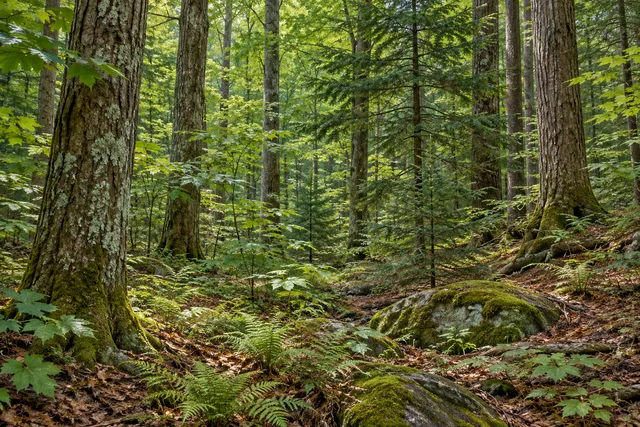 Clark Hill State Forest
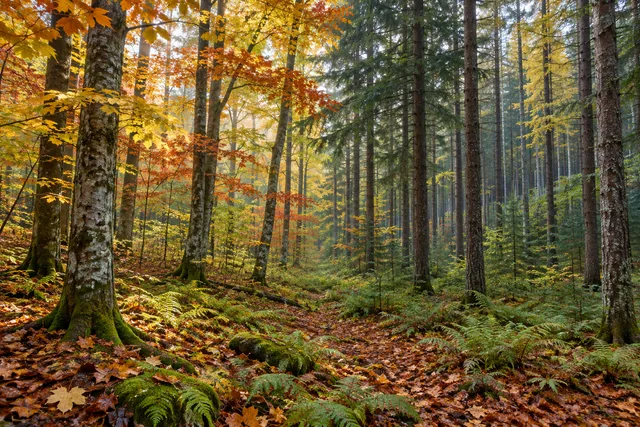 Fall Brook State Forest
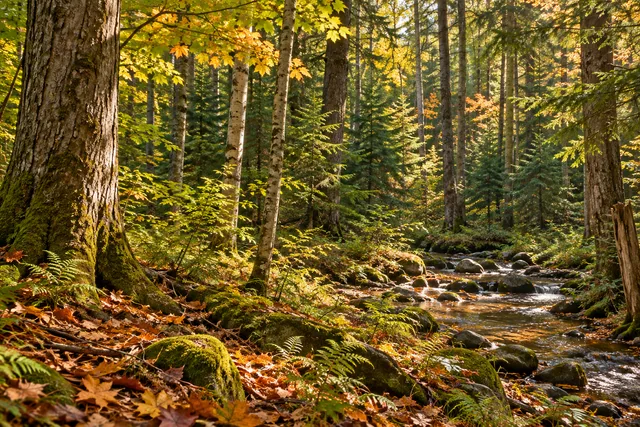 Fish Creek State Forest
Social
Cobb Brook State Forest covers 688 acres in Annsville and Camden, Oneida County. #Cre8Travel
Furnace Creek lies along Cobb Brook State Forest's north; Cobb Brook follows the western edge. #Cre8Travel
Land acquisition in 1933, 1937 and 1938 and planting from 1936 give Cobb Brook a layered forestry history. #Cre8Travel
Cobb Brook's 3.1 miles of access combine roads and designated routes rather than one declared loop. #Cre8Travel
Remaining plantations include several pines and Japanese larch in DEC's Cobb Brook account. #Cre8Travel
No maintained parking areas are listed at Cobb Brook. Match the pull-off approach to your route. #Cre8Travel
Protected streams help explain Cobb Brook's setting without promising visible fish or a waterside trail. #Cre8Travel
At Cobb Brook, would water or the sequence of planting projects guide your observations? #Cre8Travel
Hashtags