 Cre8Travel
CRE8TRAVEL · MAINE PLACES
Wylie House and Frenchville Historical Society
The Wylie House: Everyday Objects and Frenchville Memory
Discover
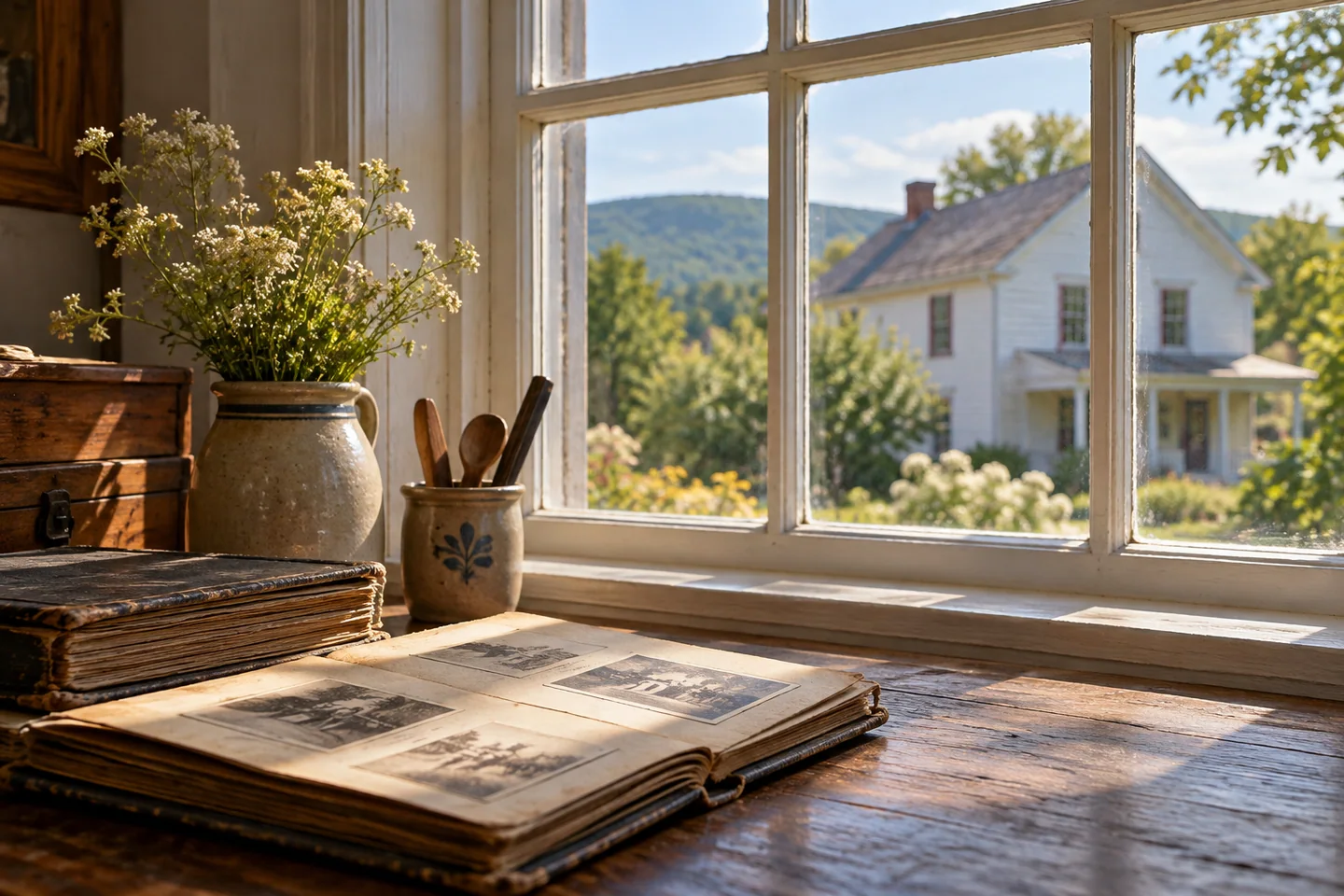
The Wylie House gives a Frenchville visit a domestic counterpart to the town's railway objects. The Maine Acadian Heritage Council identifies the 1916 house as a place for artifacts reflecting the town's history, cared for by the historical society. Arrange a visit directly before traveling, and keep house access separate from any outdoor stop elsewhere in the village. A small museum can reward attention to ordinary possessions as readily as a larger institution rewards attention to famous objects.
The state archives' historical-organization directory places the society at 309 US Route 1 and describes material from the late nineteenth and early twentieth centuries, including the history of Prohibition-era smuggling. The heritage council preserves a particularly memorable local story: part of the attic was used to signal across the border when conditions allowed bootleggers to move. Treat that as the institution's account of the house, rather than imagining a reenactment or permission to climb into the attic. Ask how the story is supported and interpreted during the visit.
An Acadian Archives finding aid explains the breadth of the society's collecting. Farm tools, obituary cards, photographs and household items belong to a record of community life extending beyond the railway. That variety provides a useful way to look: choose one object associated with work and another associated with a home, then ask how each reached the collection. The act of saving an everyday thing can reveal what a family or community later decided was worth remembering. Do not assume that every object named in an archival description is currently on display.
The same finding aid records a more mobile form of preservation. Eight scrapbooks assembled by Jeannette Dube Levesque passed through the historical society before moving to the university archives, where staff believed they would be better preserved with related collections. Their clippings emphasize engagements, weddings, anniversaries and school activities. That transfer is a reminder that a local museum does not have to keep everything under one roof to safeguard a town's memory. A visitor interested in family research may need a separate appointment with an archive rather than a longer search through museum rooms.
Original 2025 reporting adds the perspective of the people maintaining the house. Former society president Alice Carpenter described volunteers replacing some windows while retaining features such as hardwood floors and tin ceilings. The report situates the museum within the ongoing work of a small historical organization, rather than presenting preservation as a task completed once. Notice how a useful historic interior can depend on practical choices that receive little attention in a picturesque exterior photograph. Confirm what is open for viewing instead of treating a maintenance account as a permanent display list.
For a visit, bring one concrete question: how did a household object become evidence of a larger town history? If photography is permitted, include an object's interpreted setting rather than isolating it from its label or context. Respect any areas kept for storage or administration. Let the institution's arrangements guide expectations, and allow a modest collection the time needed to explain its own priorities. The Wylie House offers a way to approach Frenchville through collecting, domestic life and the patient work of keeping community stories available.
Fun facts
- The heritage council dates the Wylie House to 1916.
- The society collects household objects and community records alongside railway history.
Before you go
- Arrange the house visit directly with the historical society.
- Ask which collections are currently interpreted for visitors.
- Treat archive research and museum access as separate arrangements.
Capture
- If photography is allowed, include an object’s interpreted setting without entering storage, office or attic areas.
 Colburn House State Historic Site
 Frenchville Railroad Station, Water Tank and Caboose
 Godfrey–Kellogg House
Social
The Wylie House adds a domestic perspective to Frenchville’s history.
Its collections invite attention to everyday possessions.
A local attic story connects the house with Prohibition-era smuggling.
Family notices and school clippings can become important historical evidence.
Preservation sometimes means moving material to a better-suited archive.
Volunteer maintenance belongs to the museum’s story too.
Arrange access and ask about photography directly.
Which ordinary household object would you save to explain your community?
Hashtags