 Cre8Travel
CRE8TRAVEL · MAINE PLACES
Godfrey–Kellogg House
Cliff Cottage: Looking Respectfully at Bangor’s Godfrey–Kellogg House
Discover
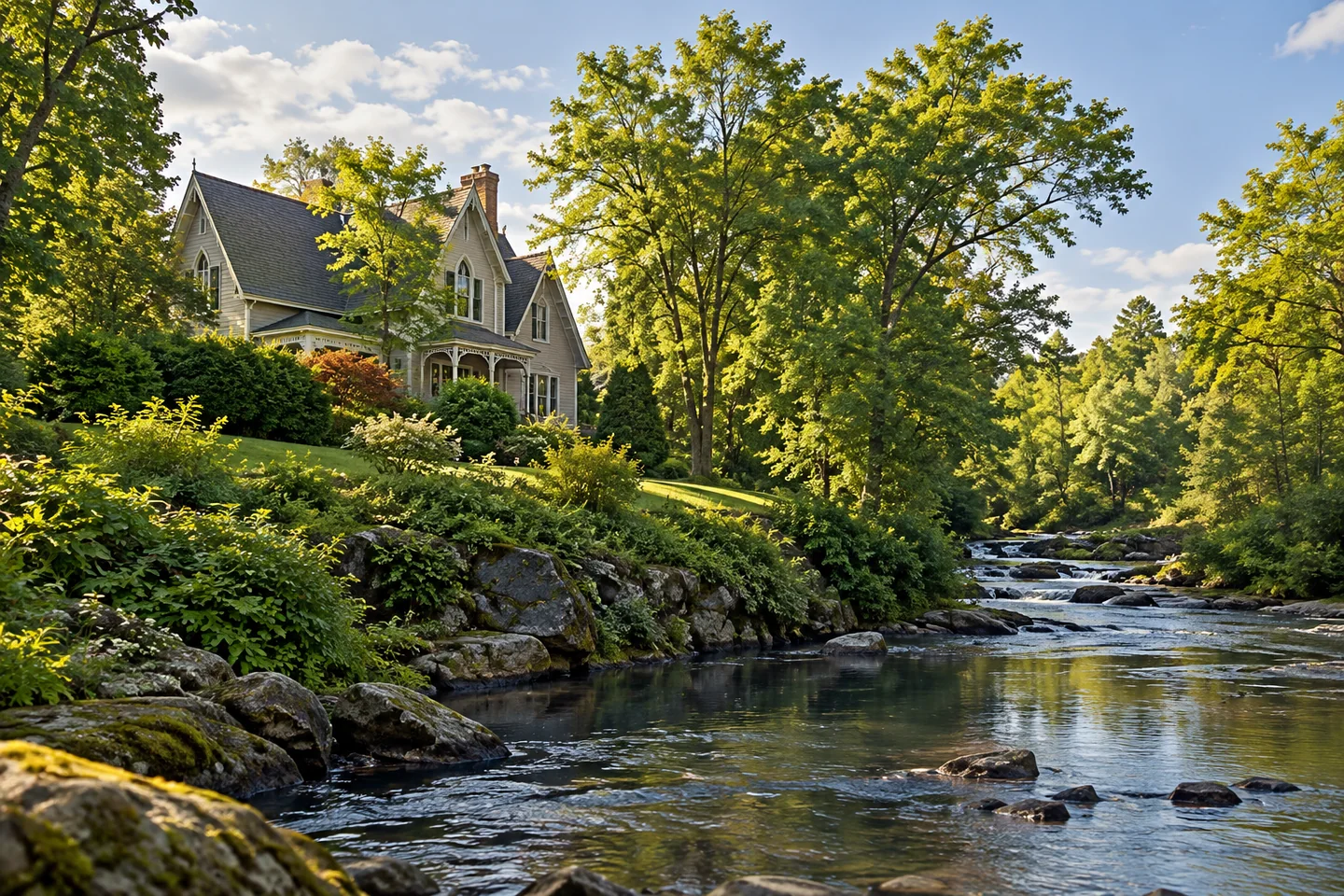
The Godfrey–Kellogg House in Bangor is an architectural subject to approach with the privacy of a residence in mind. Use the documented Kenduskeag Avenue address to establish its identity, then limit any viewing to a lawful public position. An old museum label is not an invitation onto the grounds or into the house. If the exterior cannot be seen without trespassing or obstructing movement, let the historical record supply the visit instead. A good architectural outing does not depend on crossing a property boundary.
The original National Register statement identifies the building as a summer house made for John Godfrey around 1847. Its architect and builder were not known when researchers prepared the nomination. That uncertainty is useful to preserve. A distinctive building does not need an invented designer to be interesting, and an impressive style should not automatically be attributed to the best-known architect working nearby. The record places the house within residential Gothic Revival architecture, giving a starting vocabulary for further looking without supplying a complete explanation of every choice.
Emily Burnham's original 2019 reporting gives the house its better-known nickname, Cliff Cottage, and describes its position beside the Kenduskeag Stream. Drawing on architectural historian Deborah Thompson, she connects John Godfrey's romantic tastes with the house's design. Her report contrasts the relative rarity of Gothic Revival residences locally with the many civic and domestic buildings in other popular nineteenth-century styles. That comparison can sharpen an exterior observation: ask what makes a residence feel picturesque rather than formally monumental. The answer may involve an overall arrangement as much as an isolated ornament.
The property's family history reaches into another part of Bangor's development. Burnham describes several generations of Godfreys living here and notes Edward Rawson Godfrey's connection with the city's early airfield. Bangor airport's own history independently records Godfrey Field beginning in 1927 on the local attorney's land. Regular passenger service followed in 1931, and military use transformed the field before the Second World War. Keep the two places distinct: the house was not an airport, and a family connection does not turn the residential grounds into an aviation museum. It does show how one domestic history can lead toward a wider civic story.
The nomination also illustrates a limitation of preservation language. Its researchers praised the survival of original furnishings and the relatively unaltered buildings as they found them in 1973. Those statements describe an observation at a particular date. They are not a present inventory or a promise that a visitor can see the same rooms and objects. Reading a historic designation carefully means separating the significance it documents from the access or condition it cannot guarantee decades later. That distinction is especially important for a building that continues to appear in directories under several names.
For an authorized exterior view, choose a broad composition that preserves the relation between the house and its visible setting. Avoid concentrating on lived-in windows or seeking an angle through a private yard. A notebook can record a question about the house's date, style or family connections to pursue afterward. The interest of Cliff Cottage lies partly in that combination of evidence and curiosity: a summer residence, a particular architectural taste, successive households and unexpected links with the larger city. Respectful looking leaves those histories available without making the household itself part of the spectacle.
Fun facts
- The original nomination dates John Godfrey’s summer residence to about 1847.
- The architect was unidentified in the National Register record.
Before you go
- Limit viewing to lawful public positions and respect residential privacy.
- Do not treat a museum-directory label as permission to enter.
- Read old preservation descriptions as dated observations.
Capture
- If a lawful public view is available, show the overall house and setting without entering grounds or focusing on lived-in windows.
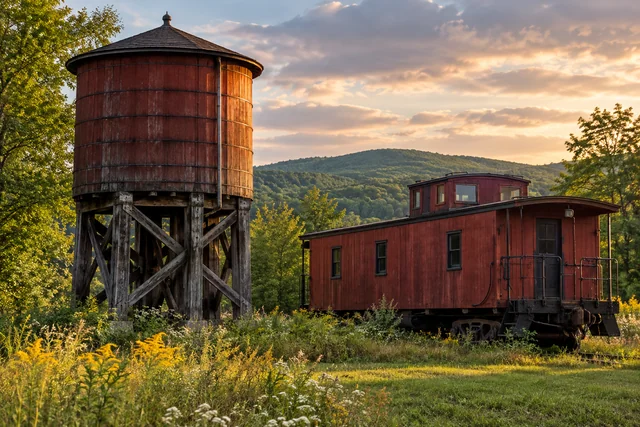 Frenchville Railroad Station, Water Tank and Caboose
 Paul Bunyan Statue in Bangor
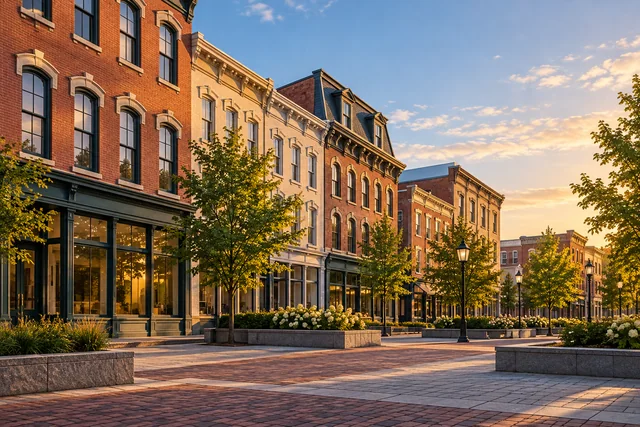 West Market Square Historic District
Social
Bangor’s Godfrey–Kellogg House is also known as Cliff Cottage.
The original record identifies an approximately 1847 summer residence.
An unknown architect should remain unknown without new evidence.
A family history can connect a house with broader civic developments.
Godfrey Field began on Edward Rawson Godfrey’s land in 1927.
A 1973 description cannot guarantee today’s interior contents or access.
Let privacy guide the scope of an architectural stop.
What question would you take from a house exterior into the historical record?
Hashtags