 Cre8Travel
CRE8TRAVEL · MAINE PLACES
Webster Lake
Webster Lake: A Backcountry Pause Between Water and Trail
Discover
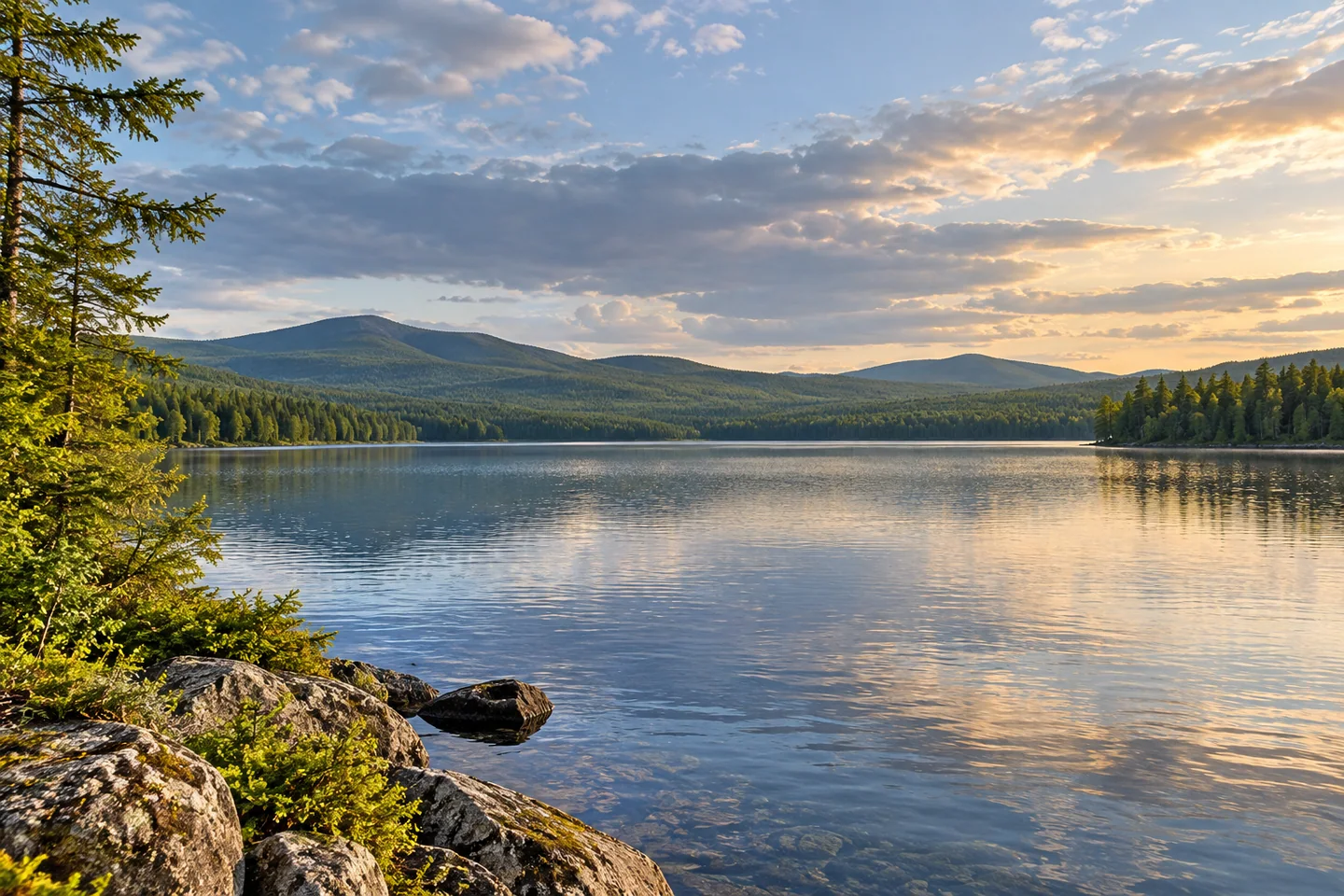
Webster Lake occupies an interesting corner of northern Baxter country, where a lake stay can belong to either a walking journey or a canoe expedition. Its water receives the altered drainage from Telos and continues into Webster Stream, yet the lake has its own shoreline, fisheries and camping arrangements. Choose it for the pause it offers within that connected landscape, with enough preparation that arriving beside the water feels like the beginning of the visit rather than the end of a logistical puzzle.
Start with the intended approach. Baxter State Park lists Webster-area backcountry sites within its camping system, including the outlet and sites associated with the Freezeout route. Maine Trails Guide Service describes a guided backpacking circuit that includes a Webster Lake overnight. That provides a different way to experience the water from a through-paddle. Confirm the applicable site, route, reservation and entry requirements directly, then match the load to the journey. A lakeside night is a backcountry arrangement, requiring food, shelter and a plan for treating water.
The surrounding public-land management plan describes cooperation with Baxter on the western lake campsites and identifies a boat-in site on the northern shore. It also discusses possible future access development. Keep those categories separate when studying the document: an existing managed site is different from a proposal that may never have been built. Plan from established current access, with the responsible manager resolving any uncertain detail. The landscape's overlapping administrative boundaries make the practical questions worth asking carefully.
Maine's original 1960 survey gives the lake an underwater identity. It describes summer layers of warmer and colder water, with oxygen available through much of the water column. These findings help explain the historical importance of brook trout and lake trout. A lake can look uniform from a campsite while offering very different conditions below the surface. Treat the study as ecological background; contemporary fishing rules and current observations should determine an angling plan.
The same survey identifies rocky shore shoals used by lake trout and inlet and outlet habitat important to young brook trout. It also raises concern about abrupt changes in the Telos inflow. Water management upstream therefore matters to more than the movement of a canoe. The connection can make a shore pause more observant: listen to moving water from a permitted position and consider the habitats joined by the lake. Leave sensitive margins undisturbed rather than trying to inspect every place described by biologists.
Bill Blauvelt's original American Whitewater report recalls a September 2013 journey through this country. His party paddled across Webster Lake and stayed in a small lean-to before continuing toward Matagamon. The longer account describes changing water and demanding river decisions, reinforcing the need to distinguish a lake visit from a technical through-route. His campsite experience belongs to that trip. It can prompt questions about the present overnight arrangements without supplying a current route assessment or guaranteed shelter availability.
For a meaningful visit, give the transition between travel and rest some room. A few notes written beside the water can record sounds, cloud movement and the feeling of arriving with everything needed on your back or in the boat. If taking photographs, choose a secure permitted position and let the lake occupy the frame without requiring a distant summit or animal sighting. Webster is especially rewarding when experienced as an inhabited interval in a larger landscape: time to notice where the water comes from, where it goes and what a carefully arranged stay makes possible.
Fun facts
- The original state fisheries survey dates to 1960.
- Inlet, outlet and rocky shoal habitats have distinct roles in the historical fishery account.
- Webster Lake can be included in a guided Freezeout-area backpacking journey.
Before you go
- Resolve the exact site, approach and reservation requirements with Baxter.
- Prepare food, shelter and water treatment for a backcountry stay.
- Distinguish existing access from proposed facilities in management documents.
- Research any technical river journey separately from the lake visit.
Visitor perspectives
- Bill Blauvelt’s September 2013 American Whitewater report recalls paddling across Webster Lake and staying in a small lean-to before continuing toward Matagamon.
Capture
- Use a secure permitted shore position and allow the lake itself to fill the frame.
- Record water sounds and arrival impressions in a notebook alongside photographs.
 Telos Lake and Round Pond
 Umbazooksus Lake
 Harrington Lake
Social
Webster Lake offers a pause within northern Baxter’s connected landscape.
A walking journey and a canoe expedition create different ways to arrive.
Choose the actual backcountry site before packing for the visit.
An old fisheries survey can reveal habitats hidden by the surface view.
Upstream water management matters to the lake’s ecological connections.
A lake stay and a technical river trip deserve separate planning.
Leave room for the experience of arriving, resting and observing.
Would you approach Webster with a backpack or a carefully organized canoe plan?
Hashtags