 Cre8Travel
CRE8TRAVEL · MAINE PLACES
Vanceboro Historical Society
Vanceboro Historical Society: A Border Town in Maps and Memory
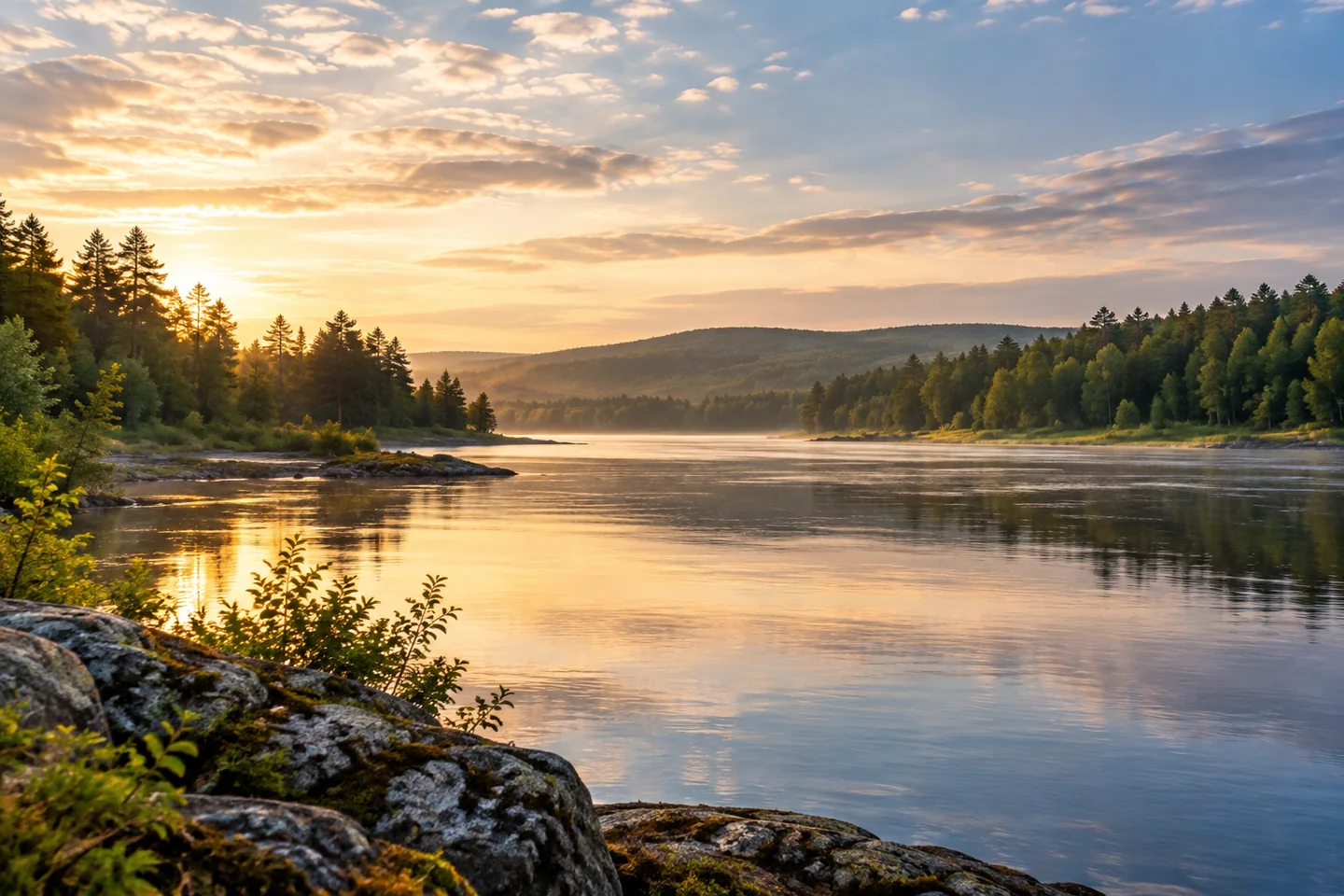
Discover
Vanceboro Historical Society gives a small border town the space to tell a much larger story. Its museum at 101 High Street preserves the history of Vanceboro and the surrounding area through artifacts, research, photographs and family histories. Arrange a tour with the society before setting out. That personal contact suits a collection built around community memory: arriving with a question about a family, a workplace or an unfamiliar photograph can provide a useful starting point. The society's land acknowledgement also places the town within Passamaquoddy homeland and recognizes the Passamaquoddy Nation's continuing sovereignty. This history begins well before a railway timetable.
Water and transportation shaped the settlement that followed. The society's village history locates Vanceboro at the outlet of Spednic Lake and the headwaters of the west branch of the St. Croix. William Vance established a logging and trading settlement in the nineteenth century; a dam altered Passamaquoddy gathering grounds and canoe routes. The coming railway then encouraged a tannery and the services of a growing mill town. President Ulysses S. Grant visited in 1871 for the European and North American railway dedication. The town incorporated in 1874. Later, its station combined travel, hospitality, communications and customs functions. A railway station here was much more than a place to wait for a train.
The MacDonald collection brings that railway past into a very tangible scale. In an account of the preservation project, society writer Lyn Mikel Brown describes Gene MacDonald's donation of a small museum building, historic photographs, records, artifacts, a railway signal and a motorized railcar known as a putt-putt. Volunteers moved the building uphill to the museum grounds using log skids, peaveys and other traditional tools. The effort makes an engaging second story alongside the railway itself: saving local history required practical knowledge passed between people who could still put old methods to work. Ask which railway displays are available during your visit, rather than assuming every element of the developing project is open.
The Maine State Archives' organization profile shows how broad the collection's interests are. Alongside town maps, documents and artifacts, it includes genealogy and audio recordings of songs, families and town history. Those categories invite different kinds of attention. A map can suggest where a business once stood; a family record can put a name beside an occupation; a recorded voice can preserve something that a caption cannot. Ask whether material connected with your interests can be consulted, and what arrangements apply. The society is a historical institution with an appointment-based visit, so a particular document or recording should be requested rather than presumed to be on display.
A rewarding approach is to follow one question across several kinds of evidence. Choose an object, consider who used it, then look for a person or place that helps explain its purpose. Keep notes on what is established and what remains uncertain. For photographs, ask before using the camera and avoid treating a display label as permission to reproduce an image elsewhere. Leave with one story you can explain clearly instead of a long list of names you have already forgotten.
Fun facts
- Vanceboro incorporated as a town in 1874.
- The society’s collection includes audio recordings as well as photographs and documents.
Before you go
- Arrange a museum tour with the society before traveling.
- Ask which MacDonald railway displays are currently available.
Capture
- Ask before photographing collection material; build a small series around shapes and details only where permitted.
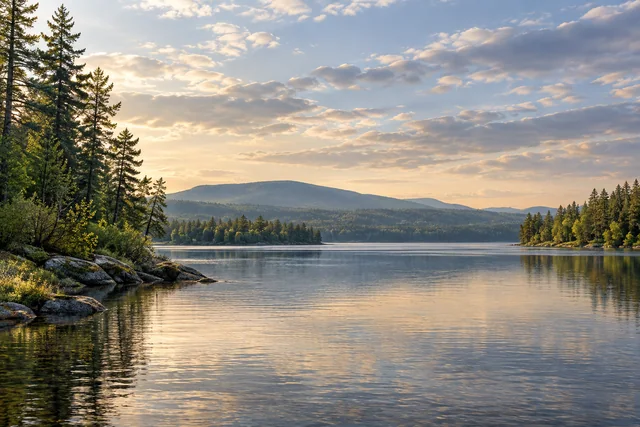 Shad Pond
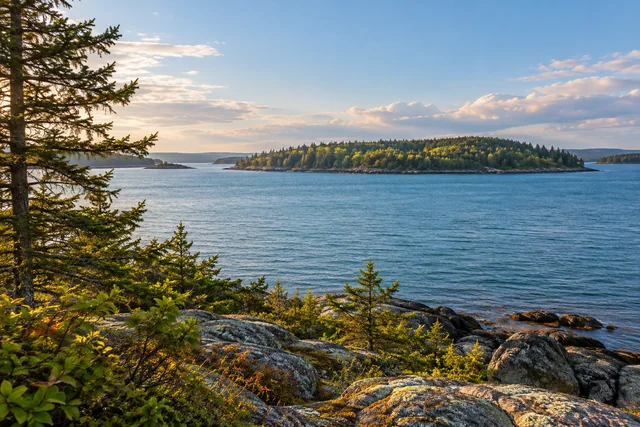 Todd Wildlife Sanctuary
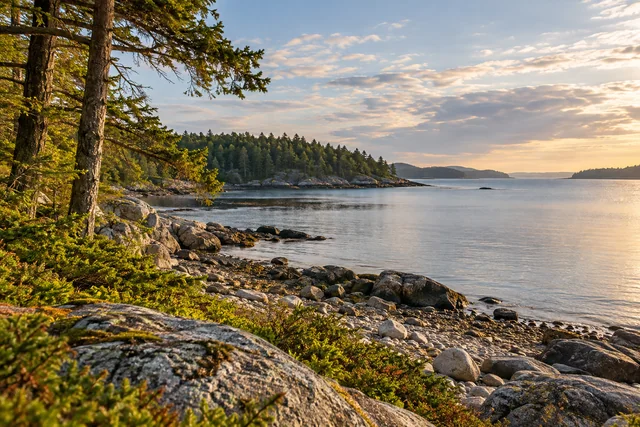 Huckins Beach and Morrison Cove
Social
Vanceboro’s museum preserves the stories of a town shaped by a border and a railway.
The society recognizes Vanceboro as Passamaquoddy homeland.
President Grant visited for the railway dedication in 1871.
A station once brought customs, communications and hospitality into one complex.
Volunteers used log skids and traditional tools to relocate the donated MacDonald museum building.
Maps and recorded voices offer different routes into local history.
Bring a question about a family, photograph or workplace to your arranged visit.
Which would you follow first: an old map or a family story? #Cre8Travel
Hashtags