 Cre8Travel
CRE8TRAVEL · MAINE PLACES
Stroudwater Historic District
Stroudwater: Read a Portland Village beyond One Landmark
Discover
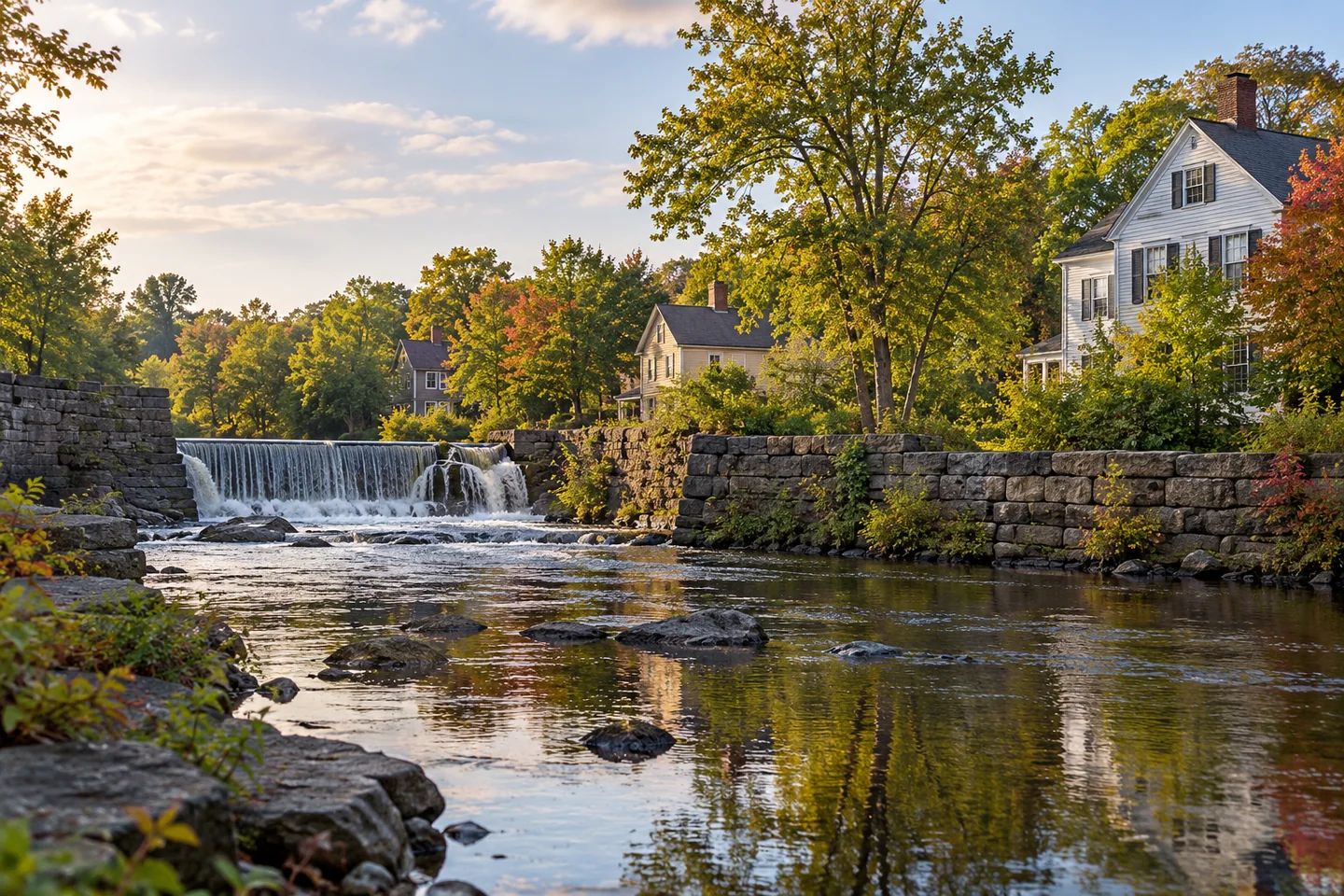
Stroudwater Historic District preserves a village-scale setting on Portland's western edge, where the Stroudwater and Fore River landscape once supported trade and manufacture. Maine's preservation commission describes a place that developed from a mast-shipping landing into a community with mills, a tannery, and shops. Approach it as an inhabited neighborhood whose street scene has a history to read. The homes and their relationships to the water offer a different kind of Portland visit from the busy central waterfront, with attention directed toward a smaller community.
Tripadvisor contributor NHjo first discovers the district by accident and is struck by the concentration of older houses. On a later return, the writer deliberately walks around to photograph the homes, dam, burying ground, and nearby river. Another original account enjoys the neighborhood but finds parking difficult. Together, those experiences suggest a measured outing: identify a lawful place to leave the car before walking, then choose several public viewpoints. A compact historic setting can reward time without requiring a hurried search for every building.
The neighborhood association's historical account makes clear that the architectural interest extends beyond one famous house. It points to homes associated with the Waldo, Fickett, Hawes, Means, and Barker families, while also valuing residences built for people of more modest means. Look at the range of houses together, with differences of scale and form contributing to the village. Private occupancy remains part of that character. Appreciating the architecture from the street is compatible with leaving residents' entrances, gardens, and daily routines undisturbed.
The canal adds a second transport story. The preservation commission connects its arrival with trade between Portland and the inland lakes, as manufactured goods and groceries moved through the village. Rail transport later displaced the canal, and a bridge restricted the wharves' connection with the harbor. That change helps explain why a community associated with work on the water became primarily residential. Let the river setting prompt questions about movement and exchange, rather than assuming that today's quiet appearance describes the place's entire history.
Present-day residents continue to work on how the neighborhood functions. Their association identifies pedestrian and vehicle traffic, water and air quality, historic preservation, and airport noise among its concerns. It also gathers local stories and advocates for improvements to streets and sidewalks. That activity offers a useful perspective for a visitor: an attractive historic district remains somewhere people negotiate everyday needs. Keep crossings deliberate, leave circulation space, and let respect for the working neighborhood accompany interest in its older buildings.
The dam and burying ground provide further points of reference in the association's account, linking the river's industrial use with generations who lived beside it. They can help organize a visit without turning the district into a checklist of famous names. If a museum tour or a cemetery visit is important, confirm that site's separate current arrangements. The broader street scene can still stand on its own, allowing architecture, the changing role of transport, and the continuing care of a community to become parts of the same outing.
Before you go
- Identify a lawful parking place before setting out on foot.
Visitor perspectives
- NHjo enjoys discovering and later revisiting the architecture; another visitor appreciates the neighborhood but finds parking difficult.
Capture
- Choose public viewpoints and keep residents’ doors and gardens private.
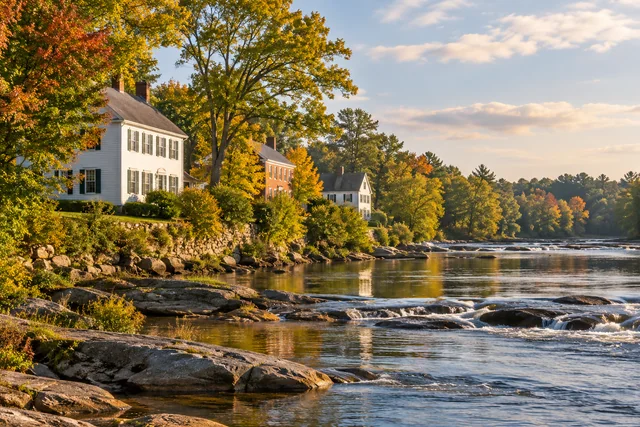 Salmon Falls (West) Historic District
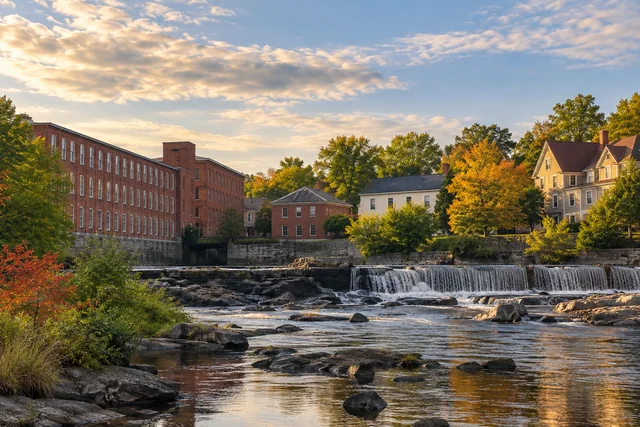 Cumberland Mills Historic District
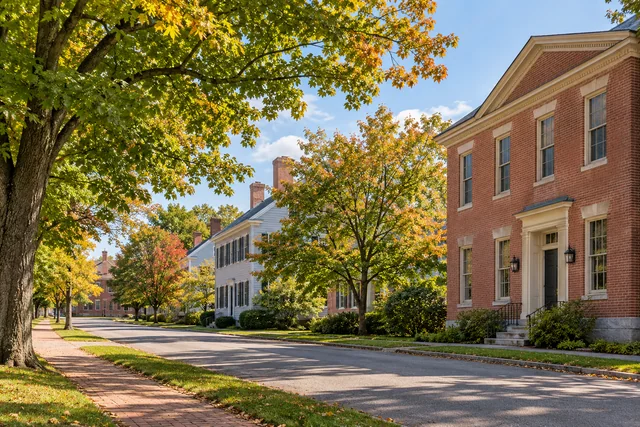 Gorham Campus Historic District
Social
Stroudwater grew through river trade, manufacture, and later canal connections.
Visitors enjoy the village architecture while one notes a parking challenge.
The neighborhood’s interest extends across houses of different sizes and means.
Residents continue to advocate for the streets, water, and historic setting.
A historic neighborhood remains a place of everyday needs.
Look at several buildings together before choosing a favorite detail.
A quieter present can invite questions about a much busier past.
A considerate walk can leave both a strong memory and a small footprint.
Hashtags