 Cre8Travel
CRE8TRAVEL · NEW YORK PLACES
UB Anderson Art Gallery
UB Anderson Gallery: A School Becomes a Place for Art
Discover
The building at 1 Martha Jackson Place has changed both its purpose and its audience. Originally a Buffalo public school, it became a commercial gallery before joining the University at Buffalo. Today, UB Anderson Gallery brings exhibitions, collections and research together a few blocks from the university's South Campus. Its history gives a visit a useful question: how does a place for displaying art also preserve the evidence of how that art reached an audience?
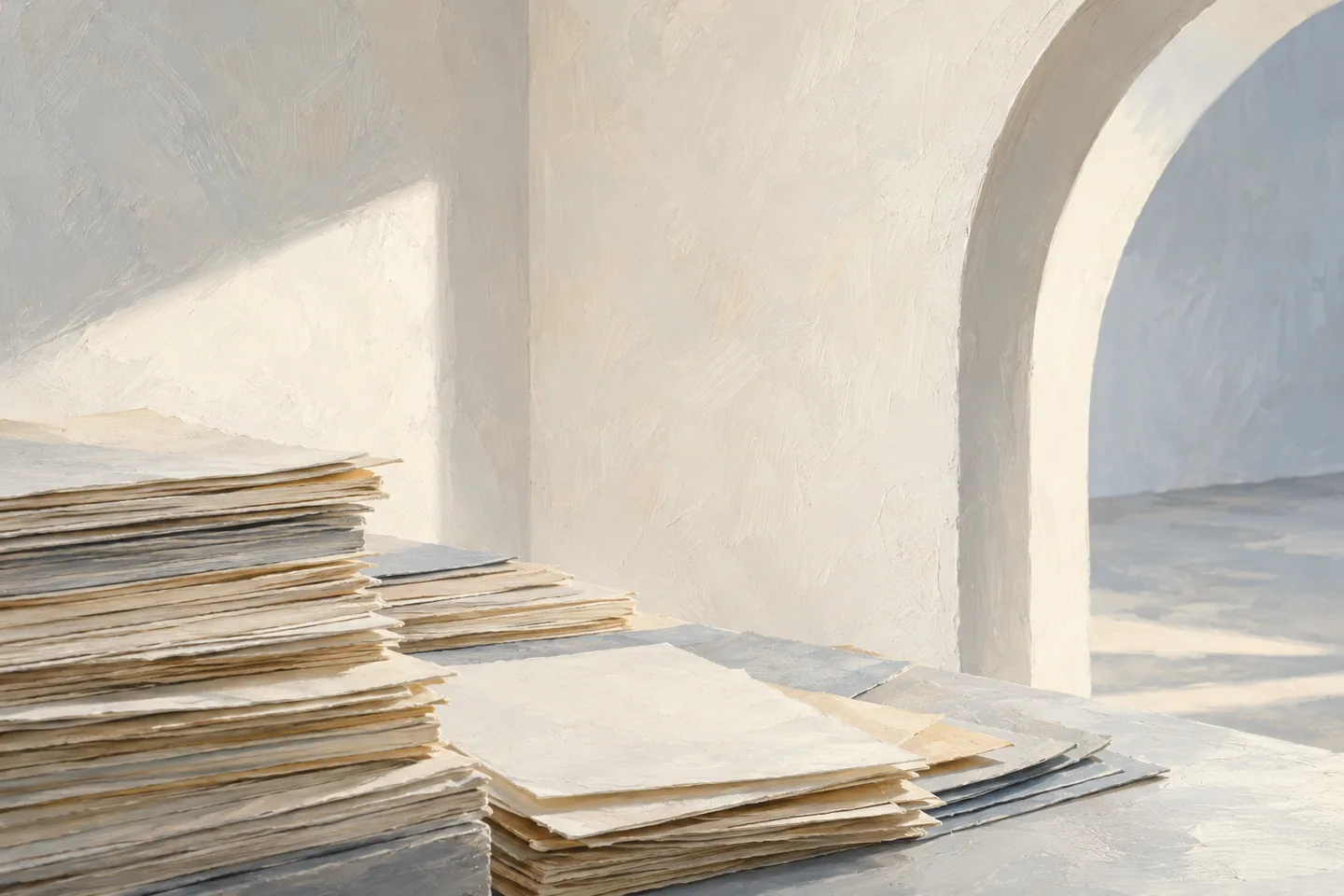
Gallerist David K. Anderson purchased the school building and converted it into an exhibition space. He had studied business at UB before working for his mother, New York gallerist Martha Jackson. The Anderson Gallery opened to the public in 1991. The university's account notes his interest in design, including arches and rounded corners throughout the interior and a typeface of his own used in signage. Looking at the rooms themselves can therefore become part of looking at the art.
The building entered a new phase in 2000, when Anderson donated it to UB with art, archives and support for operations. Keep that history distinct from UB's Center for the Arts Gallery, which opened on the North Campus in 1994. They now belong to one organization but occupy different addresses. Confirm which location holds the exhibition you want to see before setting out; a university affiliation does not put every display in the same building.
The collections offer several different ways of thinking about an artwork. Across UB Art Galleries, holdings include paintings, sculpture and works on paper. The David Anderson Collection contains postwar art associated with artists such as Joan Mitchell, Sam Francis and Paul Jenkins. The university's collection descriptions concern what it holds, not a promise that any particular named work will be on the wall during an ordinary visit. Let the current exhibition guide the immediate encounter.
At Anderson Gallery, the Cravens Collection adds another approach through visible storage. More than eleven hundred archaeological, ethnographic and art objects were donated to the university in 2010 by Annette Cravens. A storage system makes collection care and comparison part of the setting rather than hiding all objects behind the idea of a single finished exhibition. Follow current gallery guidance about what can be viewed, and allow individual forms and materials to set a manageable focus.
The Martha Jackson Archive preserves another kind of material: correspondence, sales records, exhibition documentation, films, books and promotional work. An associated oral-history project records conversations with artists, colleagues, employees and family members. Access to archival research requires staff assistance and an appointment. Those records are useful context for a gallery visit, but they should not be treated as an unrestricted hands-on display.
Check the current programme and visitor arrangements before travelling. The no-step entrance is at the northeast corner of the gallery parking lot, and the operator asks visitors to ring the doorbell there. Movement between floors by elevator requires staff operation. Contact the gallery about specific mobility needs or a group visit. Then give yourself room to compare three things: the changing exhibition, the building's design and the collecting history behind both. Anderson Gallery's interest lies in the connections among them.
Fun facts
- The gallery building was originally a Buffalo public school.
- David K. Anderson opened the commercial Anderson Gallery in 1991 and donated it to UB in 2000.
- UB Anderson Gallery and UB’s North Campus Center for the Arts Gallery are separate locations.
- The Martha Jackson Archive includes records relating to gallery exhibitions and operations.
Before you go
- Confirm the exhibition’s address; UB operates two gallery locations.
- Arrange archival research with staff rather than assuming walk-in access.
- Contact the gallery about group visits or particular access needs.
- Use the operator-described no-step entrance and staff-operated elevator arrangements when relevant.
Capture
- Ask about photography rules for the current exhibition before taking pictures.
- Where permitted, compare a curve or rounded corner with the surrounding room without copying an artwork as the sole subject.
 Charles & Marie Fontana Boathouse
 Palace Theatre
 Kenan House Gallery
Social
UB Anderson Gallery began life as a Buffalo public school. #Cre8Travel
David K. Anderson turned the building into a gallery that opened in 1991.
In 2000, a gift brought the building, art and archives to the University at Buffalo.
Anderson’s interest in arches and rounded corners remains part of the building’s design story.
Check the address: UB Anderson Gallery and the North Campus CFA Gallery are different places.
Visible storage at Anderson Gallery offers another way to think about a collection.
The Martha Jackson Archive preserves the records behind exhibitions; research access needs staff assistance.
Would you begin with the current exhibition, the building, or the history of collecting?
Hashtags