 Cre8Travel
CRE8TRAVEL · NEW YORK PLACES
Randalls Island Park
Randall’s Island Park: Fields, Wetlands and a Working Garden
Discover
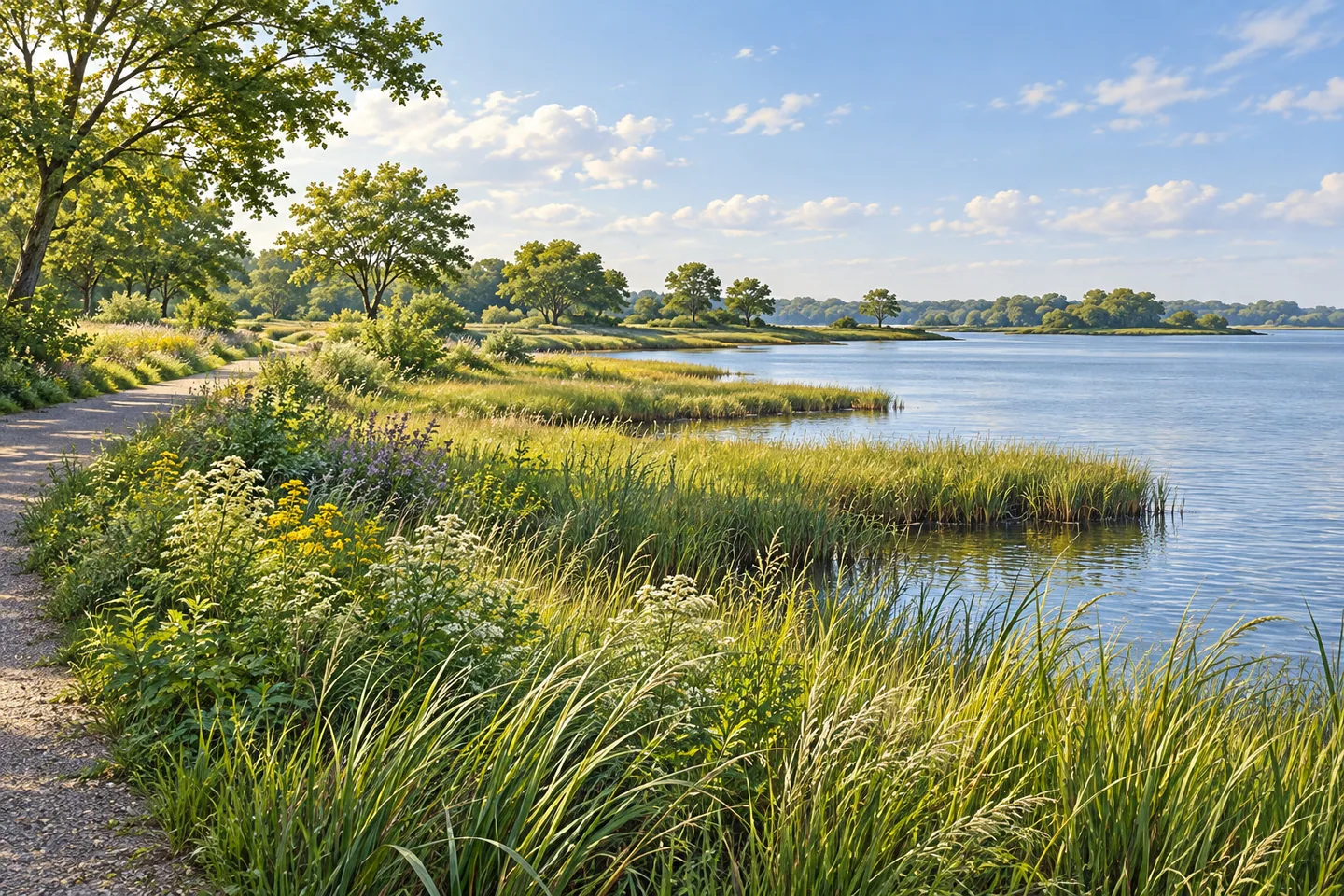
Randall's Island Park brings several New York landscapes together. A sports field gives way to a waterfront path; farther along, grasses mark the edge of a restored wetland. Bridges and the surrounding city remain part of the view. The park's character comes from that combination of active recreation, open water and closely tended natural areas, with different parts inviting different kinds of visits.
The Randall's Island Park Alliance, founded in 1992, works in partnership with NYC Parks to care for the public landscape. Its responsibilities extend beyond keeping playing surfaces ready. Shoreline restoration, tree planting, environmental education and the Urban Farm add other purposes to a place often associated with sports. A visit can follow those quieter threads while still noticing the fields and bridges that organize the island.
The waterfront provides a useful starting point. Paved paths run beside much of the shoreline, offering changing views of water and city structures. At Little Hell Gate Inlet and along the Bronx Kill, restored salt marshes create a different edge from a hard wall or open lawn. Cordgrass and marsh elder belong to a habitat shaped by tides. Observe the transition from the path: small differences in ground level and water make a large difference to what can grow.
Fresh water has its own role within the park. The restored freshwater wetland receives stormwater from higher roads and sports fields. Plants help filter that runoff before it reaches surrounding waterways. Dragonflies, damselflies and wetland birds form part of the habitat described by the alliance. Watching for movement among the plants can turn an ordinary walk into a short lesson in how the island handles rain.
Meadows and tree planting extend that ecological story. Native grasses such as little bluestem and switchgrass grow alongside flowering plants including asters, goldenrod and milkweed. Their appearance changes through the growing season. Trees add shade and help soften the large open spaces. Together, these areas offer a useful contrast to the regular outlines of athletic fields: one landscape supports organized games, another supports the slower activity of looking.
The Urban Farm introduces food cultivation into the same public setting. Established in 2006, it includes raised beds, greenhouses, an orchard and rice paddies. Crop rotation, composting and other growing practices are part of its educational work. Fruit trees and climbing crops make the garden visually varied, while children's activities help connect the produce on a table with the work of growing it. Visits and programmes follow a seasonal calendar; tasting produce requires staff permission.
Choose your approach before setting out. The 103rd Street footbridge connects from Manhattan, while the Randall's Island Connector provides an at-grade approach from the Bronx. The RFK Bridge walkway from Queens includes stairs. The alliance also notes limited parking and bridge construction that can affect navigation, making its current directions useful even for repeat visitors.
Once inside, select a few destinations instead of trying to cover every field and path. A waterfront walk, a look at the wetland and a scheduled farm visit make different itineraries. Keep to public routes, leave habitat undisturbed and check programme access separately. The park offers many ways to see how recreation and living landscapes share an island.
Fun facts
- The Randall’s Island Park Alliance was founded in 1992.
- The Urban Farm was established in 2006.
- Restored salt marshes lie at Little Hell Gate Inlet and along the Bronx Kill.
- The freshwater wetland helps filter stormwater from roads and sports fields.
Before you go
- Choose a bridge or connector for the part of the park you want to visit.
- Note that the Queens RFK Bridge walkway includes stairs.
- Check the Urban Farm calendar before planning a visit inside it.
- Observe wetlands from public routes and ask staff before tasting farm produce.
Capture
- Use the contrast between marsh grasses, open water and bridge structures from a public path.
- Study the patterns of raised beds or meadow planting from an authorized visiting area; check permission for a planned photo shoot.
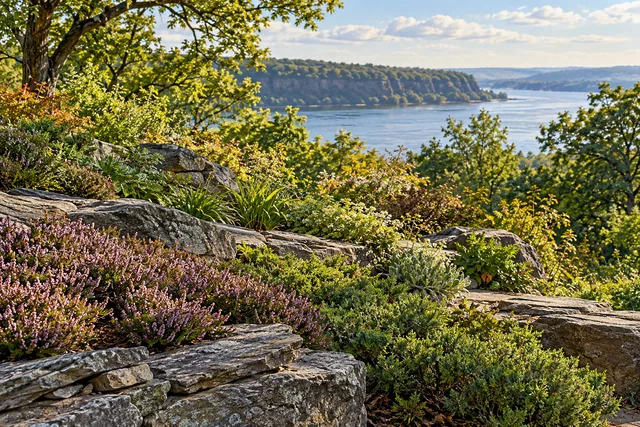 Fort Tryon Park
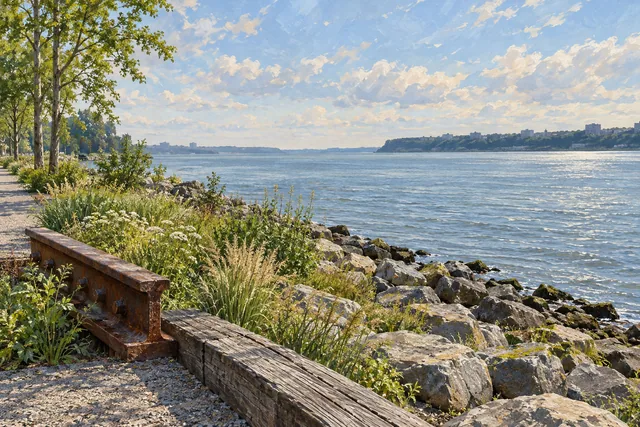 Riverside Park South
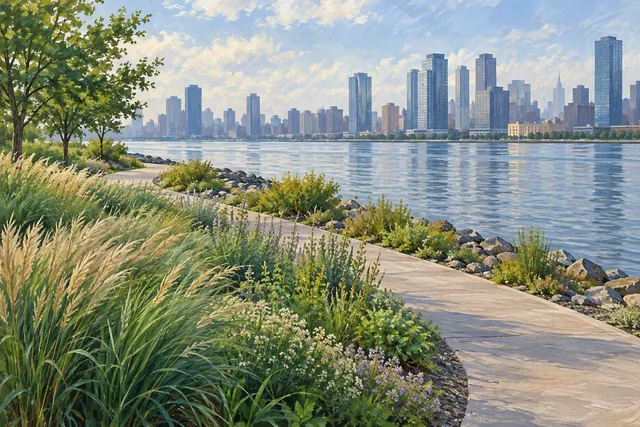 Hunter's Point South Park
Social
Randall’s Island Park pairs sports fields with waterfront paths and restored habitat. #Cre8Travel
Salt marshes at Little Hell Gate Inlet and the Bronx Kill create a living tidal edge.
A freshwater wetland helps filter runoff from roads and fields.
Native grasses and flowering plants add changing color and texture to the meadows.
The Urban Farm began in 2006 and demonstrates food cultivation through beds, orchard and seasonal programmes.
Different bridges reach different parts of the park; the Queens walkway includes stairs.
Check current directions for bridge works and the farm calendar for seasonal visits.
Which would you explore first: shoreline, wetland or food garden?
Hashtags