 Cre8Travel
CRE8TRAVEL · NEW YORK PLACES
John Jay Park (Manhattan)
John Jay Park: Play and Poolside History in Manhattan
Discover
John Jay Park occupies a stretch of Yorkville between East 76th and East 78th Streets beside the FDR Drive. Playgrounds, courts and a seasonal outdoor pool make it a place shaped by neighborhood routines. Benches and trees offer a quieter way to enjoy it, while the river-side setting gives the visit a sense of space beyond the surrounding blocks of Manhattan.
The park developed over several stages. Historic Districts Council traces plans for the site to 1891 and the city’s land acquisition to 1902. A bathhouse followed in 1906, connecting the space with the history of public bathing and neighborhood recreation. The buildings and open areas evolved together, making this a useful place to notice how practical community facilities can also shape the character of a park.
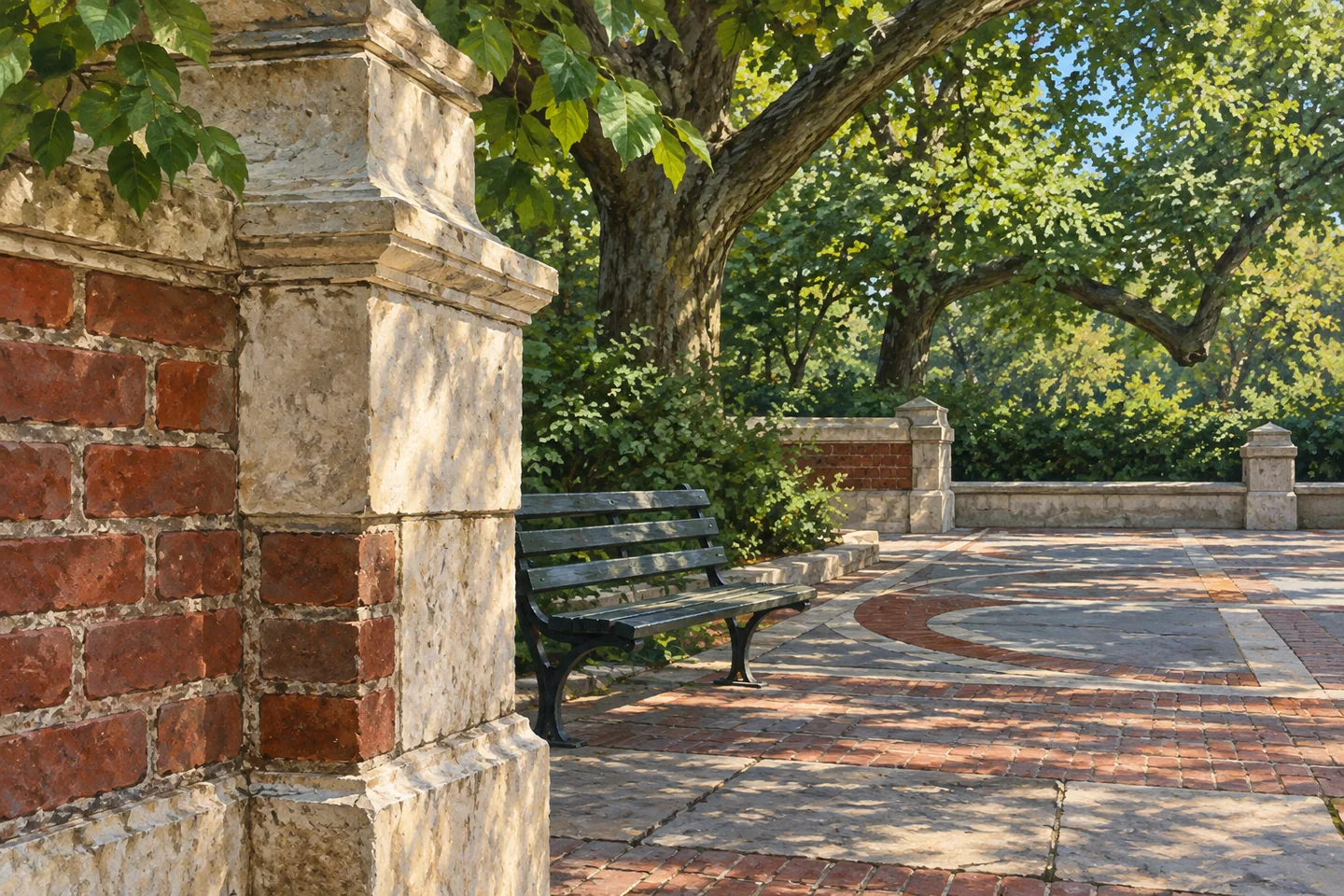
One particularly distinctive layer is the red-brick pavilion with limestone details. The Historic Districts Council identifies its Tudor Revival design as the work of architect Jaroslav A. Kraus in 1913–14. The city’s own 1914 Parks annual report records completion of construction and the plumbing and heating contracts in October that year. Seen from the park, the contrast between brick and pale stone gives the building a different visual weight from the open recreation areas beside it.
Swimming brought another transformation. A city announcement dated June 3, 1940 described a new pool measuring 145 by 50 feet, with filtration and water recirculation. The project also adapted the existing building for dressing, comfort and recreation facilities. Shade trees were retained along two sides of the pool, bringing landscape into a setting organized around a large, open expanse of water. The announcement makes clear that the pool and its surroundings were designed as a connected public place.
That layered history can guide a present-day visit without turning it into an architectural survey. Look at the pavilion’s materials, then at how the open courts and playground spaces gather different activities. The current Parks listing includes basketball, handball, fitness equipment and play facilities. A visitor coming with children may concentrate on the playground, while someone passing through the neighborhood can use a bench and watch the everyday movement between these spaces.
There is a helpful distinction between shade and planting here. The setting is strongly associated with active recreation, with paved surfaces and courts forming much of its character. Trees provide another scale, framing places to sit and softening the edges of the activity areas. Notice where a canopy extends over seating and where the ground opens out toward a game or the pool enclosure. Those changes make a compact park feel more varied.
If swimming is the purpose of the visit, check the current city pool page for the season, entry requirements and operating arrangements. Historic accounts and older traveler reviews describe earlier rules, which can change. The pavilion’s exterior can be appreciated during a park visit without assuming that its interior is available for a tour.
For photographs, begin with the relationship between the brick pavilion, trees and open ground. Stay on public paths and avoid close views of children or swimmers. John Jay Park works especially well as a pause in a Yorkville walk: a place to read a century of neighborhood recreation in buildings, shade and the ordinary activities unfolding around them.
Fun facts
- The city acquired the site in 1902, according to Historic Districts Council.
- The Tudor Revival pavilion dates to 1913–14.
- A 1940 city announcement described a new 145-by-50-foot pool.
- The current park includes play areas, courts and fitness facilities.
Before you go
- Check current city pool information before planning a swim.
- Enjoy the pavilion from public outdoor areas without assuming interior tour access.
- Use the playground and seating areas that suit your group’s visit.
Visitor perspectives
In a July 2019 visit, invertpaleo valued the children’s playground, courts, exercise stations and benches, describing a park with many trees and comparatively little grass or flower planting.
Capture
- Frame the pavilion’s brick and limestone against surrounding trees from a public path.
- Keep photographs wide around active play and pool areas, respecting children’s and swimmers’ privacy.
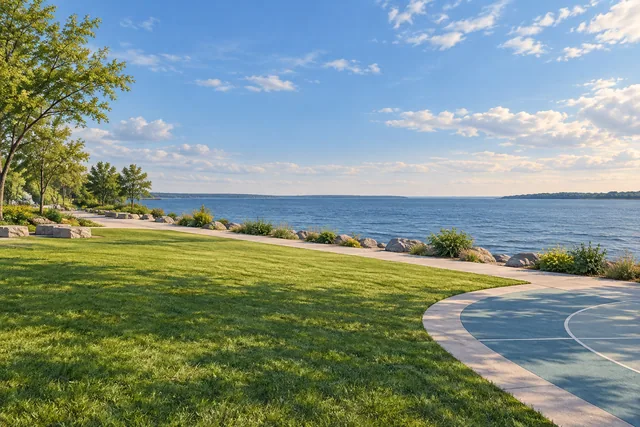 Barretto Point Park
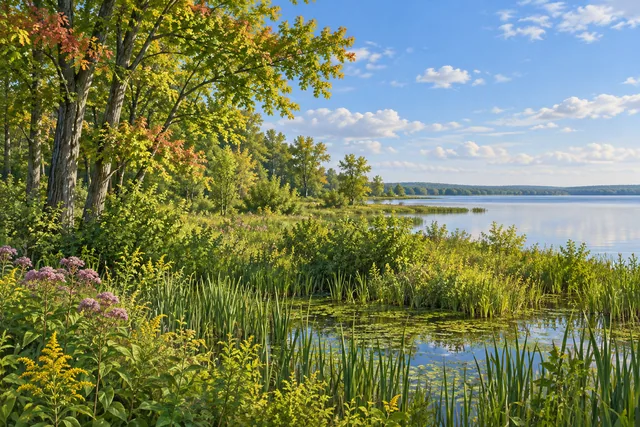 Three Mile Bay Wildlife Management Area
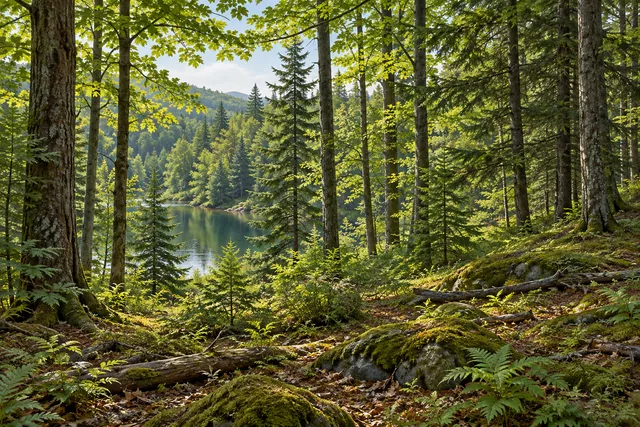 Independence River Wild Forest
Social
John Jay Park brings play, courts and swimming history to Manhattan’s Yorkville. #Cre8Travel
Its red-brick pavilion dates to 1913–14.
Pale limestone details add another texture to the pavilion exterior.
A 1940 city announcement described the new pool and retained shade trees.
The outdoor spaces show different generations of neighborhood recreation.
Look at how tree canopy frames benches and active areas.
Use current city pool rules when planning a swimming visit.
What architectural details do you notice in your local recreation park?
Hashtags