 Cre8Travel
CRE8TRAVEL · NEW YORK PLACES
Concrete Plant Park
Concrete Plant Park: A Bronx River Landscape Built on Earlier Work
Discover
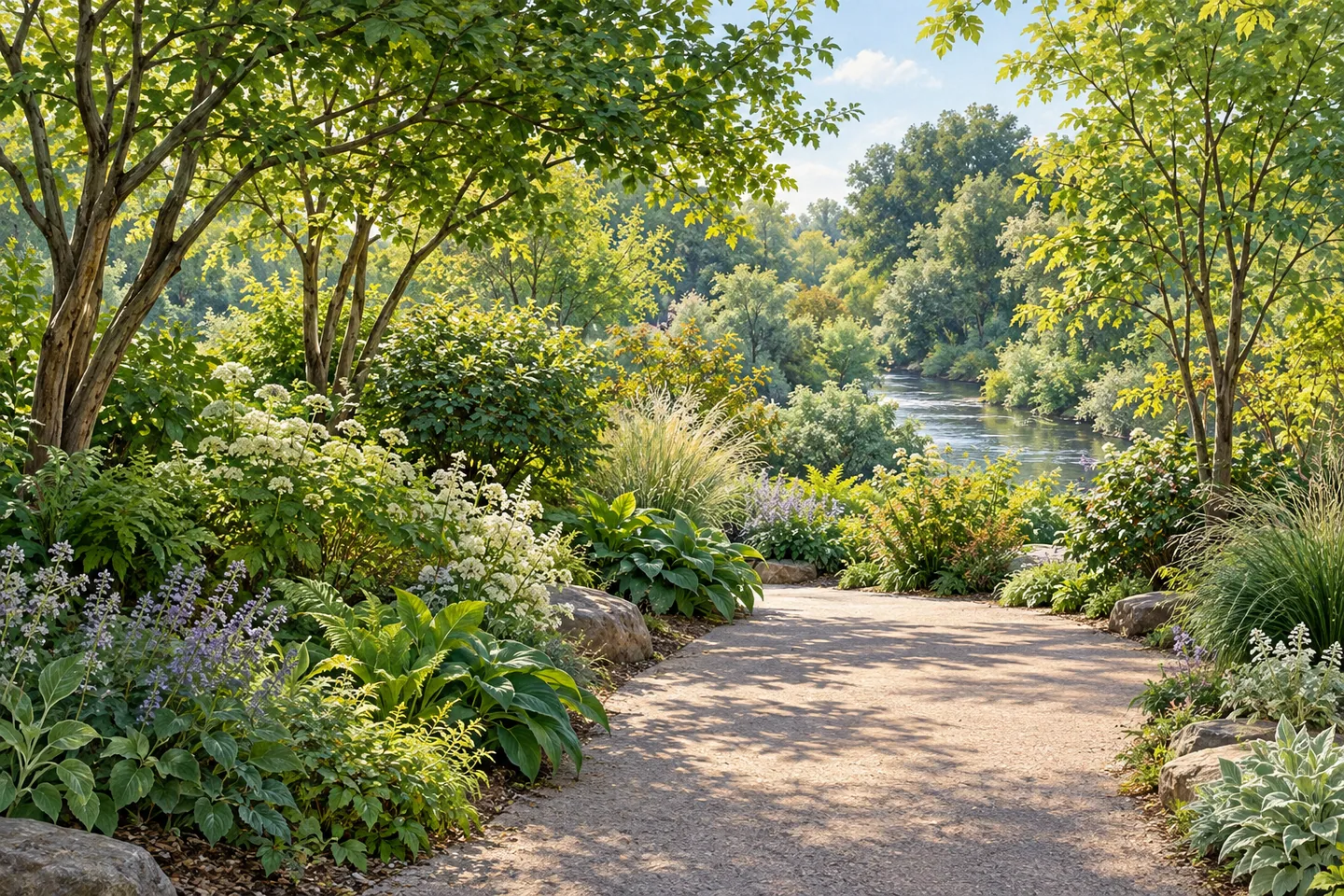
Concrete Plant Park brings two different kinds of growth into view beside the Bronx River. Remnants of an industrial site stand within a public landscape of paths, planting and places to pause. The Bronx River Foodway adds another layer, using a garden to explore the relationship between plants and everyday food. Together, they make a visit an opportunity to look at both the working waterfront’s past and the care shaping its present.
The park occupies the site of a former concrete facility. Local organizations and NYC Parks worked to turn the abandoned industrial ground into public waterfront space and a link in the Bronx River Greenway. A Long Island Sound Partnership account dates the park’s establishment to 2009. Retained structures give the place its distinctive outline, keeping the earlier use visible within the new landscape. Their scale and materials make an immediate contrast with the softer forms of the garden.
That contrast rewards a slow walk. Look at the way an industrial remnant frames sky or water, then at how planting changes the ground around it. The park’s identity comes partly from placing these forms together. A path can connect a view of the river with a closer look at foliage, making the transition between broad waterfront space and garden detail part of the experience.
The Foodway began as a NYC Parks pilot project in 2017. Its question was how a sustainable food landscape could become part of a public park. The Bronx River Alliance describes a varied collection of plants, including native berries, nut trees, kitchen herbs and familiar vegetables. Their value here extends beyond what they produce: the garden introduces different plant forms, growing patterns and relationships between people and the landscape.
For families, that offers a straightforward way to look more closely. Compare a tree canopy with a low herb bed, or notice how leaves and stems differ across the planting. A garden containing recognizable food plants can prompt questions about where ingredients come from and how they grow. Follow the garden’s signs and the guidance of its educators when learning about individual plants, leaving identification and any handling to an organized activity.
Care is another visible part of the Foodway’s story. The Alliance’s dated 2026 stewardship listings describe work such as weeding, spreading mulch and planting. A 2024 funding-partner account also discusses workshops and community involvement in maintaining the garden. These accounts place the Foodway within an ongoing process of growing, teaching and tending. The garden changes through that work and through the seasons, giving repeat visits different details to notice.
The setting beside the Bronx River connects those small garden observations with a wider landscape. The Alliance presents Concrete Plant Park as part of its Greenway network and runs activities here through its event programme. Use the current calendar if a guided garden session or stewardship day is central to your visit; a dated listing describes a particular occasion rather than a standing daily programme.
For an independent visit, keep to public paths and appreciate the industrial structures from the ground. Photographs can place foliage in the foreground with the older forms or river beyond, showing the layers that make this park distinctive. Concrete Plant Park is especially rewarding when you give equal attention to the large surviving structures and the quieter, living details around them.
Fun facts
- The park was established in 2009 at a former concrete facility.
- The Bronx River Foodway began as a NYC Parks pilot in 2017.
- The Foodway includes native berries, nut trees, herbs and vegetables.
- Its stewardship programme includes planting, mulching and weeding.
Before you go
- Use the current Bronx River Alliance calendar for guided garden activities.
- Learn about plants through signs and educators, keeping to public paths.
- View industrial remnants from the ground and respect marked boundaries.
Capture
- Combine garden foliage with an industrial remnant in the background from a public path.
- Use the river as a broad backdrop for a wider landscape photograph without entering shoreline planting.
 Amboy 4-H Environmental Education Center
 Hunts Point Riverside Park
 Stuyvesant Cove Park
Social
Concrete Plant Park pairs industrial remnants with a living Bronx River garden. #Cre8Travel
The former concrete facility became a public park in 2009.
The Bronx River Foodway began as a public-landscape pilot in 2017.
Notice the contrast between a tree canopy and low herb planting.
Garden care here includes planting, mulching and weeding.
Check the Alliance’s current calendar for a guided learning session.
Keep to public paths when observing plants and industrial structures.
Which catches your attention first: the old machinery forms or the garden?
Hashtags