 Cre8Travel
CRE8TRAVEL · NEW YORK PLACES
Arcade and Attica Railroad Depot
Arcade and Attica Railroad Depot: The Journey Before the Train
Discover
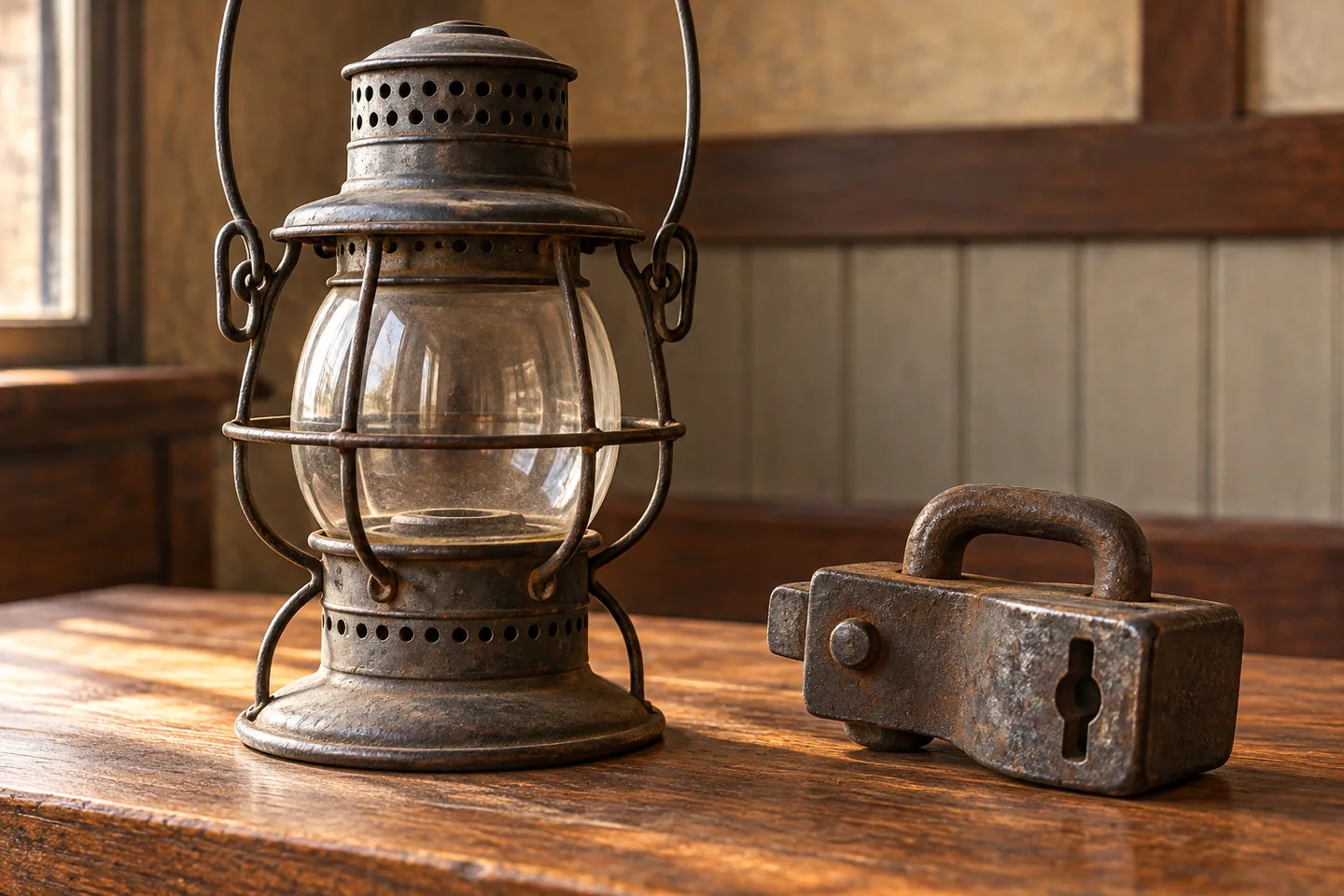
A railway journey can begin with an object small enough to hold in one hand. At the Arcade and Attica Railroad Depot, antique lanterns and switch locks introduce the working world behind the trains. The historic station on Main Street in Arcade is the departure point for the railroad's passenger excursions, but its exhibits make the building a subject in its own right. Before thinking about a seat on a train, spend some attention on the things that helped a railway function.
The operator describes a station display that includes an old switch stand and original photographs as well as those smaller pieces of equipment. Together, they invite a change of scale. A photograph sets a scene; a lock or lantern brings attention back to a specific task. Look for differences in material, shape and wear rather than expecting every object to tell its entire story at first glance. The depot gives railway history a close-up view before the landscape takes over.
This is also a station attached to a working short line. The Arcade and Attica carries freight as well as passengers, so the setting is connected with ongoing railway activity rather than only a preserved image of the past. That distinction helps explain the appeal of the exhibits: ordinary equipment becomes more interesting when its practical purpose remains part of the larger story. Displays and photographs offer historical context; the railroad beyond them continues to have a transport role.
For passengers, the ticket office marks another step between the station and the journey. The operator also identifies a small gift shop and snack bar in the depot. Treat these as part of the departure setting, allowing room to look at the exhibits before boarding arrangements require attention. Visiting the station and booking an excursion are related plans, but a display description does not establish unrestricted access at every hour. Check the operator's current arrangements when planning specifically around the building.
The wider excursion provides context for the depot's place on the line. The railroad describes a trip of more than ninety minutes through countryside toward Curriers Depot and back to Arcade. Its account connects that rural route with a line laid in the 1880s. Curriers is a separate stop on that journey, not another name for the Arcade station. If a ride is part of the day, let it extend the depot story rather than replace the time spent looking at the station itself.
Locomotive history adds another layer. The operator identifies Steam Engine No. 18 alongside diesel-electric equipment. Two General Electric locomotives have distinct histories: No. 111 was built in 1947 and delivered new to the Arcade and Attica, while No. 112 was built in 1945 and acquired by the railroad in 1988. Steam and diesel therefore belong to the same continuing railway story here. A particular locomotive or excursion format should be confirmed with the current operator rather than assumed from a historic description.
At the depot, the most useful question may be a simple one: what did this object help someone do? Follow it from a lantern to a photograph, then from the station to the idea of the route beyond. Arcade's railway story becomes easier to read when the small working details receive as much attention as the engines.
Fun facts
- The station exhibits include antique lanterns, switch locks, an old switch stand and original photographs.
- The Arcade and Attica operates as a short line carrying freight as well as passengers.
- General Electric No. 111 was built in 1947; No. 112 was built in 1945 and acquired by the railroad in 1988.
Before you go
- Allow time for station exhibits before excursion boarding arrangements require attention.
- Confirm current depot access and excursion arrangements with the operator.
- Keep Arcade Depot and the separate Curriers Depot stop distinct in your plan.
Capture
- Use a close composition of a displayed object and its material details where photography is permitted.
- Compare the scale of small railway equipment with the broader station setting.
- Avoid entering working railway areas to obtain a photograph.
 6BC Botanical Garden
 Hunts Point Landing
 Edge
Social
At Arcade Depot, the journey starts with lanterns, locks and original railway photographs. #Cre8Travel
An old switch stand brings attention to the practical work behind a railway.
The Arcade and Attica is a short line with freight and passenger roles.
The ticket office belongs to a station that is more than a backdrop to a train.
A countryside excursion connects Arcade with the separate Curriers Depot stop.
Steam Engine No. 18 and diesel-electric equipment tell different chapters of the line’s history.
General Electric No. 111 was delivered new in 1947; No. 112 joined the railroad in 1988.
Which detail would catch your eye first: a lantern, an old photograph or the switch stand?
Hashtags