
photo checklist
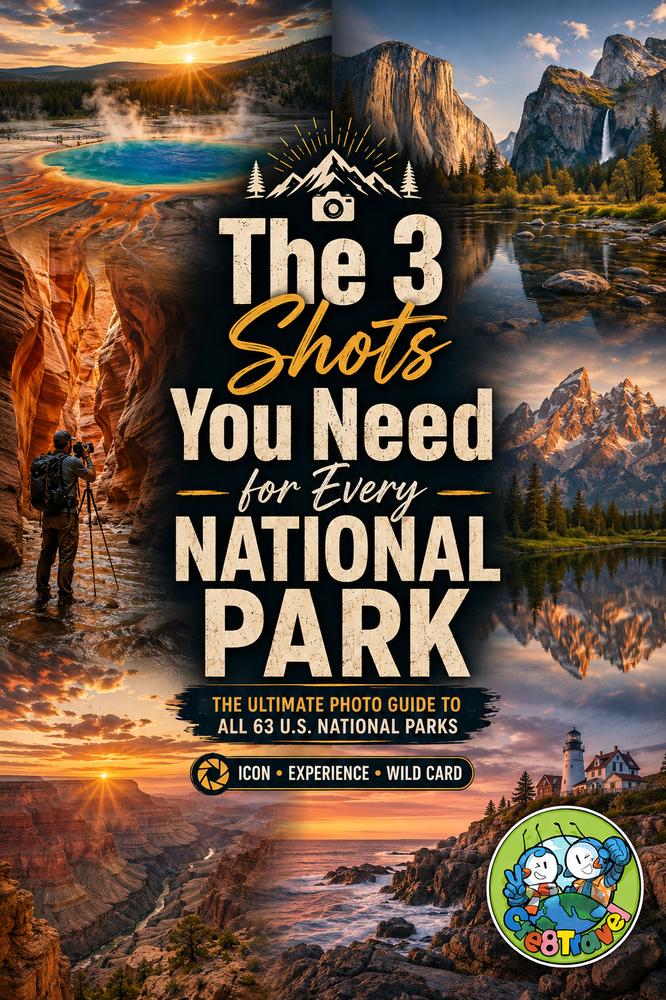
A Cre8Travel photography series built around three images per park:
-
🏆 The Icon — the photograph that instantly says where you are.
-
🥾 The Experience — the image that captures what it feels like to be there.
-
✨ The Wild Card — wildlife, weather, detail, night sky, underwater scene, or a less-obvious composition.
Each shot includes where to shoot, best light, lens sweet spot, access, why it works, and one practical photo tip.
Important: Light, weather, wildlife, volcanic activity, road access, permits and trail conditions change. Treat these as creative shooting guides, then verify current park conditions before the trip.
1. Acadia National Park
Maine
🏆 The Icon: Cadillac Mountain Sunrise
📍 Where: Cadillac Mountain summit area
🌅 Best Light: Sunrise / early morning
🔭 Lens: 24–70mm or phone wide
🚶 Access: Road + short walk
✨ Why It Works: The Atlantic, islands and granite ridges unfold beneath first light.
💡 Cre8Travel Photo Tip: Reserve/plan summit access when required and arrive before the color begins.
🥾 The Experience: Ocean Path + Thunder Hole
📍 Where: Ocean Path between Sand Beach and Otter Point
🌅 Best Light: Morning or late afternoon
🔭 Lens: 24–70mm
🚶 Access: Easy coastal walk
✨ Why It Works: Granite cliffs, surf and spruce forest capture Acadia’s coastal personality.
💡 Cre8Travel Photo Tip: Use waves as motion, but keep a safe distance from wet ledges.
✨ The Wild Card: Jordan Pond + The Bubbles
📍 Where: Jordan Pond south shore
🌅 Best Light: Early morning
🔭 Lens: 35–85mm
🚶 Access: Easy
✨ Why It Works: Still water can mirror The Bubbles and surrounding forest.
💡 Cre8Travel Photo Tip: A longer focal length compresses the mountains and strengthens reflections.
2. National Park of American Samoa
American Samoa
🏆 The Icon: Pola Island from Vatia
📍 Where: Vatia / Pola Island viewpoint area
🌅 Best Light: Morning
🔭 Lens: 24–70mm
🚶 Access: Roadside + short walk
✨ Why It Works: Steep green volcanic ridges dropping into the South Pacific immediately say American Samoa.
💡 Cre8Travel Photo Tip: Use foreground vegetation to frame the offshore rock.
🥾 The Experience: Mount Alava Ridge View
📍 Where: Mount Alava Trail
🌅 Best Light: Morning
🔭 Lens: 24–70mm
🚶 Access: Strenuous hike
✨ Why It Works: The high ridge reveals Pago Pago Harbor and lush island topography.
💡 Cre8Travel Photo Tip: Humidity is intense; carry water and protect gear from sudden rain.
✨ The Wild Card: Ofu Beach Lagoon
📍 Where: Ofu Island coastline
🌅 Best Light: Late morning for water color
🔭 Lens: Wide-angle / action camera
🚶 Access: Remote access
✨ Why It Works: Coral lagoon, white sand and volcanic peaks create one of the system’s most tropical images.
💡 Cre8Travel Photo Tip: A polarizer can deepen water color, but avoid over-darkening the sky.
3. Arches National Park
Utah
🏆 The Icon: Delicate Arch at Sunset
📍 Where: Delicate Arch viewpoint at the end of the trail
🌅 Best Light: Golden hour / sunset
🔭 Lens: 24–70mm
🚶 Access: Moderate hike
✨ Why It Works: The freestanding arch glowing against distant mesas is Utah’s postcard.
💡 Cre8Travel Photo Tip: Stay through afterglow instead of leaving the instant the sun drops.
🥾 The Experience: The Windows at Sunrise
📍 Where: Windows Section
🌅 Best Light: Sunrise
🔭 Lens: 16–35mm
🚶 Access: Short walks
✨ Why It Works: North Window, South Window and Turret Arch let you work close to the stone.
💡 Cre8Travel Photo Tip: Use people sparingly to communicate scale.
✨ The Wild Card: Milky Way at Double Arch
📍 Where: Double Arch / Windows area
🌅 Best Light: Moonless night
🔭 Lens: 14–24mm
🚶 Access: Short walk
✨ Why It Works: The arches become giant natural frames for the night sky.
💡 Cre8Travel Photo Tip: Scout the composition in daylight and use a tripod.
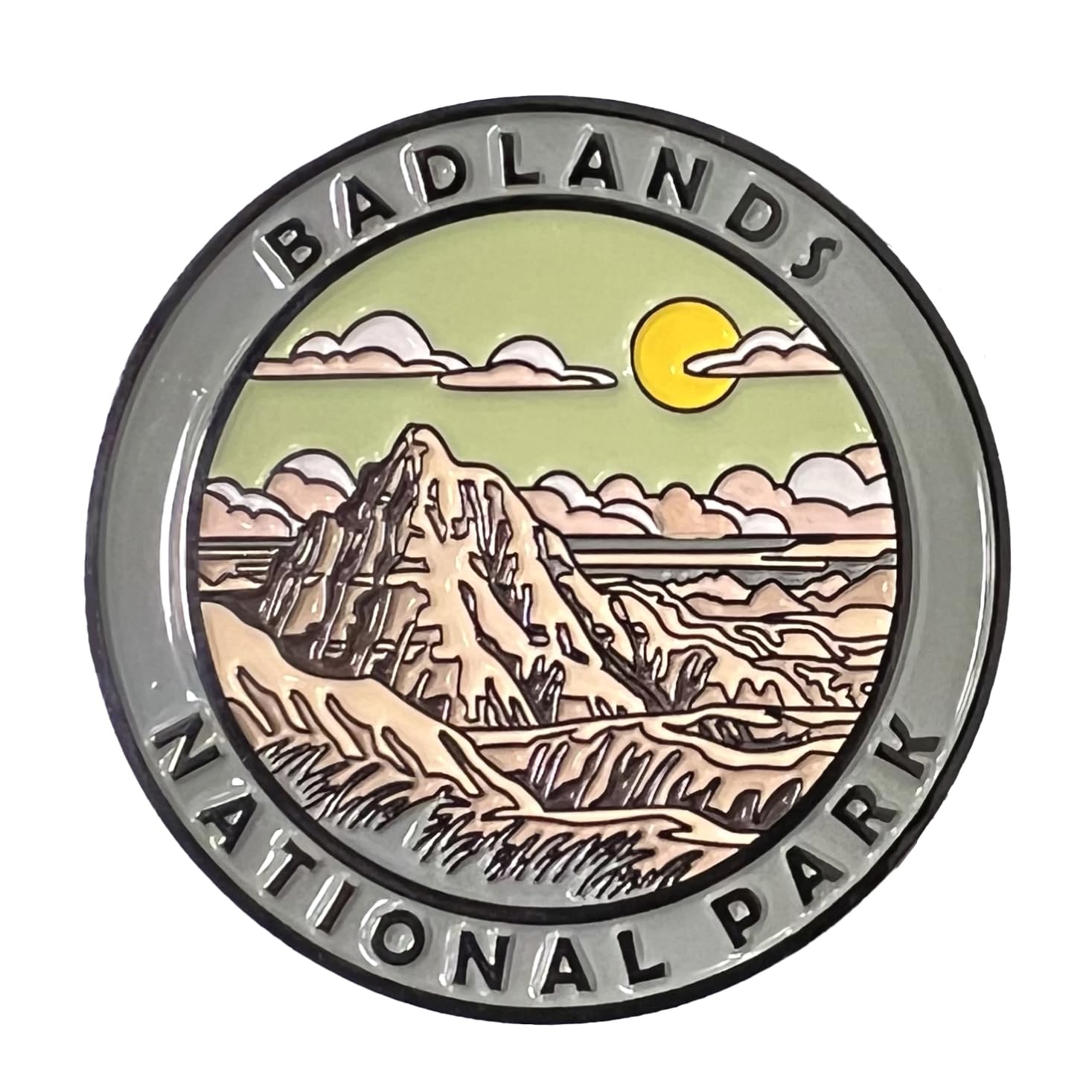
4. Badlands National Park
South Dakota
🏆 The Icon: Pinnacles Overlook Sunrise
📍 Where: Pinnacles Overlook
🌅 Best Light: Sunrise
🔭 Lens: 24–70mm
🚶 Access: Roadside
✨ Why It Works: Low-angle light reveals the striped textures of the badlands.
💡 Cre8Travel Photo Tip: Expose for highlights and let shadows keep the formations sculptural.
🥾 The Experience: Notch Trail Ladder
📍 Where: Notch Trail
🌅 Best Light: Morning
🔭 Lens: 16–35mm
🚶 Access: Moderate hike
✨ Why It Works: The ladder and cliff route make the landscape feel adventurous rather than distant.
💡 Cre8Travel Photo Tip: Photograph a hiker on the ladder for scale and story.
✨ The Wild Card: Bison in Sage Creek
📍 Where: Sage Creek Rim Road area
🌅 Best Light: Dawn / dusk
🔭 Lens: Telephoto
🚶 Access: Roadside wildlife viewing
✨ Why It Works: Bison against prairie and eroded formations gives the park a living dimension.
💡 Cre8Travel Photo Tip: Stay in your vehicle or maintain required wildlife distance.
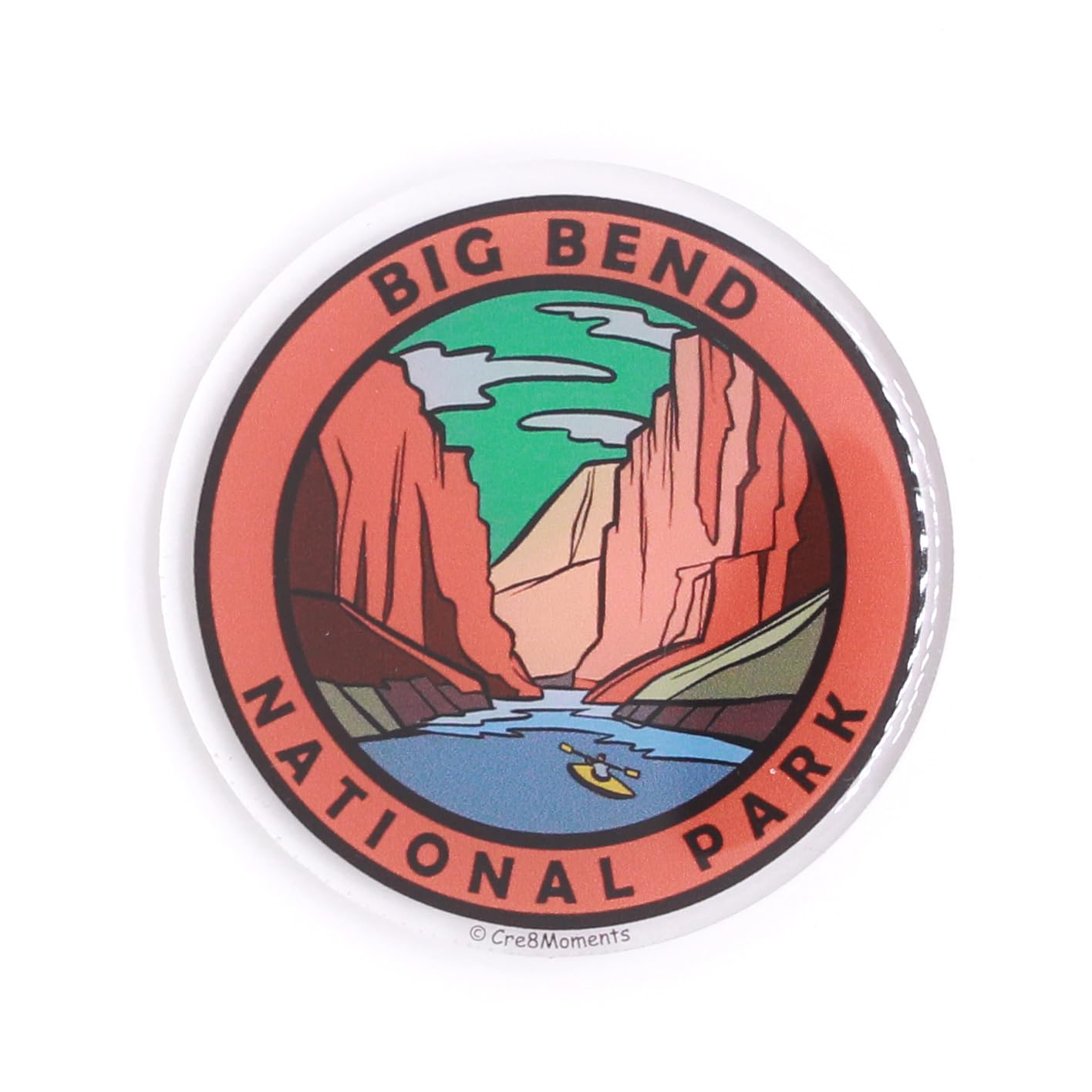
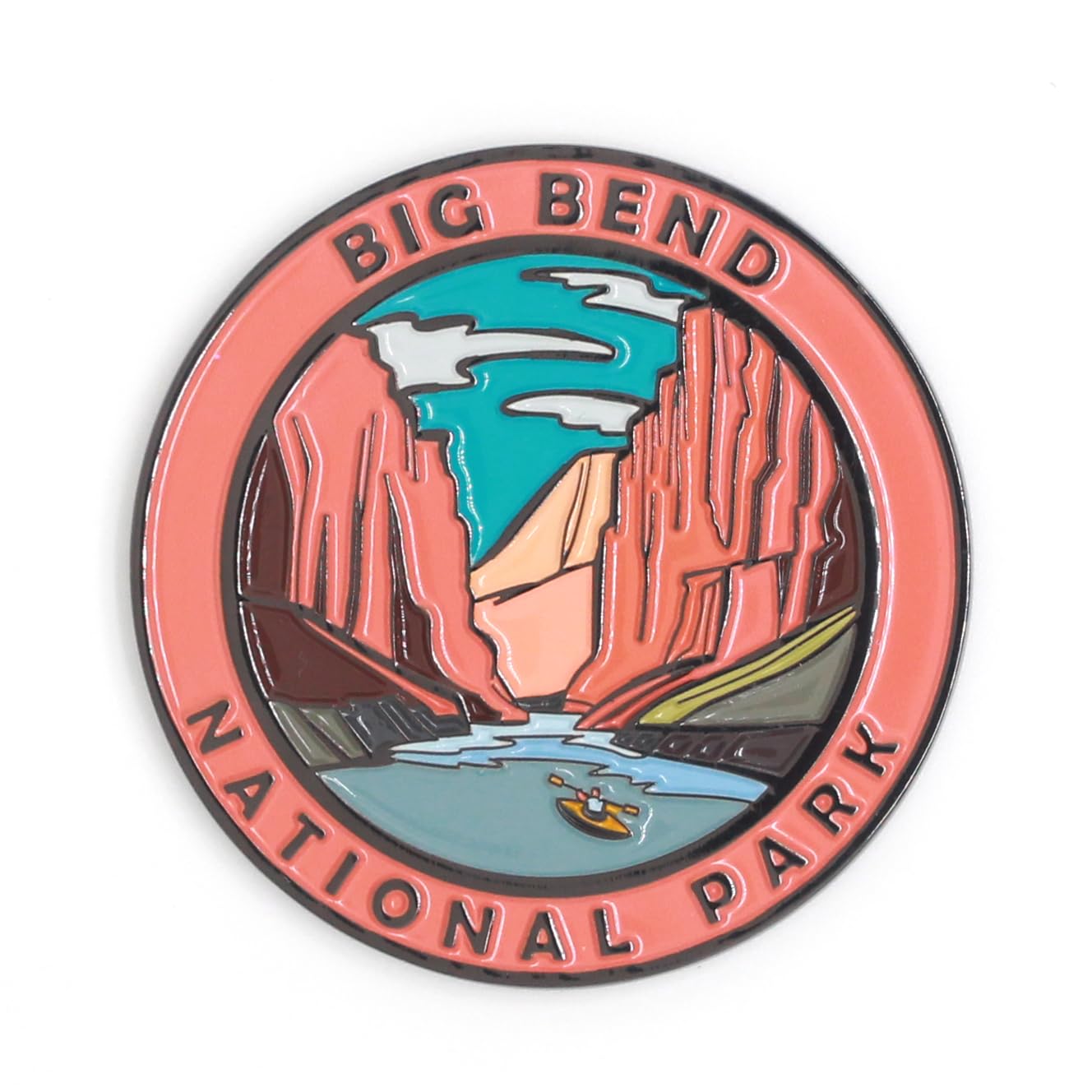
5. Big Bend National Park
Texas
🏆 The Icon: Santa Elena Canyon
📍 Where: Santa Elena Canyon trail / river edge
🌅 Best Light: Morning or late afternoon
🔭 Lens: 16–35mm
🚶 Access: Easy–moderate walk
✨ Why It Works: The Rio Grande slices between enormous limestone walls.
💡 Cre8Travel Photo Tip: Use the river as a leading line into the canyon.
🥾 The Experience: Lost Mine Trail View
📍 Where: Lost Mine Trail
🌅 Best Light: Morning
🔭 Lens: 24–70mm
🚶 Access: Moderate hike
✨ Why It Works: Layered Chisos peaks show Big Bend is more than desert flats.
💡 Cre8Travel Photo Tip: Start early for cooler temperatures and cleaner light.
✨ The Wild Card: The Window at Sunset
📍 Where: Chisos Basin Window View / trail area
🌅 Best Light: Sunset
🔭 Lens: 35–85mm
🚶 Access: Easy
✨ Why It Works: The natural V-shaped opening funnels the sunset into a perfect frame.
💡 Cre8Travel Photo Tip: Underexpose slightly to preserve sky color.
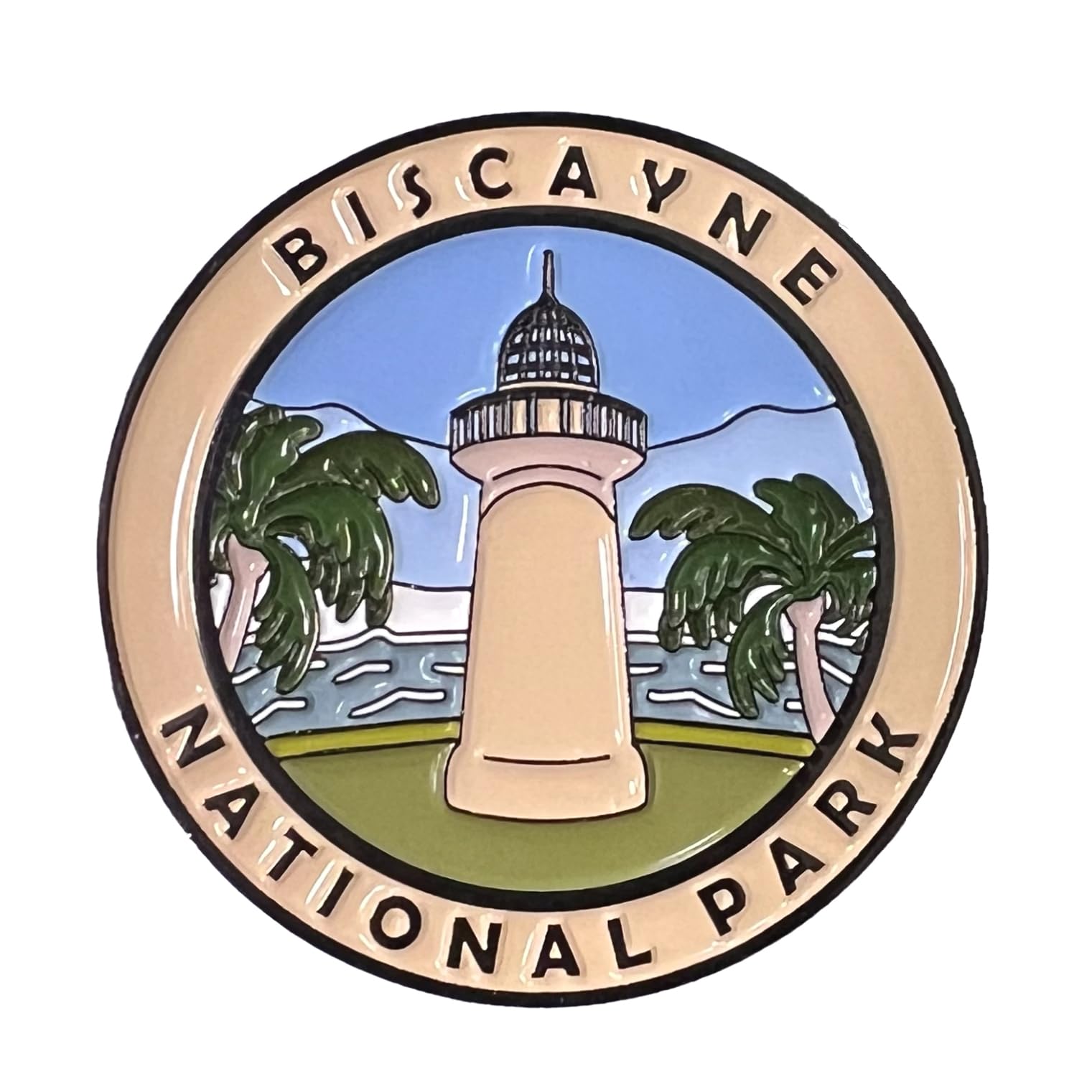
6. Biscayne National Park
Florida
🏆 The Icon: Boca Chita Lighthouse
📍 Where: Boca Chita Key
🌅 Best Light: Late afternoon
🔭 Lens: 24–70mm
🚶 Access: Boat access
✨ Why It Works: The small lighthouse, palms and turquoise bay instantly communicate Biscayne.
💡 Cre8Travel Photo Tip: Include dock or shoreline as foreground for depth.
🥾 The Experience: Coral Reef Snorkel
📍 Where: Guided reef trip
🌅 Best Light: Late morning
🔭 Lens: Underwater wide-angle / action camera
🚶 Access: Boat + snorkel
✨ Why It Works: Fish, coral and clear water reveal the park’s true underwater identity.
💡 Cre8Travel Photo Tip: Get close, shoot level with marine life, and avoid touching coral.
✨ The Wild Card: Maritime Heritage Wreck
📍 Where: Maritime Heritage Trail
🌅 Best Light: Midday underwater
🔭 Lens: Wide-angle underwater
🚶 Access: Boat + snorkel/dive
✨ Why It Works: Shipwreck structure adds history and mystery beneath the water.
💡 Cre8Travel Photo Tip: Use ambient light and keep bubbles/people in frame for scale.
7. Black Canyon of the Gunnison National Park
Colorado
🏆 The Icon: Painted Wall
📍 Where: Painted Wall View on South Rim Road
🌅 Best Light: Late afternoon
🔭 Lens: 24–70mm
🚶 Access: Roadside + short walk
✨ Why It Works: The light-colored pegmatite streaks make the canyon wall instantly recognizable.
💡 Cre8Travel Photo Tip: Include a sliver of rim vegetation to show scale.
🥾 The Experience: Chasm View
📍 Where: Chasm View overlook
🌅 Best Light: Morning / late afternoon
🔭 Lens: 16–35mm
🚶 Access: Short walk
✨ Why It Works: The narrow gorge emphasizes the canyon’s extreme depth and steepness.
💡 Cre8Travel Photo Tip: Avoid flattening the scene; use foreground rock to create layers.
✨ The Wild Card: Milky Way Over the Rim
📍 Where: South Rim dark-sky viewpoints
🌅 Best Light: Night
🔭 Lens: 14–24mm
🚶 Access: Roadside / short walk
✨ Why It Works: Dark skies above an already black canyon create a dramatic night composition.
💡 Cre8Travel Photo Tip: Scout safely before dark and keep well back from edges.
8. Bryce Canyon National Park
Utah
🏆 The Icon: Bryce Amphitheater Sunrise
📍 Where: Sunrise Point / Inspiration Point
🌅 Best Light: Sunrise
🔭 Lens: 24–70mm
🚶 Access: Easy
✨ Why It Works: First light makes thousands of hoodoos glow orange and pink.
💡 Cre8Travel Photo Tip: Side light creates more depth than a colorful sky alone.
🥾 The Experience: Inside Navajo Loop
📍 Where: Navajo Loop / Queen’s Garden
🌅 Best Light: Morning
🔭 Lens: 16–35mm
🚶 Access: Moderate hike
✨ Why It Works: Walking between hoodoos makes their scale and texture much more powerful.
💡 Cre8Travel Photo Tip: Use a hiker as a small figure within the stone forest.
✨ The Wild Card: Thor’s Hammer
📍 Where: Navajo Loop area
🌅 Best Light: Morning / late afternoon
🔭 Lens: 70–200mm
🚶 Access: Moderate hike
✨ Why It Works: The isolated hoodoo gives the landscape a memorable character.
💡 Cre8Travel Photo Tip: A longer lens separates it cleanly from background clutter.
9. Canyonlands National Park
Utah
🏆 The Icon: Mesa Arch at Dawn
📍 Where: Mesa Arch, Island in the Sky
🌅 Best Light: Sunrise
🔭 Lens: 16–35mm
🚶 Access: Short walk
✨ Why It Works: Sunlight can ignite the underside of the arch above canyon country.
💡 Cre8Travel Photo Tip: Arrive well before sunrise because the small shooting area fills quickly.
🥾 The Experience: Grand View Point
📍 Where: Grand View Point Trail
🌅 Best Light: Late afternoon
🔭 Lens: 24–70mm
🚶 Access: Easy–moderate walk
✨ Why It Works: The trail reveals layers of mesas and canyons stretching to the horizon.
💡 Cre8Travel Photo Tip: Include a person or rim edge so the vast scale reads in a photo.
✨ The Wild Card: Chesler Park Needles
📍 Where: The Needles district
🌅 Best Light: Golden hour
🔭 Lens: 16–35mm
🚶 Access: Long hike
✨ Why It Works: Sandstone spires and grasslands show a completely different Canyonlands.
💡 Cre8Travel Photo Tip: Treat this as a full hiking-photo mission, not a quick pullout.
10. Capitol Reef National Park
Utah
🏆 The Icon: Fruita Orchards + Red Cliffs
📍 Where: Fruita Historic District
🌅 Best Light: Morning / late afternoon
🔭 Lens: 24–70mm
🚶 Access: Roadside + easy walks
✨ Why It Works: Green orchards beneath red cliffs create a look unlike Utah’s other parks.
💡 Cre8Travel Photo Tip: Use fences, barns or fruit trees as foreground.
🥾 The Experience: Cassidy Arch
📍 Where: Cassidy Arch Trail
🌅 Best Light: Morning
🔭 Lens: 16–35mm
🚶 Access: Moderate–strenuous hike
✨ Why It Works: Standing near the arch places you inside Capitol Reef’s folded sandstone terrain.
💡 Cre8Travel Photo Tip: Shoot from a safe angle that shows both arch and canyon below.
✨ The Wild Card: Temple of the Sun
📍 Where: Cathedral Valley
🌅 Best Light: Sunrise / sunset
🔭 Lens: 24–70mm
🚶 Access: Remote high-clearance route
✨ Why It Works: Monoliths rising from open desert feel cinematic and isolated.
💡 Cre8Travel Photo Tip: Only attempt with appropriate vehicle, weather and route preparation.
11. Carlsbad Caverns National Park
New Mexico
🏆 The Icon: Big Room Formations
📍 Where: Big Room
🌅 Best Light: Any open hours
🔭 Lens: Wide-angle fast lens
🚶 Access: Paved cave route
✨ Why It Works: Enormous chambers and formations communicate the cave’s scale.
💡 Cre8Travel Photo Tip: Stabilize carefully and avoid flash-heavy, flat lighting.
🥾 The Experience: Natural Entrance Descent
📍 Where: Natural Entrance Trail
🌅 Best Light: Midday exterior / cave ambient
🔭 Lens: 16–35mm
🚶 Access: Steep paved descent
✨ Why It Works: The transition from desert daylight into darkness tells the park’s story.
💡 Cre8Travel Photo Tip: Photograph the entrance with people for scale before descending.
✨ The Wild Card: Chihuahuan Desert Sunset
📍 Where: Walnut Canyon Desert Drive / surface viewpoints
🌅 Best Light: Sunset
🔭 Lens: 24–70mm
🚶 Access: Roadside
✨ Why It Works: The surface desert is an overlooked contrast to the world underground.
💡 Cre8Travel Photo Tip: Use yucca or desert plants as silhouette foreground.
12. Channel Islands National Park
California
🏆 The Icon: Inspiration Point
📍 Where: Anacapa Island Inspiration Point
🌅 Best Light: Morning / afternoon
🔭 Lens: 16–35mm
🚶 Access: Boat + moderate walk
✨ Why It Works: A chain of rugged islets stretching into blue Pacific water defines the park.
💡 Cre8Travel Photo Tip: Use the curving island chain as a natural leading line.
🥾 The Experience: Sea Cave Kayaking
📍 Where: Santa Cruz Island / Scorpion area
🌅 Best Light: Morning
🔭 Lens: Action camera / wide-angle
🚶 Access: Boat + guided kayak
✨ Why It Works: Paddlers under sea cliffs make the marine landscape feel immersive.
💡 Cre8Travel Photo Tip: Protect gear from spray and include kayak bow for point-of-view storytelling.
✨ The Wild Card: Island Fox Portrait
📍 Where: Santa Cruz Island
🌅 Best Light: Morning / late afternoon
🔭 Lens: Telephoto
🚶 Access: Easy around developed areas
✨ Why It Works: The tiny endemic fox is one of the park’s most distinctive subjects.
💡 Cre8Travel Photo Tip: Never lure or crowd wildlife; photograph natural behavior.
13. Congaree National Park
South Carolina
🏆 The Icon: Boardwalk Through Old-Growth Forest
📍 Where: Boardwalk Loop
🌅 Best Light: Morning
🔭 Lens: 24–70mm
🚶 Access: Easy boardwalk
✨ Why It Works: Elevated walkway disappearing into giant trees gives immediate depth.
💡 Cre8Travel Photo Tip: Use the boardwalk as a strong leading line.
🥾 The Experience: Cedar Creek Paddle
📍 Where: Cedar Creek Canoe Trail
🌅 Best Light: Morning
🔭 Lens: Wide-angle / phone
🚶 Access: Canoe or kayak
✨ Why It Works: Reflections, cypress knees and blackwater create a quiet immersive scene.
💡 Cre8Travel Photo Tip: Keep the camera low to the water for stronger reflections.
✨ The Wild Card: Bald Cypress Reflections
📍 Where: Weston Lake / floodplain
🌅 Best Light: Still morning
🔭 Lens: 35–85mm
🚶 Access: Easy–moderate walk
✨ Why It Works: Calm water can turn trunks and knees into graphic patterns.
💡 Cre8Travel Photo Tip: A polarizer can help control glare, but don’t remove all reflection.
14. Crater Lake National Park
Oregon
🏆 The Icon: Wizard Island from the Rim
📍 Where: Watchman / Discovery Point area
🌅 Best Light: Morning
🔭 Lens: 24–70mm
🚶 Access: Roadside + short walk
✨ Why It Works: The island floating in impossibly blue water is Crater Lake’s defining view.
💡 Cre8Travel Photo Tip: Avoid midday haze when possible and preserve highlight detail in snow.
🥾 The Experience: Rim Drive Viewpoints
📍 Where: Multiple rim overlooks
🌅 Best Light: Morning / late afternoon
🔭 Lens: 24–70mm
🚶 Access: Roadside
✨ Why It Works: Changing angles reveal the caldera’s scale and cliff geometry.
💡 Cre8Travel Photo Tip: Stop at several overlooks rather than chasing one ‘best’ view.
✨ The Wild Card: Stars Over the Caldera
📍 Where: Open rim viewpoints
🌅 Best Light: Night
🔭 Lens: 14–24mm
🚶 Access: Roadside / short walk
✨ Why It Works: Dark skies and the circular lake make a striking celestial composition.
💡 Cre8Travel Photo Tip: Check moon phase and cold-weather conditions even in summer.
15. Cuyahoga Valley National Park
Ohio
🏆 The Icon: Brandywine Falls
📍 Where: Brandywine Falls boardwalk viewpoints
🌅 Best Light: Overcast / early morning
🔭 Lens: 24–70mm
🚶 Access: Easy boardwalk
✨ Why It Works: Layered water over sandstone is the park’s most recognizable scene.
💡 Cre8Travel Photo Tip: Overcast light helps keep waterfall highlights controlled.
🥾 The Experience: The Ledges
📍 Where: Ledges Trail
🌅 Best Light: Late afternoon
🔭 Lens: 16–35mm
🚶 Access: Easy–moderate hike
✨ Why It Works: Mossy rock passages reveal a more intimate side of the park.
💡 Cre8Travel Photo Tip: Use hikers to show the narrow scale of sandstone corridors.
✨ The Wild Card: Everett Covered Bridge in Fall
📍 Where: Everett Road Covered Bridge
🌅 Best Light: Late afternoon
🔭 Lens: 35–85mm
🚶 Access: Easy
✨ Why It Works: Historic architecture surrounded by autumn color adds story and season.
💡 Cre8Travel Photo Tip: Frame the bridge through foliage rather than centering it mechanically.
16. Death Valley National Park
California & Nevada
🏆 The Icon: Zabriskie Point Sunrise
📍 Where: Zabriskie Point
🌅 Best Light: Sunrise
🔭 Lens: 24–70mm
🚶 Access: Roadside + short walk
✨ Why It Works: Raking light transforms eroded badlands into waves of gold and shadow.
💡 Cre8Travel Photo Tip: Arrive before dawn and stay after sunrise as color keeps changing.
🥾 The Experience: Mesquite Flat Sand Dunes
📍 Where: Stovepipe Wells dunes
🌅 Best Light: Sunrise / sunset
🔭 Lens: 24–70mm
🚶 Access: Moderate sand walk
✨ Why It Works: Curves, footprints and shadow patterns capture the desert’s abstract side.
💡 Cre8Travel Photo Tip: Walk away from the busiest entry line for cleaner dune ridges.
✨ The Wild Card: Artists Palette
📍 Where: Artists Drive / Artists Palette
🌅 Best Light: Late afternoon
🔭 Lens: 70–200mm
🚶 Access: Roadside
✨ Why It Works: Mineral colors turn the hills into natural color fields.
💡 Cre8Travel Photo Tip: Use a longer lens to isolate color layers rather than showing everything.
17. Denali National Park
Alaska
🏆 The Icon: Denali Above the Tundra
📍 Where: Accessible Park Road viewpoints when the mountain is visible
🌅 Best Light: Morning / clear weather
🔭 Lens: 70–200mm
🚶 Access: Transit/roadside
✨ Why It Works: North America’s highest peak rising above tundra is the classic Denali image.
💡 Cre8Travel Photo Tip: Clouds are common, so treat clear mountain views as a bonus, not a guarantee.
🥾 The Experience: Wildlife Along the Park Road
📍 Where: Park Road wildlife-viewing corridor
🌅 Best Light: Dawn / morning
🔭 Lens: Telephoto
🚶 Access: Bus/transit wildlife viewing
✨ Why It Works: Caribou, moose, bears and Dall sheep make the road feel like a safari.
💡 Cre8Travel Photo Tip: Keep the lens ready and photograph animals within the larger landscape.
✨ The Wild Card: Savage River Landscape
📍 Where: Savage River area
🌅 Best Light: Golden hour
🔭 Lens: 24–70mm
🚶 Access: Easy–moderate hike
✨ Why It Works: Braided river, tundra and mountains show Denali beyond the single peak.
💡 Cre8Travel Photo Tip: Use the river as a leading line toward distant ridges.
18. Dry Tortugas National Park
Florida
🏆 The Icon: Fort Jefferson from Above
📍 Where: Seaplane approach / aerial view
🌅 Best Light: Late morning
🔭 Lens: 24–70mm
🚶 Access: Seaplane
✨ Why It Works: The geometric brick fort surrounded by turquoise water is unforgettable.
💡 Cre8Travel Photo Tip: Shoot through a clean window and use fast shutter speed.
🥾 The Experience: Moat Wall + Fort
📍 Where: Moat walk around Fort Jefferson
🌅 Best Light: Morning / afternoon
🔭 Lens: 16–35mm
🚶 Access: Easy walk
✨ Why It Works: Brick walls against blue sea deliver strong color and geometry.
💡 Cre8Travel Photo Tip: Use the wall as a leading line toward the fort.
✨ The Wild Card: Snorkeling the Fort Pilings
📍 Where: Garden Key snorkel areas
🌅 Best Light: Midday
🔭 Lens: Underwater wide-angle
🚶 Access: Easy snorkel
✨ Why It Works: Fish and historic structures combine marine life with human history.
💡 Cre8Travel Photo Tip: Stay shallow, use ambient light and keep the fort structure visible.
19. Everglades National Park
Florida
🏆 The Icon: Alligator on Anhinga Trail
📍 Where: Anhinga Trail
🌅 Best Light: Morning
🔭 Lens: 70–200mm
🚶 Access: Easy boardwalk
✨ Why It Works: Wild alligators beside a boardwalk create an immediate Everglades story.
💡 Cre8Travel Photo Tip: Keep legal distance and never block an animal’s path.
🥾 The Experience: Shark Valley Wetland View
📍 Where: Shark Valley loop / observation area
🌅 Best Light: Morning / late afternoon
🔭 Lens: 24–70mm + telephoto
🚶 Access: Bike/tram/roadside
✨ Why It Works: Open sawgrass, birds and reptiles show the scale of the River of Grass.
💡 Cre8Travel Photo Tip: Alternate wide habitat shots with tighter wildlife frames.
✨ The Wild Card: Flamingo Mangrove Sunset
📍 Where: Flamingo area
🌅 Best Light: Sunset
🔭 Lens: 24–70mm
🚶 Access: Easy
✨ Why It Works: Mangrove silhouettes and pastel skies show a quieter coastal Everglades.
💡 Cre8Travel Photo Tip: Watch for birds crossing the sky to add life to the frame.
20. Gates of the Arctic National Park
Alaska
🏆 The Icon: Brooks Range from the Air
📍 Where: Bush-plane approach
🌅 Best Light: Morning / clear weather
🔭 Lens: 24–70mm
🚶 Access: Flight access
✨ Why It Works: Roadless mountain wilderness stretching to the horizon defines the park.
💡 Cre8Travel Photo Tip: Use a fast shutter and photograph through the cleanest part of the window.
🥾 The Experience: Wild River Camp
📍 Where: Backcountry river corridor such as the Alatna or Noatak
🌅 Best Light: Golden hour
🔭 Lens: 24–70mm
🚶 Access: Expedition
✨ Why It Works: A tent, river and mountains tell the true wilderness story.
💡 Cre8Travel Photo Tip: Include a human-scale element without cluttering the landscape.
✨ The Wild Card: Arrigetch Peaks
📍 Where: Arrigetch Peaks backcountry
🌅 Best Light: Morning / evening
🔭 Lens: 16–35mm
🚶 Access: Expedition hike
✨ Why It Works: Sharp granite spires create one of Alaska’s most dramatic remote compositions.
💡 Cre8Travel Photo Tip: This is an expedition image requiring serious logistics and backcountry skill.
21. Gateway Arch National Park
Missouri
🏆 The Icon: Gateway Arch + Reflecting Pool
📍 Where: Arch grounds / reflecting pool area
🌅 Best Light: Blue hour / evening
🔭 Lens: 16–35mm
🚶 Access: Easy
✨ Why It Works: Symmetry and reflections emphasize the monument’s clean geometry.
💡 Cre8Travel Photo Tip: Centering can work here because the architecture is strongly symmetrical.
🥾 The Experience: Under the Arch Looking Up
📍 Where: Base of Gateway Arch
🌅 Best Light: Morning / blue sky
🔭 Lens: Ultra-wide
🚶 Access: Easy
✨ Why It Works: The curve feels enormous when photographed from directly below.
💡 Cre8Travel Photo Tip: Tilt creatively and let converging lines exaggerate height.
✨ The Wild Card: Arch + Old Courthouse
📍 Where: Kiener Plaza / downtown viewpoints
🌅 Best Light: Golden hour
🔭 Lens: 35–85mm
🚶 Access: Easy city walk
✨ Why It Works: Historic architecture in the foreground adds St. Louis context.
💡 Cre8Travel Photo Tip: Use a longer lens to align courthouse and Arch cleanly.
22. Glacier Bay National Park
Alaska
🏆 The Icon: Tidewater Glacier Face
📍 Where: Day boat / cruise ship near an active tidewater glacier
🌅 Best Light: Overcast / bright morning
🔭 Lens: 70–200mm
🚶 Access: Boat
✨ Why It Works: Blue ice meeting dark water is the park’s defining scene.
💡 Cre8Travel Photo Tip: Leave room around the glacier to show scale and wait for calving only from safe distance.
🥾 The Experience: Humpback Whale in the Bay
📍 Where: Glacier Bay marine waters
🌅 Best Light: Morning / whenever encountered
🔭 Lens: 100–500mm
🚶 Access: Boat
✨ Why It Works: Whales against mountain water make Glacier Bay feel alive.
💡 Cre8Travel Photo Tip: Use fast shutter speed and anticipate where the whale may surface.
✨ The Wild Card: Bartlett Cove Sunset
📍 Where: Bartlett Cove shoreline
🌅 Best Light: Evening
🔭 Lens: 24–70mm
🚶 Access: Easy
✨ Why It Works: Quiet water and distant mountains offer a calm counterpoint to glacier drama.
💡 Cre8Travel Photo Tip: Use driftwood or shoreline rocks as foreground.
23. Glacier National Park
Montana
🏆 The Icon: Wild Goose Island
📍 Where: Wild Goose Island Overlook, St. Mary Lake
🌅 Best Light: Sunrise / early morning
🔭 Lens: 24–70mm
🚶 Access: Roadside
✨ Why It Works: Tiny island, huge lake and serrated peaks create Glacier’s classic composition.
💡 Cre8Travel Photo Tip: Morning light often gives the mountains the strongest dimensionality.
🥾 The Experience: Highline Trail
📍 Where: Highline Trail near Logan Pass
🌅 Best Light: Morning
🔭 Lens: 16–35mm
🚶 Access: Moderate–strenuous hike
✨ Why It Works: A narrow alpine trail beneath huge peaks captures the hiking experience.
💡 Cre8Travel Photo Tip: Include a hiker on the trail to communicate exposure and scale.
✨ The Wild Card: Mountain Goat at Logan Pass
📍 Where: Logan Pass area
🌅 Best Light: Morning / late afternoon
🔭 Lens: Telephoto
🚶 Access: Easy–moderate
✨ Why It Works: White goats against alpine rock are quintessential Glacier wildlife.
💡 Cre8Travel Photo Tip: Give wildlife space and never approach for a cleaner background.
24. Grand Canyon National Park
Arizona
🏆 The Icon: Canyon at Sunrise
📍 Where: Yavapai Point / Mather Point area
🌅 Best Light: Sunrise
🔭 Lens: 24–70mm
🚶 Access: Easy
✨ Why It Works: Layer after layer of canyon depth unfolds as first light reaches the walls.
💡 Cre8Travel Photo Tip: Use a medium focal length to simplify the enormous scene.
🥾 The Experience: South Kaibab Trail
📍 Where: Ooh Aah Point / Cedar Ridge area
🌅 Best Light: Morning
🔭 Lens: 16–35mm
🚶 Access: Moderate–strenuous hike
✨ Why It Works: Being below the rim finally reveals the canyon’s true vertical scale.
💡 Cre8Travel Photo Tip: Turn around often; the best frame may be behind you on the climb.
✨ The Wild Card: Desert View Watchtower
📍 Where: Desert View
🌅 Best Light: Late afternoon
🔭 Lens: 24–70mm
🚶 Access: Easy
✨ Why It Works: The stone tower and Colorado River add human history and depth.
💡 Cre8Travel Photo Tip: Position the tower off-center and let the canyon carry the frame.
25. Grand Teton National Park
Wyoming
🏆 The Icon: Schwabacher Landing Reflection
📍 Where: Schwabacher Landing
🌅 Best Light: Sunrise
🔭 Lens: 24–70mm
🚶 Access: Short walk
✨ Why It Works: Still water can mirror the Tetons almost perfectly.
💡 Cre8Travel Photo Tip: Arrive before sunrise, not at sunrise.
🥾 The Experience: Mormon Row Barn
📍 Where: Mormon Row
🌅 Best Light: Sunrise / early morning
🔭 Lens: 70–200mm
🚶 Access: Easy
✨ Why It Works: Historic barns give the mountains scale and a human story.
💡 Cre8Travel Photo Tip: Longer focal lengths visually pull the Tetons closer to the barn.
✨ The Wild Card: Oxbow Bend Wildlife
📍 Where: Oxbow Bend
🌅 Best Light: Dawn
🔭 Lens: Telephoto
🚶 Access: Roadside
✨ Why It Works: Moose, birds or other wildlife can appear beneath Mount Moran.
💡 Cre8Travel Photo Tip: Scan shorelines before focusing only on the mountain reflection.
26. Great Basin National Park
Nevada
🏆 The Icon: Wheeler Peak + Bristlecones
📍 Where: Bristlecone Pine Trail area
🌅 Best Light: Morning / late afternoon
🔭 Lens: 24–70mm
🚶 Access: Moderate hike
✨ Why It Works: Ancient twisted trees beneath a high alpine peak summarize Great Basin.
💡 Cre8Travel Photo Tip: Use a low angle to silhouette branches against the mountain.
🥾 The Experience: Ancient Bristlecone Portrait
📍 Where: Bristlecone grove
🌅 Best Light: Soft morning / overcast
🔭 Lens: 35–85mm
🚶 Access: Moderate hike
✨ Why It Works: Gnarled wood textures convey age better than a wide scenic alone.
💡 Cre8Travel Photo Tip: Look for curves and details rather than only photographing whole trees.
✨ The Wild Card: Milky Way Over Wheeler Peak
📍 Where: Wheeler Peak Scenic Drive viewpoints / campground areas
🌅 Best Light: Moonless night
🔭 Lens: 14–24mm
🚶 Access: Roadside / short walk
✨ Why It Works: Great Basin’s dark skies are one of its signature experiences.
💡 Cre8Travel Photo Tip: Scout foregrounds before dark and bring warm layers.
27. Great Sand Dunes National Park and Preserve
Colorado
🏆 The Icon: Dunes + Sangre de Cristo Mountains
📍 Where: Main dune field
🌅 Best Light: Sunset
🔭 Lens: 24–70mm
🚶 Access: Moderate sand walk
✨ Why It Works: Golden dunes beneath snowy or green mountains create a surreal contrast.
💡 Cre8Travel Photo Tip: Use a person on a ridge to reveal scale.
🥾 The Experience: Dune Ridge Hiker
📍 Where: High Dune / dune field ridges
🌅 Best Light: Late afternoon
🔭 Lens: 70–200mm
🚶 Access: Strenuous sand hike
✨ Why It Works: Compressed layers of ridges and a tiny hiker create graphic patterns.
💡 Cre8Travel Photo Tip: A longer lens makes the dunes feel steeper and more abstract.
✨ The Wild Card: Medano Creek Reflection
📍 Where: Medano Creek when flowing
🌅 Best Light: Morning / evening
🔭 Lens: 24–70mm
🚶 Access: Easy
✨ Why It Works: Seasonal water reflects dunes and mountains, adding a rare blue foreground.
💡 Cre8Travel Photo Tip: Flow varies greatly by season and year, so treat it as a bonus shot.
28. Great Smoky Mountains National Park
Tennessee & North Carolina
🏆 The Icon: Blue Ridge Layers
📍 Where: Kuwohi / Newfound Gap area
🌅 Best Light: Sunrise
🔭 Lens: 70–200mm
🚶 Access: Roadside + short walk
✨ Why It Works: Mist-filled mountain layers create the classic Smokies look.
💡 Cre8Travel Photo Tip: Use a longer lens to compress ridge after ridge.
🥾 The Experience: Cades Cove Wildlife
📍 Where: Cades Cove
🌅 Best Light: Dawn
🔭 Lens: Telephoto
🚶 Access: Scenic drive / bike
✨ Why It Works: Deer, bears, mist and historic fields combine nature and culture.
💡 Cre8Travel Photo Tip: Go early and photograph animals with the landscape, not just tight portraits.
✨ The Wild Card: Waterfall in Fall Color
📍 Where: Laurel Falls / other accessible waterfall trail
🌅 Best Light: Overcast / morning
🔭 Lens: 24–70mm
🚶 Access: Easy–moderate hike
✨ Why It Works: Water and autumn foliage bring motion and color together.
💡 Cre8Travel Photo Tip: A slower shutter works best with a tripod where permitted and practical.
29. Guadalupe Mountains National Park
Texas
🏆 The Icon: El Capitan from the Desert
📍 Where: US 62/180 pullout / park approach
🌅 Best Light: Late afternoon
🔭 Lens: 70–200mm
🚶 Access: Roadside
✨ Why It Works: The massive limestone face rises dramatically from Chihuahuan Desert.
💡 Cre8Travel Photo Tip: Use desert plants in the foreground to show environment.
🥾 The Experience: Guadalupe Peak Summit
📍 Where: Guadalupe Peak Trail
🌅 Best Light: Morning / midday clear weather
🔭 Lens: 24–70mm
🚶 Access: Strenuous hike
✨ Why It Works: The summit view proves why this is a hikers’ park.
💡 Cre8Travel Photo Tip: Include the summit marker and surrounding desert for context.
✨ The Wild Card: McKittrick Canyon Fall Color
📍 Where: McKittrick Canyon
🌅 Best Light: Late October–November
🔭 Lens: 24–70mm
🚶 Access: Moderate hike
✨ Why It Works: Autumn maples create an unexpected burst of color in west Texas.
💡 Cre8Travel Photo Tip: Time is everything; foliage windows are short and variable.
30. Haleakalā National Park
Hawaii
🏆 The Icon: Haleakalā Summit Sunrise
📍 Where: Summit area
🌅 Best Light: Sunrise
🔭 Lens: 24–70mm
🚶 Access: Roadside + short walk
✨ Why It Works: Clouds below a volcanic summit create one of Hawaii’s most famous dawn scenes.
💡 Cre8Travel Photo Tip: Plan required sunrise access well ahead and bring warm layers.
🥾 The Experience: Sliding Sands Crater Trail
📍 Where: Keoneheʻeheʻe / Sliding Sands Trail
🌅 Best Light: Morning
🔭 Lens: 16–35mm
🚶 Access: Strenuous hike
✨ Why It Works: Colorful cinder cones and huge crater space feel otherworldly.
💡 Cre8Travel Photo Tip: Turn around for compositions that include the crater rim behind you.
✨ The Wild Card: Kīpahulu Coast
📍 Where: Kīpahulu District overlooks
🌅 Best Light: Late afternoon
🔭 Lens: 24–70mm
🚶 Access: Roadside + easy walks
✨ Why It Works: Rainforest and lava coastline show Haleakalā’s tropical side.
💡 Cre8Travel Photo Tip: Don’t let the summit define the whole park; shoot both districts.
31. Hawaiʻi Volcanoes National Park
Hawaii
🏆 The Icon: Kīlauea Caldera
📍 Where: Kīlauea overlook areas
🌅 Best Light: Morning / evening
🔭 Lens: 24–70mm
🚶 Access: Easy
✨ Why It Works: Steam, crater walls and volcanic scale define the park even when no eruption is visible.
💡 Cre8Travel Photo Tip: Check current viewing areas because volcanic conditions change.
🥾 The Experience: Kīlauea Iki Trail
📍 Where: Kīlauea Iki crater
🌅 Best Light: Morning
🔭 Lens: 16–35mm
🚶 Access: Moderate hike
✨ Why It Works: Walking across a solidified lava lake makes geology feel immediate.
💡 Cre8Travel Photo Tip: Photograph hikers as tiny figures to show crater scale.
✨ The Wild Card: Nāhuku Lava Tube
📍 Where: Nāhuku area
🌅 Best Light: Daytime
🔭 Lens: Wide-angle fast lens
🚶 Access: Easy–moderate walk
✨ Why It Works: The enclosed lava tube gives a completely different volcanic texture.
💡 Cre8Travel Photo Tip: Protect highlights near entrances and expose for darker interior details.
32. Hot Springs National Park
Arkansas
🏆 The Icon: Bathhouse Row
📍 Where: Central Avenue / Bathhouse Row
🌅 Best Light: Morning / blue hour
🔭 Lens: 24–70mm
🚶 Access: Easy city walk
✨ Why It Works: Historic bathhouse architecture is the park’s defining visual identity.
💡 Cre8Travel Photo Tip: Shoot from an angle that shows repetition of facades.
🥾 The Experience: Grand Promenade
📍 Where: Grand Promenade behind Bathhouse Row
🌅 Best Light: Morning
🔭 Lens: 24–70mm
🚶 Access: Easy
✨ Why It Works: Brick paths, fountains and historic buildings show the spa-town experience.
💡 Cre8Travel Photo Tip: Use railings and paths as leading lines.
✨ The Wild Card: Hot Water Cascade
📍 Where: Hot Water Cascade / display springs
🌅 Best Light: Cool morning
🔭 Lens: 35–85mm
🚶 Access: Easy
✨ Why It Works: Steam rising from thermal water connects the architecture to the natural resource.
💡 Cre8Travel Photo Tip: Backlight steam when conditions allow.
33. Indiana Dunes National Park
Indiana
🏆 The Icon: Lake Michigan Sunset
📍 Where: West Beach / Portage Lakefront area
🌅 Best Light: Sunset
🔭 Lens: 24–70mm
🚶 Access: Easy
✨ Why It Works: Dunes, grasses and open water make Indiana feel surprisingly coastal.
💡 Cre8Travel Photo Tip: Use beach grass as foreground and keep the horizon level.
🥾 The Experience: Dune Ridge Trail
📍 Where: West Beach / dune trail
🌅 Best Light: Morning / late afternoon
🔭 Lens: 16–35mm
🚶 Access: Moderate hike
✨ Why It Works: A hiker cresting the sand shows the park’s topography.
💡 Cre8Travel Photo Tip: Shoot low to exaggerate the slope and dune grass.
✨ The Wild Card: Great Marsh Birds
📍 Where: Great Marsh / birding areas
🌅 Best Light: Dawn
🔭 Lens: Telephoto
🚶 Access: Easy boardwalk / roadside
✨ Why It Works: Wetlands add a wildlife-rich counterpoint to the beaches.
💡 Cre8Travel Photo Tip: Look for birds within habitat rather than isolated against empty sky.
34. Isle Royale National Park
Michigan
🏆 The Icon: Rock Harbor Shoreline
📍 Where: Scoville Point / Rock Harbor area
🌅 Best Light: Morning / evening
🔭 Lens: 24–70mm
🚶 Access: Ferry/boat + easy hike
✨ Why It Works: Rocky Lake Superior shoreline and spruce forest define the island wilderness.
💡 Cre8Travel Photo Tip: Use wave-washed rock as foreground.
🥾 The Experience: Greenstone Ridge
📍 Where: Greenstone Ridge Trail viewpoints
🌅 Best Light: Morning / late afternoon
🔭 Lens: 24–70mm
🚶 Access: Backcountry hike
✨ Why It Works: Long ridgeline views reveal just how remote the island is.
💡 Cre8Travel Photo Tip: Carry minimal photo weight; every ounce travels with you.
✨ The Wild Card: Moose in Wetland Habitat
📍 Where: Rock Harbor / inland wetland areas
🌅 Best Light: Dawn / dusk
🔭 Lens: Telephoto
🚶 Access: Hiking wildlife encounter
✨ Why It Works: Moose are a signature Isle Royale subject.
💡 Cre8Travel Photo Tip: Maintain distance and never position yourself between a moose and its escape route.
35. Joshua Tree National Park
California
🏆 The Icon: Joshua Tree Silhouette
📍 Where: Keys View / open Joshua tree forest
🌅 Best Light: Sunset
🔭 Lens: 24–70mm
🚶 Access: Roadside / short walk
✨ Why It Works: The branching trees become graphic silhouettes against desert color.
💡 Cre8Travel Photo Tip: Separate the tree from the horizon for a cleaner shape.
🥾 The Experience: Cholla Cactus Garden
📍 Where: Cholla Cactus Garden
🌅 Best Light: Sunrise
🔭 Lens: 35–85mm
🚶 Access: Easy
✨ Why It Works: Backlit spines glow in early light.
💡 Cre8Travel Photo Tip: Stay on the path; cholla segments detach easily.
✨ The Wild Card: Milky Way + Arch Rock
📍 Where: Arch Rock / dark-sky areas
🌅 Best Light: Moonless night
🔭 Lens: 14–24mm
🚶 Access: Short walk
✨ Why It Works: Granite formations and Joshua trees make excellent night-sky foregrounds.
💡 Cre8Travel Photo Tip: Scout in daylight and use red light after dark.
36. Katmai National Park and Preserve
Alaska
🏆 The Icon: Brown Bear at Brooks Falls
📍 Where: Brooks Falls platforms
🌅 Best Light: Salmon season / daylight
🔭 Lens: 100–500mm
🚶 Access: Boardwalk + platform
✨ Why It Works: A bear fishing beside the waterfall is one of America’s iconic wildlife images.
💡 Cre8Travel Photo Tip: Focus on behavior and keep shutter speed high.
🥾 The Experience: Bear on Brooks River
📍 Where: Brooks River corridor
🌅 Best Light: Morning / evening
🔭 Lens: Telephoto
🚶 Access: Guided/managed wildlife viewing
✨ Why It Works: Bears walking through water create intimate habitat photographs.
💡 Cre8Travel Photo Tip: Follow all bear-management instructions without exception.
✨ The Wild Card: Valley of Ten Thousand Smokes
📍 Where: Valley of Ten Thousand Smokes
🌅 Best Light: Midday / dramatic weather
🔭 Lens: 24–70mm
🚶 Access: Bus + hike
✨ Why It Works: Ash-filled valleys and volcanic terrain show Katmai beyond bears.
💡 Cre8Travel Photo Tip: Wide compositions work best when weather adds depth.
37. Kenai Fjords National Park
Alaska
🏆 The Icon: Aialik Glacier from the Water
📍 Where: Boat tour in Aialik Bay
🌅 Best Light: Overcast / bright morning
🔭 Lens: 70–200mm
🚶 Access: Boat
✨ Why It Works: Blue ice, dark water and mountains capture the fjord experience.
💡 Cre8Travel Photo Tip: Leave space around the glacier instead of filling the frame.
🥾 The Experience: Exit Glacier
📍 Where: Exit Glacier area
🌅 Best Light: Morning
🔭 Lens: 24–70mm
🚶 Access: Easy–moderate hike
✨ Why It Works: Trailside views show glacier retreat and surrounding valley.
💡 Cre8Travel Photo Tip: Use people or trail elements for scale.
✨ The Wild Card: Whale + Fjord Mountains
📍 Where: Boat tour route
🌅 Best Light: Whenever wildlife appears
🔭 Lens: 100–500mm
🚶 Access: Boat
✨ Why It Works: Marine wildlife against snowy mountains creates a uniquely Alaskan frame.
💡 Cre8Travel Photo Tip: Use fast shutter speed and brace against boat motion.
38. Kings Canyon National Park
California
🏆 The Icon: Kings Canyon from Cedar Grove
📍 Where: Cedar Grove / Kings Canyon Scenic Byway
🌅 Best Light: Late afternoon
🔭 Lens: 24–70mm
🚶 Access: Roadside + short walk
✨ Why It Works: Granite walls and river scenery give the park its Sierra grandeur.
💡 Cre8Travel Photo Tip: Use the river or road as a leading line.
🥾 The Experience: General Grant Tree
📍 Where: Grant Grove
🌅 Best Light: Morning
🔭 Lens: 16–35mm
🚶 Access: Easy walk
✨ Why It Works: A person beside the giant sequoia instantly communicates size.
💡 Cre8Travel Photo Tip: Avoid tilting too aggressively; include forest floor for scale.
✨ The Wild Card: Zumwalt Meadow
📍 Where: Zumwalt Meadow area
🌅 Best Light: Morning / late afternoon
🔭 Lens: 24–70mm
🚶 Access: Easy–moderate walk
✨ Why It Works: Meadow, river and granite canyon create a calmer Kings Canyon image.
💡 Cre8Travel Photo Tip: Look for reflections and meadow foreground layers.
39. Kobuk Valley National Park
Alaska
🏆 The Icon: Great Kobuk Sand Dunes from the Air
📍 Where: Bush-plane approach
🌅 Best Light: Morning / evening
🔭 Lens: 24–70mm
🚶 Access: Flight access
✨ Why It Works: Huge dunes surrounded by Arctic wilderness are visually startling.
💡 Cre8Travel Photo Tip: Use shadows to reveal dune relief.
🥾 The Experience: Walking the Dune Ridges
📍 Where: Great Kobuk Sand Dunes
🌅 Best Light: Late afternoon
🔭 Lens: 24–70mm
🚶 Access: Backcountry hike
✨ Why It Works: A tiny person on a ridge shows how enormous the dunes really are.
💡 Cre8Travel Photo Tip: Carry wind protection for camera gear.
✨ The Wild Card: Caribou Migration
📍 Where: Kobuk River / dune region when migration aligns
🌅 Best Light: Seasonal
🔭 Lens: Telephoto
🚶 Access: Expedition
✨ Why It Works: Caribou crossing open tundra or river is a rare, extraordinary story image.
💡 Cre8Travel Photo Tip: Treat it as an unpredictable bonus, never a guaranteed shot.
40. Lake Clark National Park and Preserve
Alaska
🏆 The Icon: Brown Bear on the Coast
📍 Where: Chinitna Bay / Silver Salmon Creek
🌅 Best Light: Morning / evening
🔭 Lens: 100–500mm
🚶 Access: Bush plane + guided viewing
✨ Why It Works: Bears feeding against tidal flats are Lake Clark’s signature image.
💡 Cre8Travel Photo Tip: Stay with established viewing protocols and photograph natural behavior.
🥾 The Experience: Turquoise Lake Clark
📍 Where: Lake Clark shoreline / lodge area
🌅 Best Light: Morning
🔭 Lens: 24–70mm
🚶 Access: Flight + local access
✨ Why It Works: Blue lake, forest and mountains show the park’s quieter side.
💡 Cre8Travel Photo Tip: Use a dock, canoe or shoreline as foreground.
✨ The Wild Card: Volcano Above the Coast
📍 Where: Cook Inlet side with Iliamna/Redoubt views
🌅 Best Light: Clear morning
🔭 Lens: 70–200mm
🚶 Access: Remote access
✨ Why It Works: Volcanoes rising beyond bear country give the landscape enormous depth.
💡 Cre8Travel Photo Tip: Wait for clear weather; clouds often hide the peaks.
41. Lassen Volcanic National Park
California
🏆 The Icon: Lassen Peak from Manzanita Lake
📍 Where: Manzanita Lake
🌅 Best Light: Morning
🔭 Lens: 24–70mm
🚶 Access: Easy
✨ Why It Works: Still water can mirror the volcano and forest.
💡 Cre8Travel Photo Tip: Arrive early before wind breaks the reflection.
🥾 The Experience: Bumpass Hell
📍 Where: Bumpass Hell boardwalk area
🌅 Best Light: Morning / afternoon
🔭 Lens: 24–70mm
🚶 Access: Moderate hike
✨ Why It Works: Steam vents and colorful hydrothermal terrain show the park’s volcanic engine.
💡 Cre8Travel Photo Tip: Keep people on boardwalks and use steam as a framing element.
✨ The Wild Card: Milky Way + Lassen Peak
📍 Where: Manzanita Lake / dark viewpoints
🌅 Best Light: Moonless night
🔭 Lens: 14–24mm
🚶 Access: Easy
✨ Why It Works: Dark skies above a volcanic silhouette create a strong night-scape.
💡 Cre8Travel Photo Tip: Scout shoreline compositions in daylight.
42. Mammoth Cave National Park
Kentucky
🏆 The Icon: Historic Entrance
📍 Where: Historic Entrance
🌅 Best Light: Morning
🔭 Lens: 24–70mm
🚶 Access: Easy
✨ Why It Works: The dark portal framed by green forest creates immediate mystery.
💡 Cre8Travel Photo Tip: Expose for the entrance while preserving surrounding foliage.
🥾 The Experience: Cave Passage
📍 Where: On an appropriate cave tour
🌅 Best Light: Tour lighting
🔭 Lens: Wide-angle fast lens
🚶 Access: Guided cave tour
✨ Why It Works: Human figures inside broad passages reveal the cave’s immense scale.
💡 Cre8Travel Photo Tip: Respect tour rules and avoid obstructing other visitors.
✨ The Wild Card: Green River Landscape
📍 Where: Green River / ferry area
🌅 Best Light: Morning mist / sunset
🔭 Lens: 24–70mm
🚶 Access: Roadside / easy walk
✨ Why It Works: River and forest remind viewers the park has a rich surface world too.
💡 Cre8Travel Photo Tip: Use fog or reflections to separate it from ordinary woodland scenes.
43. Mesa Verde National Park
Colorado
🏆 The Icon: Cliff Palace
📍 Where: Cliff Palace overlook / tour area
🌅 Best Light: Late afternoon
🔭 Lens: 24–70mm
🚶 Access: Overlook or ranger tour
✨ Why It Works: The huge alcove dwelling is Mesa Verde’s defining photograph.
💡 Cre8Travel Photo Tip: Shoot obliquely to reveal depth within the alcove.
🥾 The Experience: Mesa Top Sites
📍 Where: Mesa Top Loop
🌅 Best Light: Morning / afternoon
🔭 Lens: 24–70mm
🚶 Access: Roadside + easy walks
✨ Why It Works: Surface sites connect the cliff dwellings to centuries of Pueblo life.
💡 Cre8Travel Photo Tip: Include surrounding mesa landscape for context.
✨ The Wild Card: Square Tower House View
📍 Where: Square Tower House overlook
🌅 Best Light: Late afternoon
🔭 Lens: 70–200mm
🚶 Access: Easy overlook
✨ Why It Works: The tall masonry tower creates a strong vertical focal point.
💡 Cre8Travel Photo Tip: A longer lens isolates architecture within the cliff.
44. Mount Rainier National Park
Washington
🏆 The Icon: Reflection Lakes
📍 Where: Reflection Lakes
🌅 Best Light: Early morning
🔭 Lens: 24–70mm
🚶 Access: Roadside / short walk
✨ Why It Works: Rainier mirrored in still water is the classic park image.
💡 Cre8Travel Photo Tip: Wind is the enemy; arrive early for the calmest water.
🥾 The Experience: Skyline Trail Wildflowers
📍 Where: Paradise / Skyline Trail
🌅 Best Light: Morning
🔭 Lens: 16–35mm
🚶 Access: Moderate hike
✨ Why It Works: Wildflower meadows beneath the volcano embody summer Rainier.
💡 Cre8Travel Photo Tip: Get low enough to include flowers without trampling vegetation.
✨ The Wild Card: Myrtle Falls + Rainier
📍 Where: Myrtle Falls area
🌅 Best Light: Morning / late afternoon
🔭 Lens: 24–70mm
🚶 Access: Short hike
✨ Why It Works: Waterfall, meadow and volcano stack into a complete landscape story.
💡 Cre8Travel Photo Tip: Use a moderate shutter speed to keep texture in the water.
45. New River Gorge National Park and Preserve
West Virginia
🏆 The Icon: New River Gorge Bridge
📍 Where: Long Point
🌅 Best Light: Late afternoon
🔭 Lens: 24–70mm
🚶 Access: Moderate hike
✨ Why It Works: The steel arch bridge spanning a forested gorge is the park’s emblem.
💡 Cre8Travel Photo Tip: Fall color adds an extra layer, but the composition works year-round.
🥾 The Experience: Endless Wall View
📍 Where: Endless Wall Trail
🌅 Best Light: Morning / late afternoon
🔭 Lens: 24–70mm
🚶 Access: Moderate hike
✨ Why It Works: Cliff-edge viewpoints make the river’s depth and curves visible.
💡 Cre8Travel Photo Tip: Use foreground rock safely, staying well back from edges.
✨ The Wild Card: Sandstone Falls
📍 Where: Sandstone Falls boardwalks
🌅 Best Light: Morning / overcast
🔭 Lens: 24–70mm
🚶 Access: Easy boardwalk
✨ Why It Works: Broad cascades show a softer, water-focused side of the park.
💡 Cre8Travel Photo Tip: Overcast conditions help manage bright water highlights.
46. North Cascades National Park
Washington
🏆 The Icon: Diablo Lake Turquoise View
📍 Where: Diablo Lake Overlook in the broader North Cascades complex
🌅 Best Light: Midday / clear weather
🔭 Lens: 24–70mm
🚶 Access: Roadside
✨ Why It Works: Glacial flour gives the lake its electric turquoise color beneath rugged peaks.
💡 Cre8Travel Photo Tip: Midday can actually help the water color here.
🥾 The Experience: Cascade Pass
📍 Where: Cascade Pass Trail
🌅 Best Light: Morning
🔭 Lens: 16–35mm
🚶 Access: Strenuous hike
✨ Why It Works: A high pass surrounded by glaciers is the quintessential North Cascades hike.
💡 Cre8Travel Photo Tip: Start early for softer light and more stable mountain weather.
✨ The Wild Card: Sahale Arm
📍 Where: Above Cascade Pass toward Sahale Arm
🌅 Best Light: Golden hour
🔭 Lens: 24–70mm
🚶 Access: Very strenuous hike
✨ Why It Works: Wildflowers, rock and glaciers create deep alpine layers.
💡 Cre8Travel Photo Tip: Carry only essential photo gear; the elevation gain is substantial.
47. Olympic National Park
Washington
🏆 The Icon: Ruby Beach Sea Stacks
📍 Where: Ruby Beach
🌅 Best Light: Sunset
🔭 Lens: 16–35mm
🚶 Access: Short walk
✨ Why It Works: Dark sea stacks, driftwood and surf create a dramatic Pacific image.
💡 Cre8Travel Photo Tip: Use a sturdy tripod and watch sneaker waves.
🥾 The Experience: Hoh Rain Forest
📍 Where: Hall of Mosses / Hoh trails
🌅 Best Light: Overcast / rainy
🔭 Lens: 24–70mm
🚶 Access: Easy–moderate
✨ Why It Works: Moss-draped trees glow in soft wet light.
💡 Cre8Travel Photo Tip: Overcast is an advantage; avoid trying to ‘fix’ the forest into sunny colors.
✨ The Wild Card: Hurricane Ridge
📍 Where: Hurricane Ridge area
🌅 Best Light: Sunrise / late afternoon
🔭 Lens: 24–70mm
🚶 Access: Road + short walk
✨ Why It Works: Alpine ridges reveal Olympic’s third world beyond coast and rainforest.
💡 Cre8Travel Photo Tip: Use foreground wildflowers or deer only from a respectful distance.
48. Petrified Forest National Park
Arizona
🏆 The Icon: Blue Mesa
📍 Where: Blue Mesa overlooks / trail
🌅 Best Light: Morning / late afternoon
🔭 Lens: 24–70mm
🚶 Access: Roadside + short walk
✨ Why It Works: Blue, purple and gray badlands are unlike the park’s desert surroundings.
💡 Cre8Travel Photo Tip: Side light makes subtle color bands more visible.
🥾 The Experience: Crystal Forest Petrified Logs
📍 Where: Crystal Forest Trail
🌅 Best Light: Morning
🔭 Lens: 35–85mm
🚶 Access: Easy walk
✨ Why It Works: Polished-looking fossil wood gives the park its namesake subject.
💡 Cre8Travel Photo Tip: Photograph textures and cross-sections as well as whole logs.
✨ The Wild Card: Painted Desert Layers
📍 Where: Painted Desert overlooks
🌅 Best Light: Sunset
🔭 Lens: 70–200mm
🚶 Access: Roadside
✨ Why It Works: Compressed bands of color feel almost abstract.
💡 Cre8Travel Photo Tip: Long lenses simplify the landscape into stacked tones.
49. Pinnacles National Park
California
🏆 The Icon: High Peaks Spires
📍 Where: High Peaks Trail viewpoints
🌅 Best Light: Morning / late afternoon
🔭 Lens: 24–70mm
🚶 Access: Strenuous hike
✨ Why It Works: Jagged volcanic formations define the park’s skyline.
💡 Cre8Travel Photo Tip: Use hikers on switchbacks to show scale.
🥾 The Experience: Bear Gulch Reservoir
📍 Where: Bear Gulch Reservoir
🌅 Best Light: Morning
🔭 Lens: 16–35mm
🚶 Access: Moderate hike
✨ Why It Works: Water reflecting rock formations adds a serene contrast to the spires.
💡 Cre8Travel Photo Tip: Look for still conditions before crowds arrive.
✨ The Wild Card: California Condor in Flight
📍 Where: High Peaks / ridge viewpoints
🌅 Best Light: Late morning
🔭 Lens: 100–500mm
🚶 Access: Hike
✨ Why It Works: A condor soaring over pinnacles is the park’s ultimate wildlife frame.
💡 Cre8Travel Photo Tip: Track birds with continuous autofocus and respect nesting closures.
50. Redwood National and State Parks
California
🏆 The Icon: Towering Redwood Grove
📍 Where: Tall Trees Grove / Prairie Creek area
🌅 Best Light: Foggy morning
🔭 Lens: 16–35mm
🚶 Access: Moderate walk
✨ Why It Works: Vertical trunks disappearing into mist communicate impossible height.
💡 Cre8Travel Photo Tip: Include a small person for scale and keep vertical lines controlled.
🥾 The Experience: Fern Canyon
📍 Where: Fern Canyon
🌅 Best Light: Overcast / morning
🔭 Lens: 16–35mm
🚶 Access: Easy–moderate creek walk
✨ Why It Works: Fern-covered walls create an immersive green corridor.
💡 Cre8Travel Photo Tip: Protect gear from water and use a person as a scale cue.
✨ The Wild Card: Roosevelt Elk
📍 Where: Prairie Creek / Elk Meadow areas
🌅 Best Light: Dawn / dusk
🔭 Lens: Telephoto
🚶 Access: Roadside wildlife viewing
✨ Why It Works: Elk in foggy meadow pair wildlife with redwood habitat.
💡 Cre8Travel Photo Tip: Keep substantial distance, especially during rut and calving seasons.
51. Rocky Mountain National Park
Colorado
🏆 The Icon: Dream Lake + Hallett Peak
📍 Where: Dream Lake
🌅 Best Light: Sunrise
🔭 Lens: 24–70mm
🚶 Access: Moderate hike
✨ Why It Works: Alpine lake, forest and granite peaks form a perfect Rocky Mountain composition.
💡 Cre8Travel Photo Tip: Arrive early for calm water and fewer people.
🥾 The Experience: Trail Ridge Road Tundra
📍 Where: Trail Ridge Road overlooks
🌅 Best Light: Morning / late afternoon
🔭 Lens: 24–70mm
🚶 Access: Roadside + short walks
✨ Why It Works: Open tundra and vast elevation show the park above treeline.
💡 Cre8Travel Photo Tip: Use winding road or trail as a leading line.
✨ The Wild Card: Elk in Moraine Park
📍 Where: Moraine Park
🌅 Best Light: Dawn / dusk
🔭 Lens: Telephoto
🚶 Access: Roadside
✨ Why It Works: Elk against meadow and mountains create a complete habitat portrait.
💡 Cre8Travel Photo Tip: Give animals space and avoid crowding roadside pullouts.
52. Saguaro National Park
Arizona
🏆 The Icon: Saguaro Sunset Silhouette
📍 Where: Tucson Mountain District / Gates Pass side viewpoints
🌅 Best Light: Sunset
🔭 Lens: 24–70mm
🚶 Access: Roadside / short walk
✨ Why It Works: Giant cactus silhouettes against orange sky scream Sonoran Desert.
💡 Cre8Travel Photo Tip: Separate individual cactus shapes rather than stacking them together.
🥾 The Experience: Cactus Forest Drive
📍 Where: Rincon Mountain District
🌅 Best Light: Morning / late afternoon
🔭 Lens: 24–70mm
🚶 Access: Scenic drive + short walks
✨ Why It Works: A road threading through dense saguaros captures the drive experience.
💡 Cre8Travel Photo Tip: Use curves in the road as a visual guide.
✨ The Wild Card: Moonrise Behind Saguaros
📍 Where: Open desert viewpoints
🌅 Best Light: Moonrise / blue hour
🔭 Lens: 70–200mm
🚶 Access: Roadside / short walk
✨ Why It Works: A long lens can make the moon loom behind cactus arms.
💡 Cre8Travel Photo Tip: Plan moon position in advance for alignment.
53. Sequoia National Park
California
🏆 The Icon: General Sherman + Human Scale
📍 Where: General Sherman Tree
🌅 Best Light: Morning
🔭 Lens: 16–35mm
🚶 Access: Easy–moderate walk
✨ Why It Works: A person beside the trunk is the clearest way to show the world’s giant.
💡 Cre8Travel Photo Tip: Step back enough to include trunk, people and surrounding forest.
🥾 The Experience: Moro Rock View
📍 Where: Moro Rock
🌅 Best Light: Sunrise / late afternoon
🔭 Lens: 24–70mm
🚶 Access: Steep stair climb
✨ Why It Works: The Sierra opens dramatically from the granite dome.
💡 Cre8Travel Photo Tip: Use the stone stairway or railing carefully as a leading line.
✨ The Wild Card: Giant Forest in Fog or Snow
📍 Where: Giant Forest
🌅 Best Light: Soft weather
🔭 Lens: 24–70mm
🚶 Access: Easy–moderate walks
✨ Why It Works: Atmosphere simplifies the forest and makes giant trunks feel mysterious.
💡 Cre8Travel Photo Tip: Expose for bark texture and let fog hide visual clutter.
54. Shenandoah National Park
Virginia
🏆 The Icon: Blue Ridge Layers
📍 Where: Stony Man / Skyline Drive overlooks
🌅 Best Light: Sunrise
🔭 Lens: 70–200mm
🚶 Access: Roadside / short hike
✨ Why It Works: Layered ridges fading into haze are Shenandoah’s signature.
💡 Cre8Travel Photo Tip: Use a longer lens to emphasize atmospheric perspective.
🥾 The Experience: Skyline Drive in Fall
📍 Where: Skyline Drive overlooks / curves
🌅 Best Light: Morning / late afternoon
🔭 Lens: 24–70mm
🚶 Access: Roadside
✨ Why It Works: A ribbon of road through autumn forest captures the park’s road-trip appeal.
💡 Cre8Travel Photo Tip: Find a safe overlook where the road curves naturally through the frame.
✨ The Wild Card: Dark Hollow Falls
📍 Where: Dark Hollow Falls Trail
🌅 Best Light: Overcast
🔭 Lens: 24–70mm
🚶 Access: Moderate downhill/uphill
✨ Why It Works: Waterfall and hardwood forest give a more intimate park view.
💡 Cre8Travel Photo Tip: Remember the climb back; carry only the gear you need.
55. Theodore Roosevelt National Park
North Dakota
🏆 The Icon: Painted Canyon
📍 Where: Painted Canyon Overlook
🌅 Best Light: Sunrise / late afternoon
🔭 Lens: 24–70mm
🚶 Access: Roadside
✨ Why It Works: Striped badlands rolling into prairie are the park’s classic scene.
💡 Cre8Travel Photo Tip: Side light reveals the erosion patterns.
🥾 The Experience: Bison on Scenic Loop
📍 Where: South Unit scenic roads
🌅 Best Light: Dawn / dusk
🔭 Lens: Telephoto
🚶 Access: Roadside
✨ Why It Works: Bison moving through open badlands make the landscape feel alive.
💡 Cre8Travel Photo Tip: Stay in your vehicle when appropriate and never approach.
✨ The Wild Card: Prairie Dog Town
📍 Where: Prairie dog colonies
🌅 Best Light: Morning
🔭 Lens: 100–500mm
🚶 Access: Roadside / short walk
✨ Why It Works: Expressive prairie dogs add humor and behavior to the photo set.
💡 Cre8Travel Photo Tip: Wait for interaction instead of photographing isolated animals.
56. Virgin Islands National Park
U.S. Virgin Islands
🏆 The Icon: Trunk Bay Overlook
📍 Where: North Shore Road overlook
🌅 Best Light: Morning
🔭 Lens: 24–70mm
🚶 Access: Roadside
✨ Why It Works: Turquoise water, white sand and green hills create the Caribbean postcard.
💡 Cre8Travel Photo Tip: Use a polarizer carefully to control glare on the bay.
🥾 The Experience: Underwater Snorkel Trail
📍 Where: Trunk Bay / other reef areas
🌅 Best Light: Late morning
🔭 Lens: Underwater wide-angle
🚶 Access: Snorkel
✨ Why It Works: Fish and coral show that much of the park’s beauty is below water.
💡 Cre8Travel Photo Tip: Shoot close and horizontally for clearer underwater color.
✨ The Wild Card: Sea Turtle at Maho Bay
📍 Where: Maho Bay
🌅 Best Light: Morning
🔭 Lens: Underwater wide-angle / action camera
🚶 Access: Easy snorkel
✨ Why It Works: A turtle over seagrass gives an iconic wildlife experience.
💡 Cre8Travel Photo Tip: Maintain distance and never chase or touch turtles.
57. Voyageurs National Park
Minnesota
🏆 The Icon: Lake + Island Sunrise
📍 Where: Rainy Lake / Kabetogama viewpoints
🌅 Best Light: Sunrise
🔭 Lens: 24–70mm
🚶 Access: Boat or shoreline
✨ Why It Works: Pine islands reflected in calm water define this water-based park.
💡 Cre8Travel Photo Tip: Early morning usually gives the cleanest reflections.
🥾 The Experience: Houseboat on the Water
📍 Where: Voyageurs lake system
🌅 Best Light: Golden hour
🔭 Lens: 24–70mm
🚶 Access: Boat
✨ Why It Works: A boat moving between islands tells the park’s roadless travel story.
💡 Cre8Travel Photo Tip: Photograph from shore or another boat with plenty of environment visible.
✨ The Wild Card: Northern Lights
📍 Where: Dark shoreline / campsite
🌅 Best Light: Night
🔭 Lens: 14–24mm
🚶 Access: Boat/camp access
✨ Why It Works: Aurora over still water can become a once-in-a-lifetime frame.
💡 Cre8Travel Photo Tip: Use a tripod and monitor aurora forecasts, but never promise a display.
58. White Sands National Park
New Mexico
🏆 The Icon: White Dunes at Sunset
📍 Where: Dunes Drive / open dune field
🌅 Best Light: Sunset
🔭 Lens: 24–70mm
🚶 Access: Easy–moderate sand walk
✨ Why It Works: Warm light turns white gypsum into pastel gold and blue shadows.
💡 Cre8Travel Photo Tip: Expose carefully so the brightest sand keeps texture.
🥾 The Experience: Footprints Across a Ridge
📍 Where: Open dune field
🌅 Best Light: Late afternoon
🔭 Lens: 35–85mm
🚶 Access: Moderate sand walk
✨ Why It Works: A person or footprints create scale and movement through the minimalist landscape.
💡 Cre8Travel Photo Tip: Choose a clean ridge and avoid cluttered footprints.
✨ The Wild Card: Dune Texture / Moonlight
📍 Where: Quiet dune area
🌅 Best Light: Blue hour / moonrise
🔭 Lens: 70–200mm
🚶 Access: Short walk
✨ Why It Works: Long shadows and curves turn the dunes into abstract graphics.
💡 Cre8Travel Photo Tip: A longer lens simplifies patterns beautifully.
59. Wind Cave National Park
South Dakota
🏆 The Icon: Boxwork Formations
📍 Where: Wind Cave tour route
🌅 Best Light: Tour lighting
🔭 Lens: Wide-angle fast lens
🚶 Access: Guided cave tour
✨ Why It Works: Rare honeycomb-like boxwork is the cave’s defining geological feature.
💡 Cre8Travel Photo Tip: Use available light and follow all tour photography rules.
🥾 The Experience: Bison on the Prairie
📍 Where: Prairie roads / wildlife areas
🌅 Best Light: Dawn / dusk
🔭 Lens: Telephoto
🚶 Access: Roadside
✨ Why It Works: Bison above an underground cave system reveal the park’s two worlds.
💡 Cre8Travel Photo Tip: Photograph habitat, not just tight animal portraits.
✨ The Wild Card: Rankin Ridge Sunset
📍 Where: Rankin Ridge area
🌅 Best Light: Sunset
🔭 Lens: 24–70mm
🚶 Access: Moderate hike
✨ Why It Works: Open Black Hills views provide a beautiful surface finale.
💡 Cre8Travel Photo Tip: Use grasses and ridge lines to lead toward the sky.
60. Wrangell–St. Elias National Park and Preserve
Alaska
🏆 The Icon: Kennecott Mine + Mountains
📍 Where: Kennecott
🌅 Best Light: Morning / evening
🔭 Lens: 24–70mm
🚶 Access: Road/shuttle + walk
✨ Why It Works: Historic red mill buildings beneath enormous peaks are uniquely Wrangell–St. Elias.
💡 Cre8Travel Photo Tip: Use architecture as foreground against the mountain wall.
🥾 The Experience: Root Glacier Hike
📍 Where: Root Glacier
🌅 Best Light: Morning
🔭 Lens: 16–35mm
🚶 Access: Moderate hike + glacier travel
✨ Why It Works: Hikers on blue ice communicate adventure and immense scale.
💡 Cre8Travel Photo Tip: Use proper glacier guidance/gear and keep people small in the frame.
✨ The Wild Card: Aerial Mountain Range
📍 Where: Flightseeing over the park
🌅 Best Light: Clear morning
🔭 Lens: 24–70mm
🚶 Access: Bush plane
✨ Why It Works: The park’s true vastness only becomes obvious from the air.
💡 Cre8Travel Photo Tip: Use fast shutter speed and compose through clean windows.
61. Yellowstone National Park
Wyoming, Montana & Idaho
🏆 The Icon: Grand Prismatic from Above
📍 Where: Grand Prismatic Overlook
🌅 Best Light: Late morning / afternoon
🔭 Lens: 24–70mm or phone 2×
🚶 Access: Short hike
✨ Why It Works: The elevated view reveals the spring’s full rainbow shape.
💡 Cre8Travel Photo Tip: Very early morning can be steamier; later light often reveals more color.
🥾 The Experience: Bison in Lamar Valley
📍 Where: Lamar Valley
🌅 Best Light: Sunrise
🔭 Lens: 100–500mm
🚶 Access: Roadside pullouts
✨ Why It Works: Wildlife inside a huge valley gives a true sense of Yellowstone.
💡 Cre8Travel Photo Tip: Photograph animals in habitat and maintain required distance.
✨ The Wild Card: Lower Falls from Artist Point
📍 Where: Artist Point
🌅 Best Light: Morning
🔭 Lens: 24–70mm
🚶 Access: Easy
✨ Why It Works: Waterfall and yellow canyon walls create one of the park’s strongest landscapes.
💡 Cre8Travel Photo Tip: Include both canyon walls rather than zooming too tightly onto the falls.
62. Yosemite National Park
California
🏆 The Icon: Tunnel View
📍 Where: Tunnel View
🌅 Best Light: Late afternoon / sunset
🔭 Lens: 24–70mm
🚶 Access: Roadside
✨ Why It Works: El Capitan, Half Dome and Bridalveil Fall combine in one famous frame.
💡 Cre8Travel Photo Tip: Wait for changing light instead of taking one photo and leaving.
🥾 The Experience: Yosemite Falls from the Valley
📍 Where: Cook’s Meadow / valley floor
🌅 Best Light: Morning
🔭 Lens: 24–70mm
🚶 Access: Easy
✨ Why It Works: Meadow foreground communicates the extraordinary height of the falls.
💡 Cre8Travel Photo Tip: Add a person or tree for scale.
✨ The Wild Card: Half Dome at Sunset
📍 Where: Glacier Point area
🌅 Best Light: Sunset
🔭 Lens: 50–100mm
🚶 Access: Easy–moderate depending on access
✨ Why It Works: Warm evening light can transform Half Dome.
💡 Cre8Travel Photo Tip: Stay for afterglow after direct sun disappears.
63. Zion National Park
Utah
🏆 The Icon: The Narrows
📍 Where: Virgin River inside The Narrows
🌅 Best Light: Mid-morning
🔭 Lens: 16–35mm
🚶 Access: River hike
✨ Why It Works: A person beneath immense canyon walls instantly communicates scale.
💡 Cre8Travel Photo Tip: Use the river as a leading line and check flash-flood conditions.
🥾 The Experience: Canyon Overlook
📍 Where: Canyon Overlook Trail
🌅 Best Light: Sunrise
🔭 Lens: 16–35mm / phone
🚶 Access: Short hike
✨ Why It Works: One of Zion’s highest scenery-to-effort views.
💡 Cre8Travel Photo Tip: Place a person safely in the scene to establish canyon scale.
✨ The Wild Card: Watchman + Virgin River
📍 Where: Pa’rus Trail / Canyon Junction area
🌅 Best Light: Golden hour
🔭 Lens: 35–85mm
🚶 Access: Easy
✨ Why It Works: Red rock, river and cottonwoods create layered Zion color.
💡 Cre8Travel Photo Tip: Fall foliage can completely change the composition.
Keepsakes Along This Guide
Small markers for the parks in the story
100 matching products for National Parks named in the original guide.
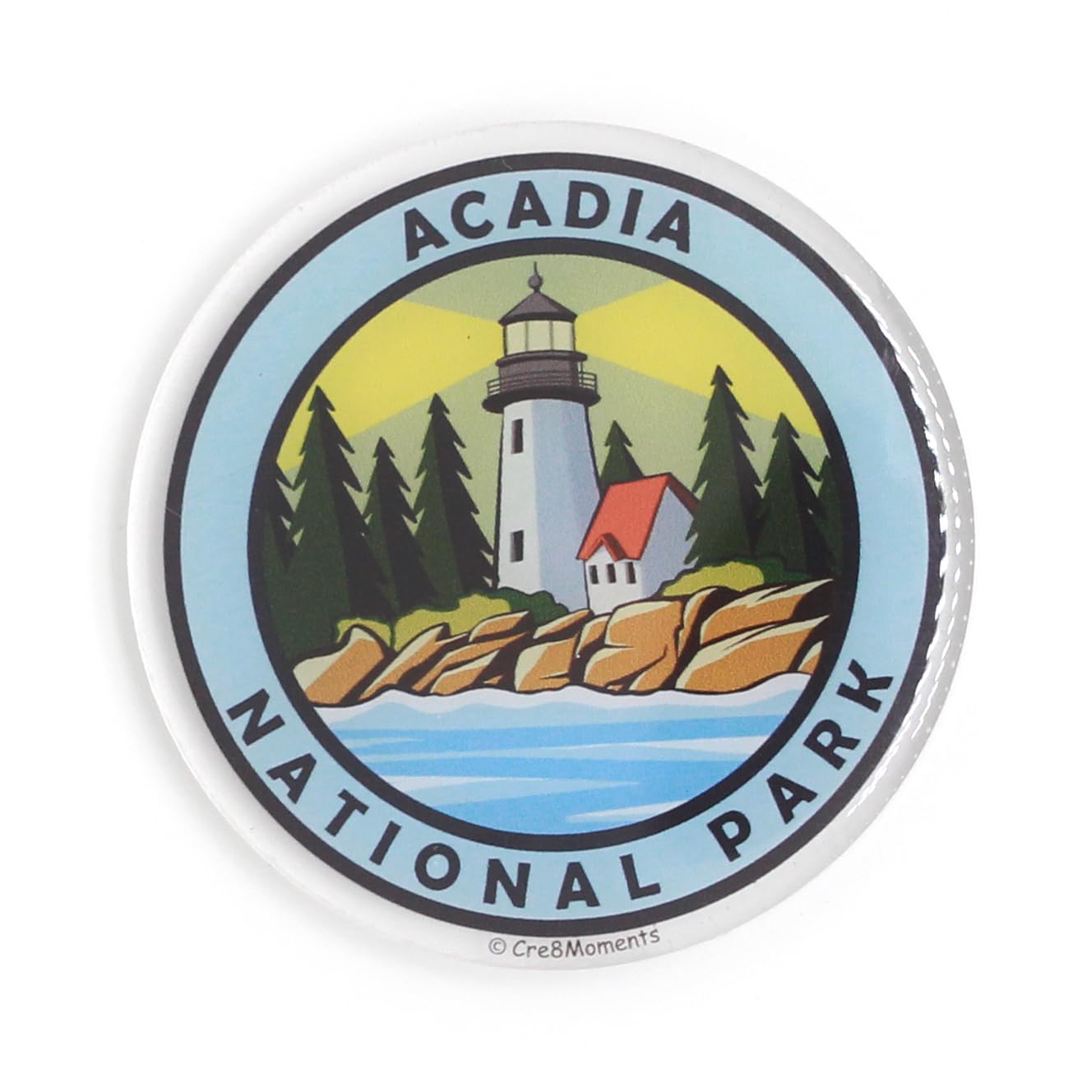 Acadia National Park
NFC Magnet
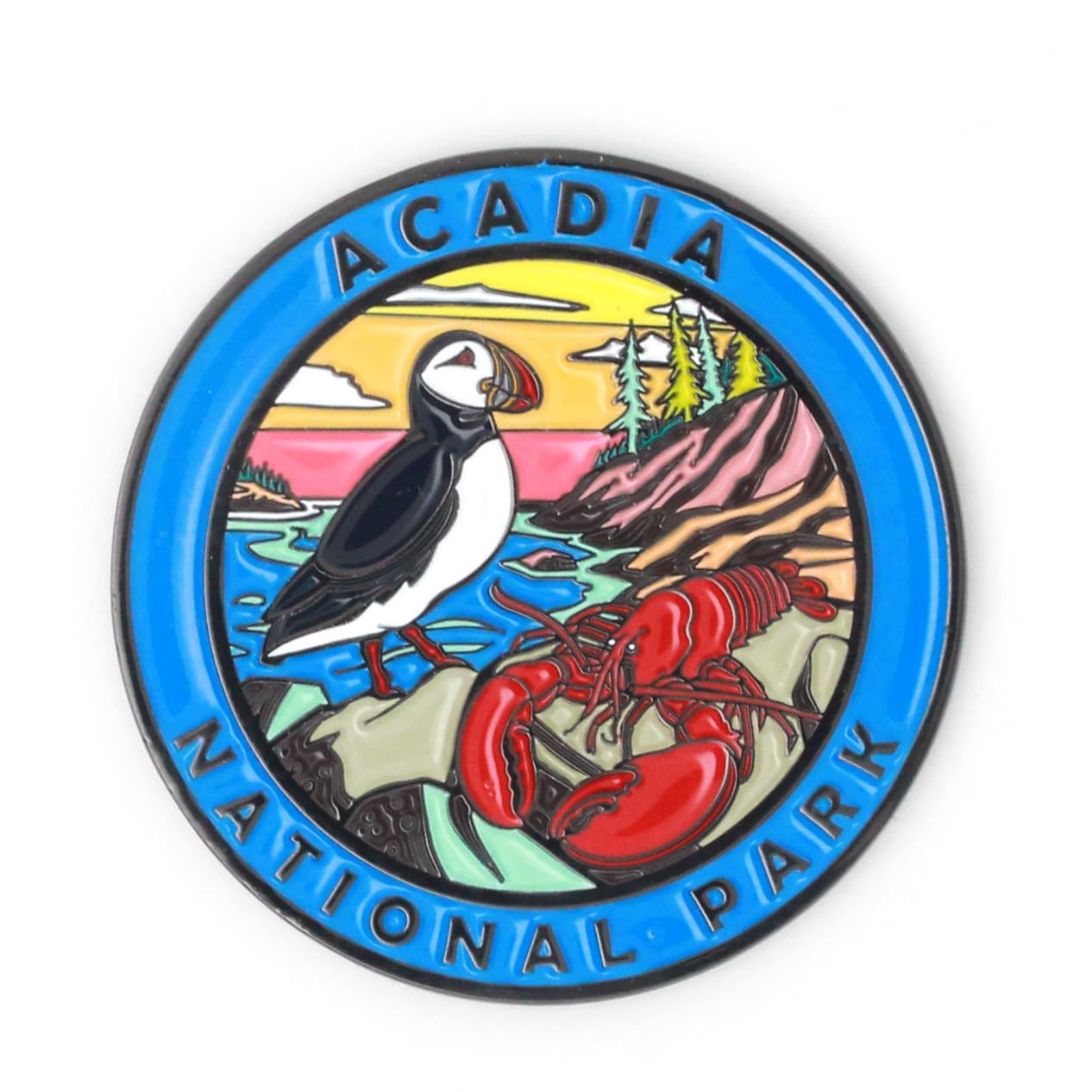 Acadia National Park
Magnet
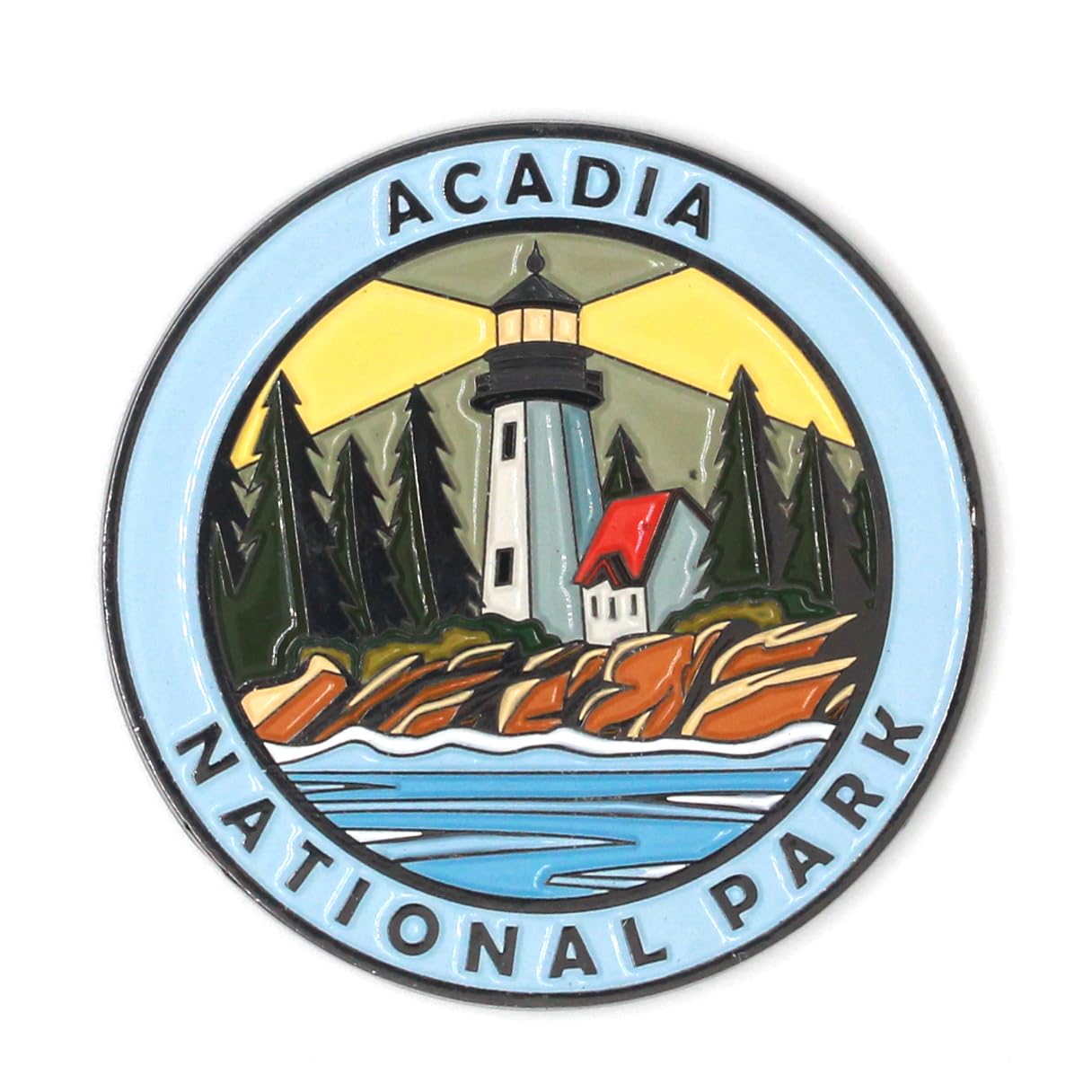 Acadia National Park
Magnet
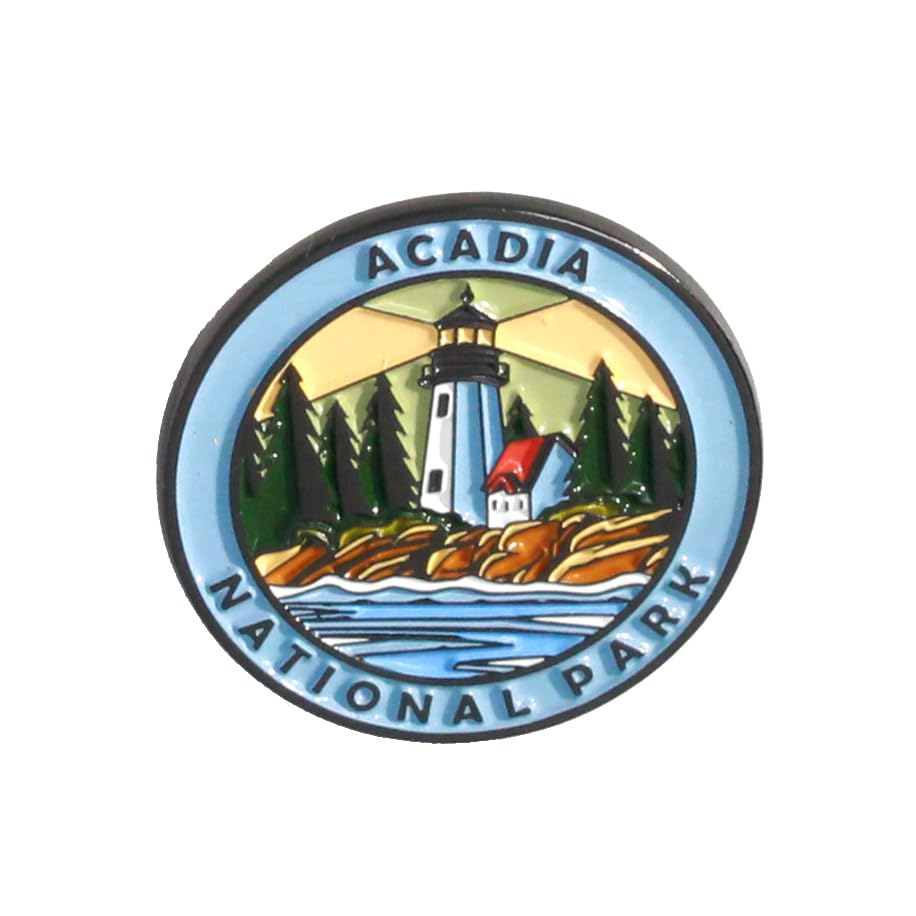 Acadia National Park
Pin
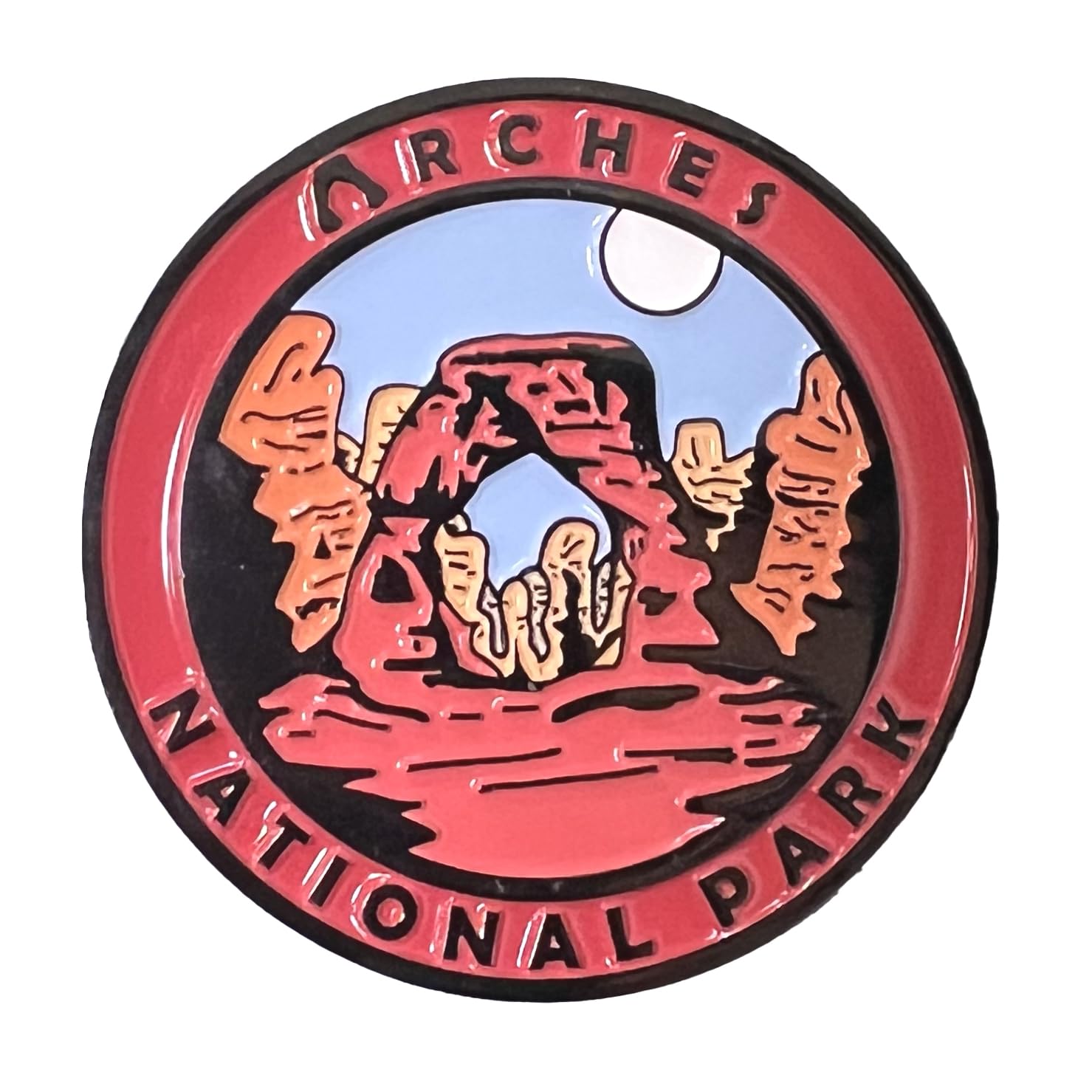 Arches National Park
Magnet
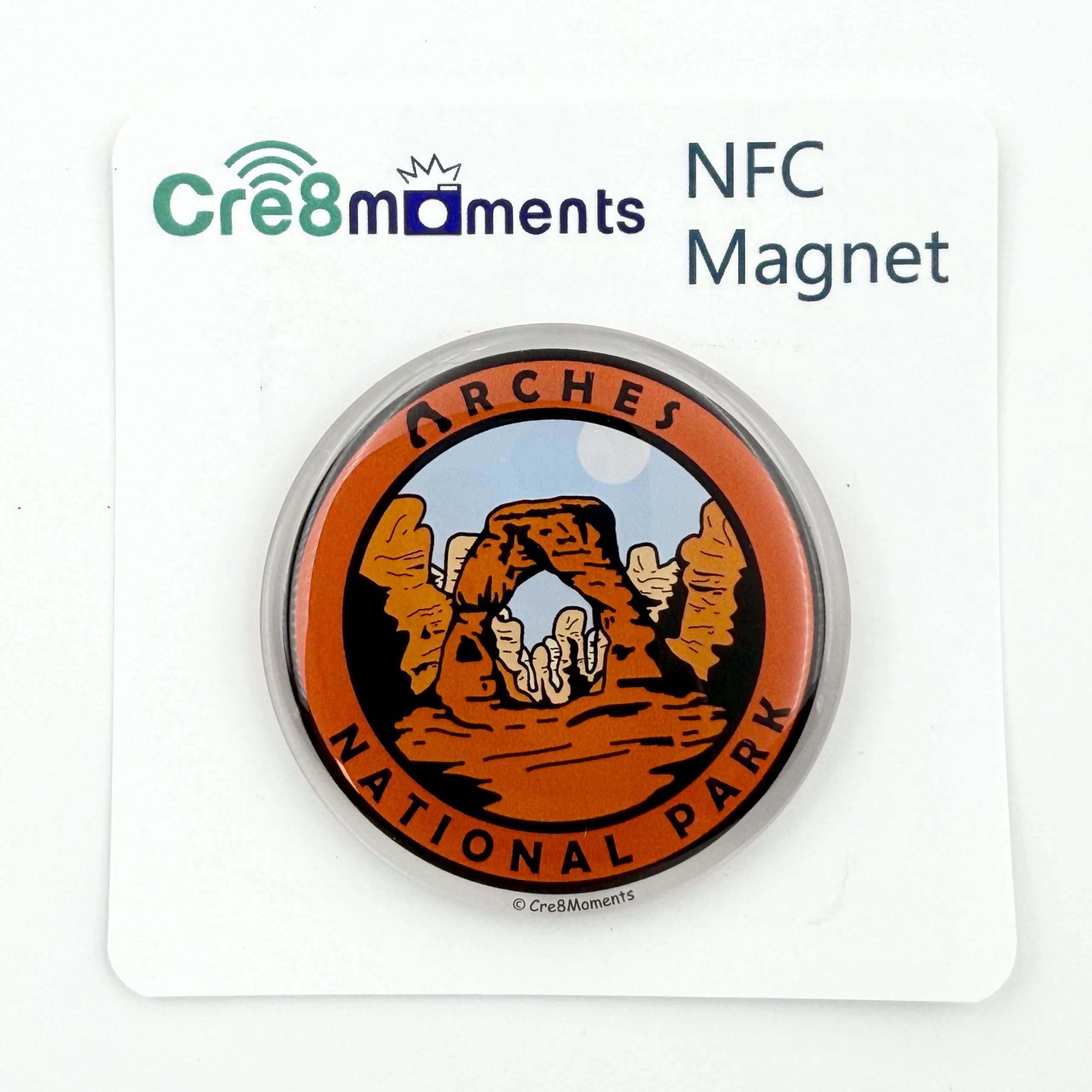 Arches National Park
NFC Magnet
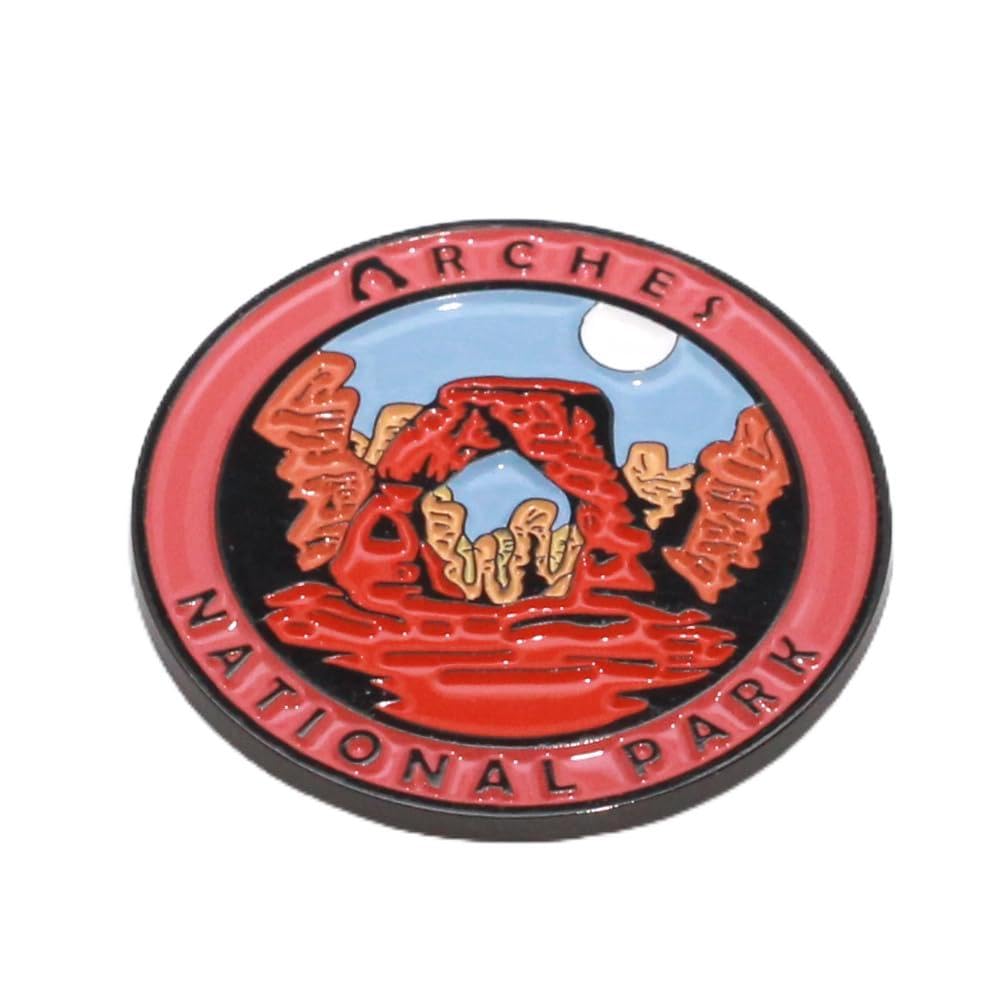 Arches National Park
Pin
 Badlands National Park
Magnet
 Big Bend National Park
NFC Magnet
 Big Bend National Park
Magnet
 Biscayne National Park
Magnet
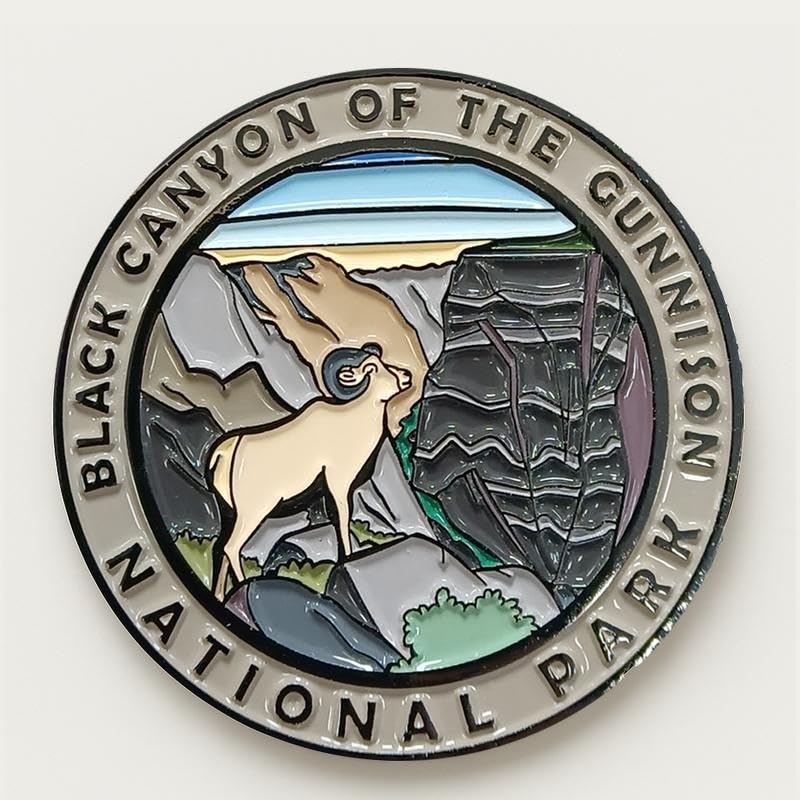 Black Canyon of the Gunnison National Park
Magnet
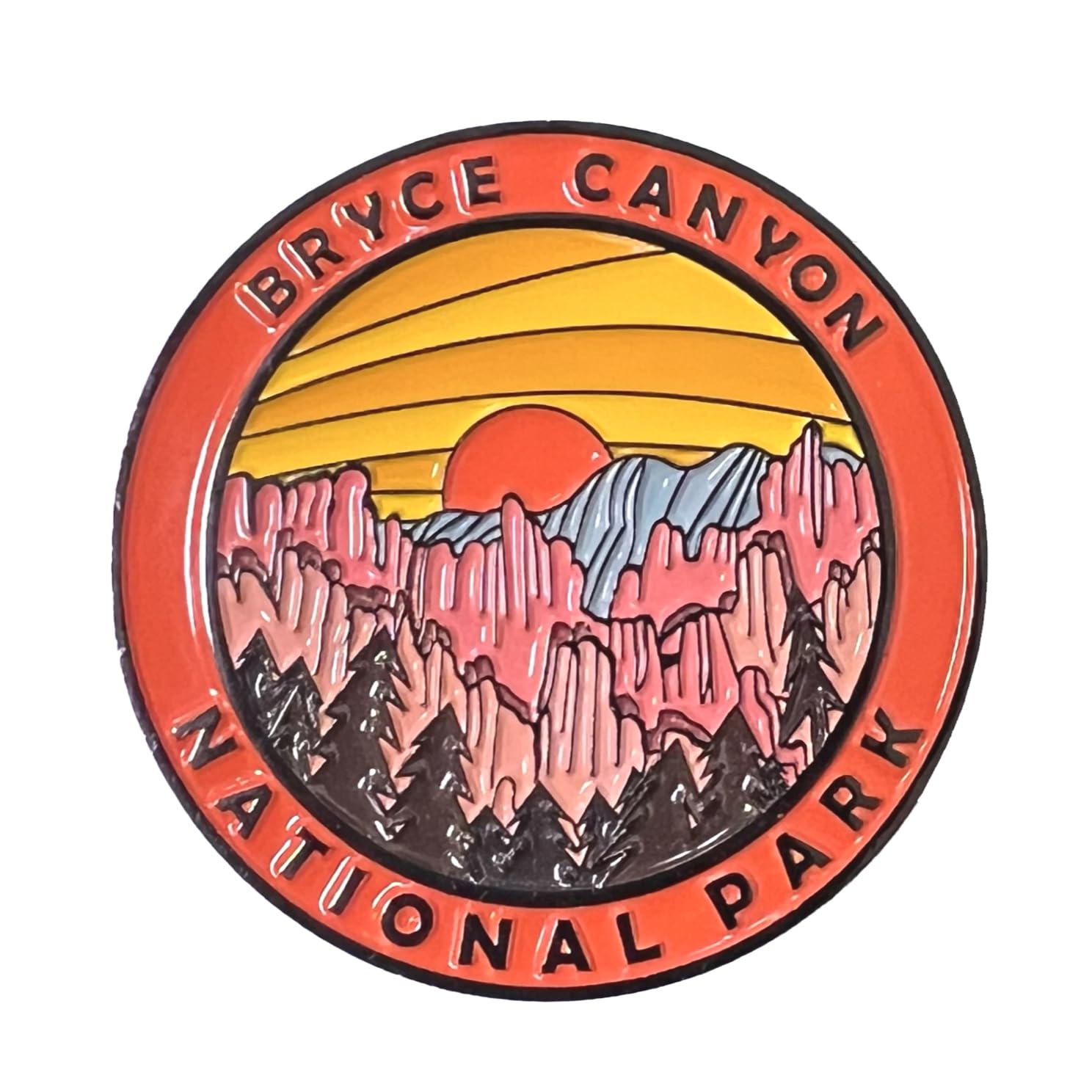 Bryce Canyon National Park
Magnet
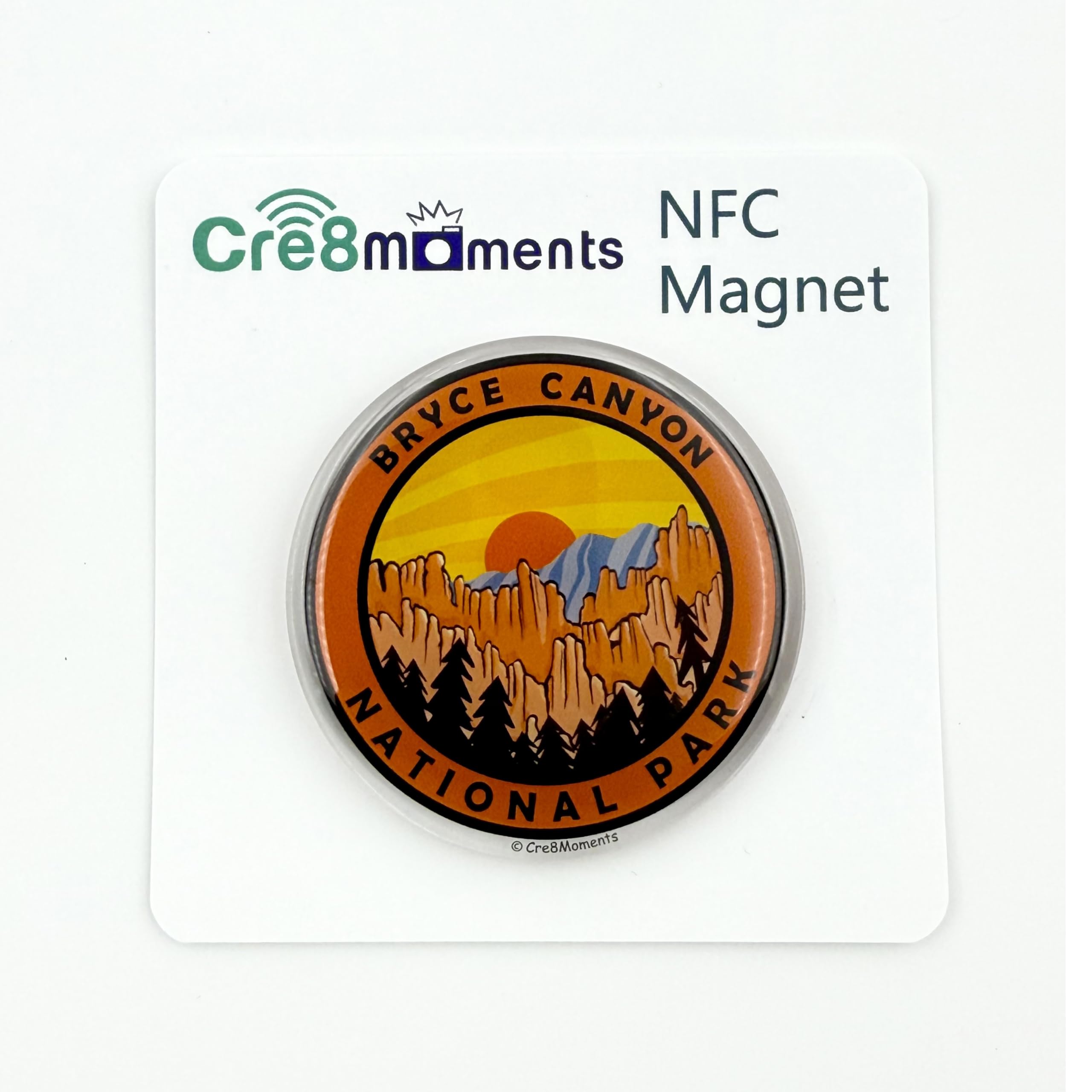 Bryce Canyon National Park
NFC Magnet
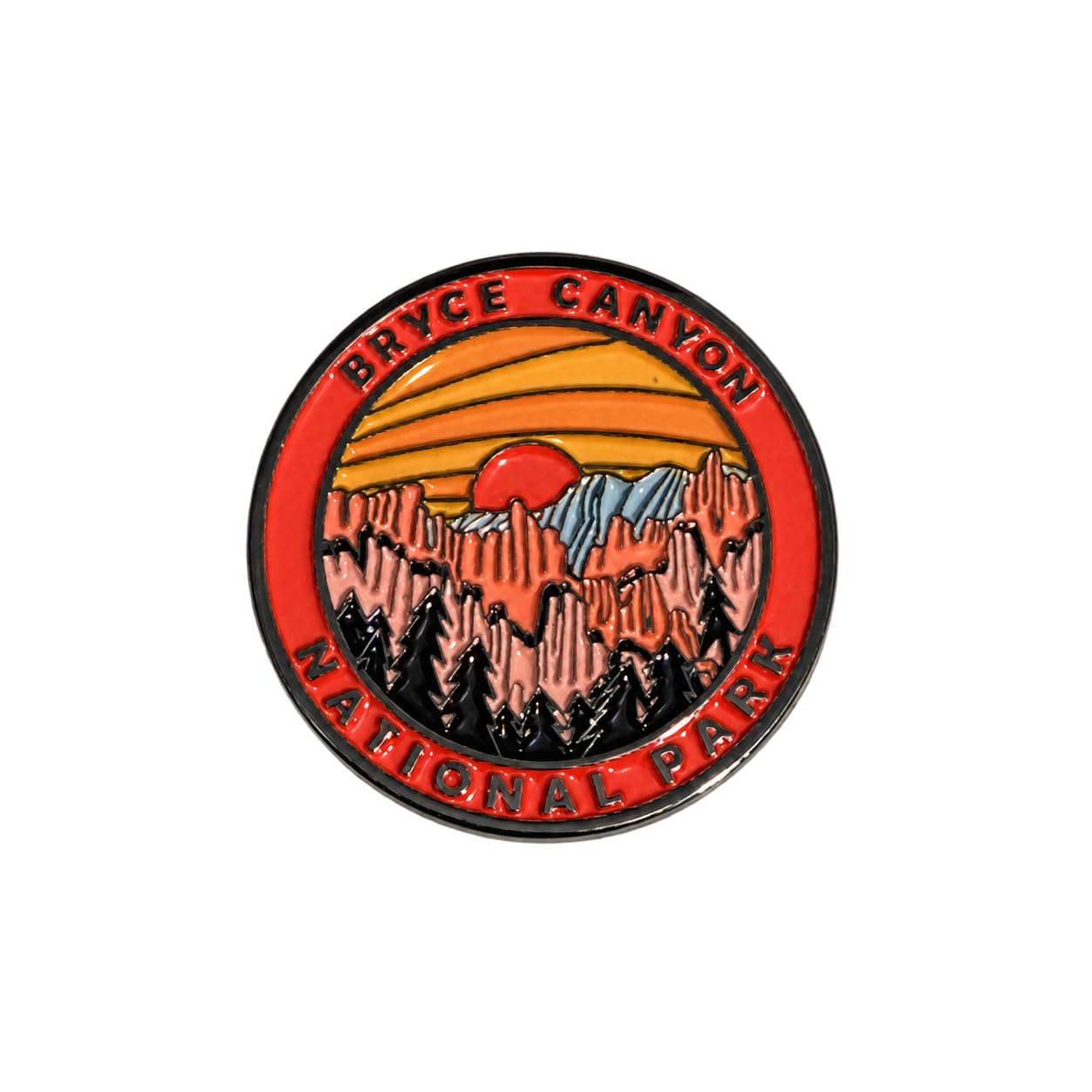 Bryce Canyon National Park
Pin
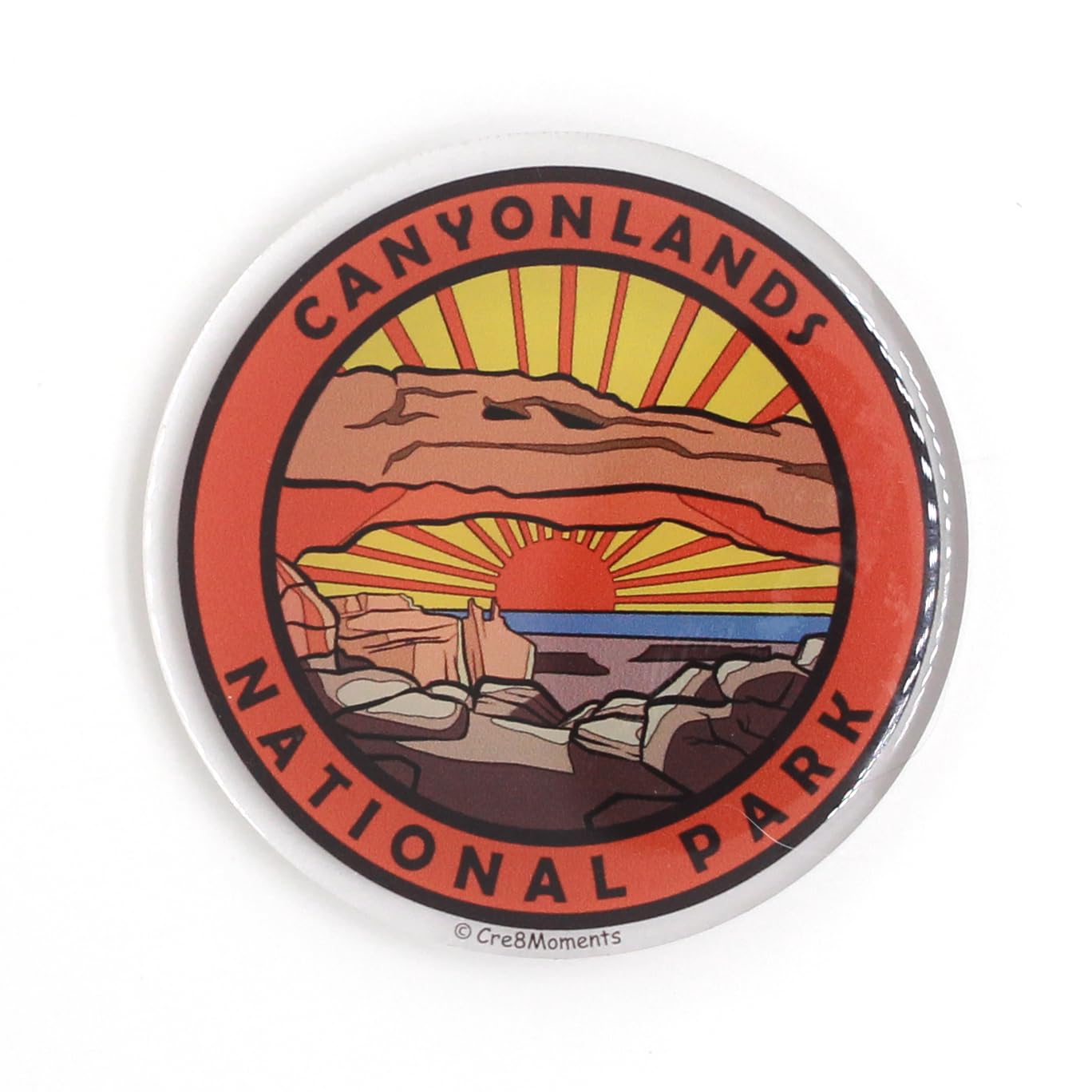 Canyonlands National Park
NFC Magnet
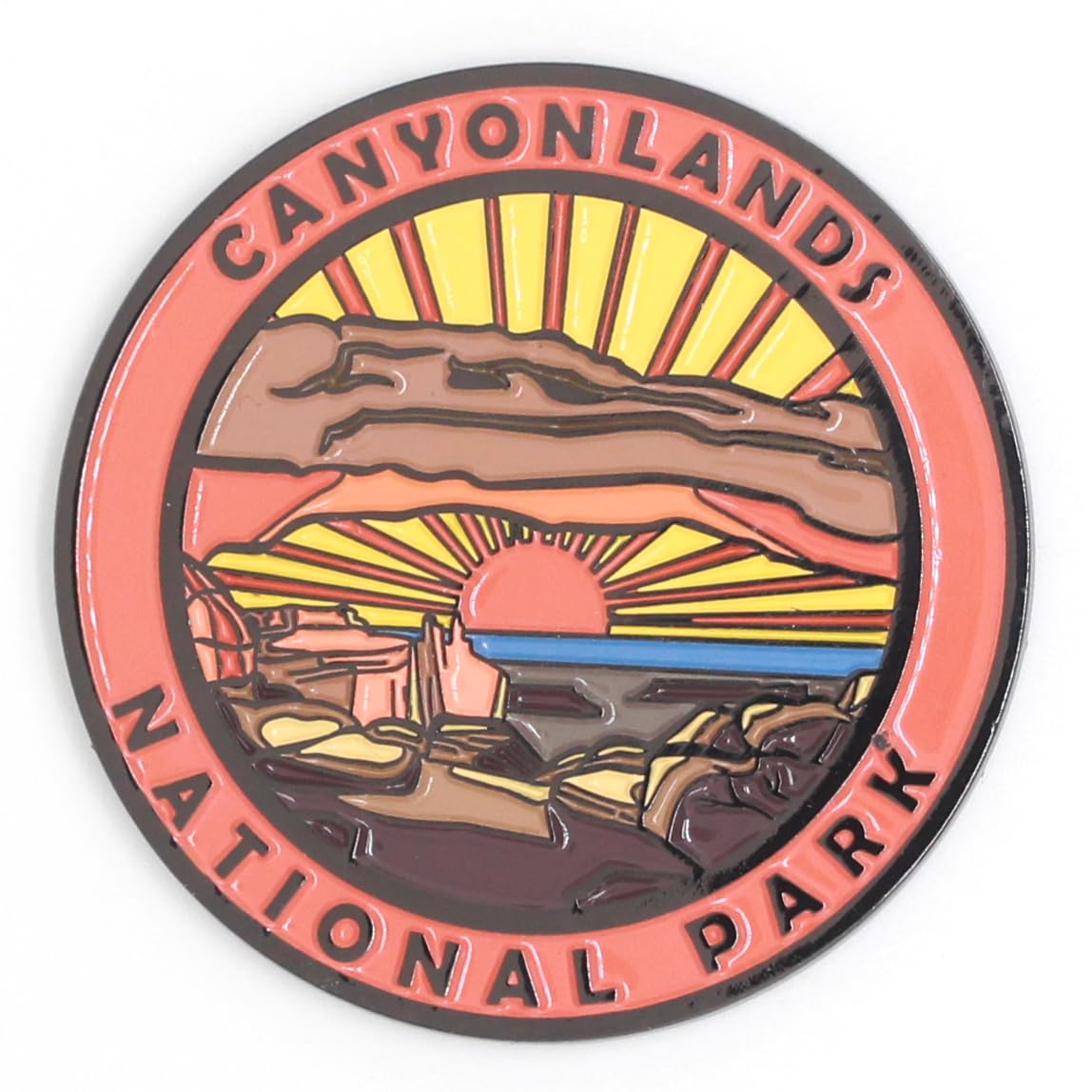 Canyonlands National Park
Magnet
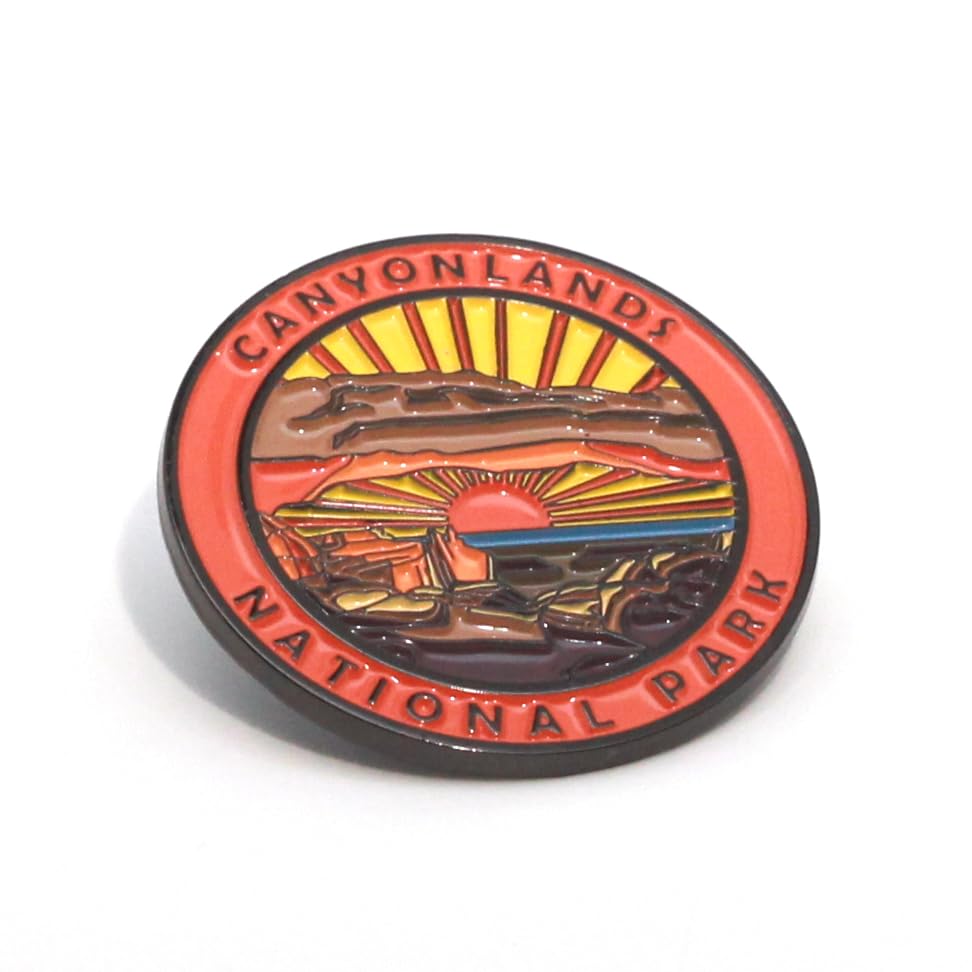 Canyonlands National Park
Pin
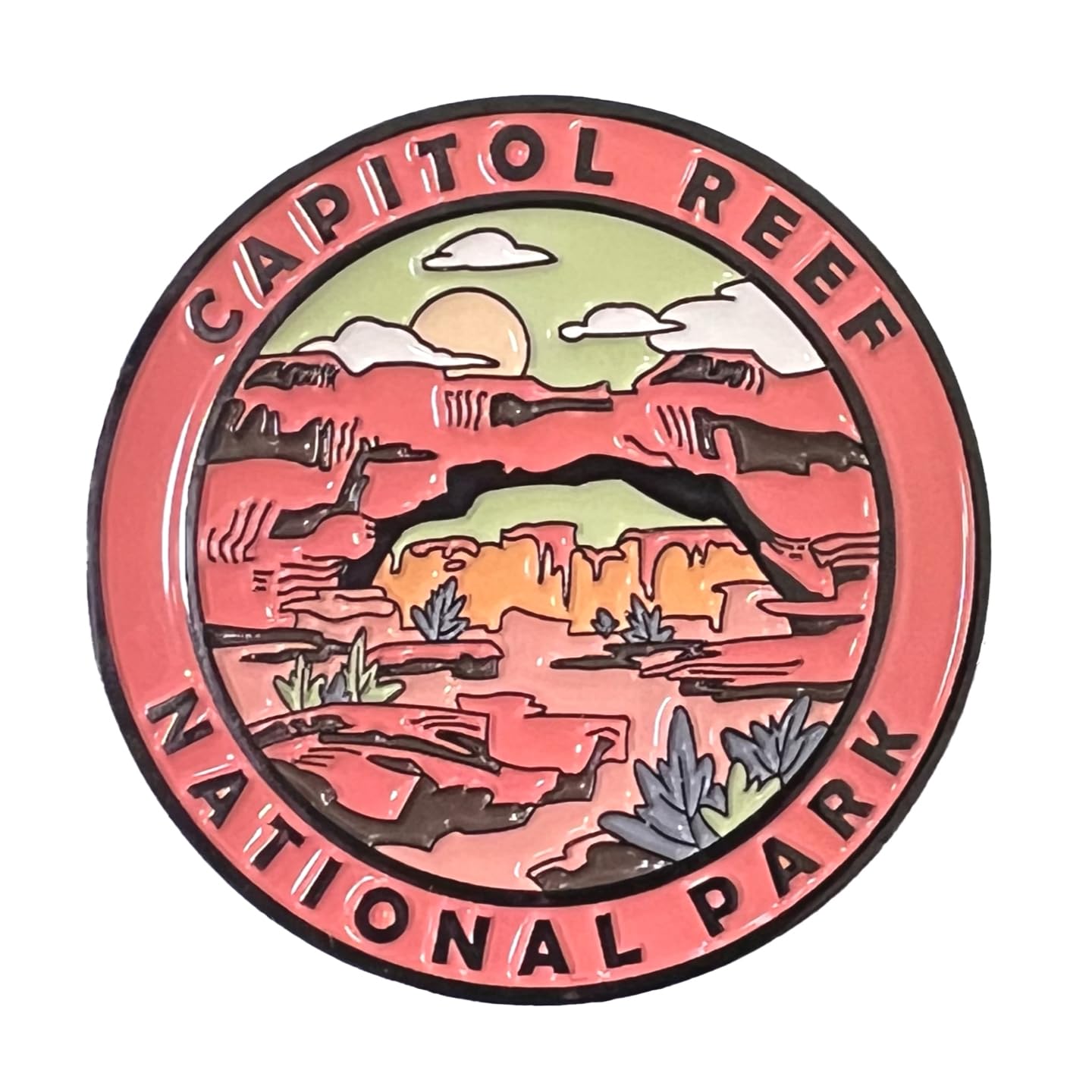 Capitol Reef National Park
Magnet
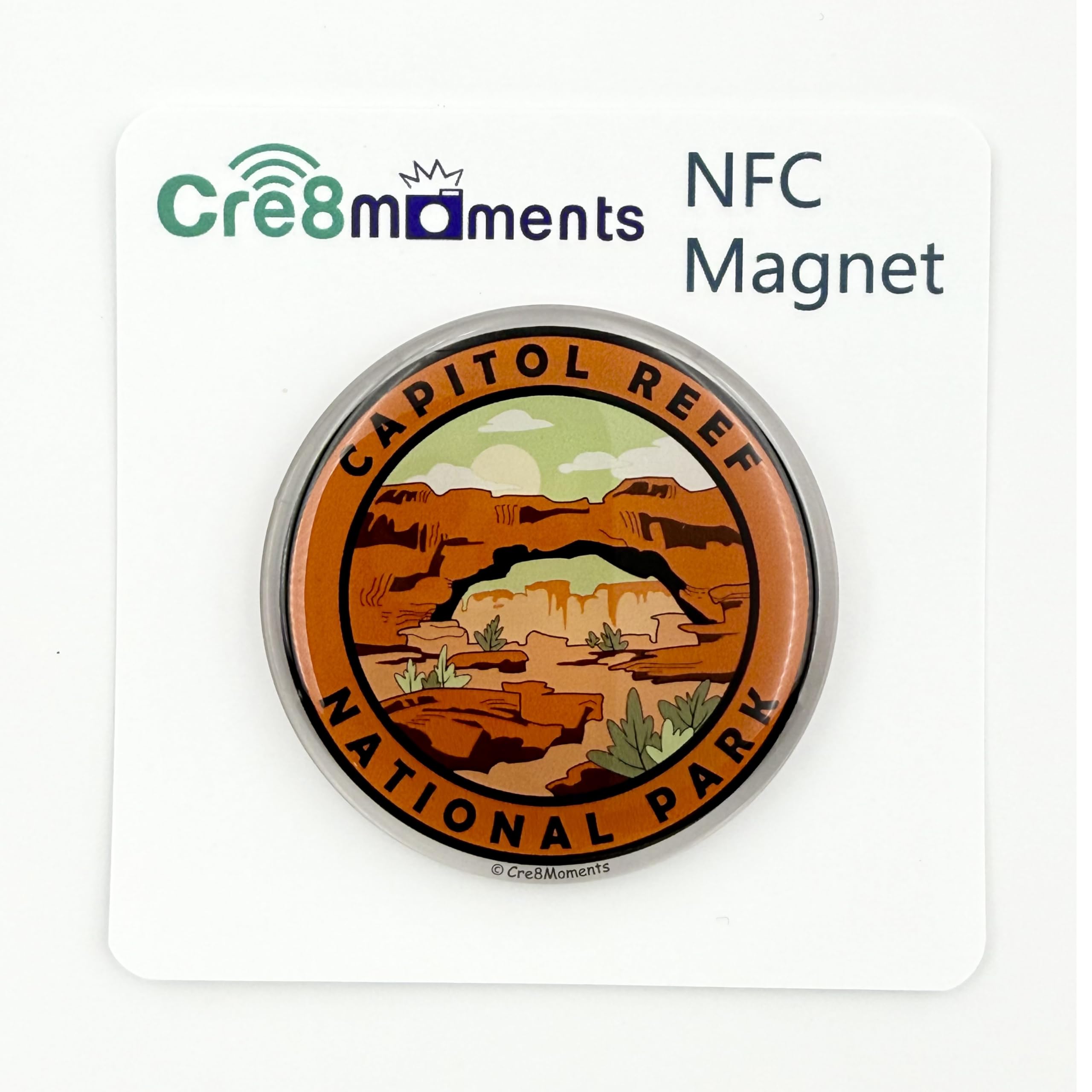 Capitol Reef National Park
NFC Magnet
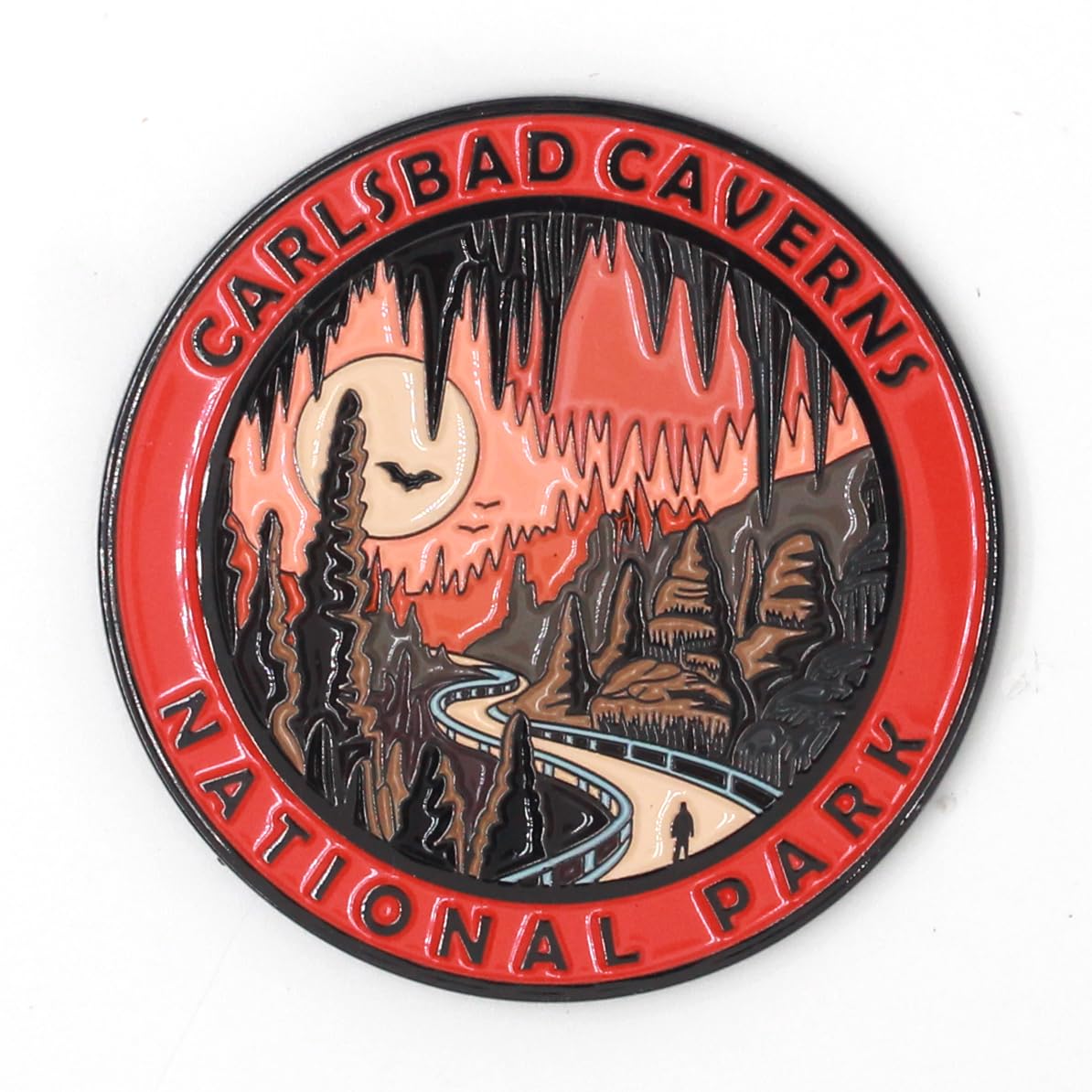 Carlsbad Caverns National Park
Magnet
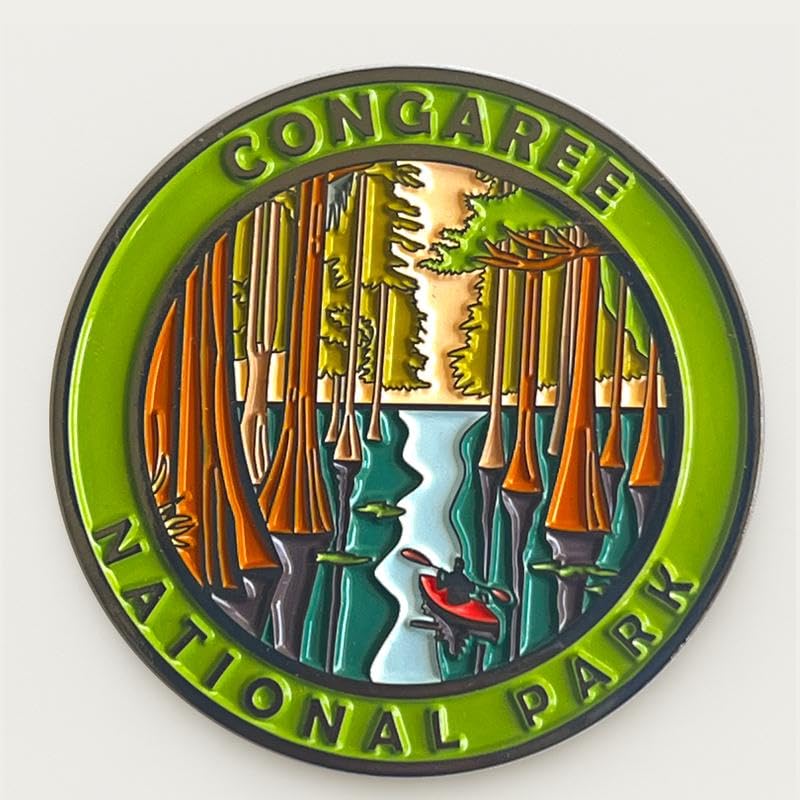 Congaree National Park
Magnet
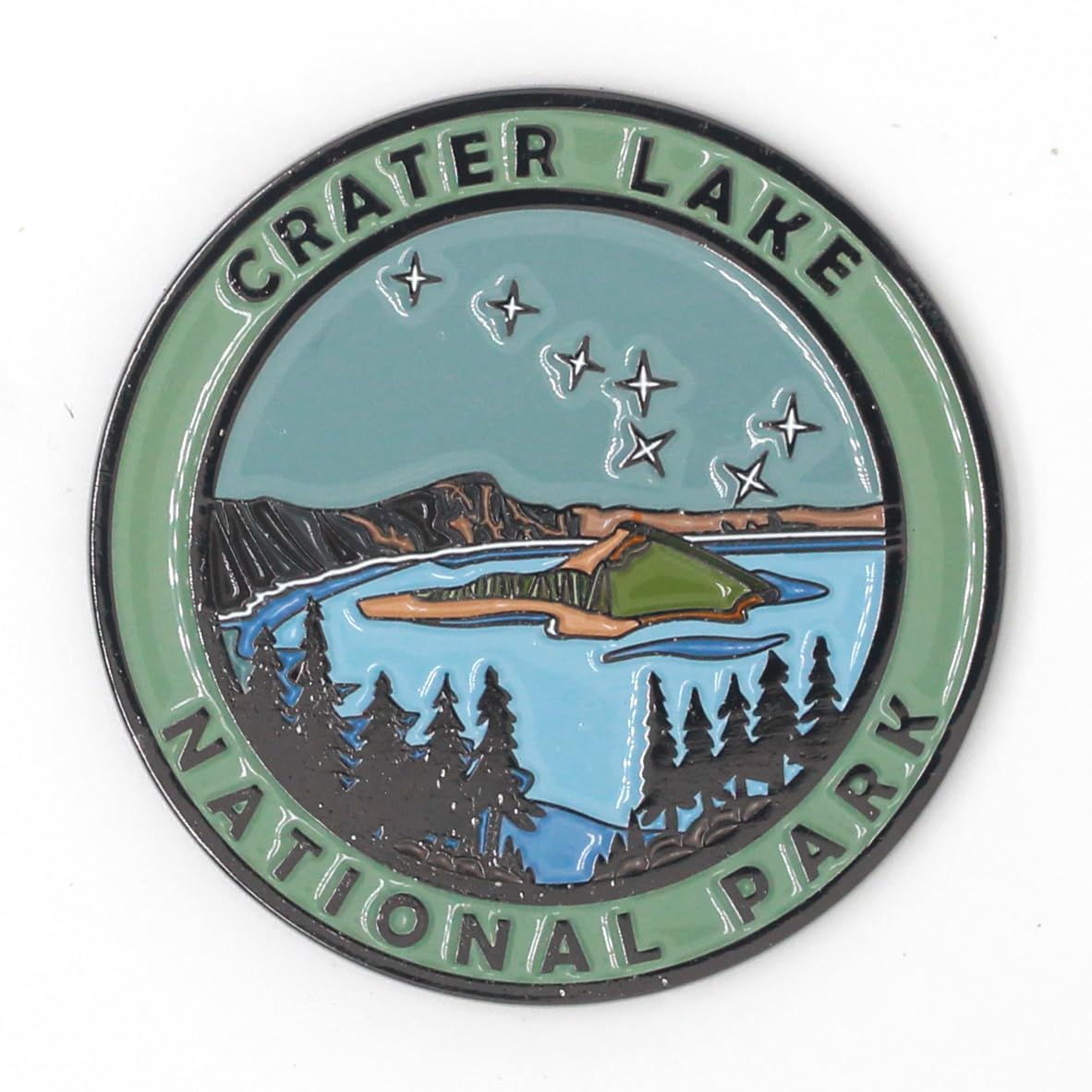 Crater Lake National Park
Magnet
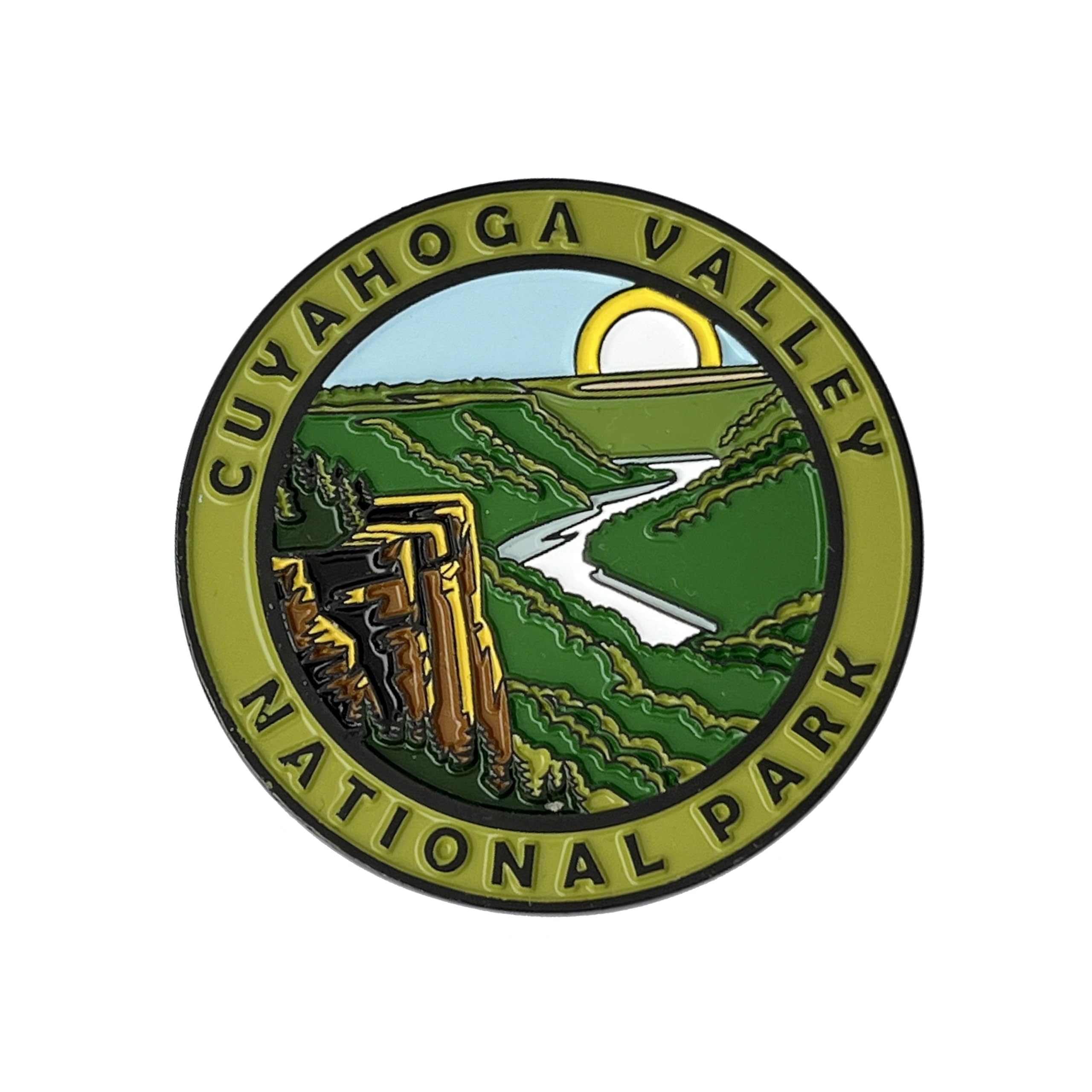 Cuyahoga Valley National Park
Magnet
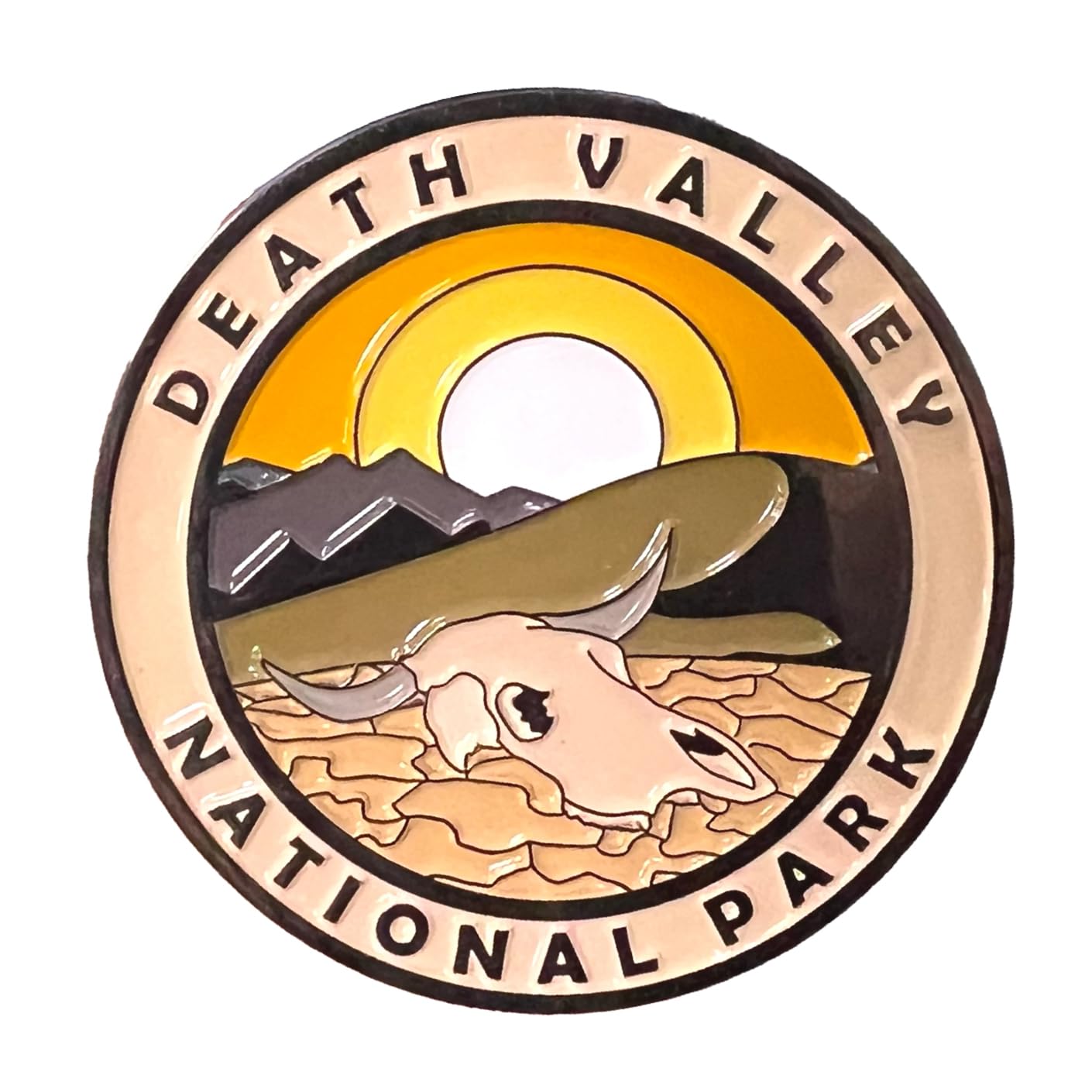 Death Valley National Park
Magnet
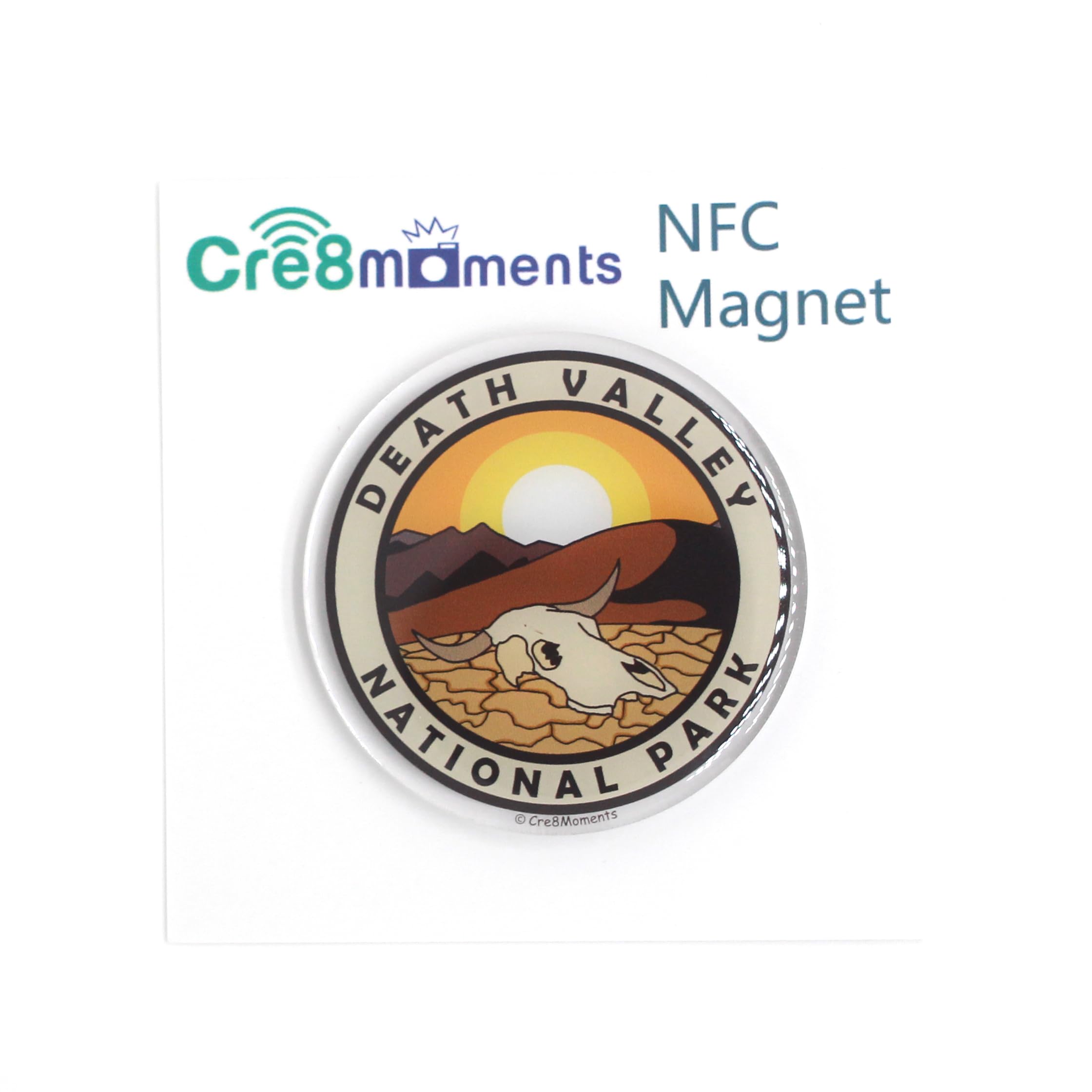 Death Valley National Park
NFC Magnet
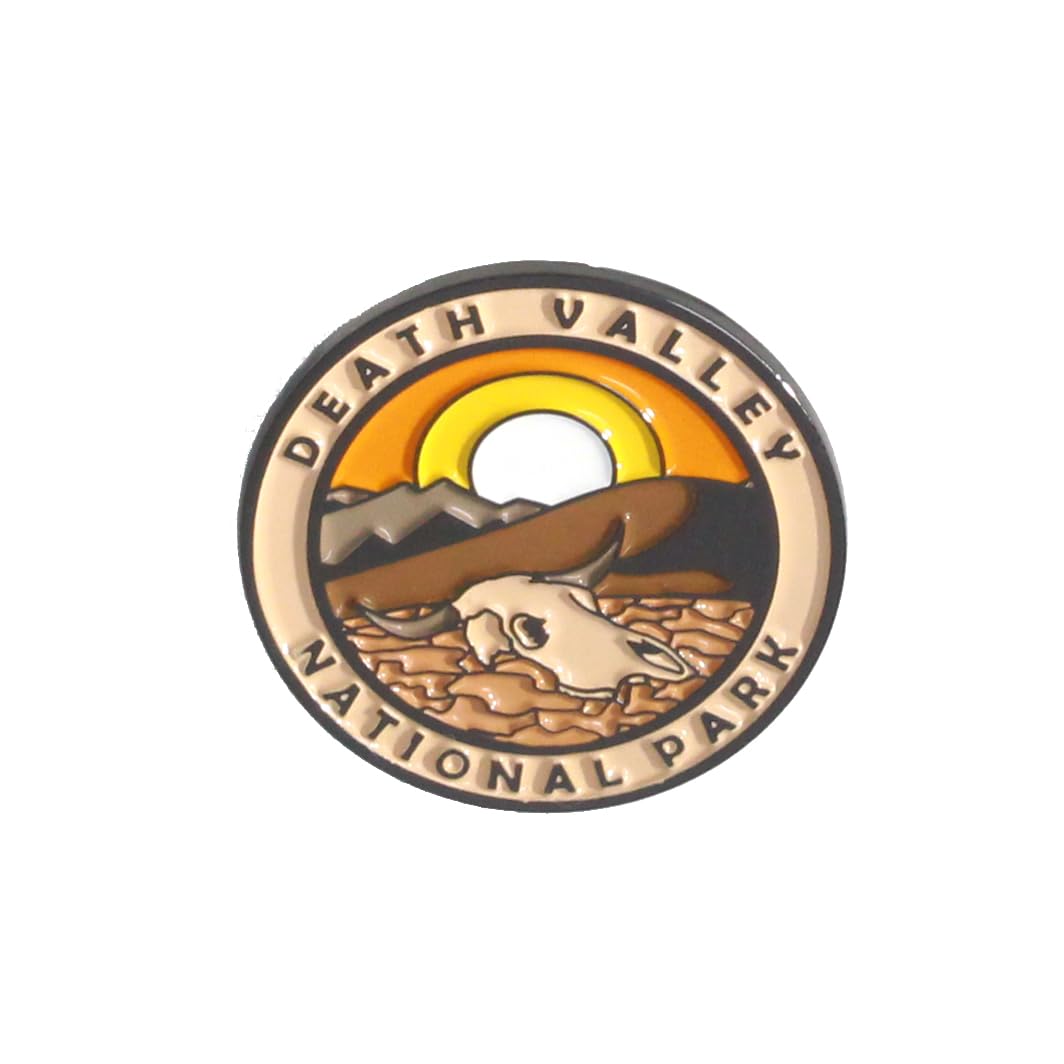 Death Valley National Park
Pin
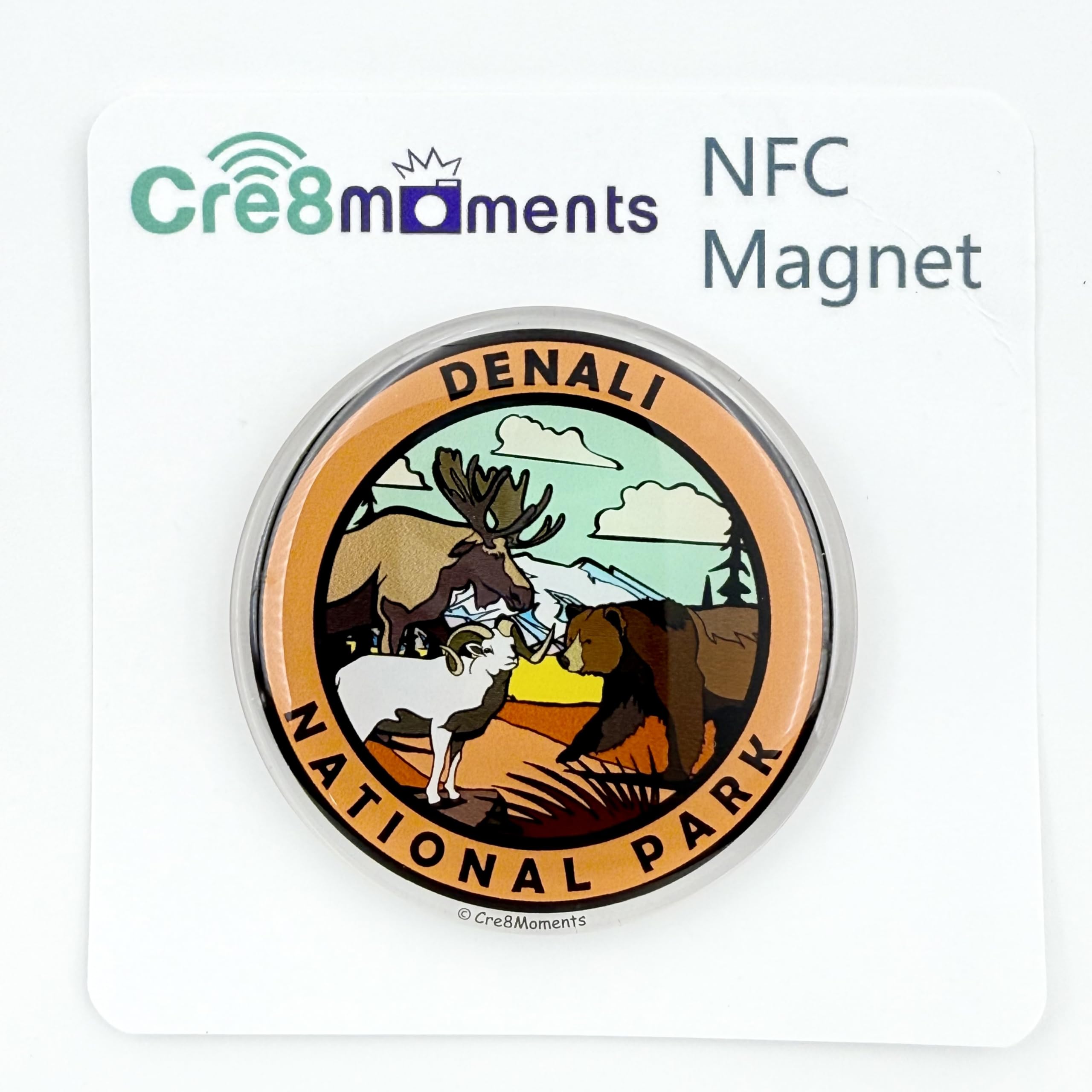 Denali National Park
NFC Magnet
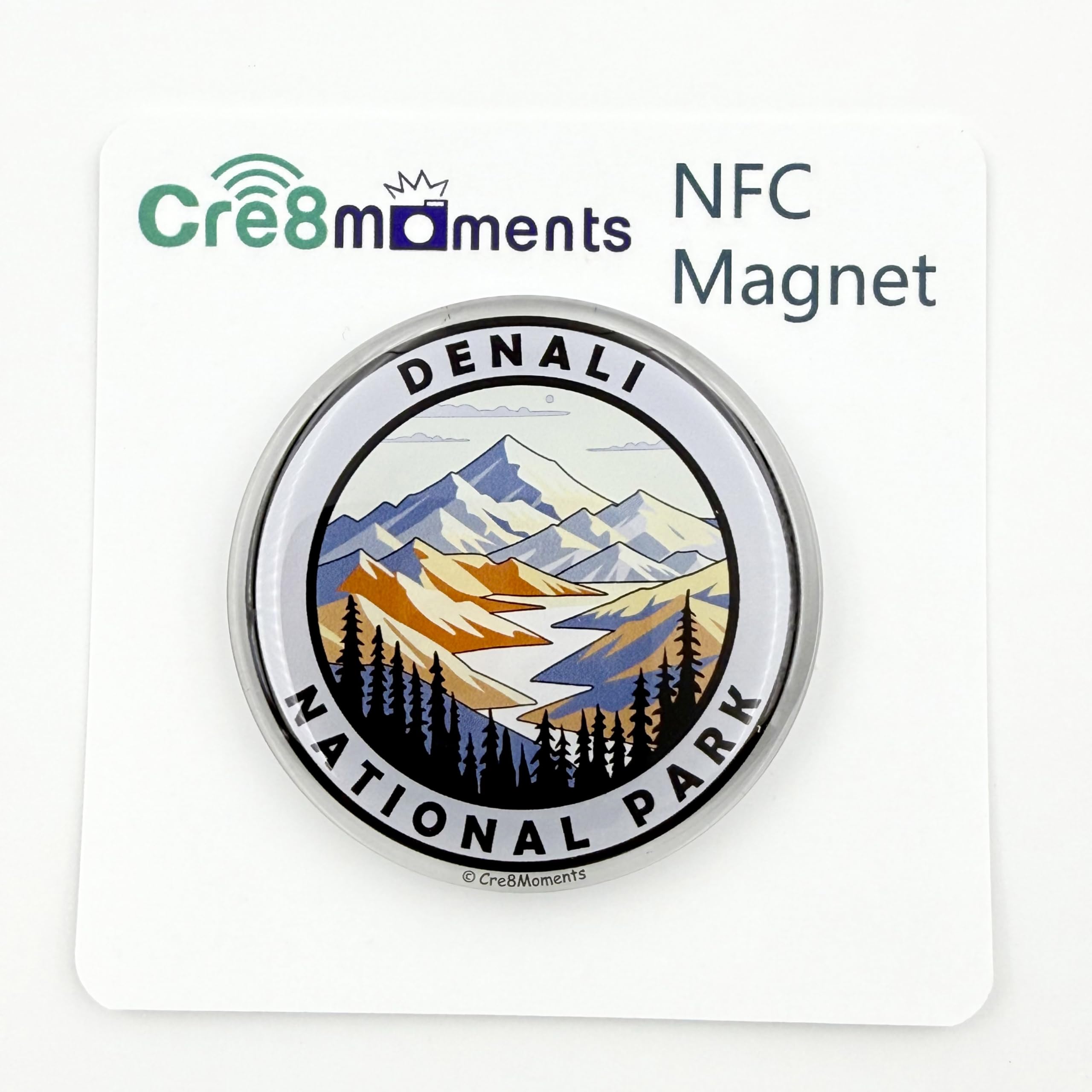 Denali National Park
NFC Magnet
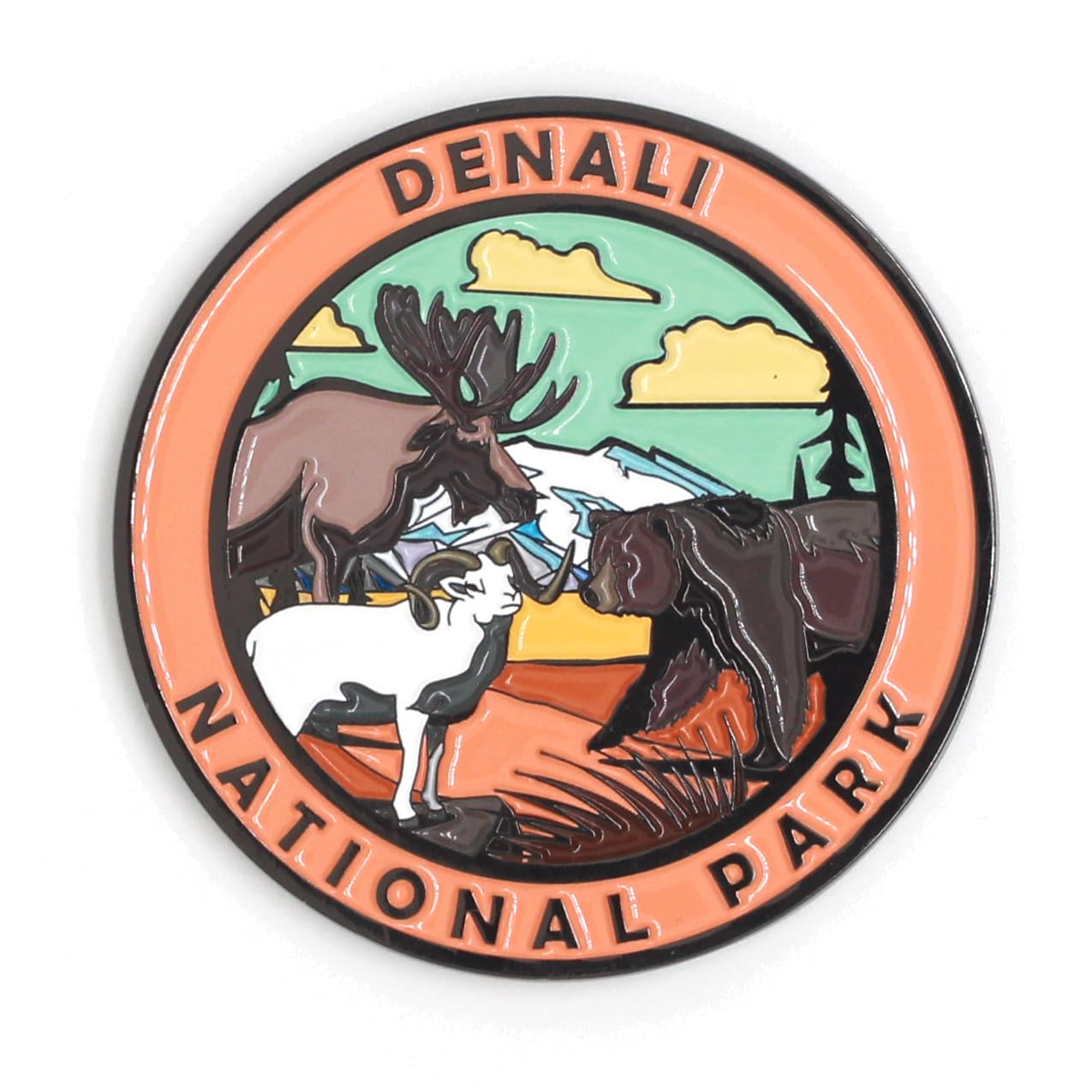 Denali National Park
Magnet
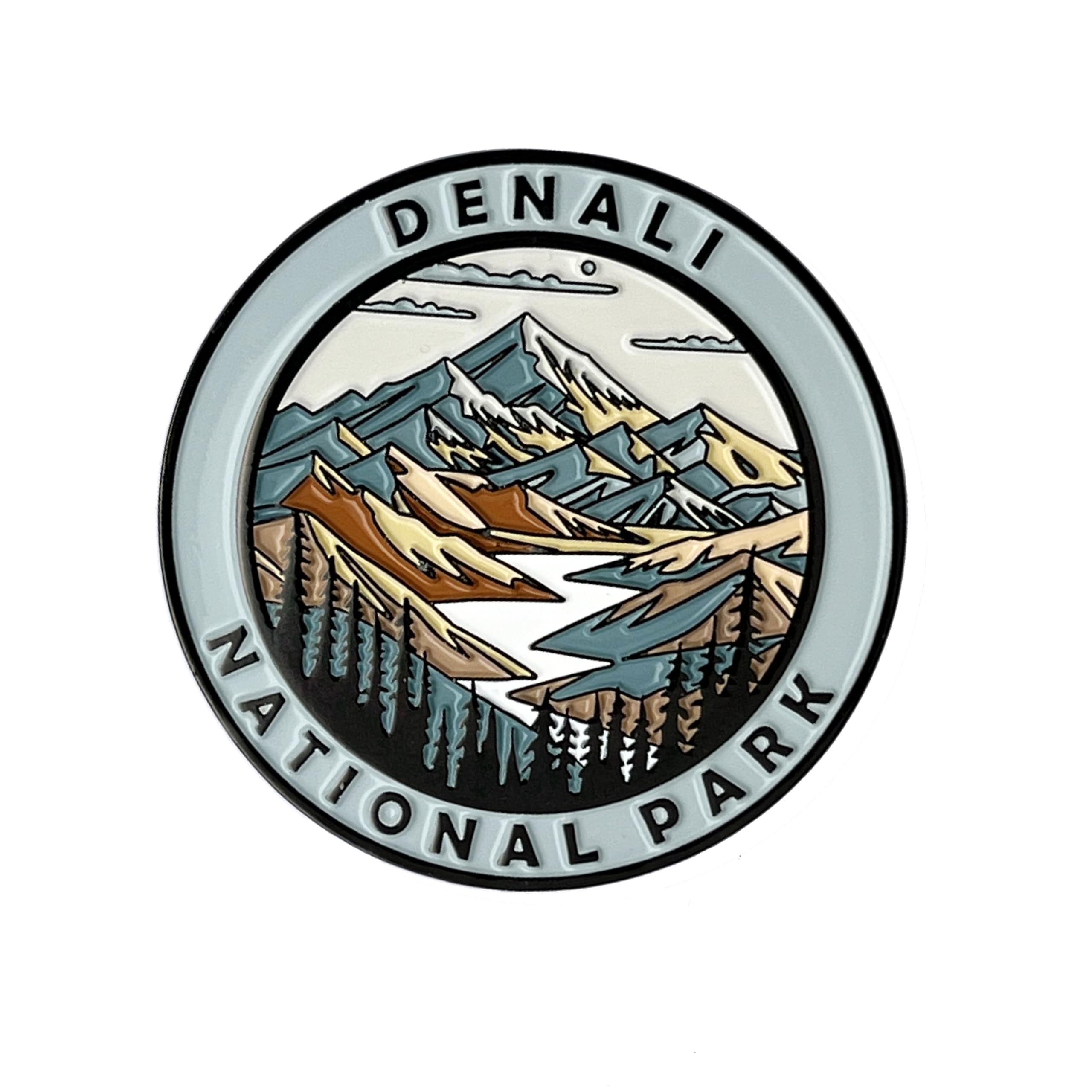 Denali National Park
Magnet
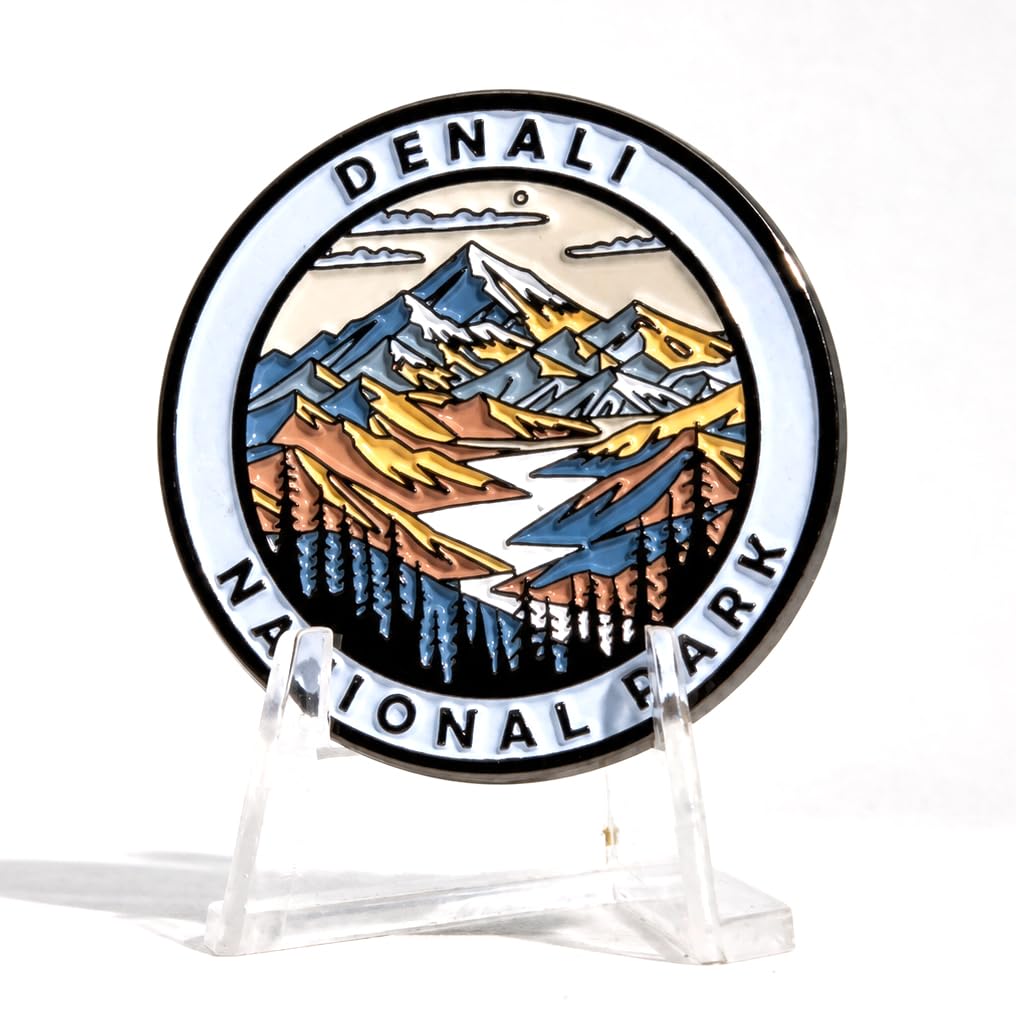 Denali National Park
Pin
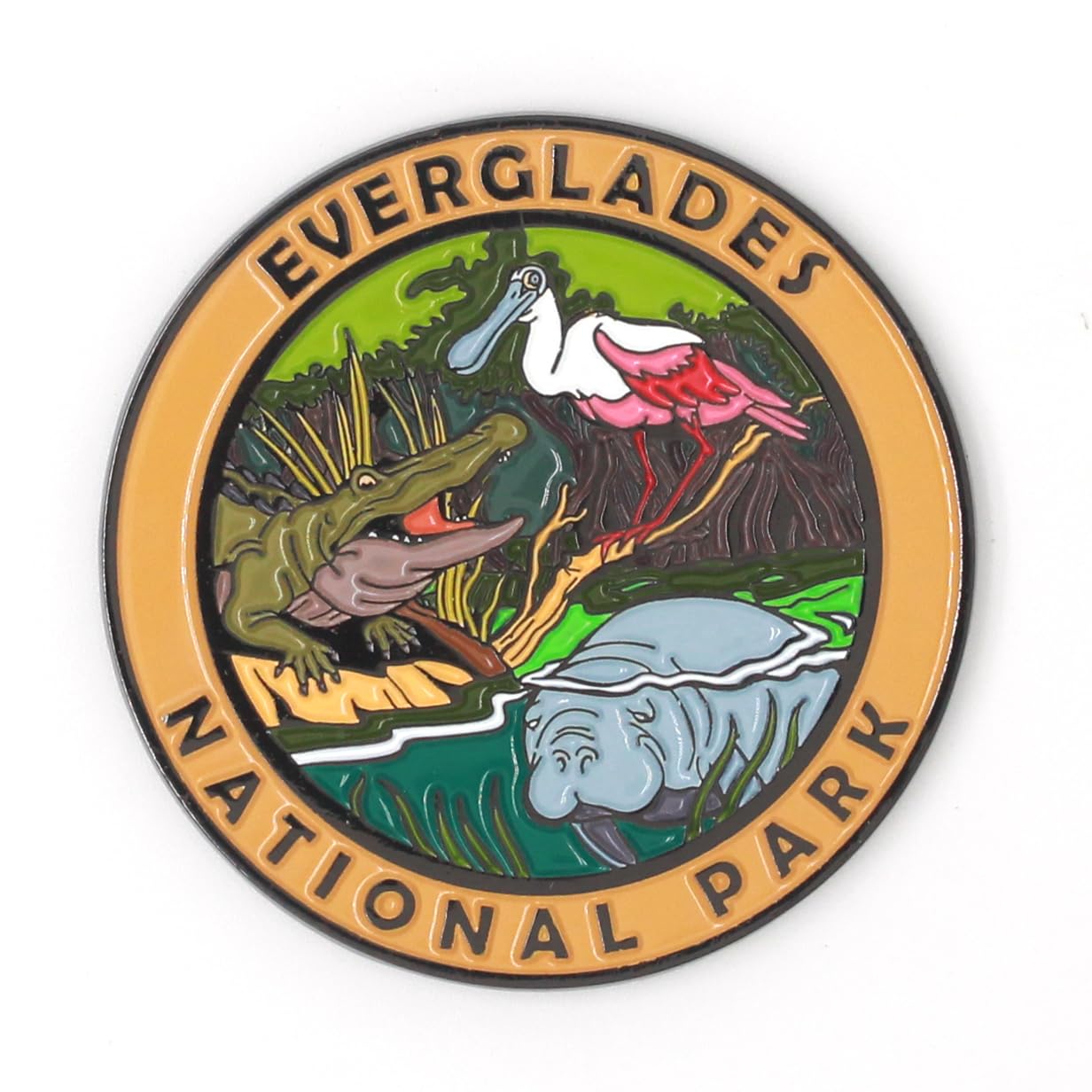 Everglades National Park
Magnet
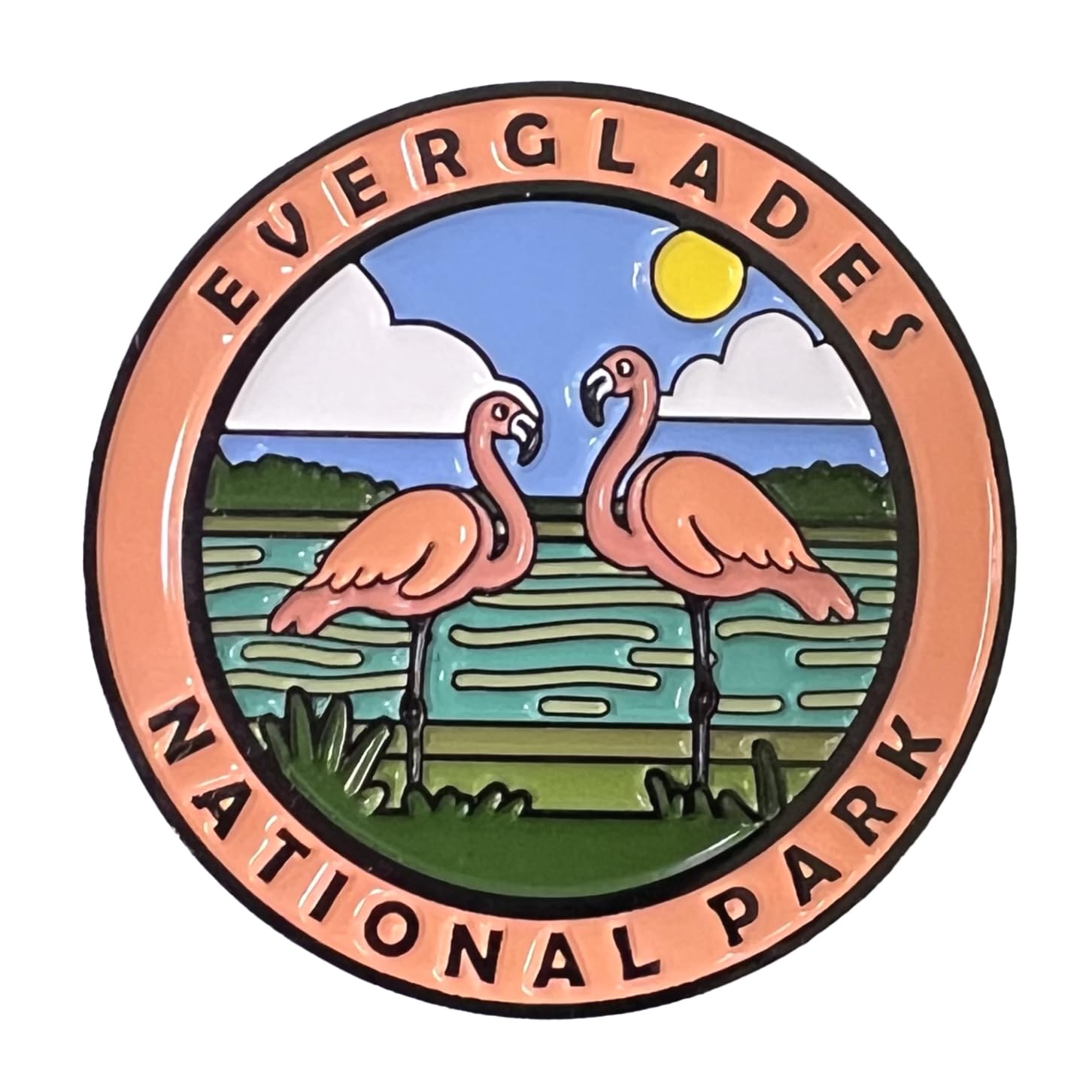 Everglades National Park
Magnet
 Everglades National Park
Pin
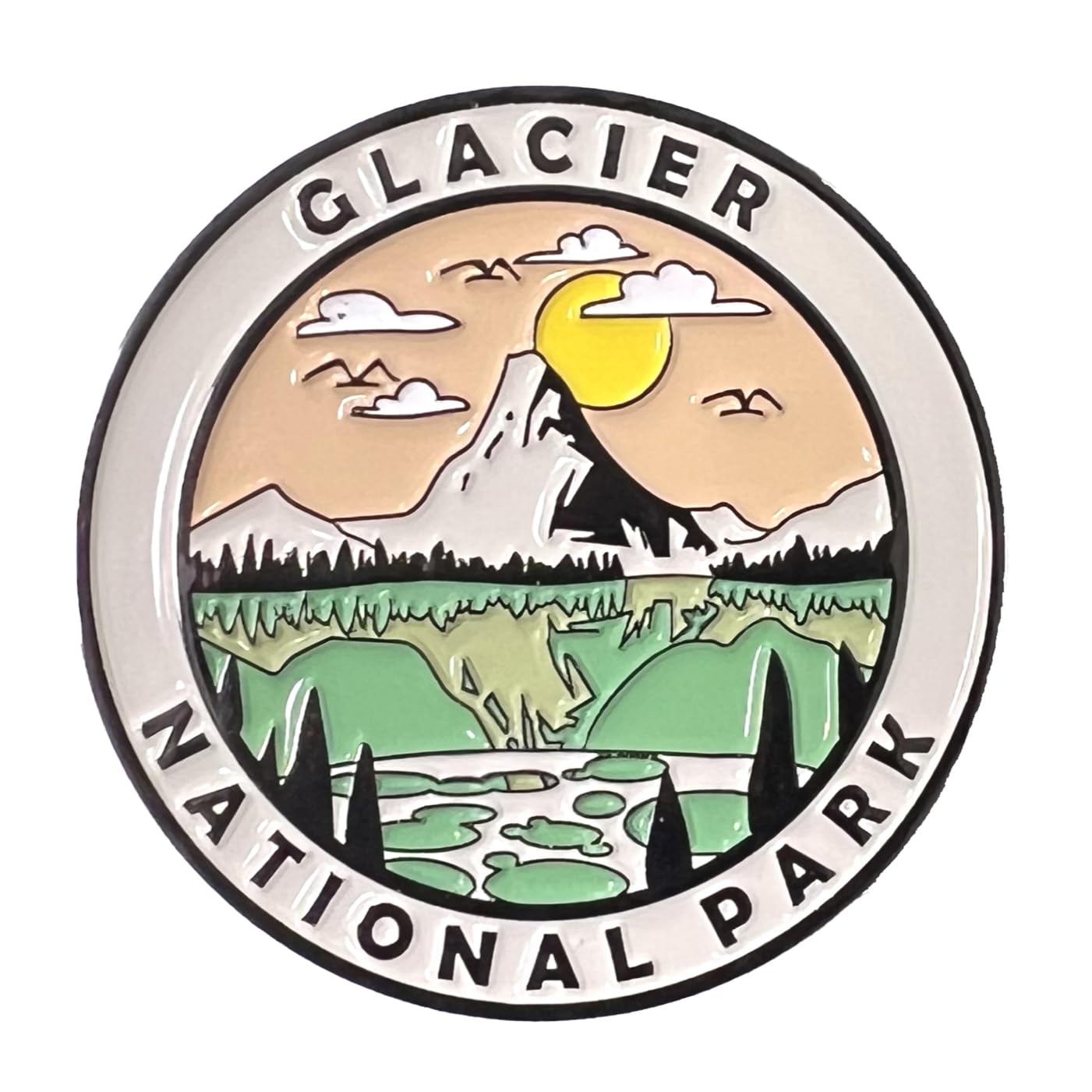 Glacier National Park
Magnet
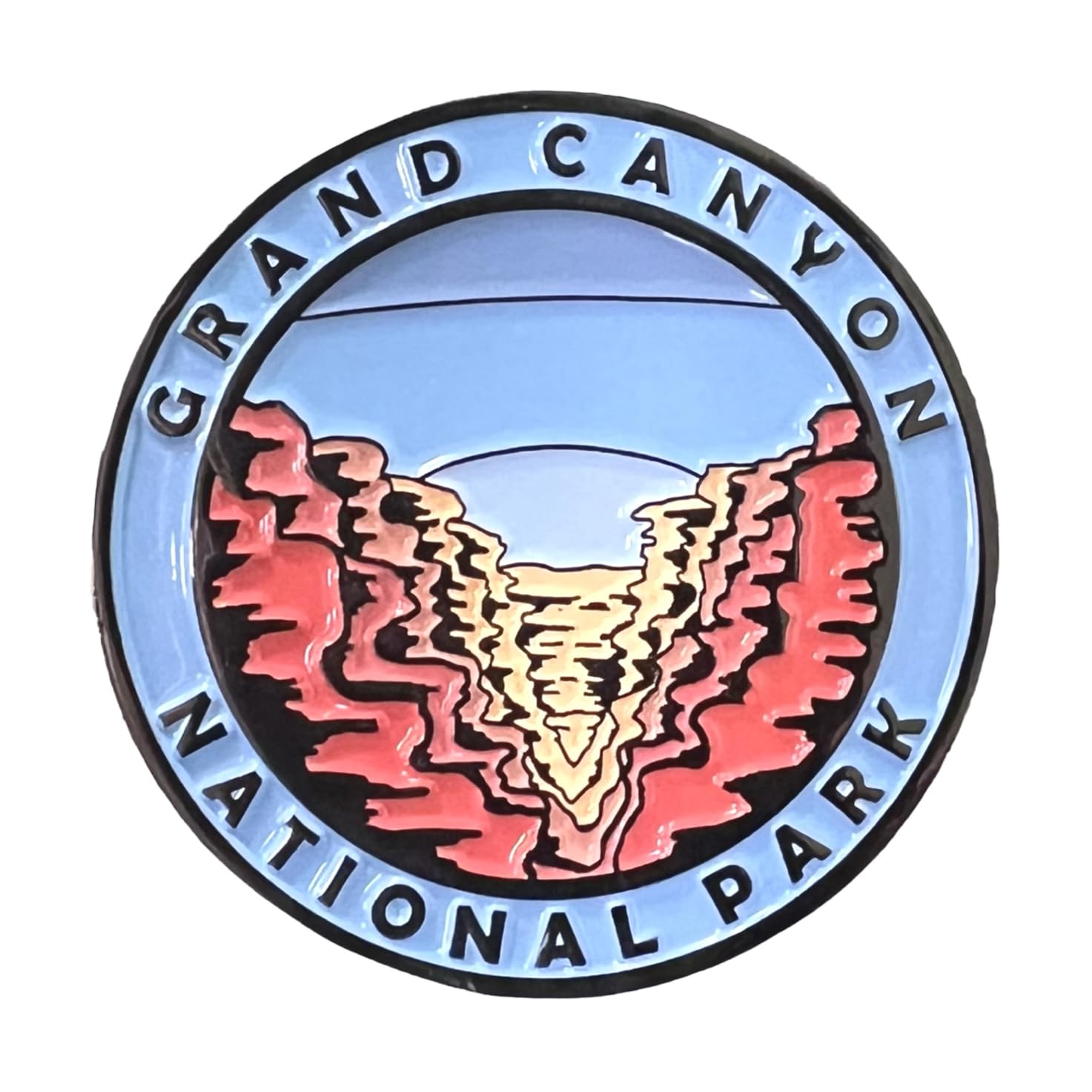 Grand Canyon National Park
Magnet
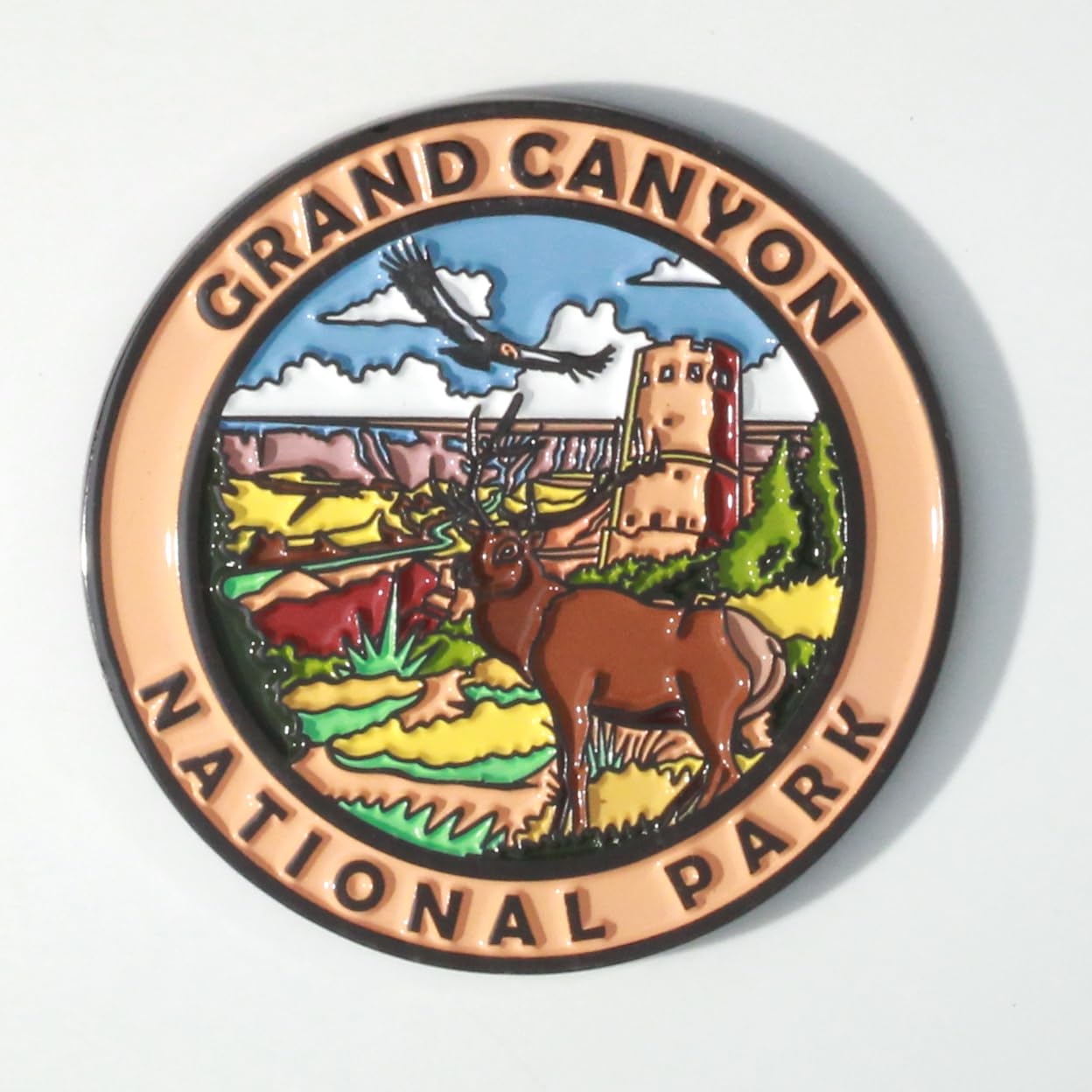 Grand Canyon National Park
Magnet
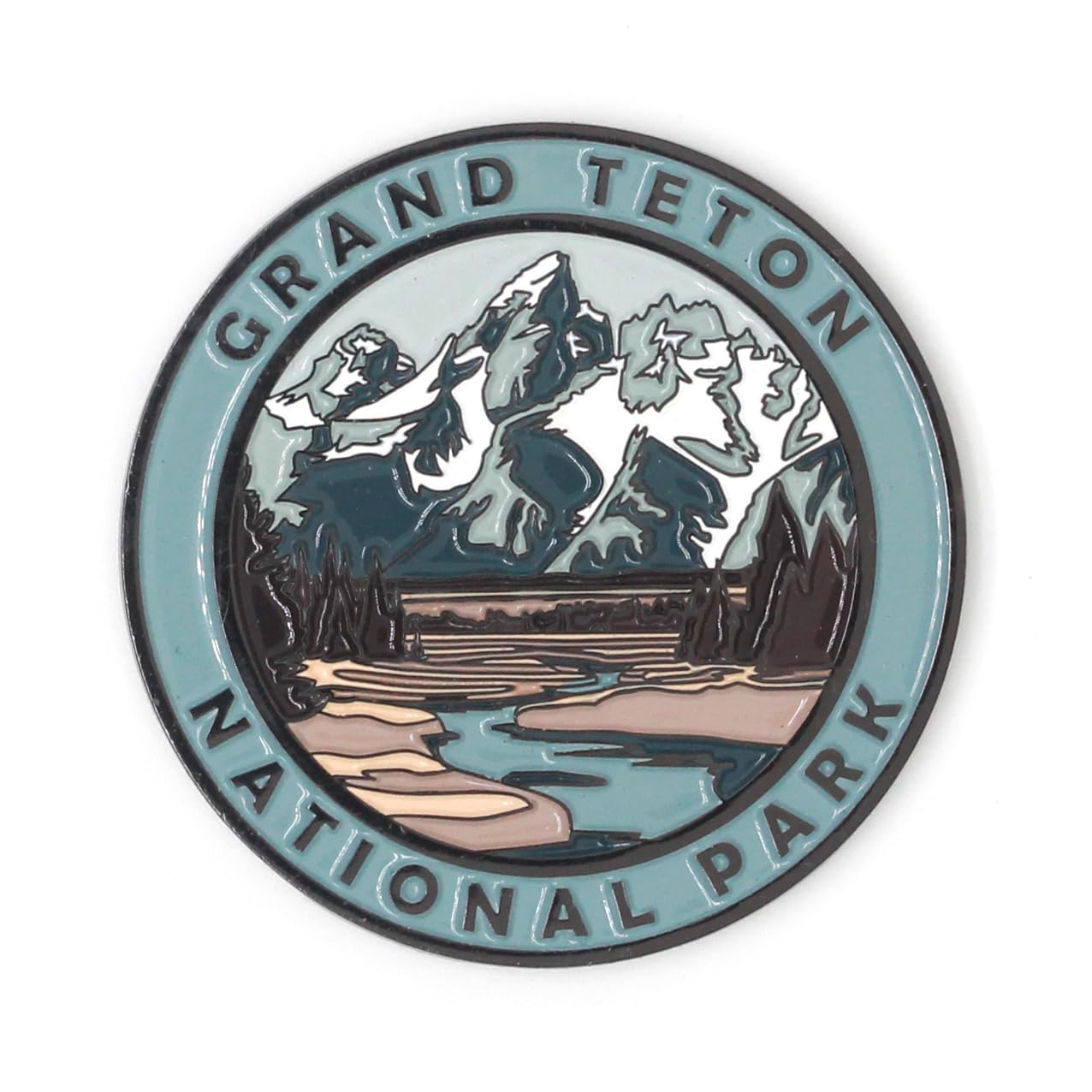 Grand Teton National Park
Magnet
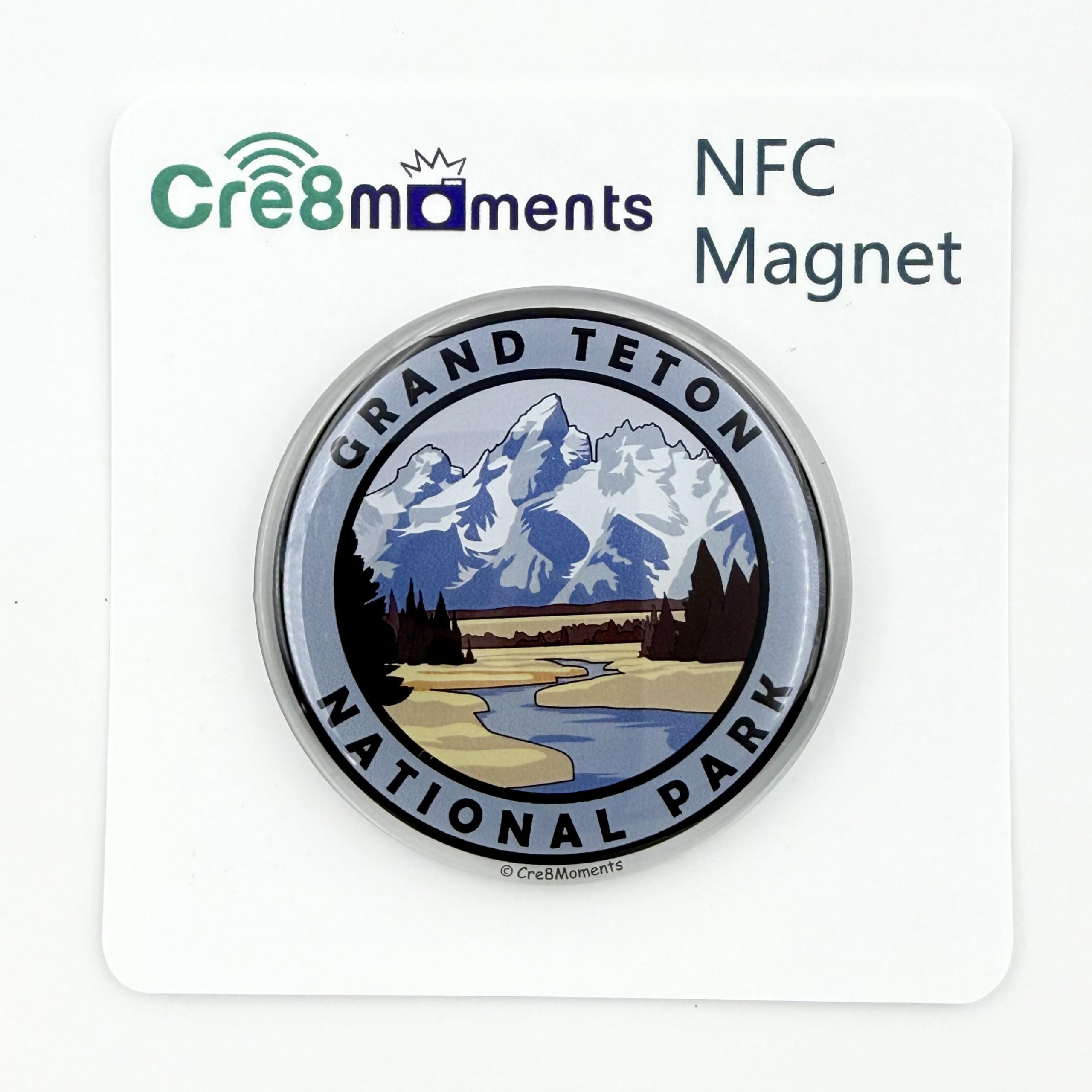 Grand Teton National Park
NFC Magnet
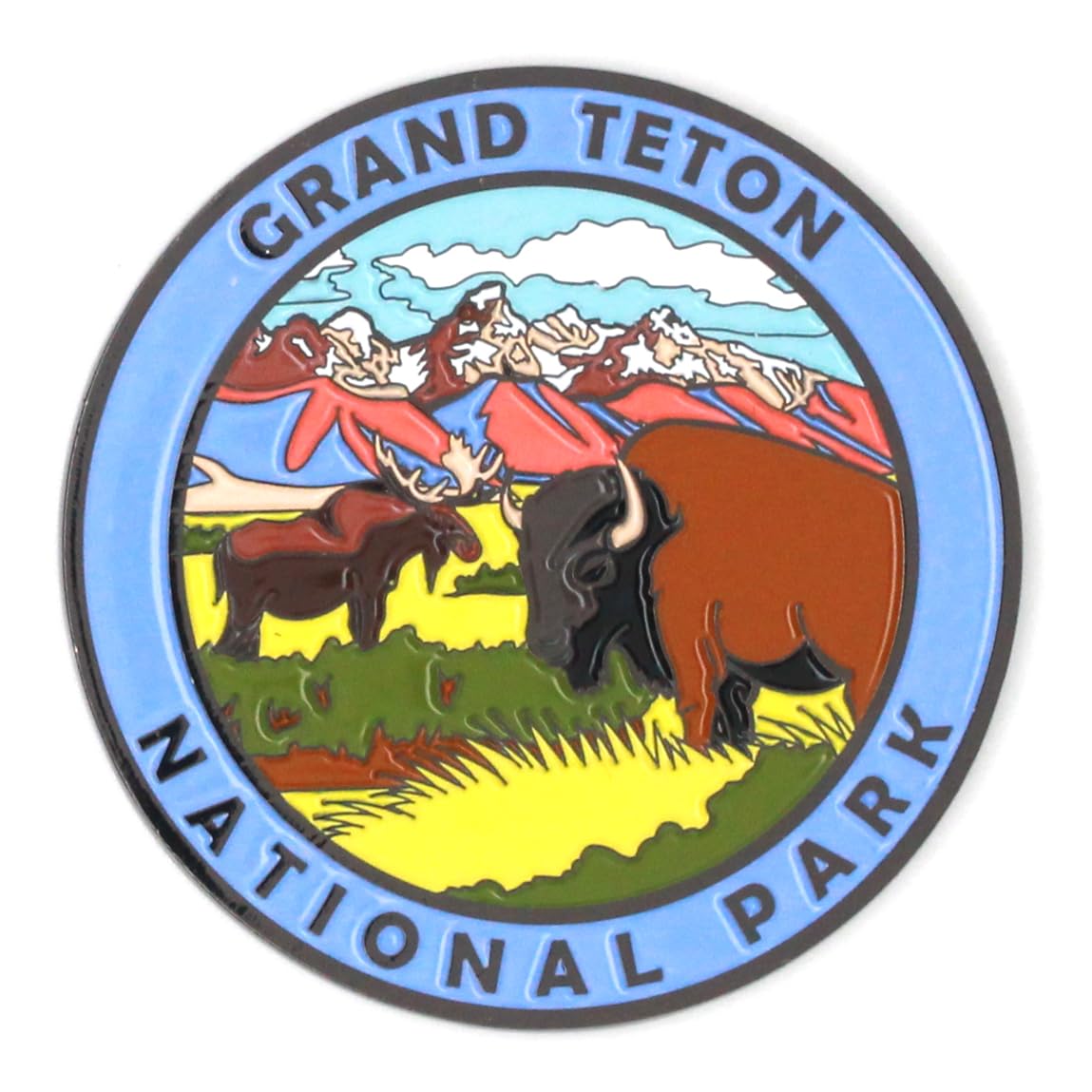 Grand Teton National Park
Magnet
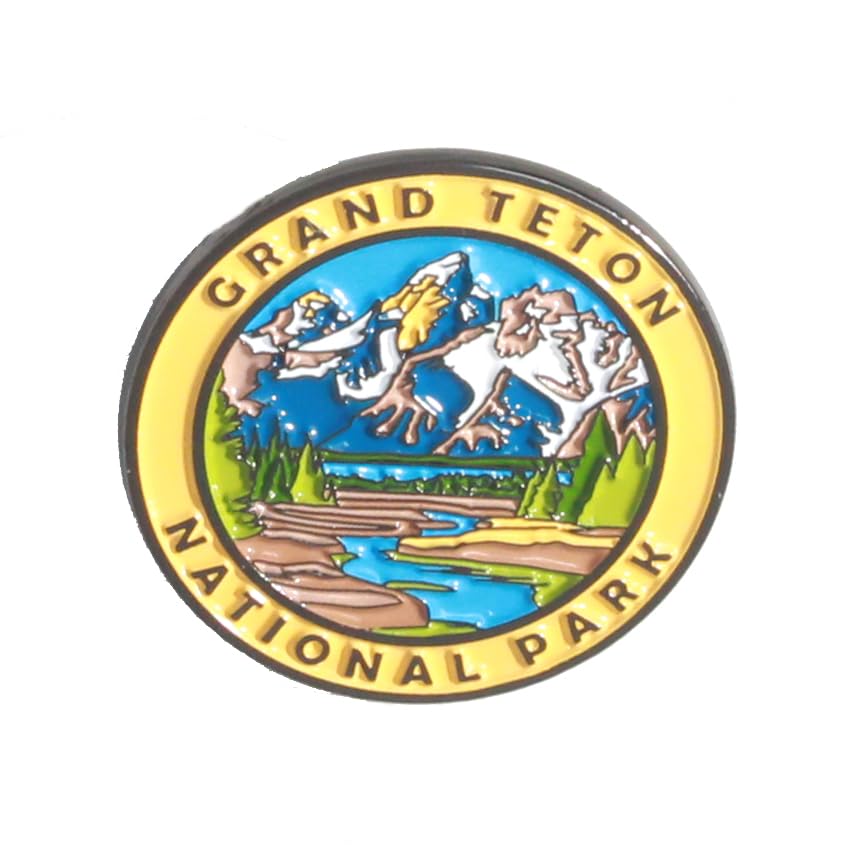 Grand Teton National Park
Pin
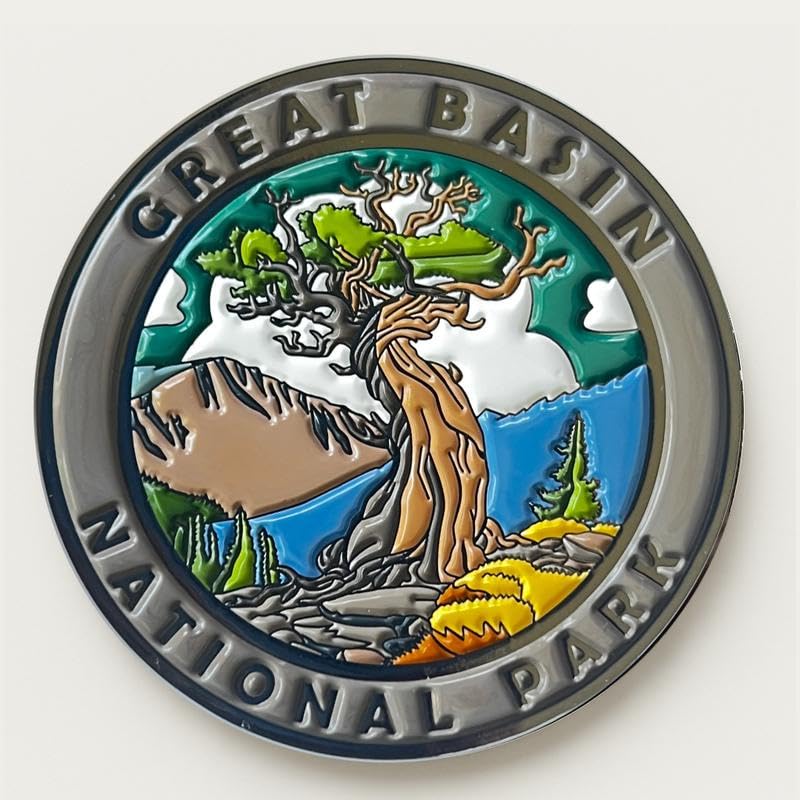 Great Basin National Park
Magnet
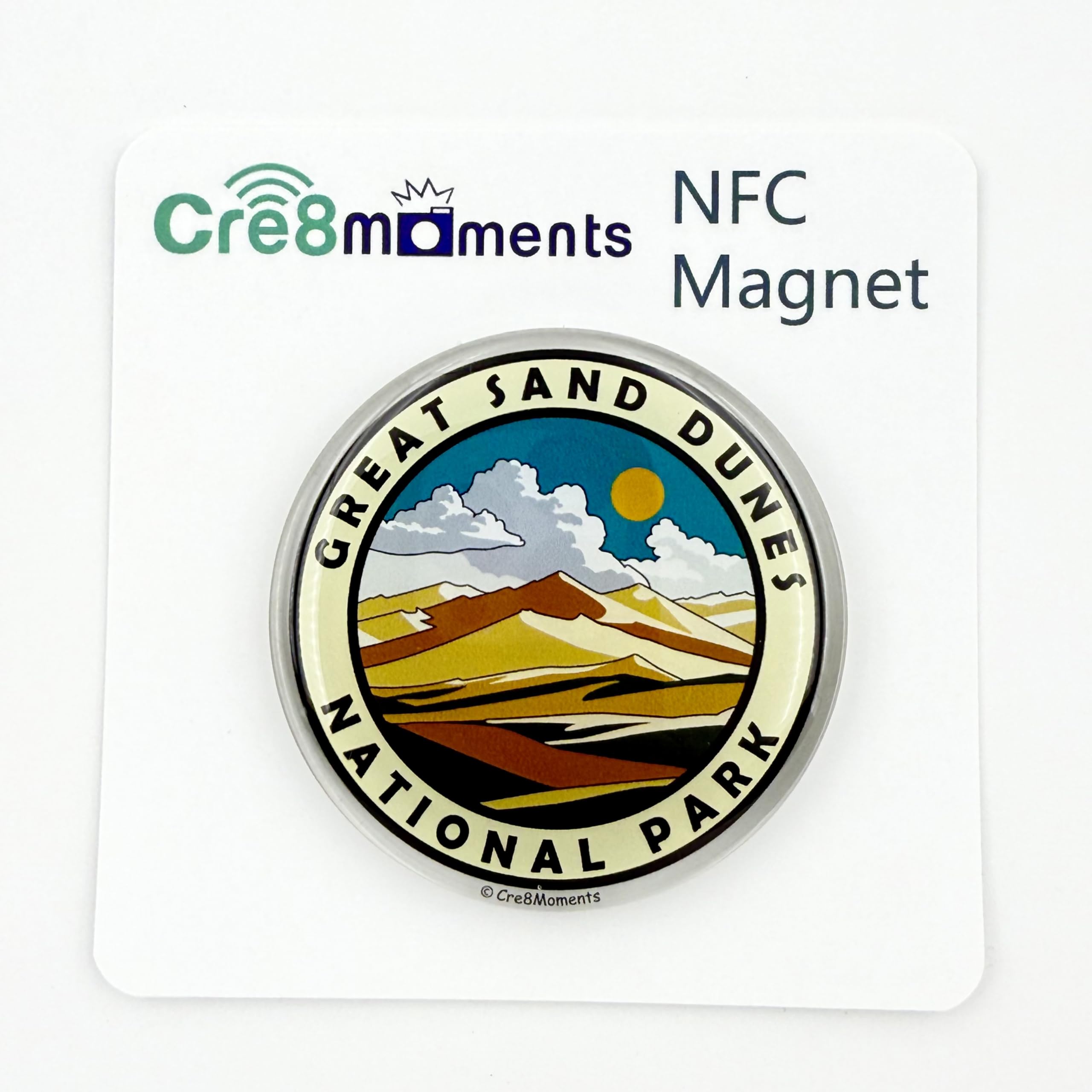 Great Sand Dunes National Park
NFC Magnet
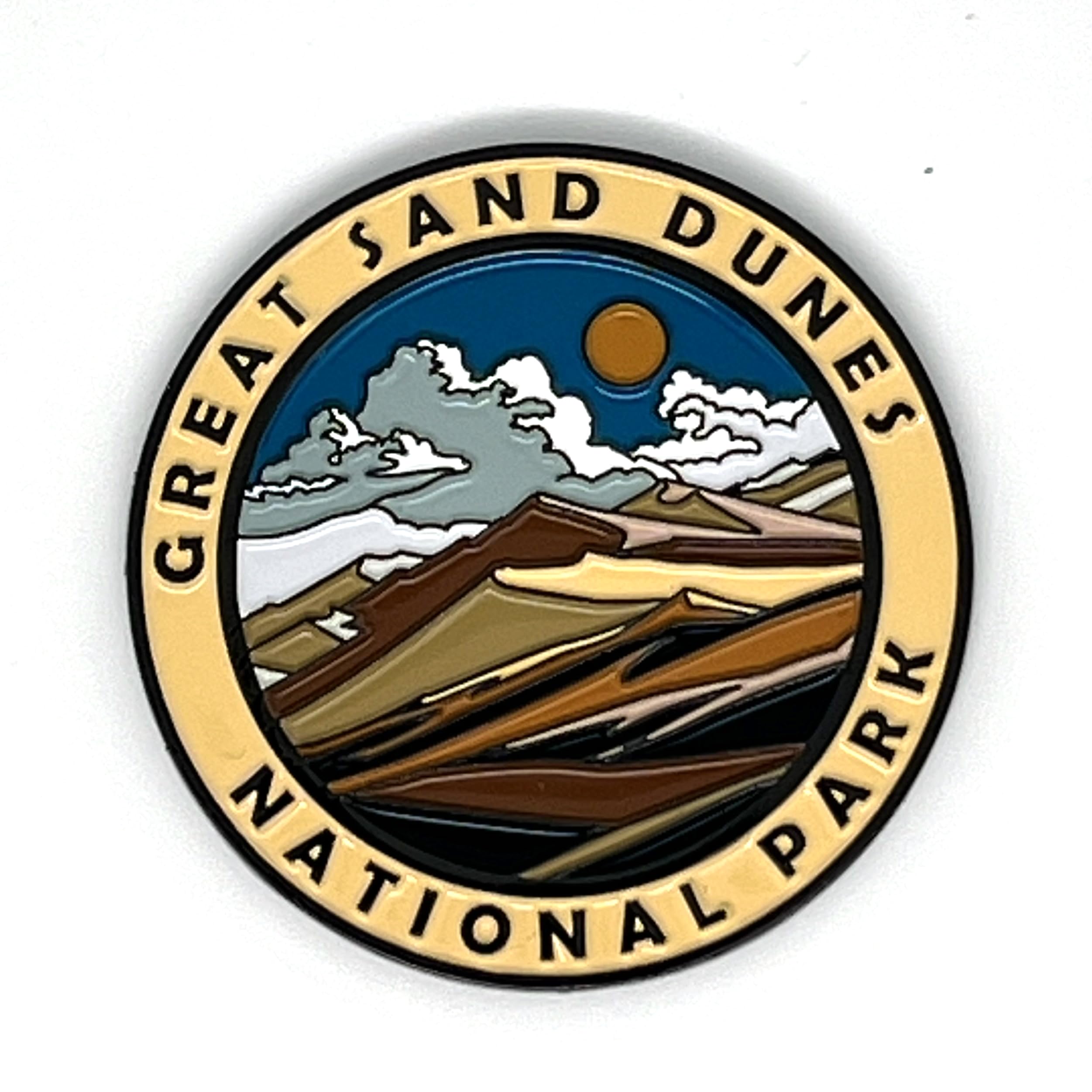 Great Sand Dunes National Park
Magnet
 Great Sand Dunes National Park
Pin
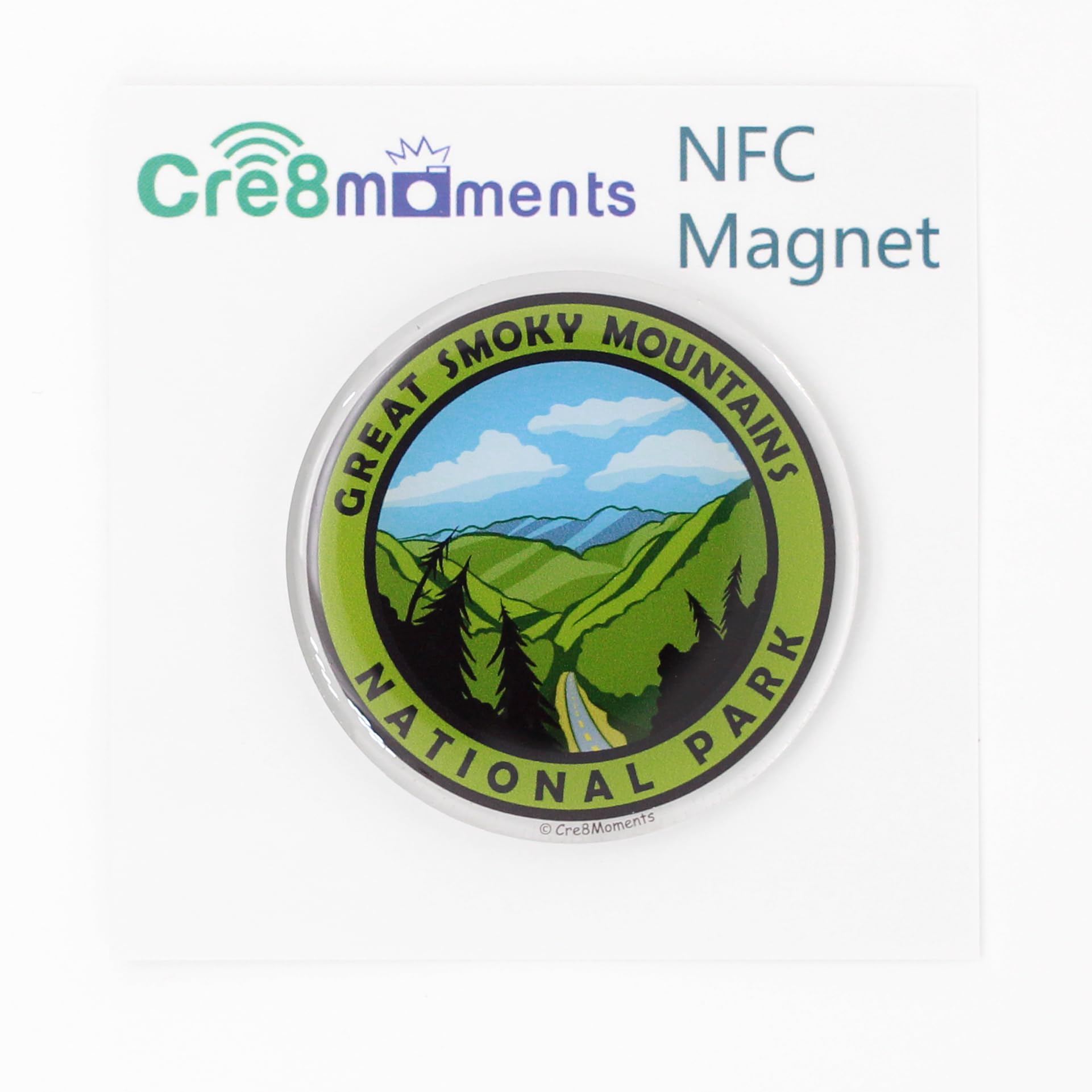 Great Smoky Mountains National Park
NFC Magnet
 Great Smoky Mountains National Park
Magnet
 Great Smoky Mountains National Park
Pin
 Guadalupe Mountains National Park
Magnet
 Hawaii Volcanoes National Park
Magnet
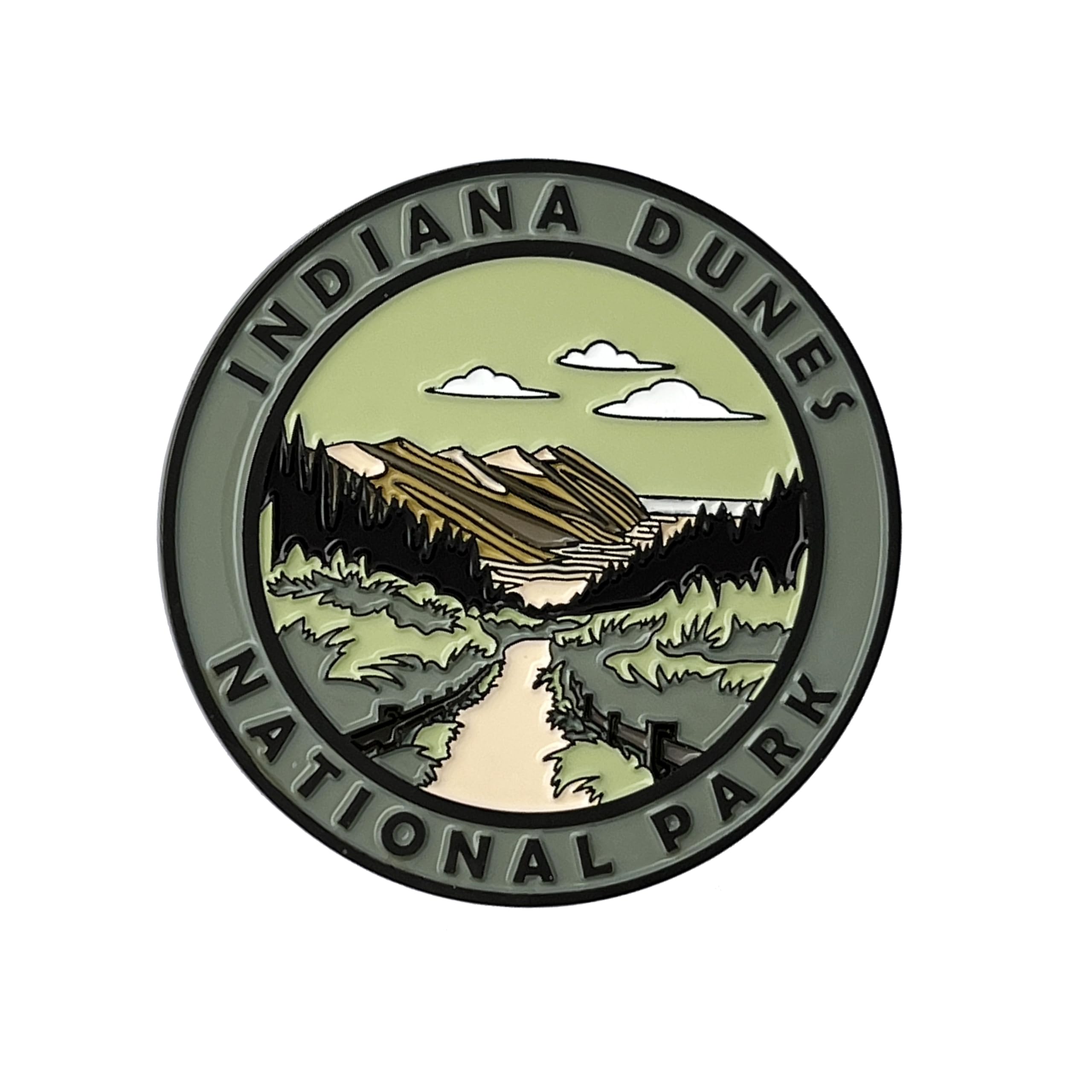 Indiana Dunes National Park
Magnet
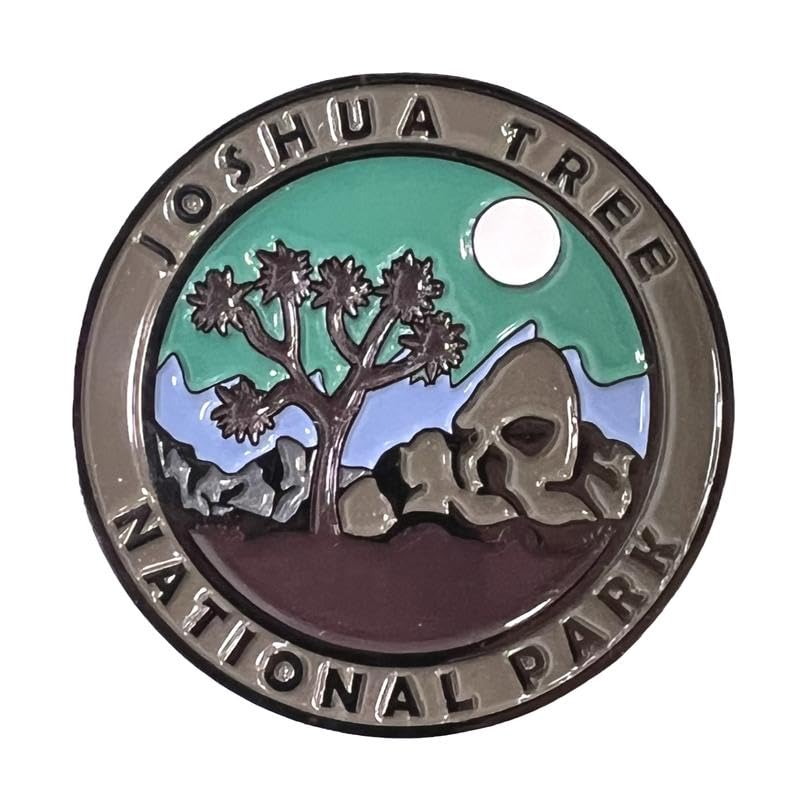 Joshua Tree National Park
Magnet
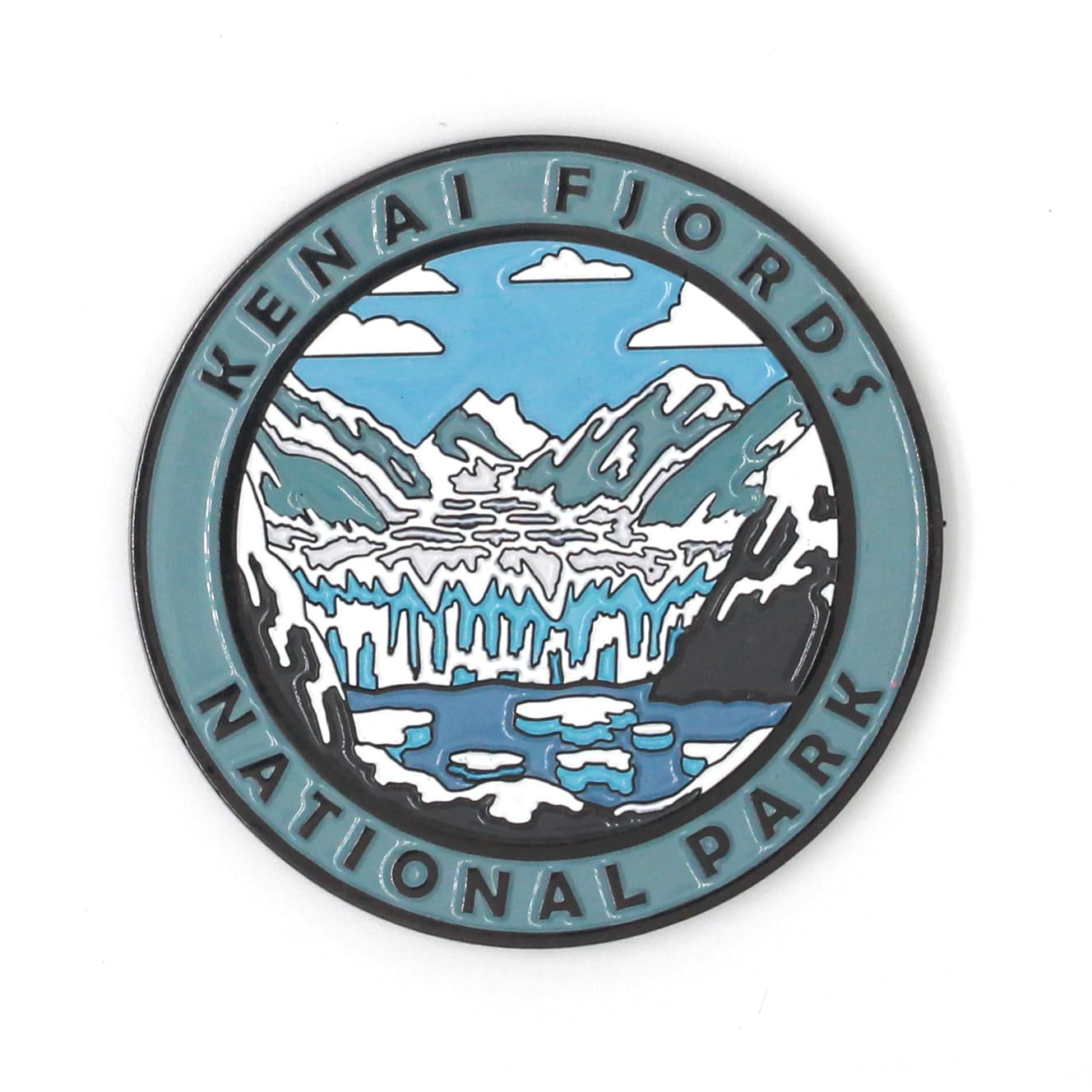 Kenai Fjords National Park
Magnet
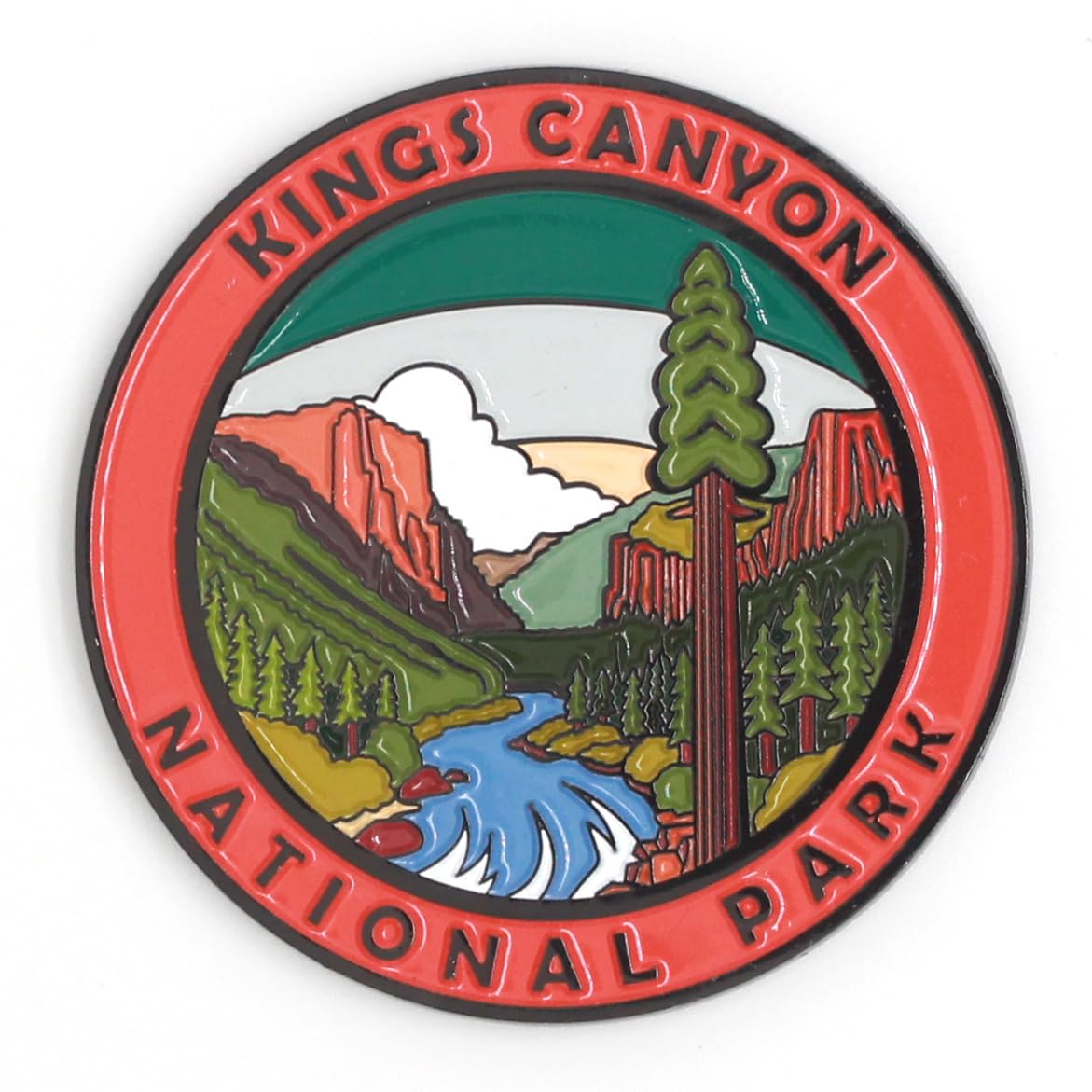 Kings Canyon National Park
Magnet
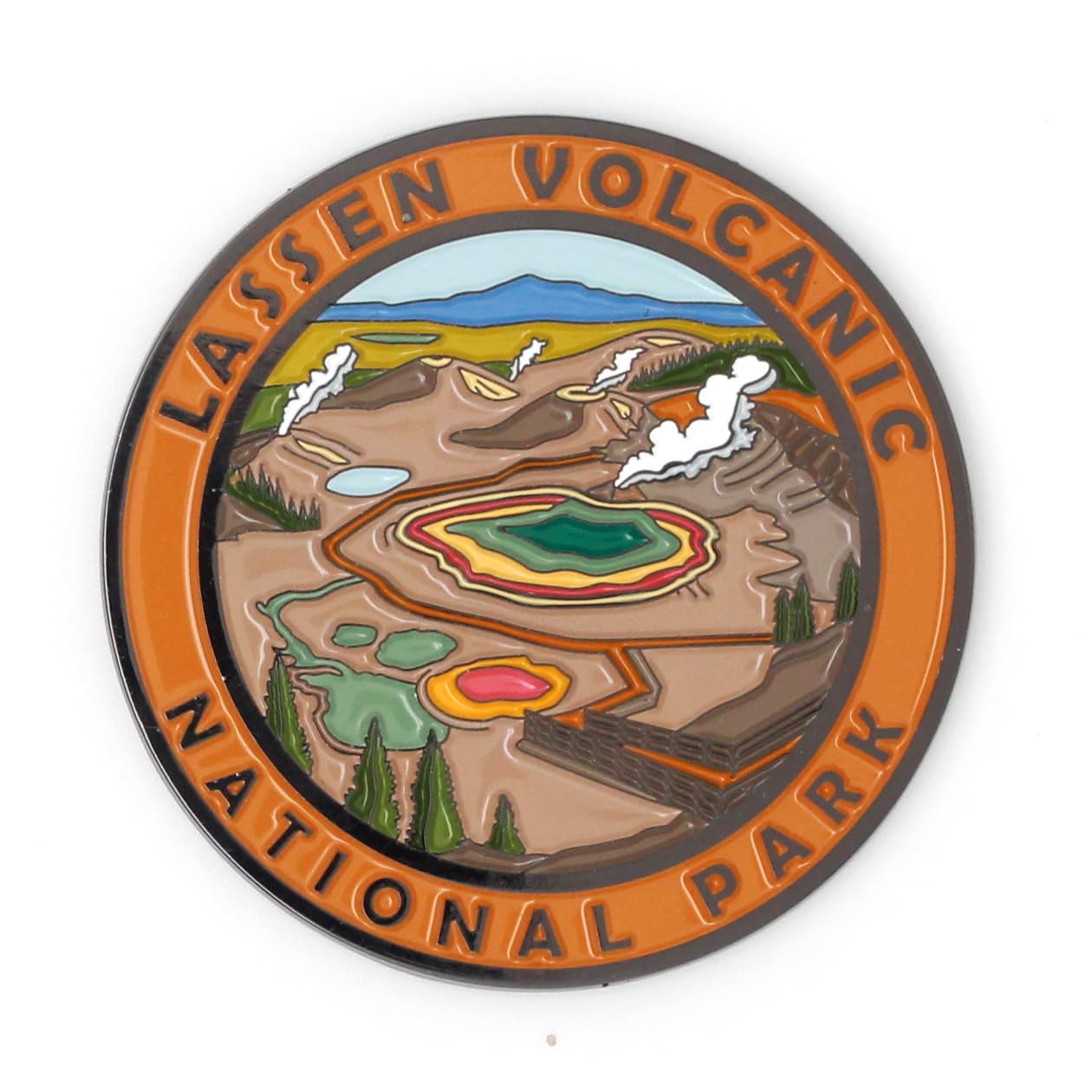 Lassen Volcanic National Park
Magnet
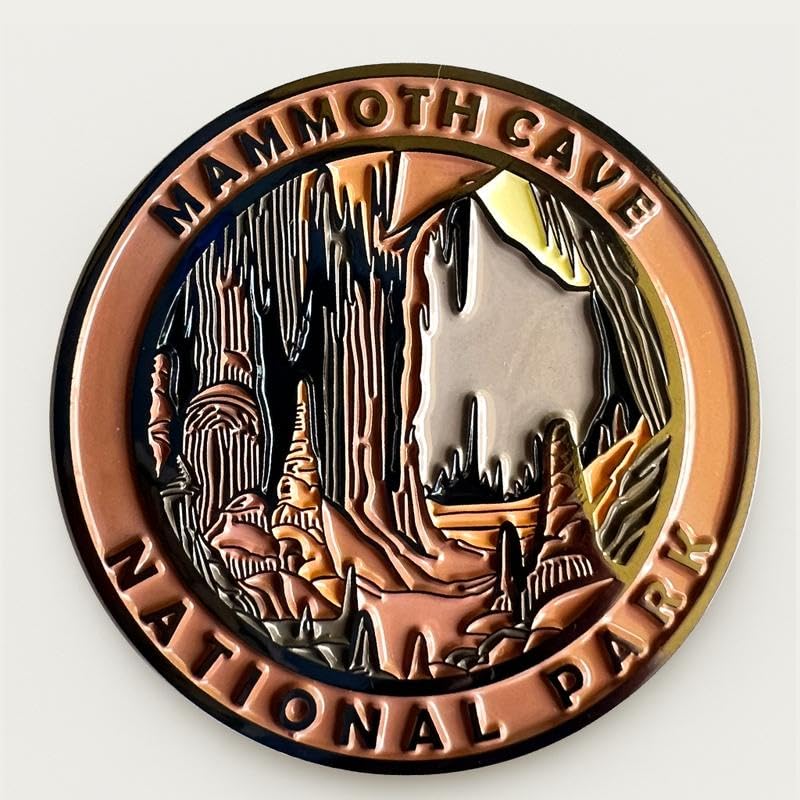 Mammoth Cave National Park
Magnet
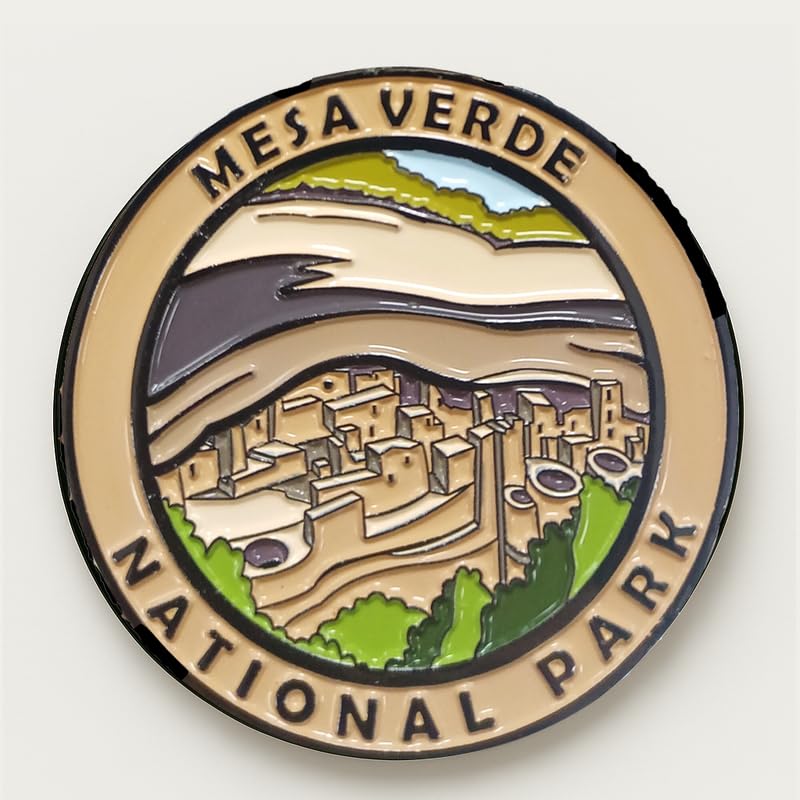 Mesa Verde National Park
Magnet
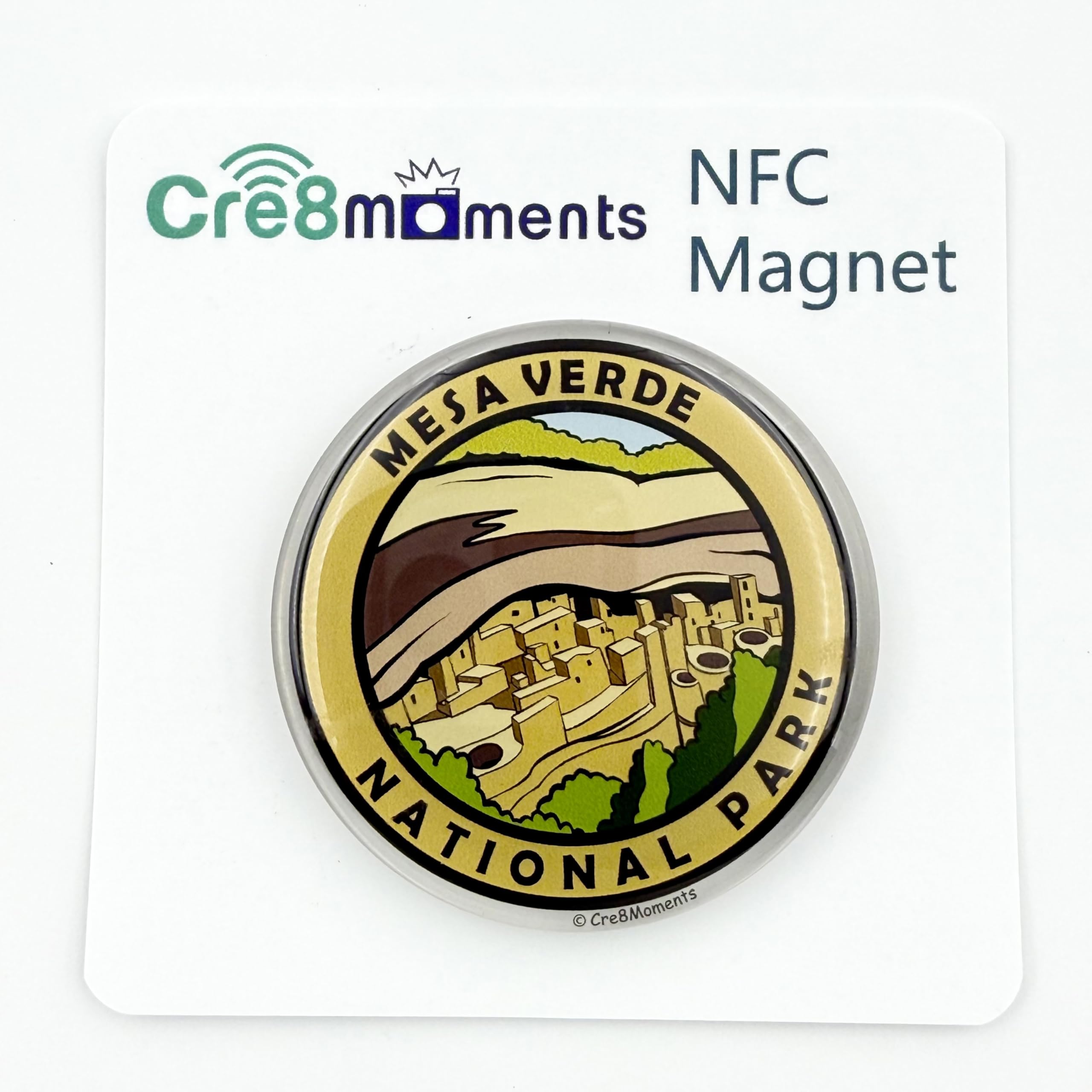 Mesa Verde National Park
NFC Magnet
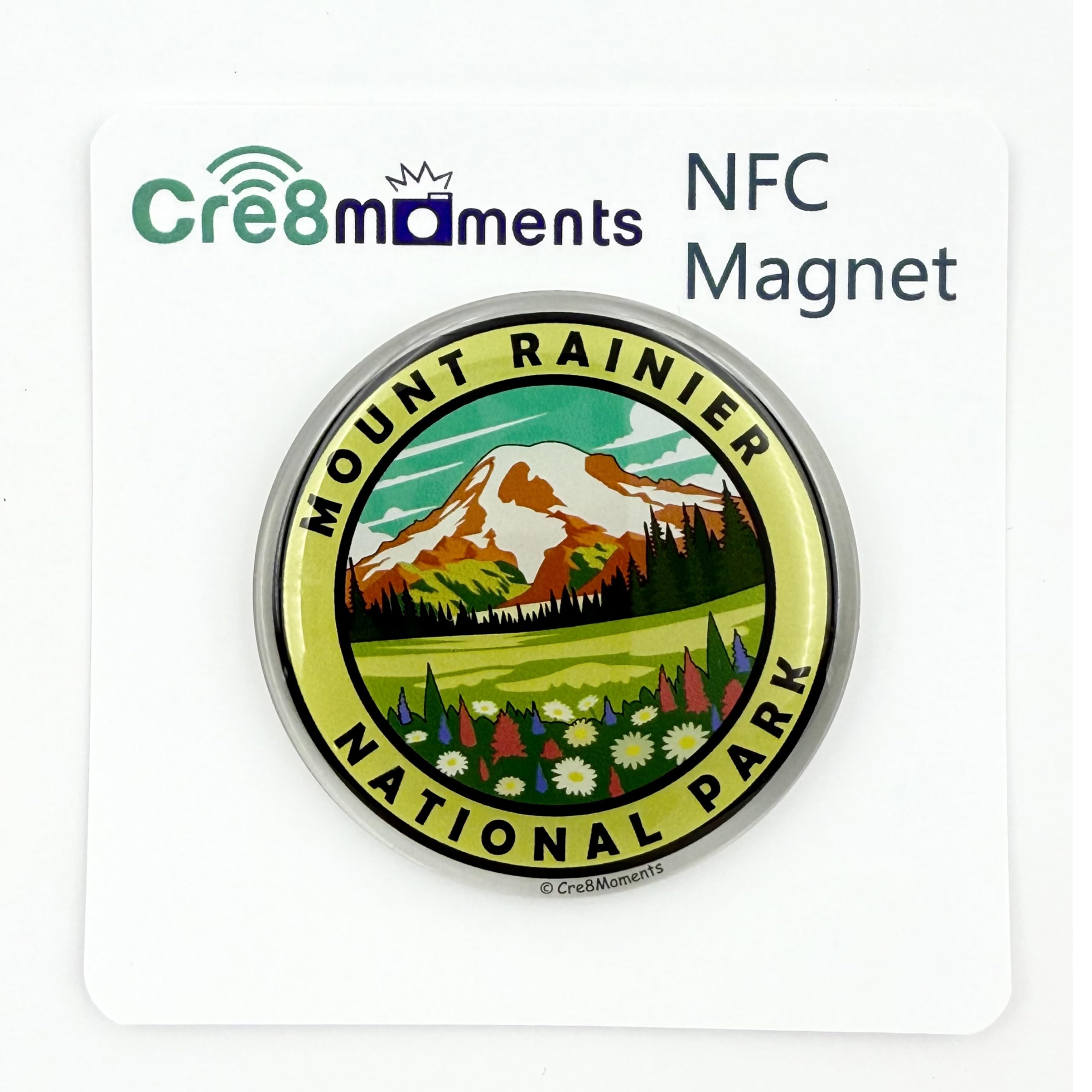 Mount Rainier National Park
NFC Magnet
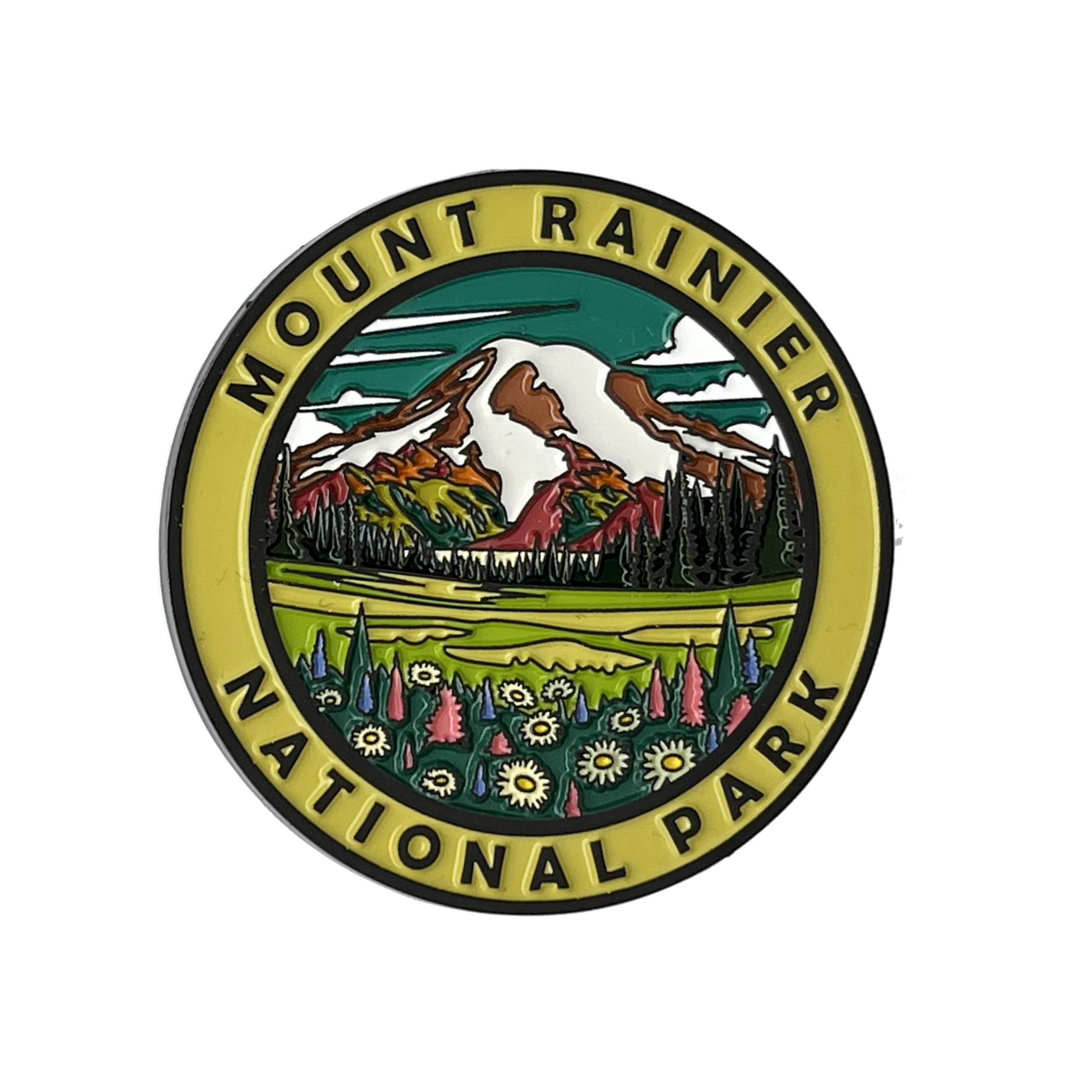 Mount Rainier National Park
Magnet
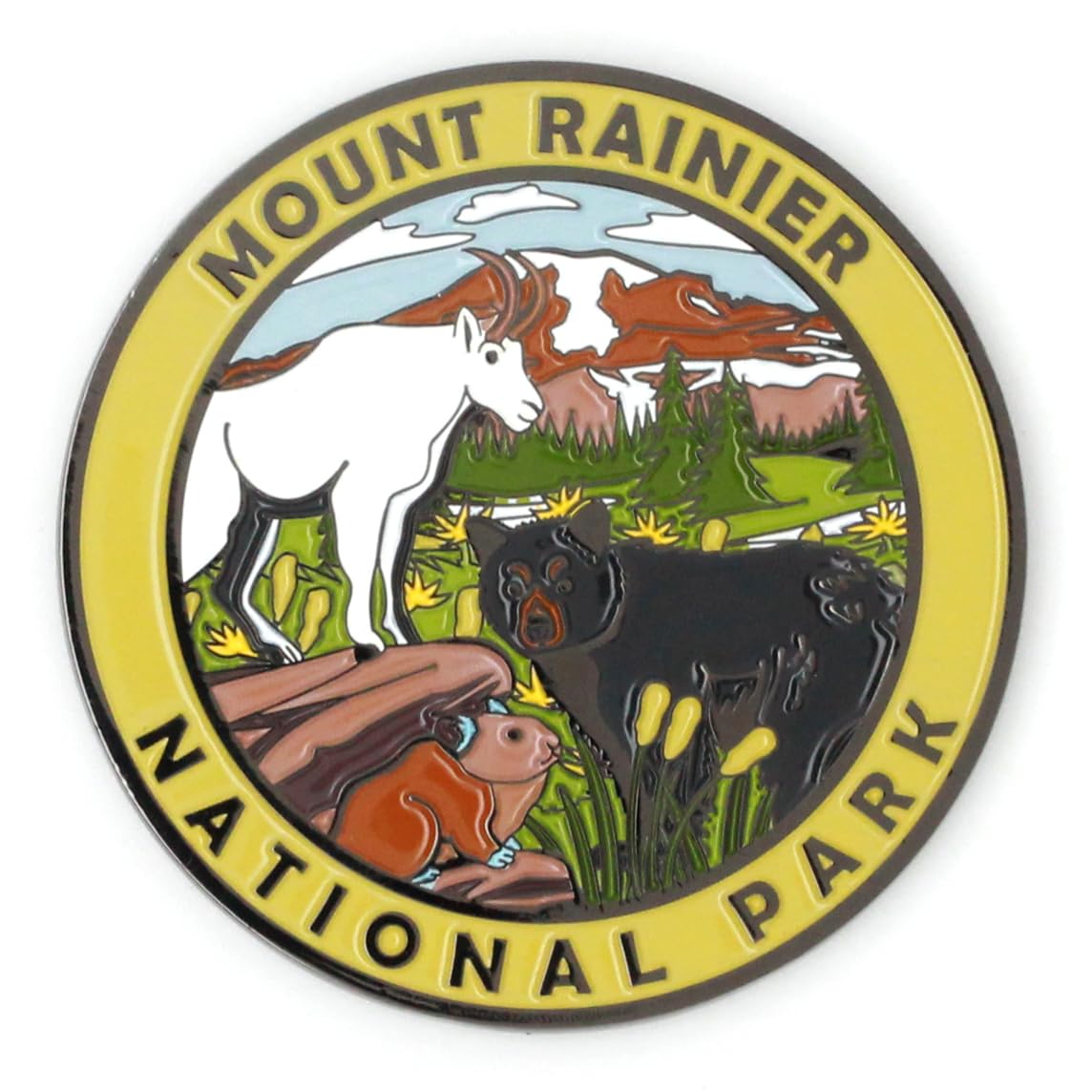 Mount Rainier National Park
Magnet
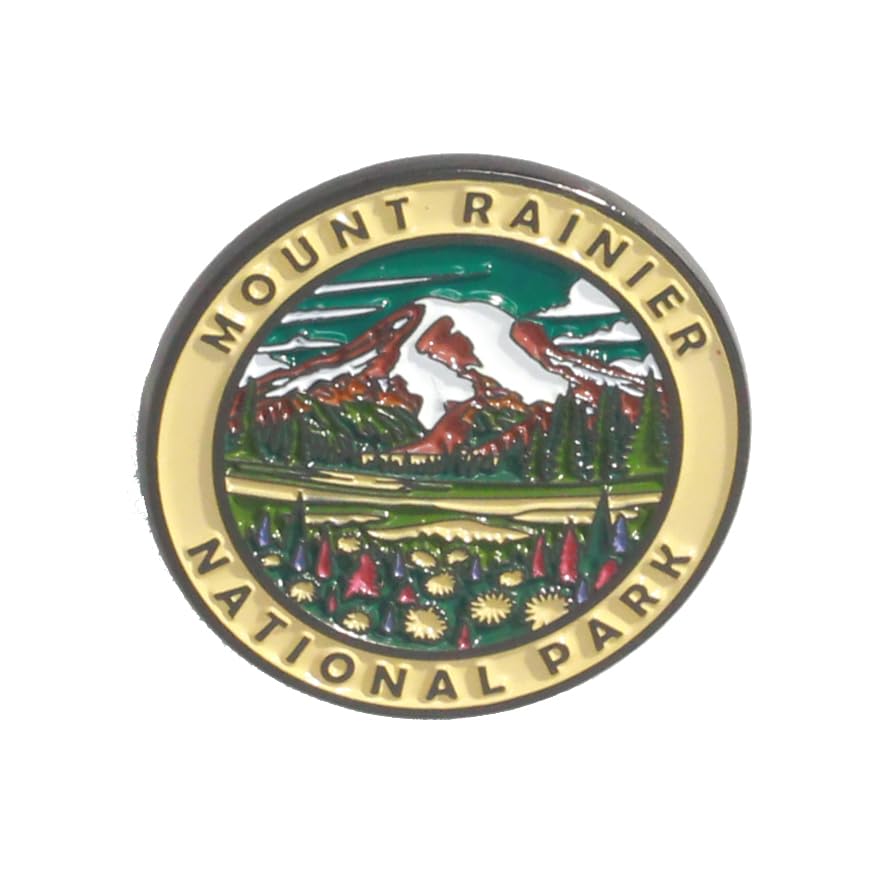 Mount Rainier National Park
Pin
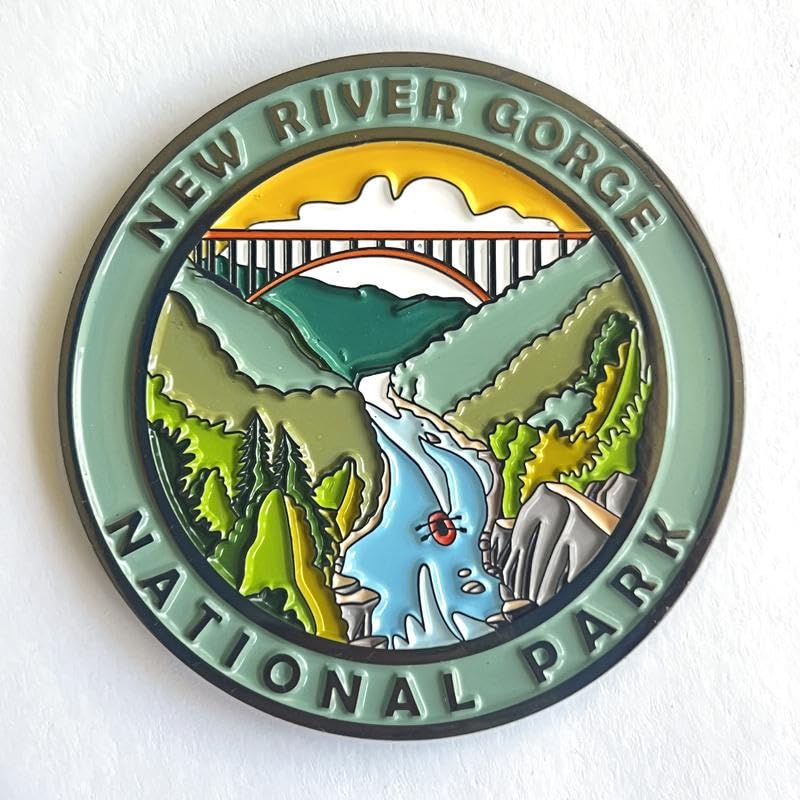 New River Gorge National Park and Preserve
Magnet
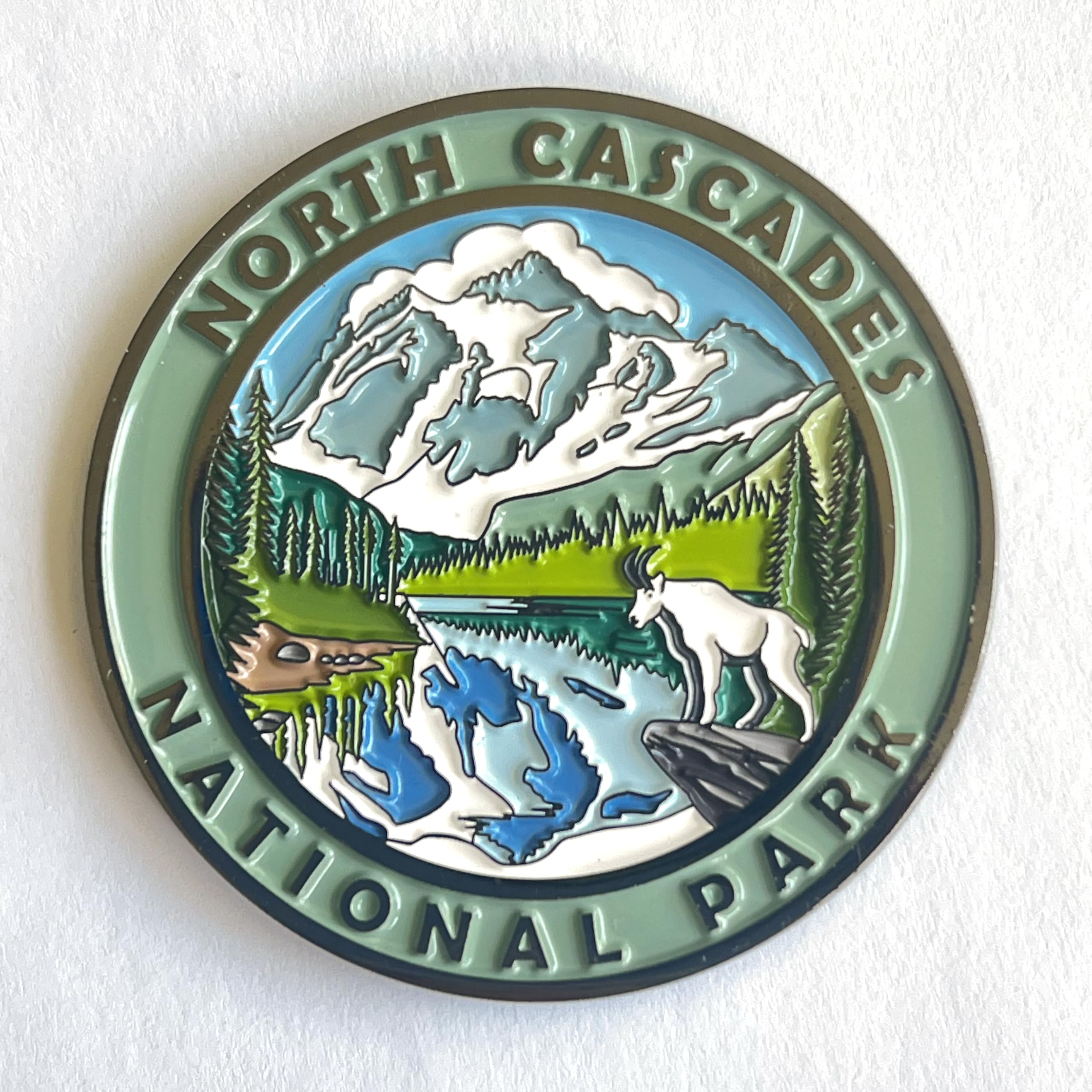 North Cascades National Park
Magnet
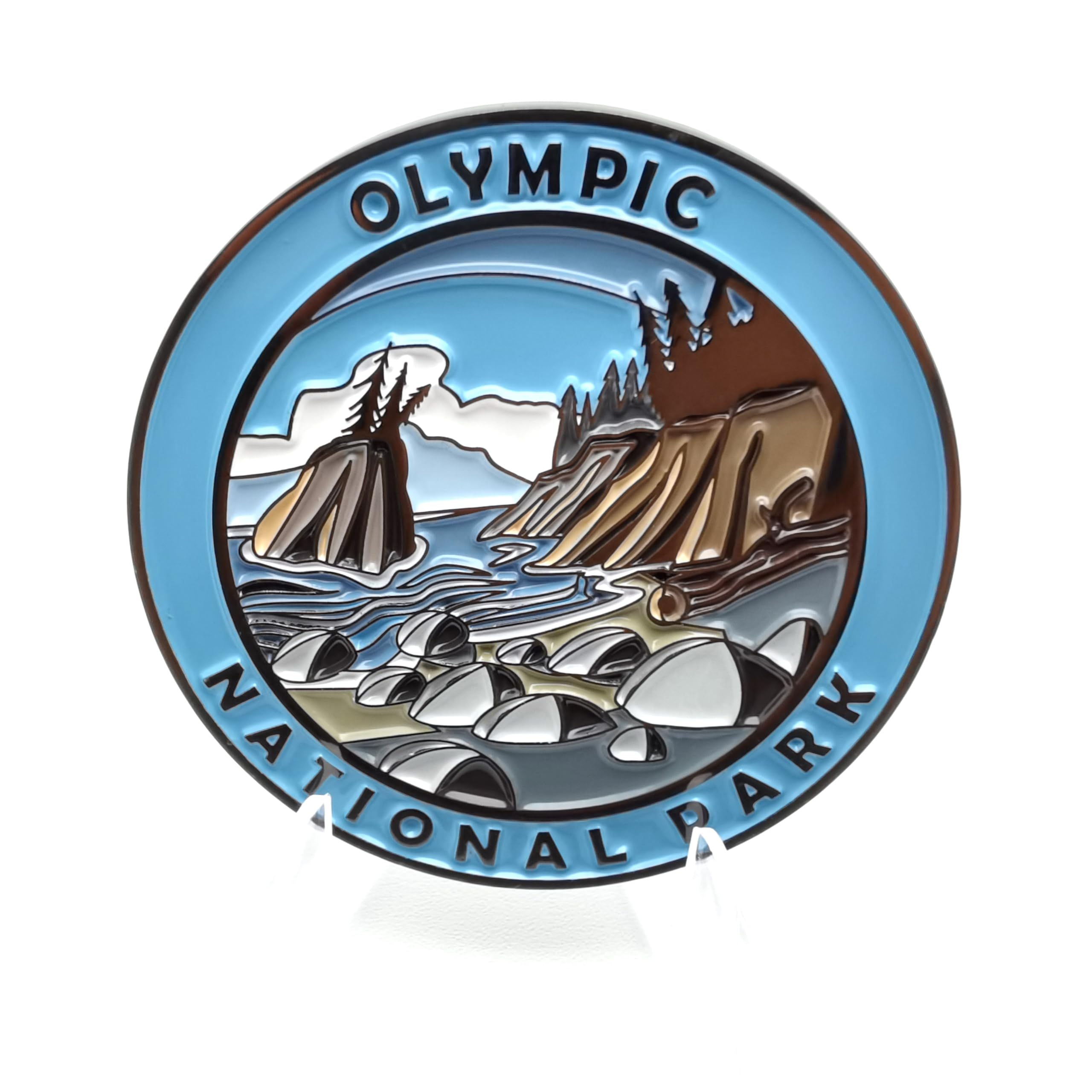 Olympic National Park
Magnet
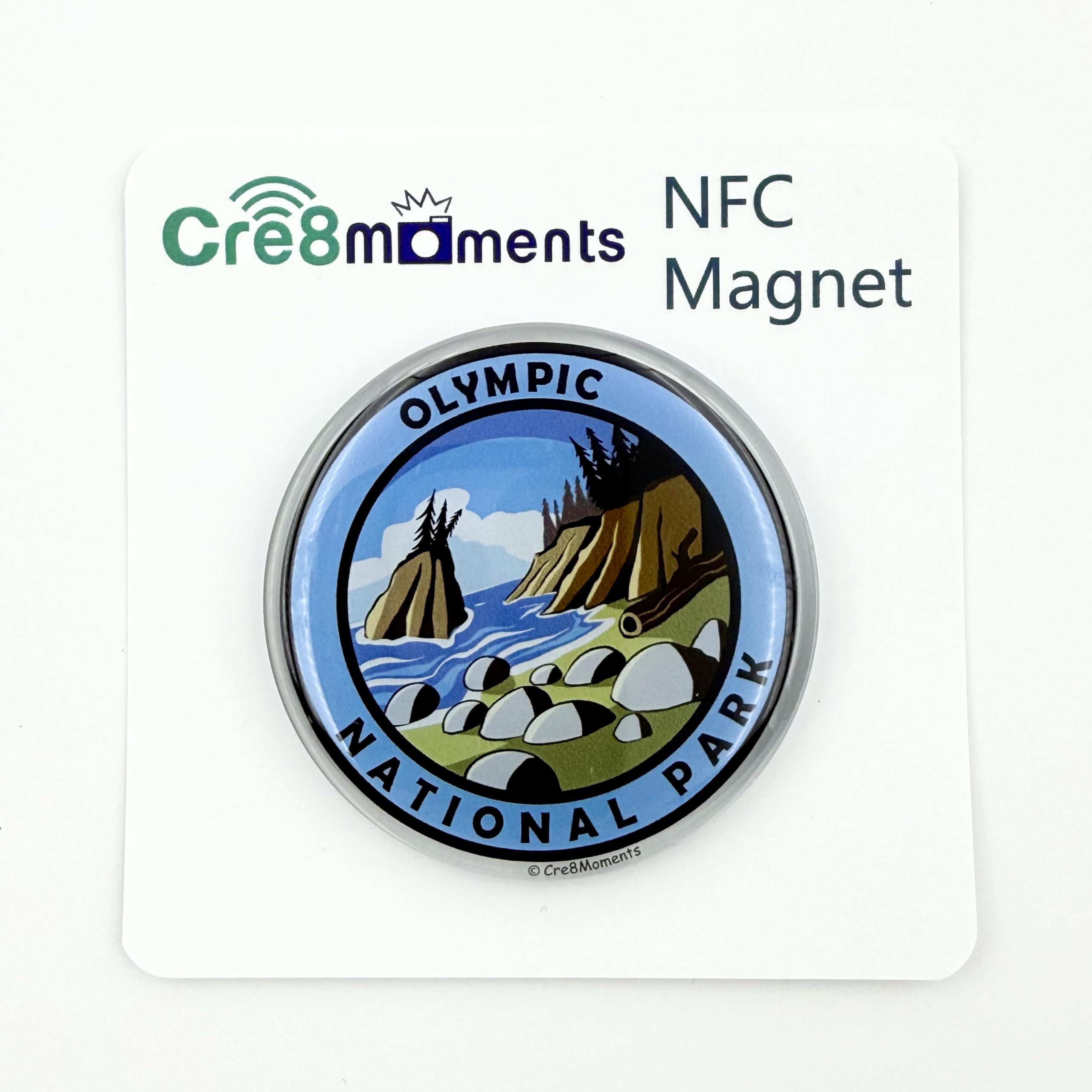 Olympic National Park
NFC Magnet
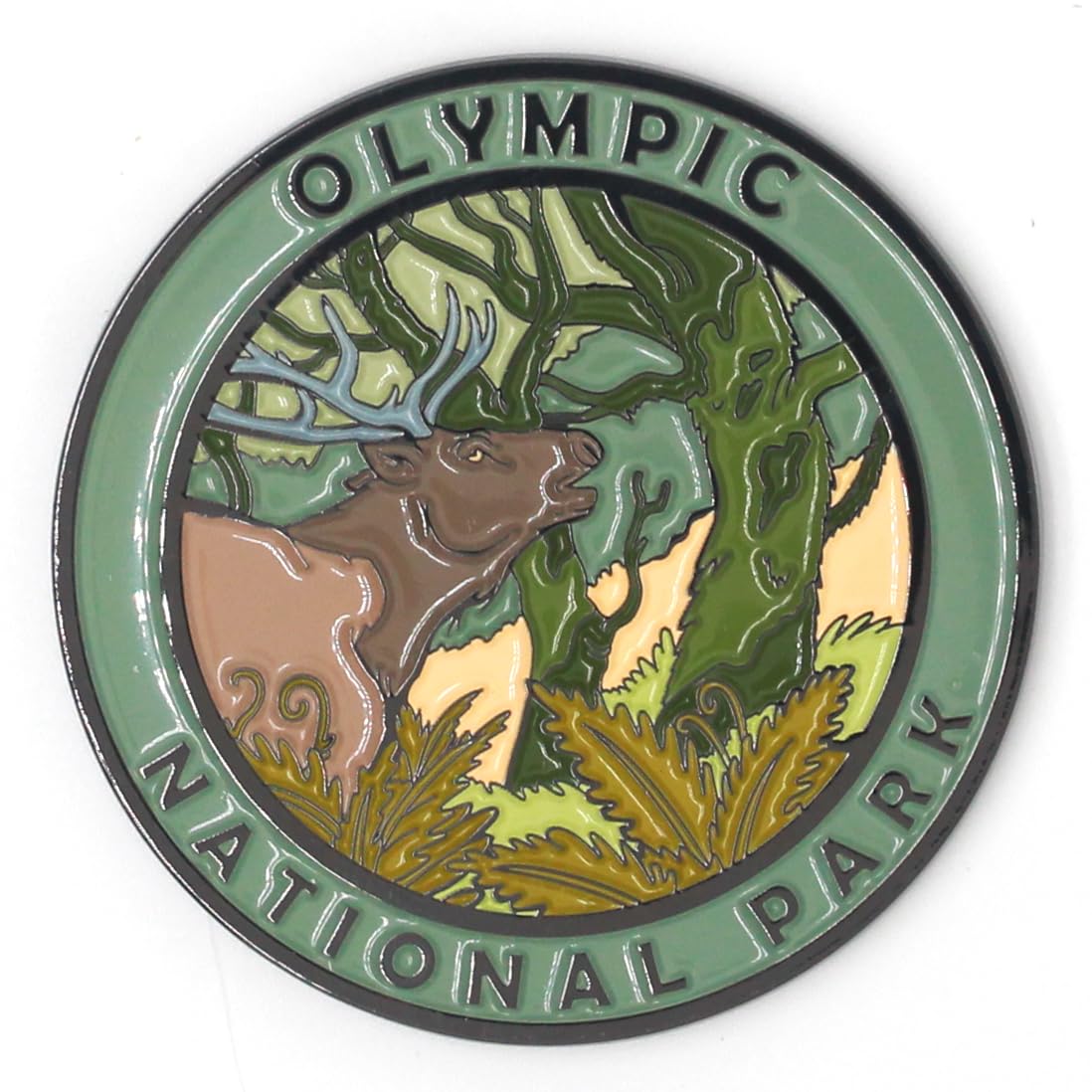 Olympic National Park
Magnet
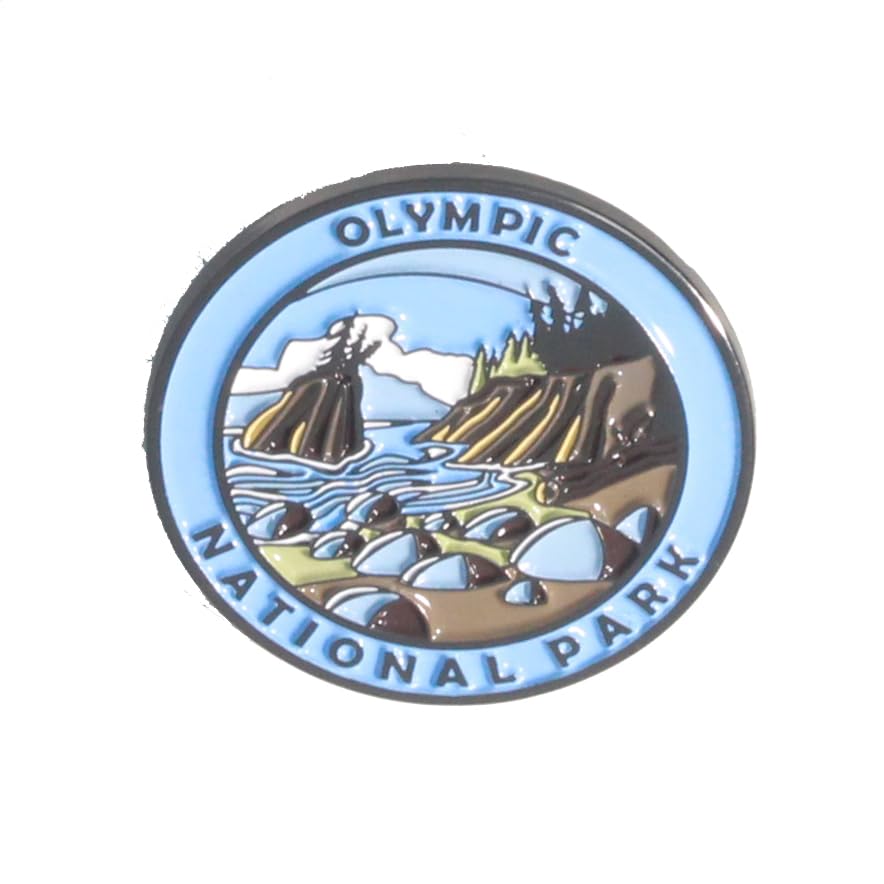 Olympic National Park
Pin
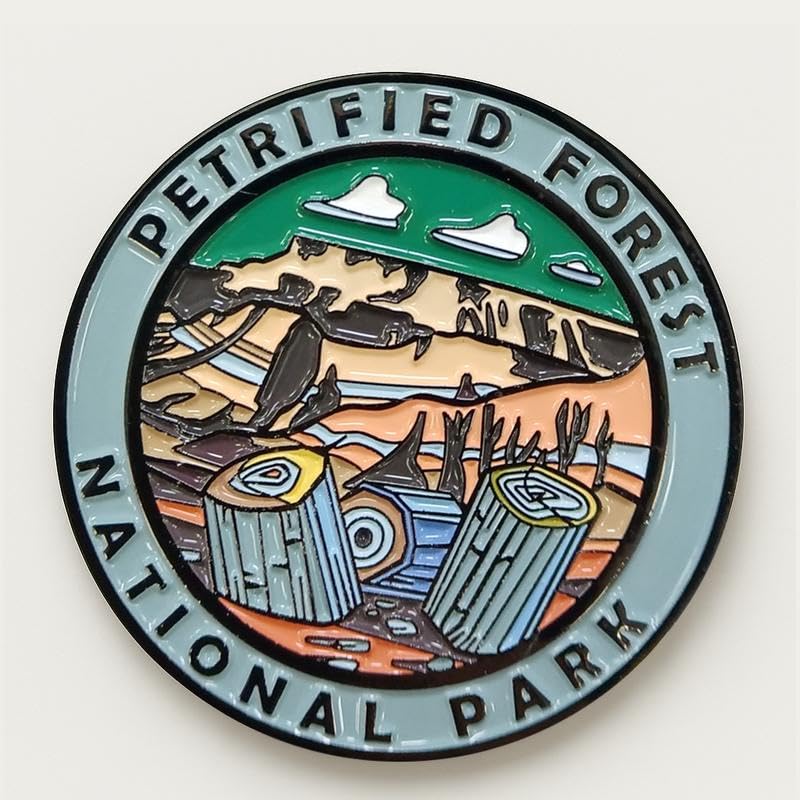 Petrified Forest National Park
Magnet
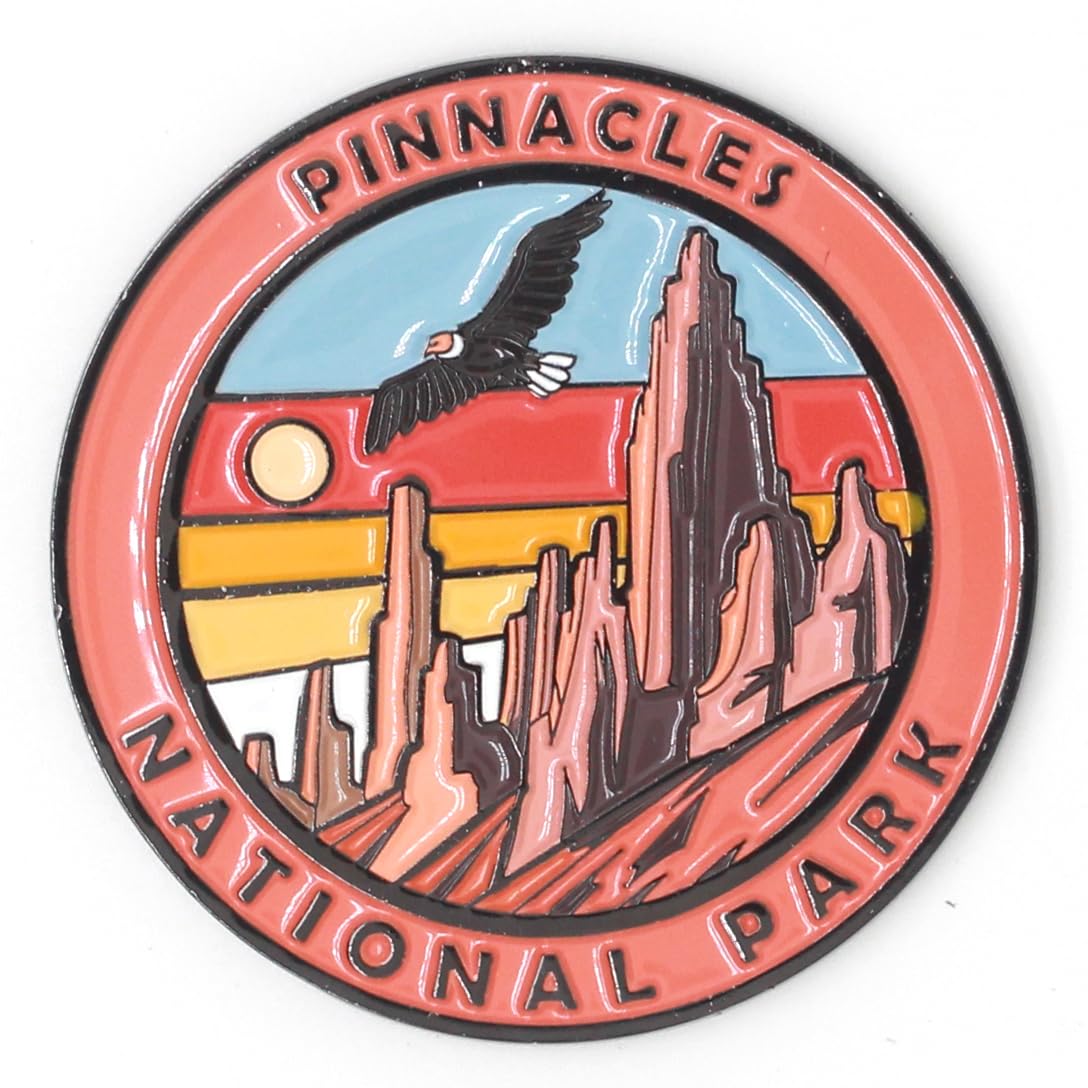 Pinnacles National Park
Magnet
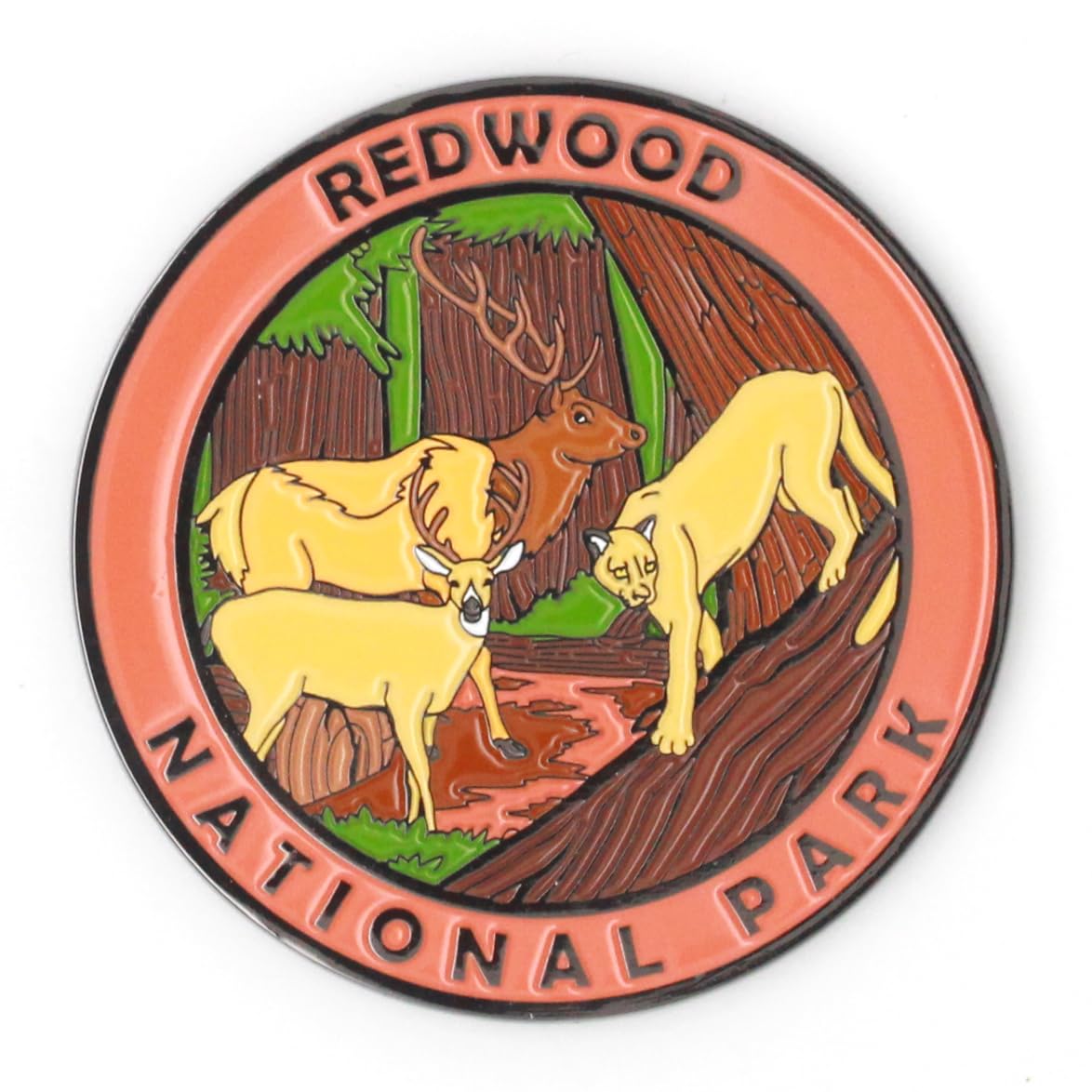 Redwood National Park
Magnet
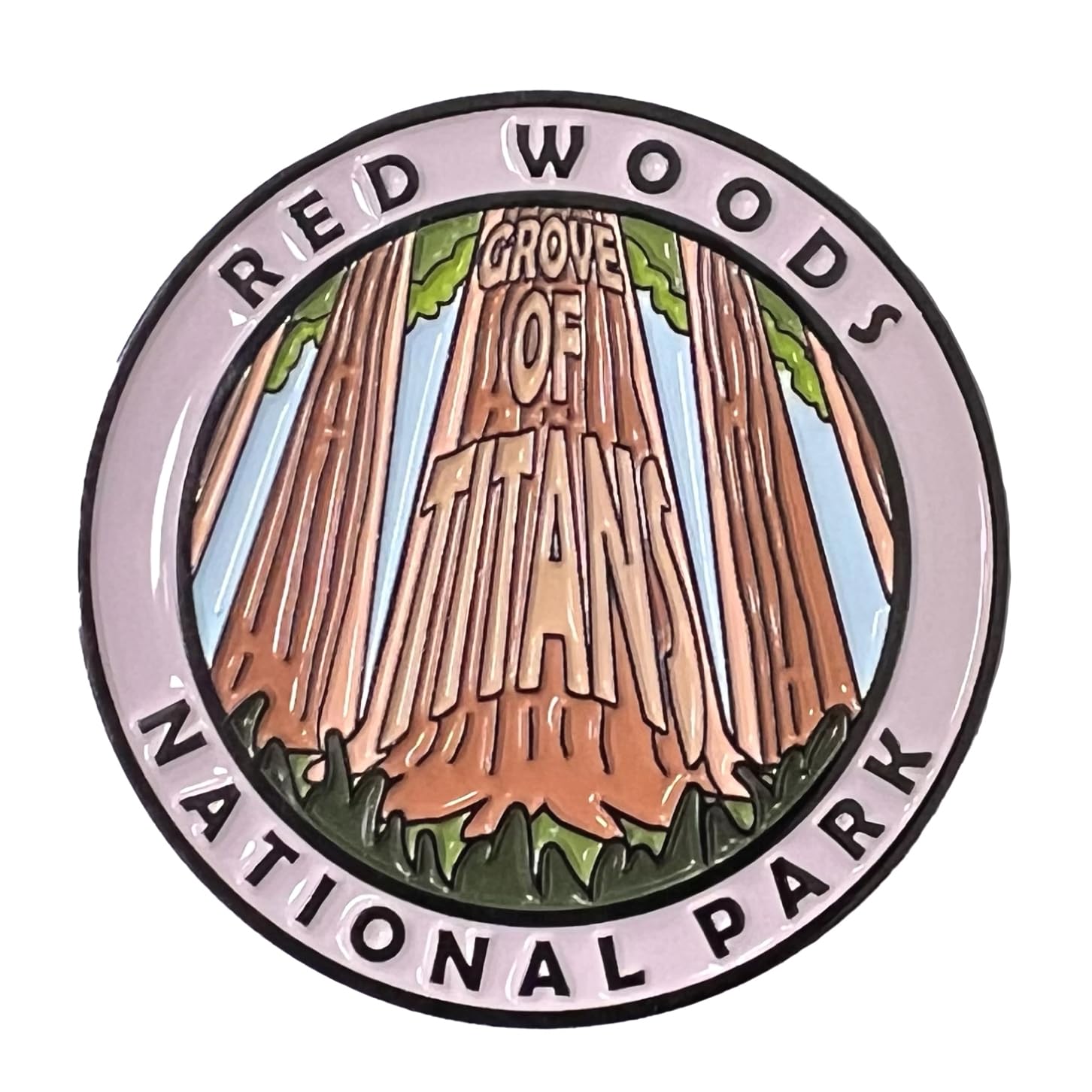 Redwood National Park
Magnet
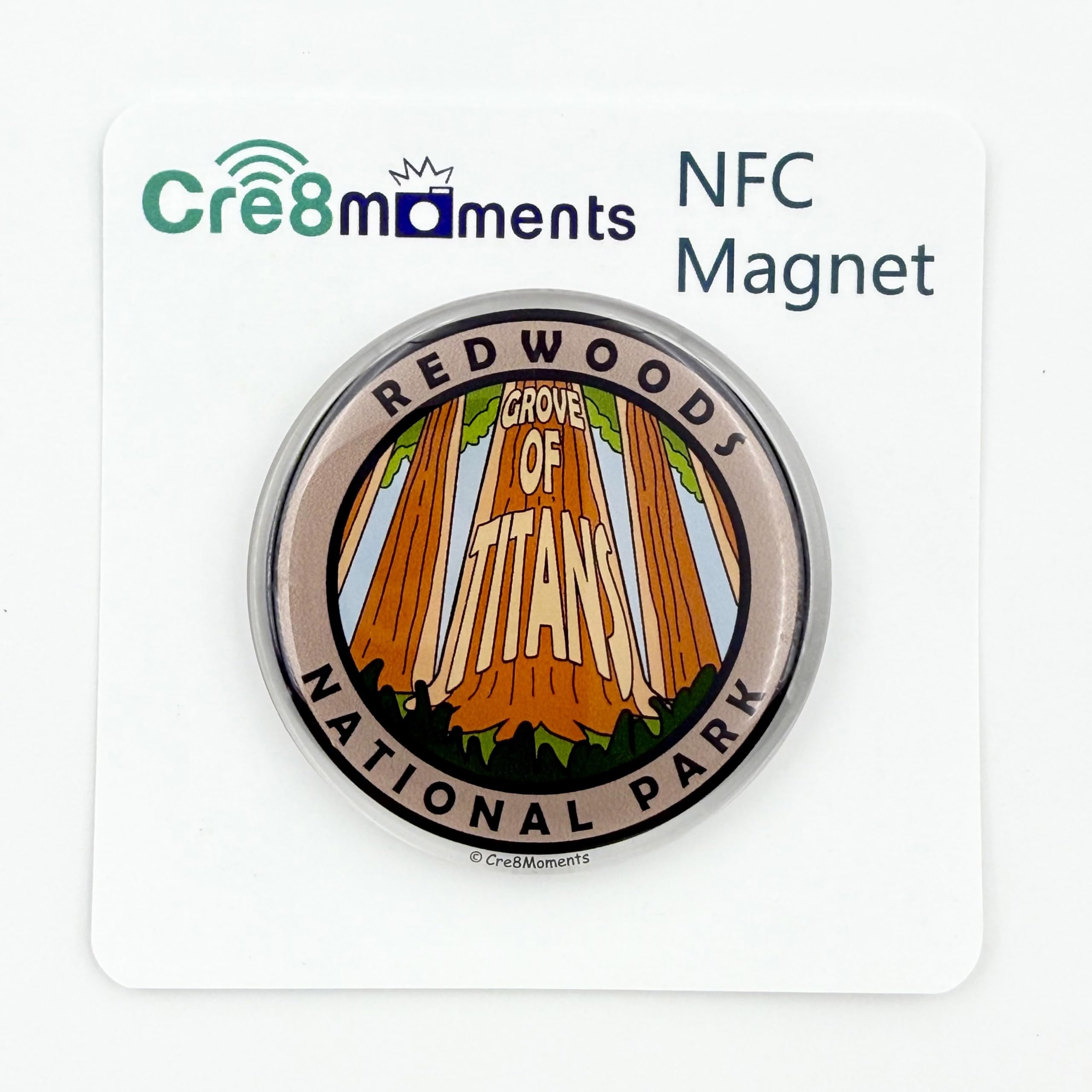 Redwood National Park
NFC Magnet
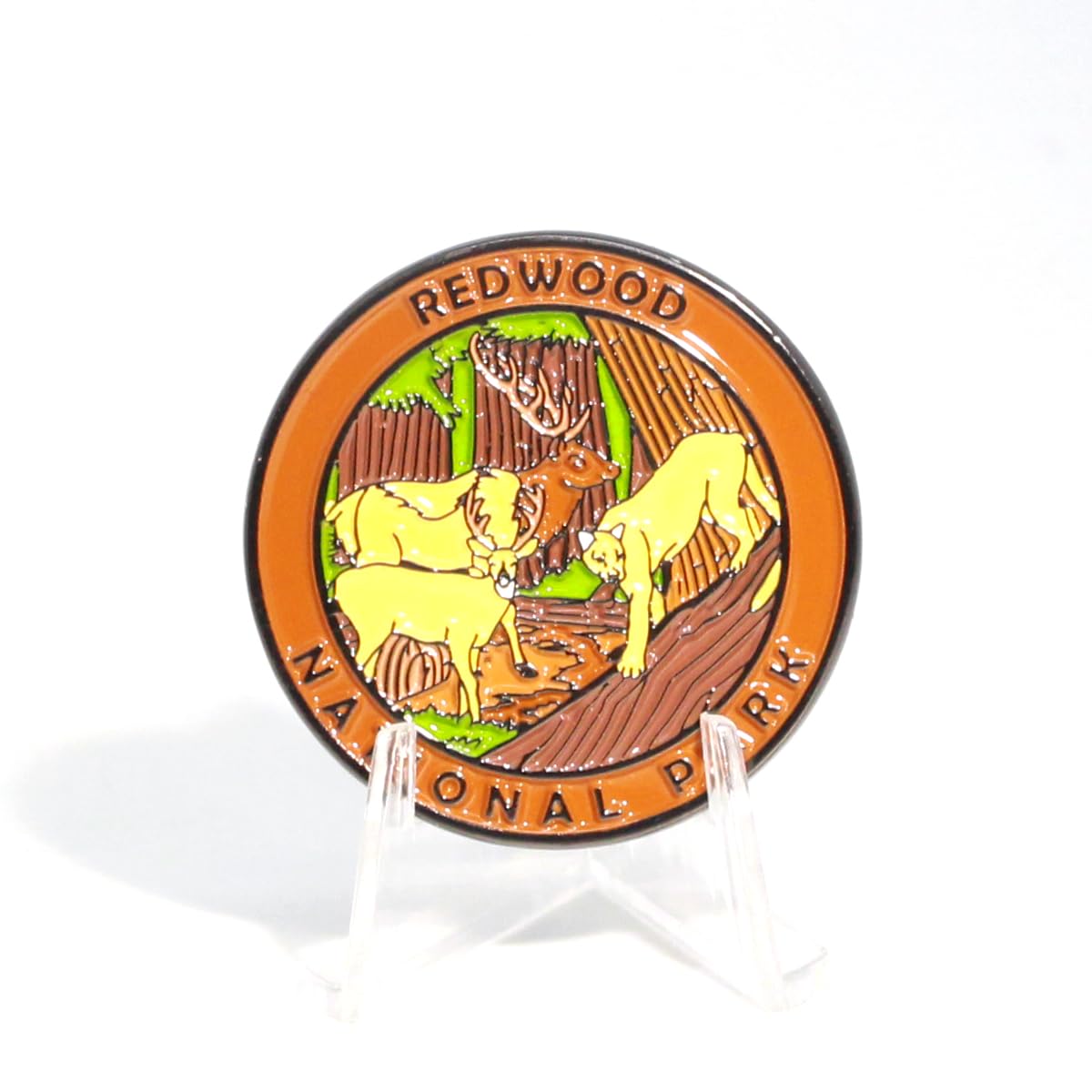 Redwood National Park
Pin
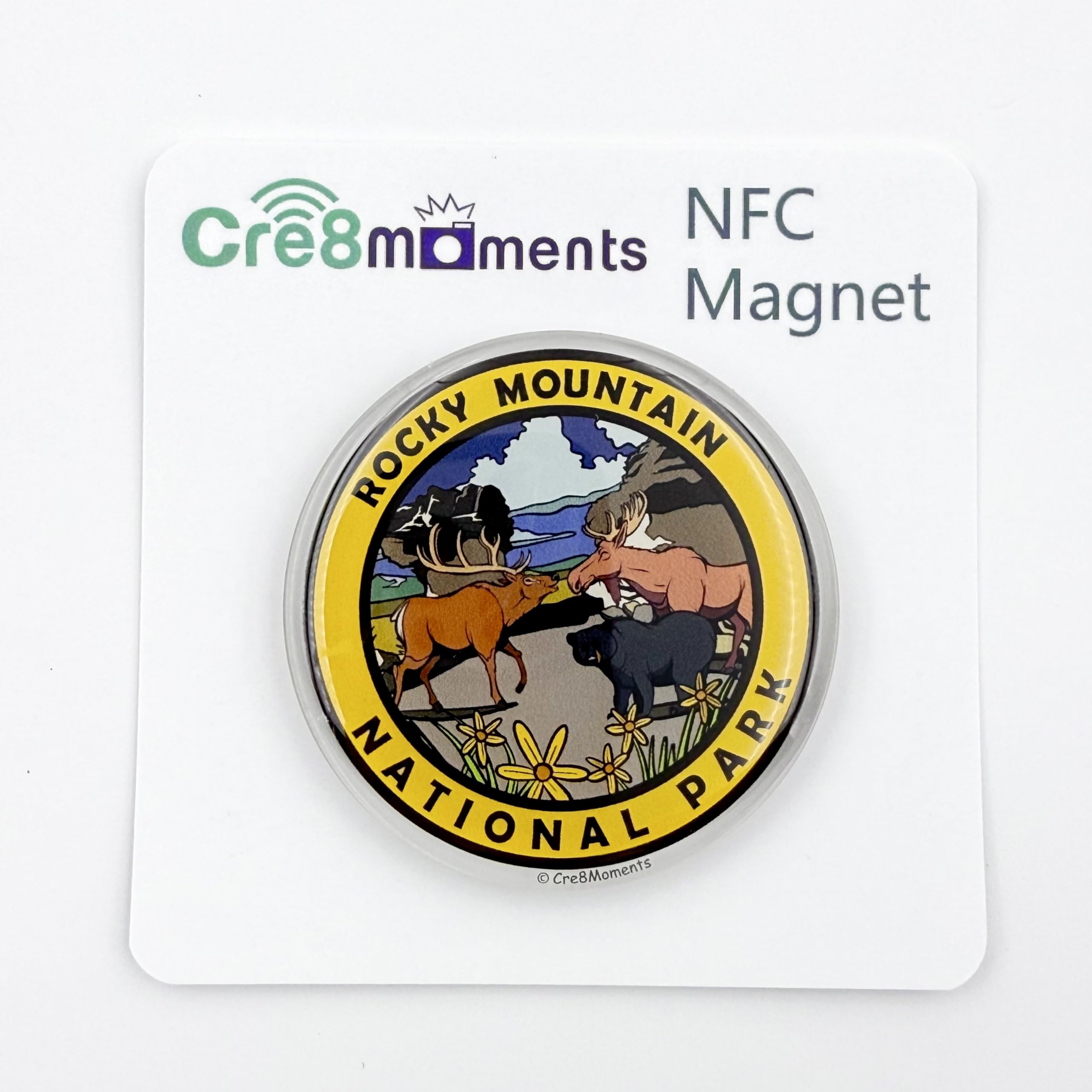 Rocky Mountain National Park
NFC Magnet
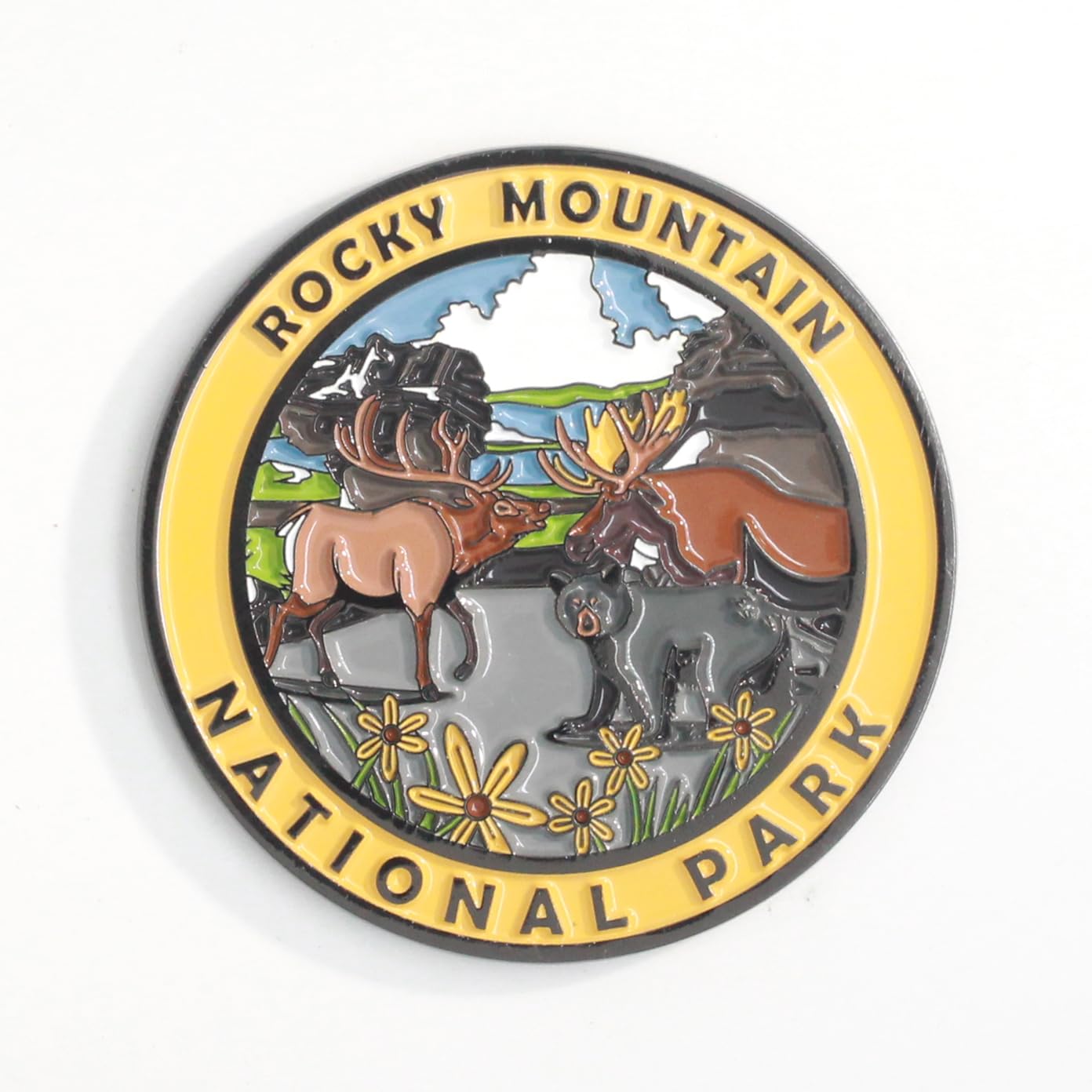 Rocky Mountain National Park
Magnet
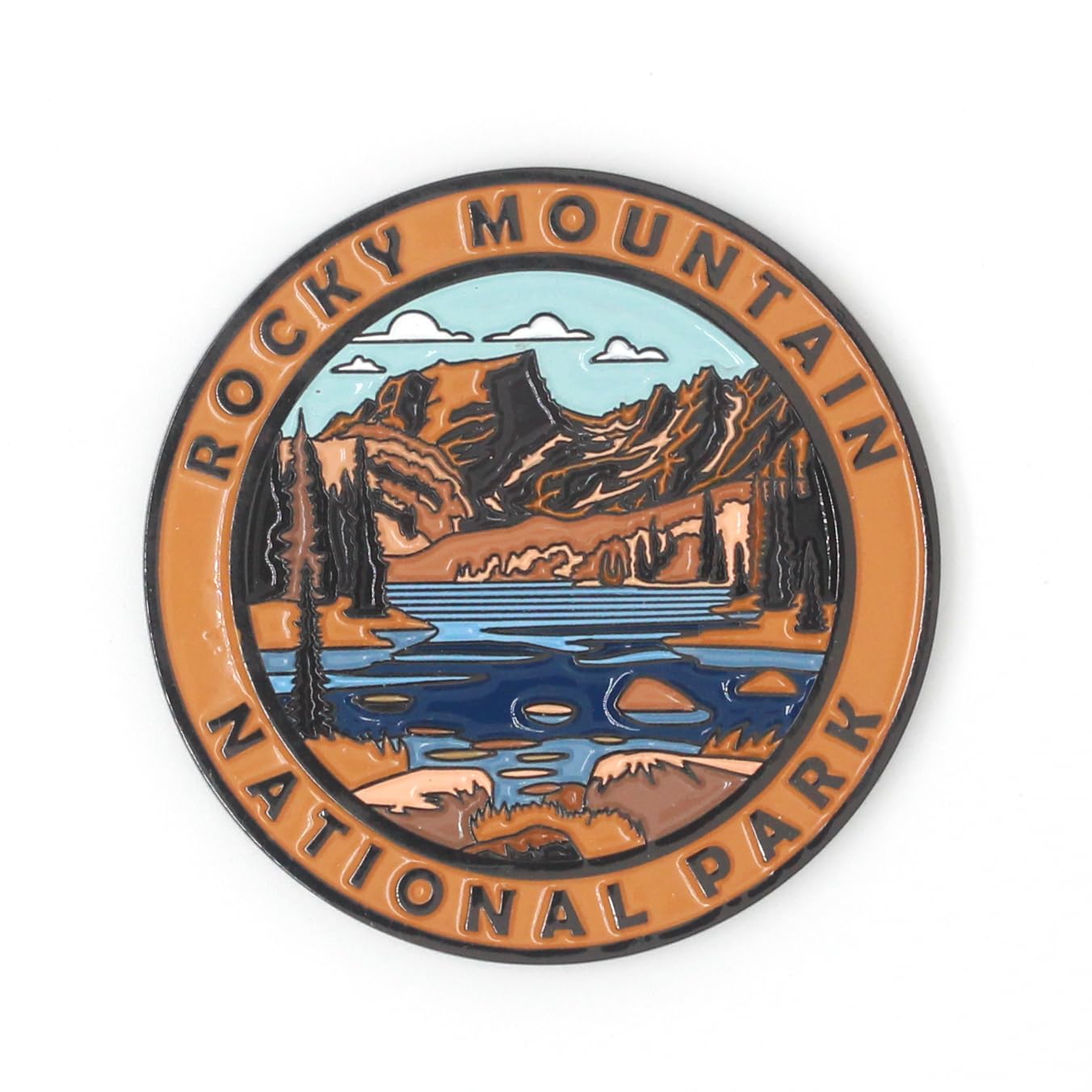 Rocky Mountain National Park
Magnet
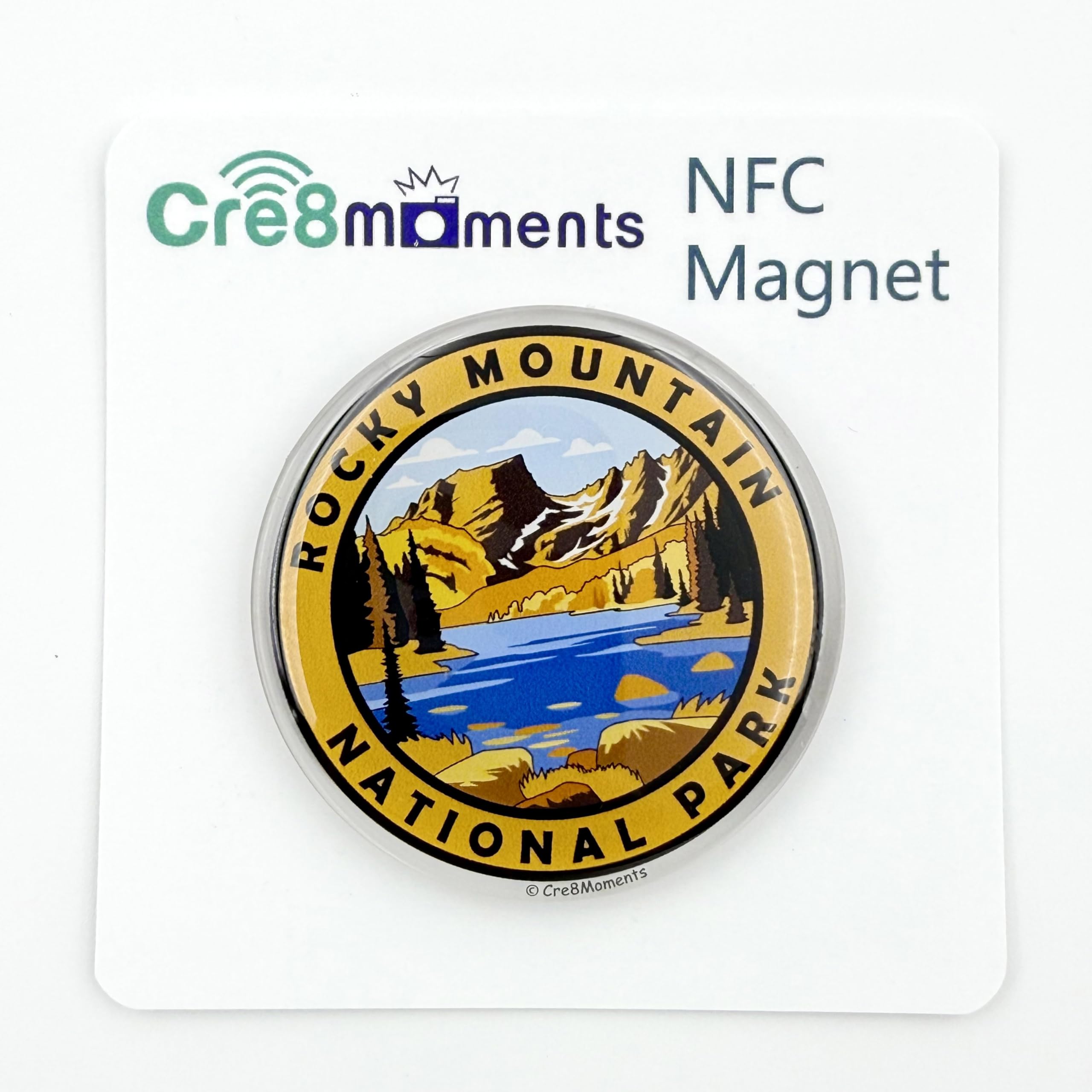 Rocky Mountain National Park
NFC Magnet
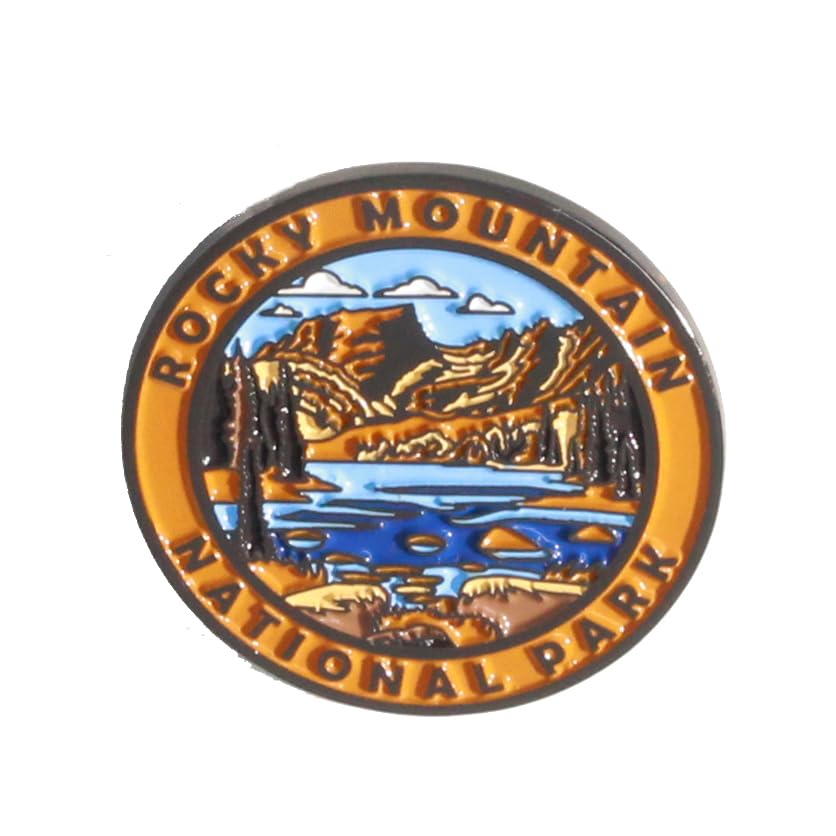 Rocky Mountain National Park
Pin
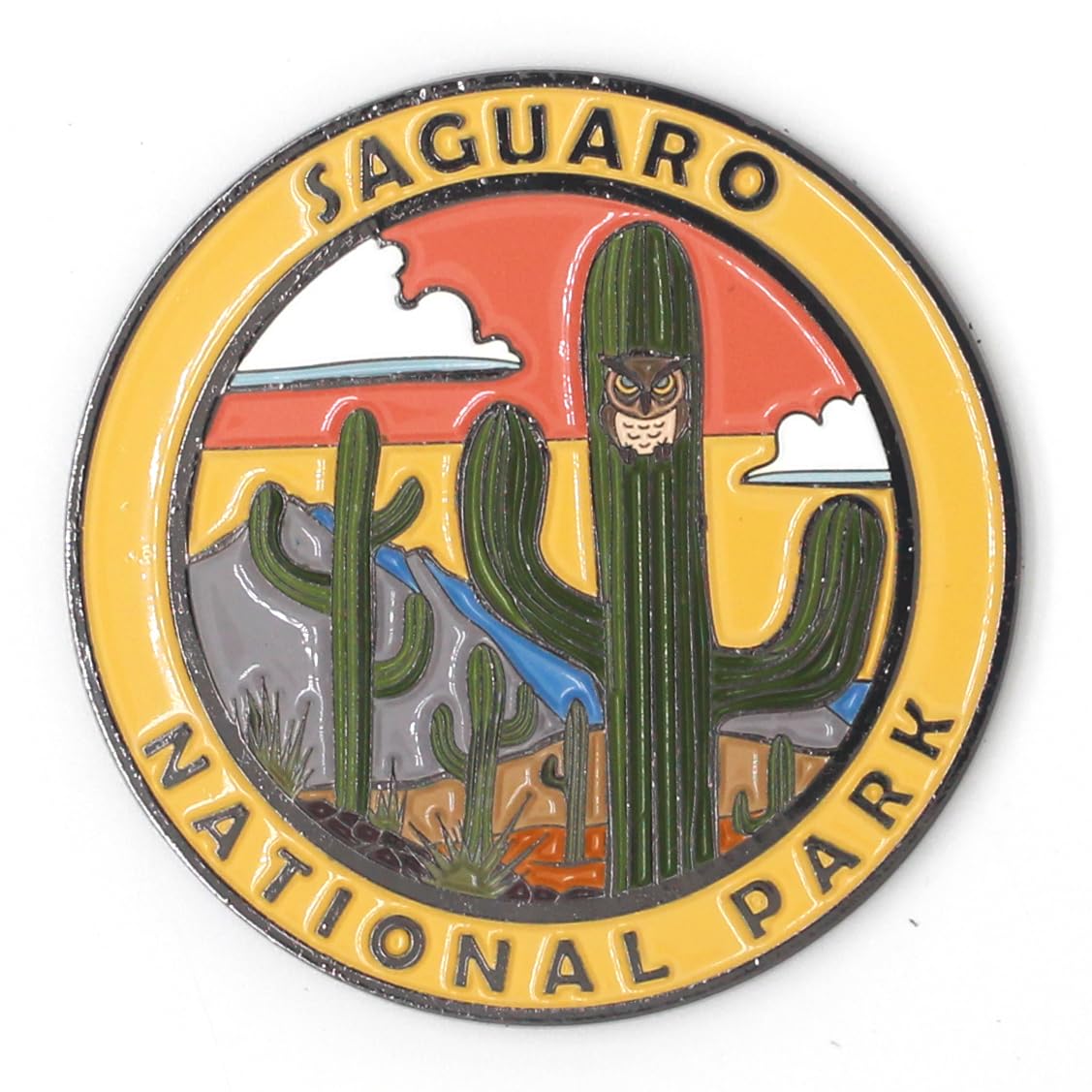 Saguaro National Park
Magnet
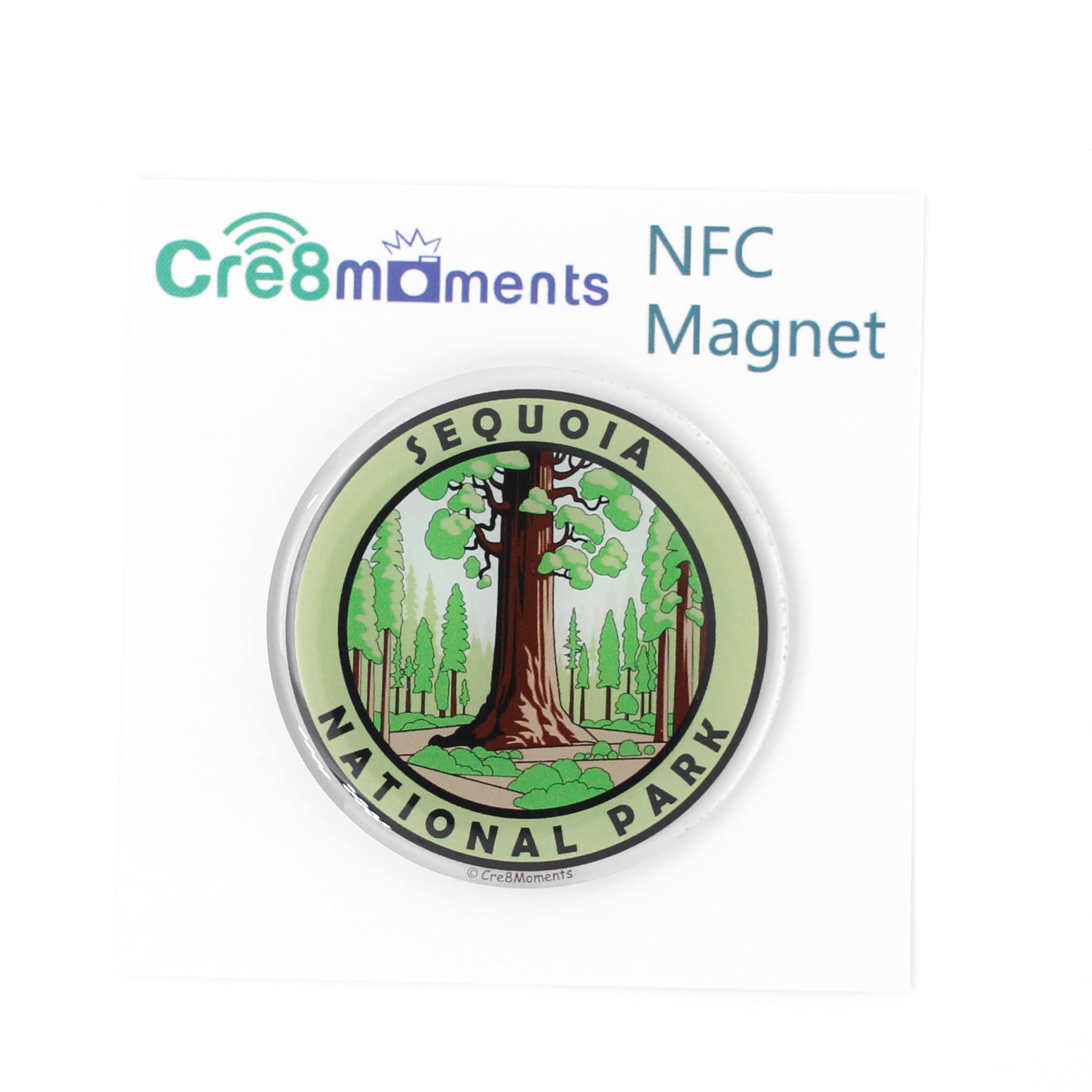 Sequoia National Park
NFC Magnet
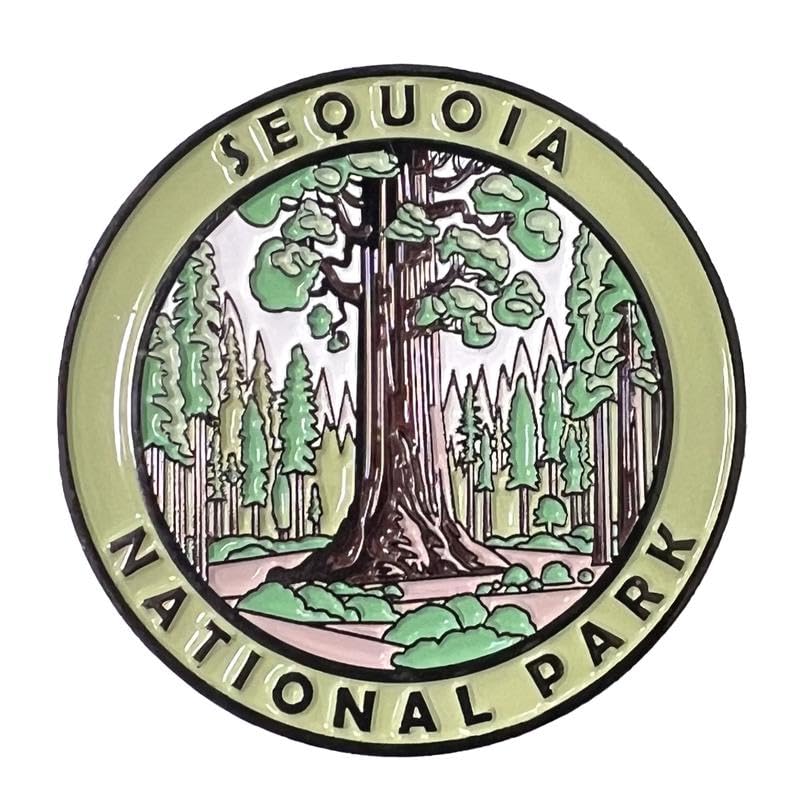 Sequoia National Park
Magnet
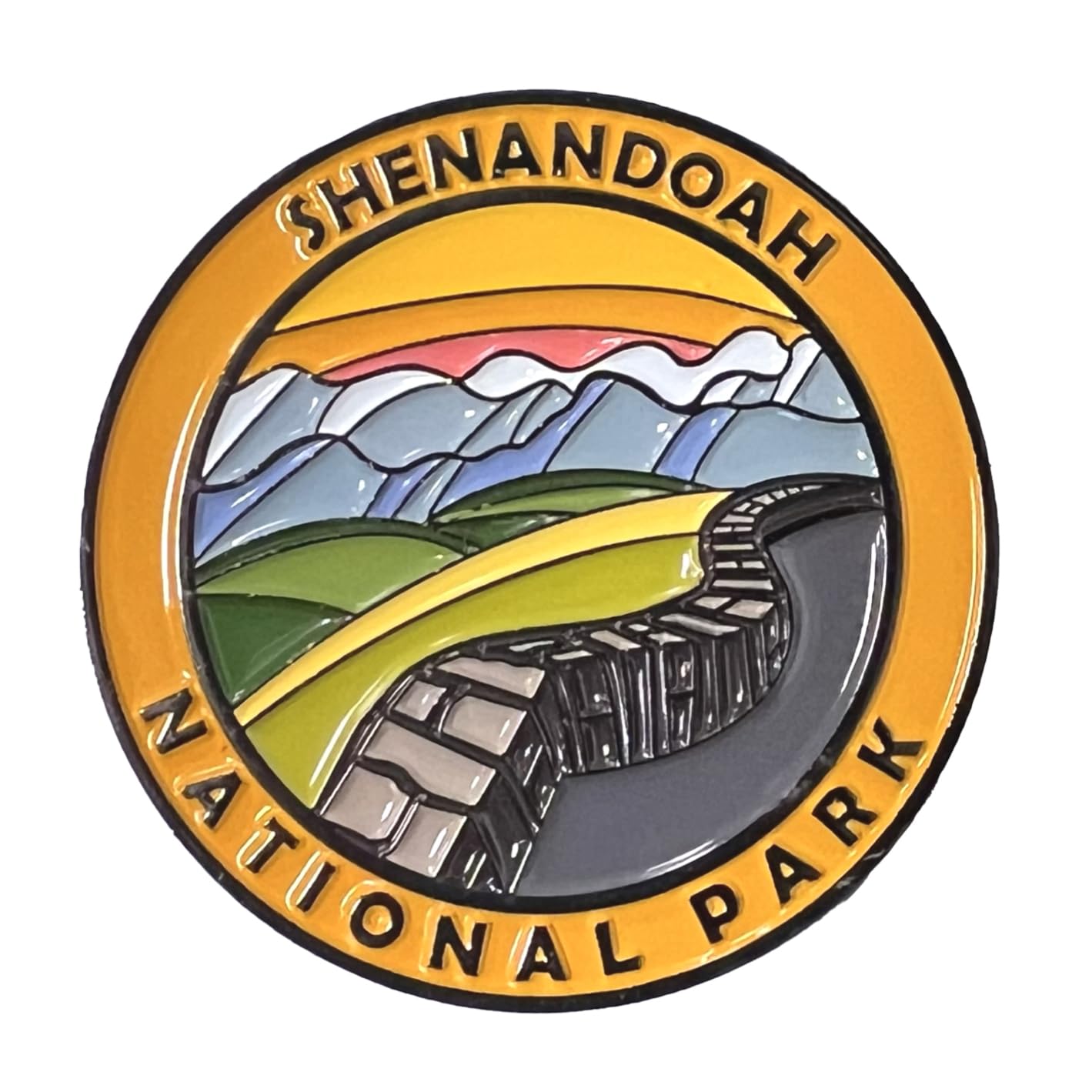 Shenandoah National Park
Magnet
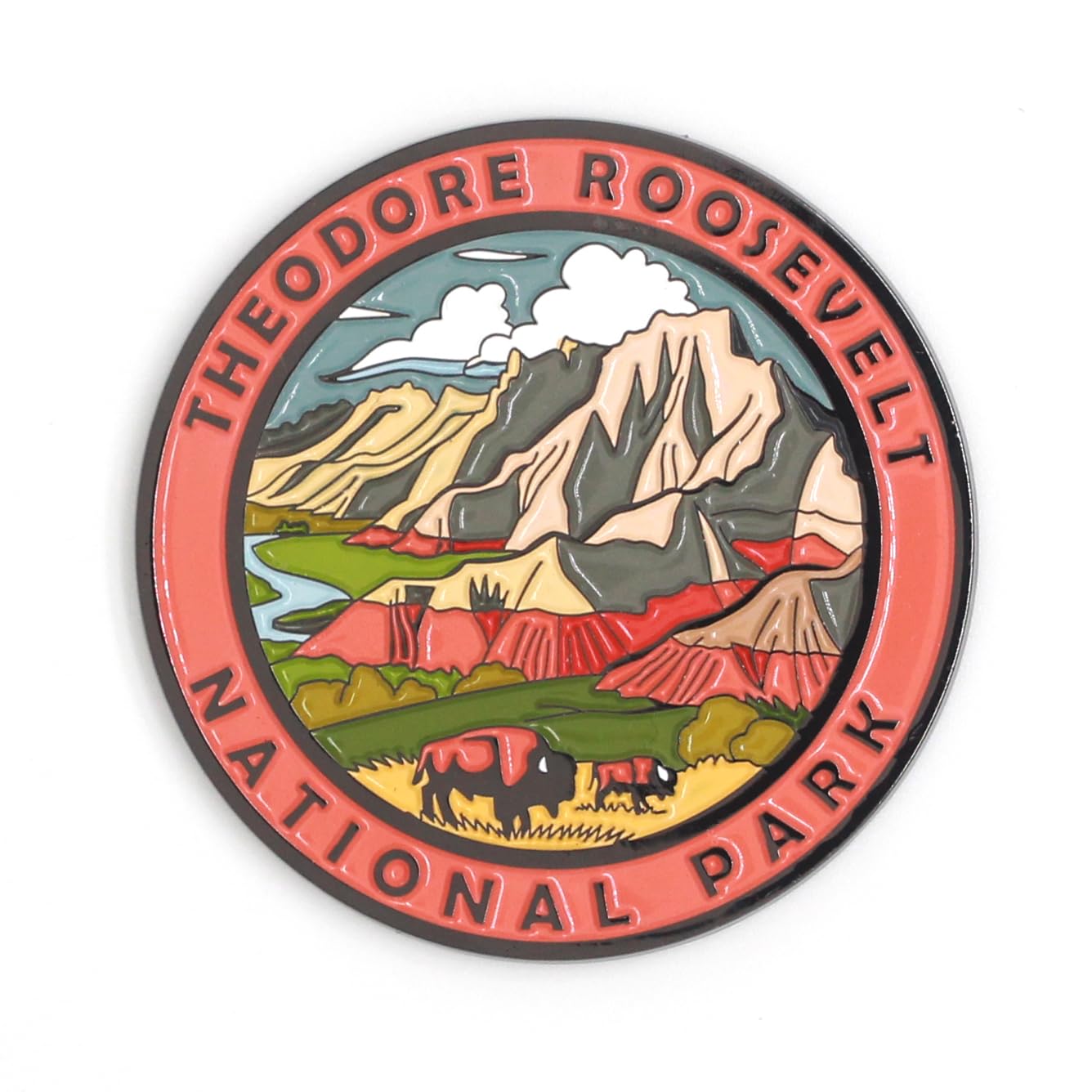 Theodore Roosevelt National Park
Magnet
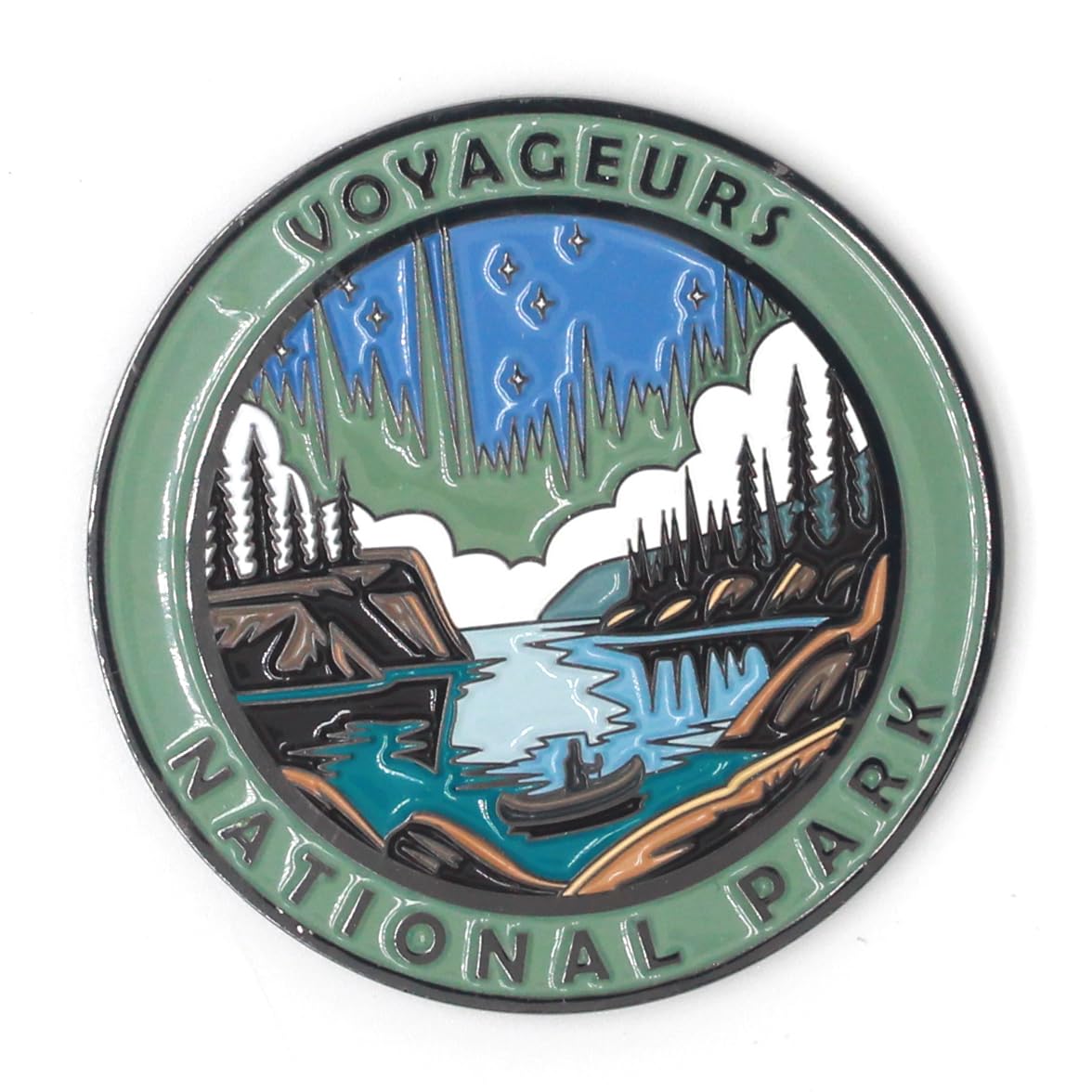 Voyageurs National Park
Magnet
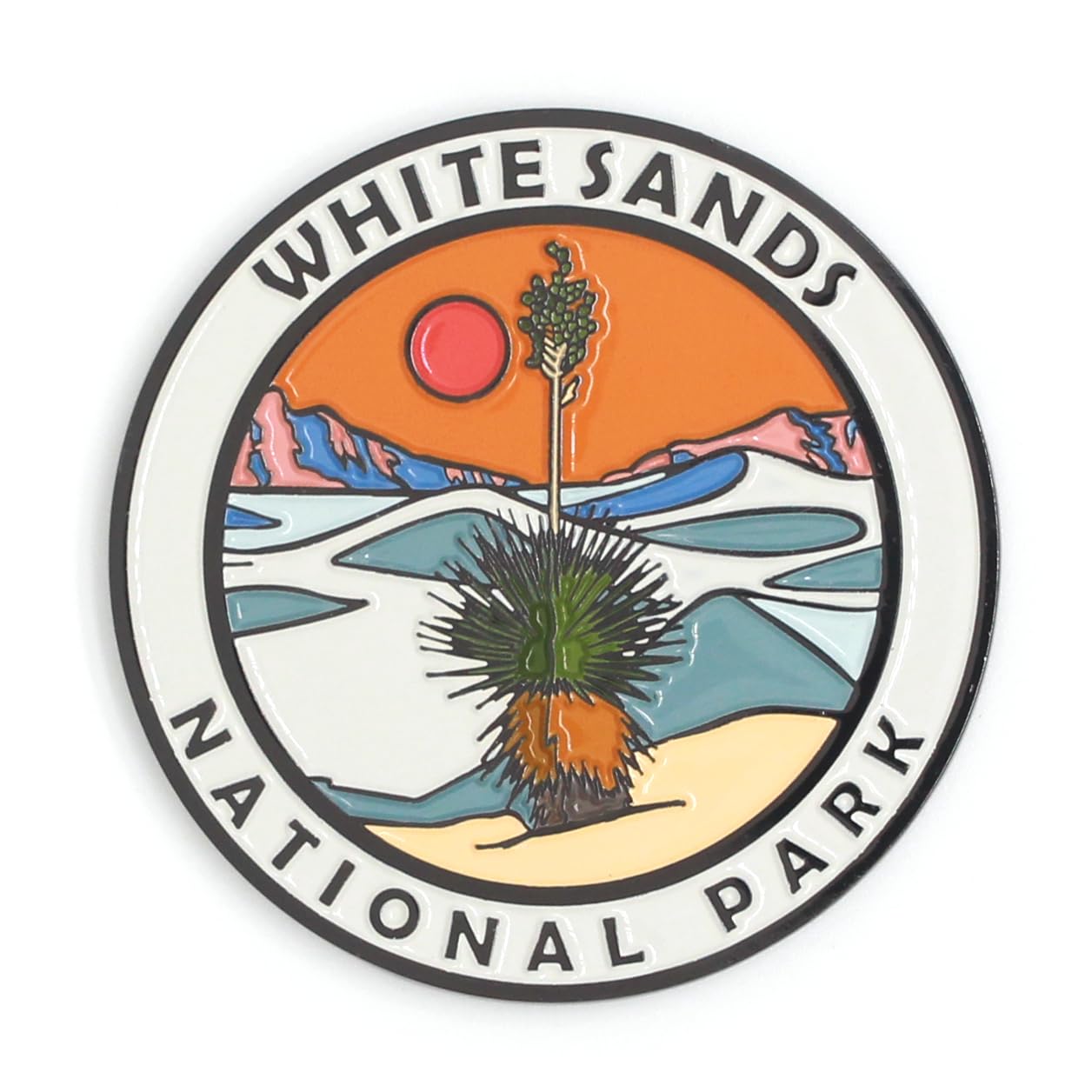 White Sands National Park
Magnet
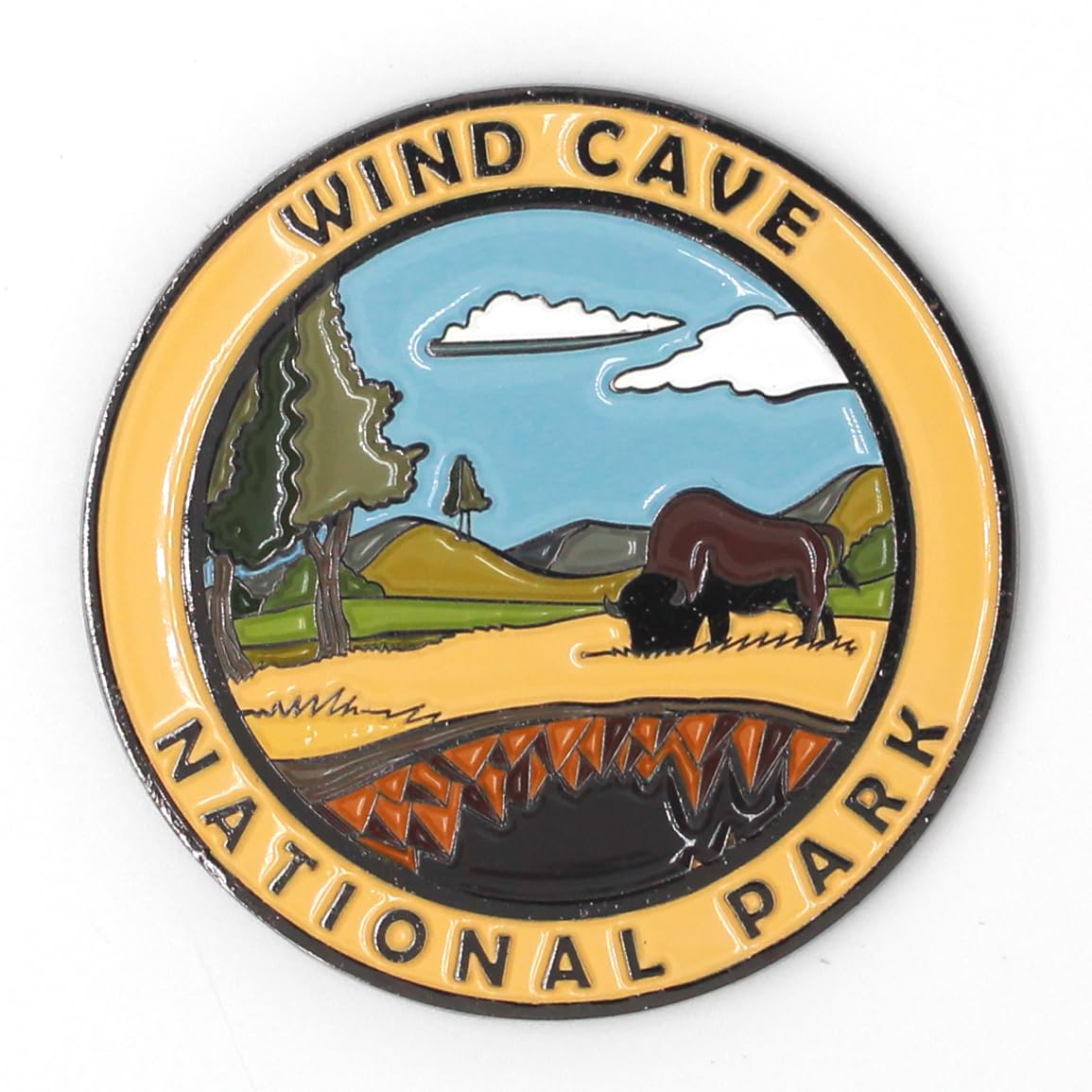 Wind Cave National Park
Magnet
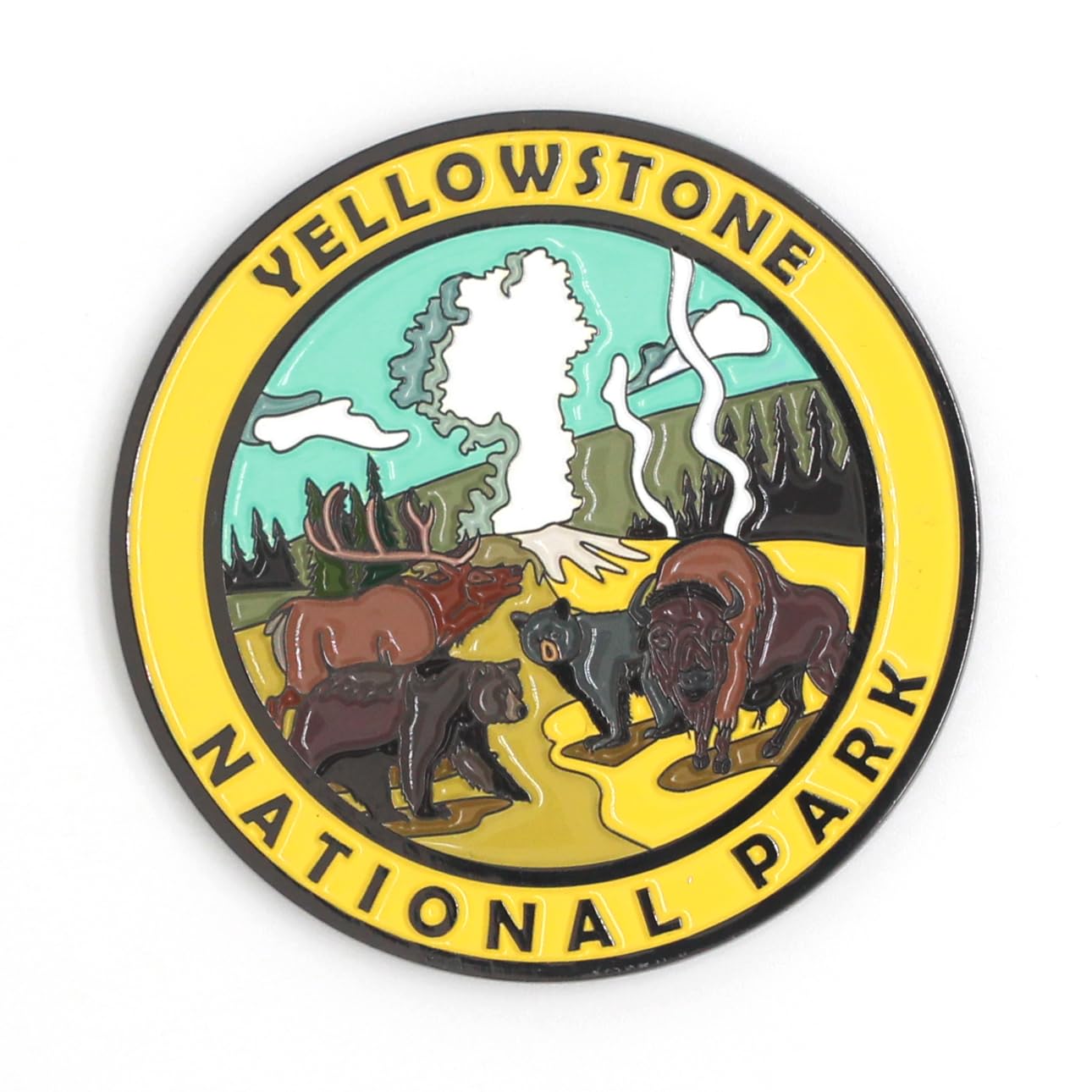 Yellowstone National Park
Magnet
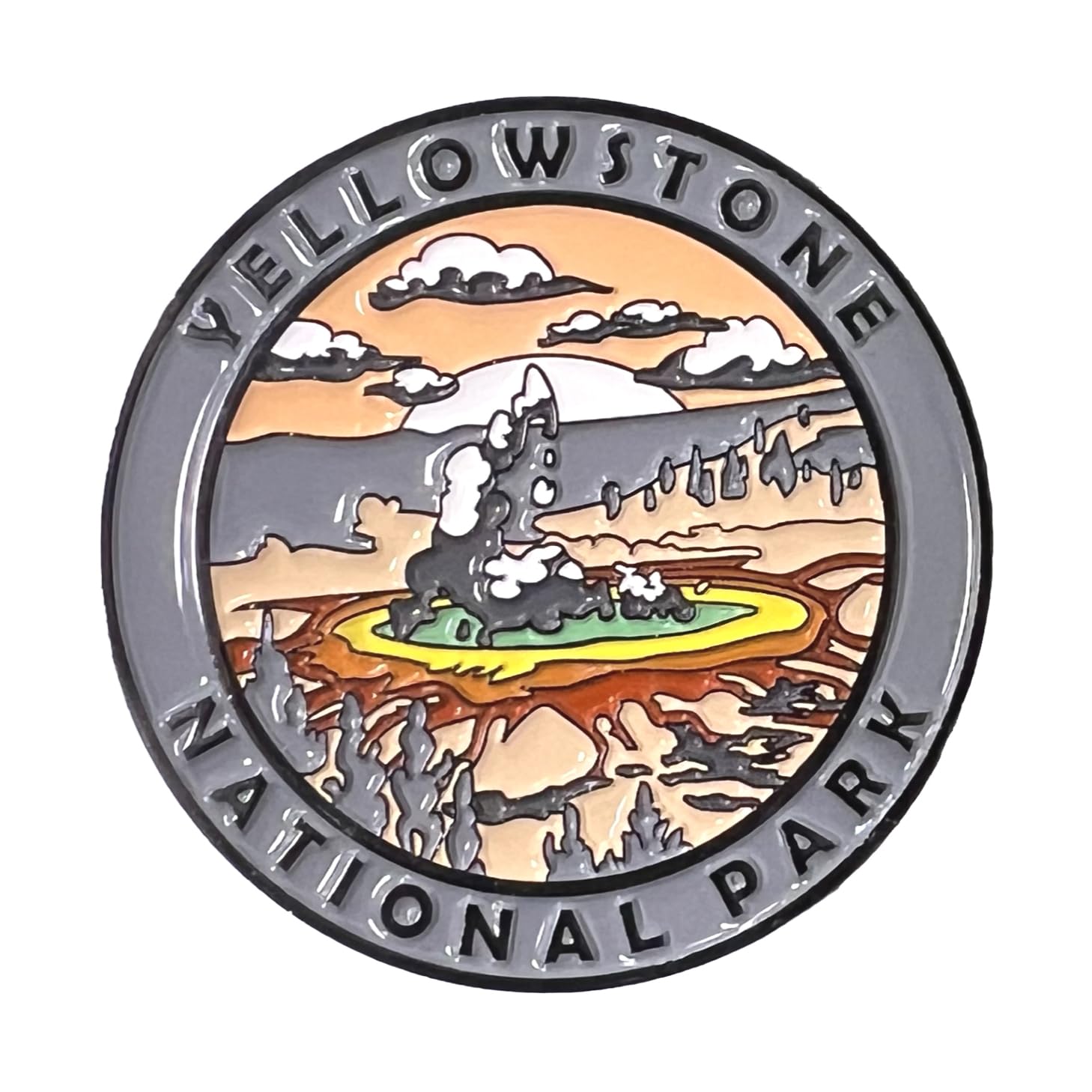 Yellowstone National Park
Magnet
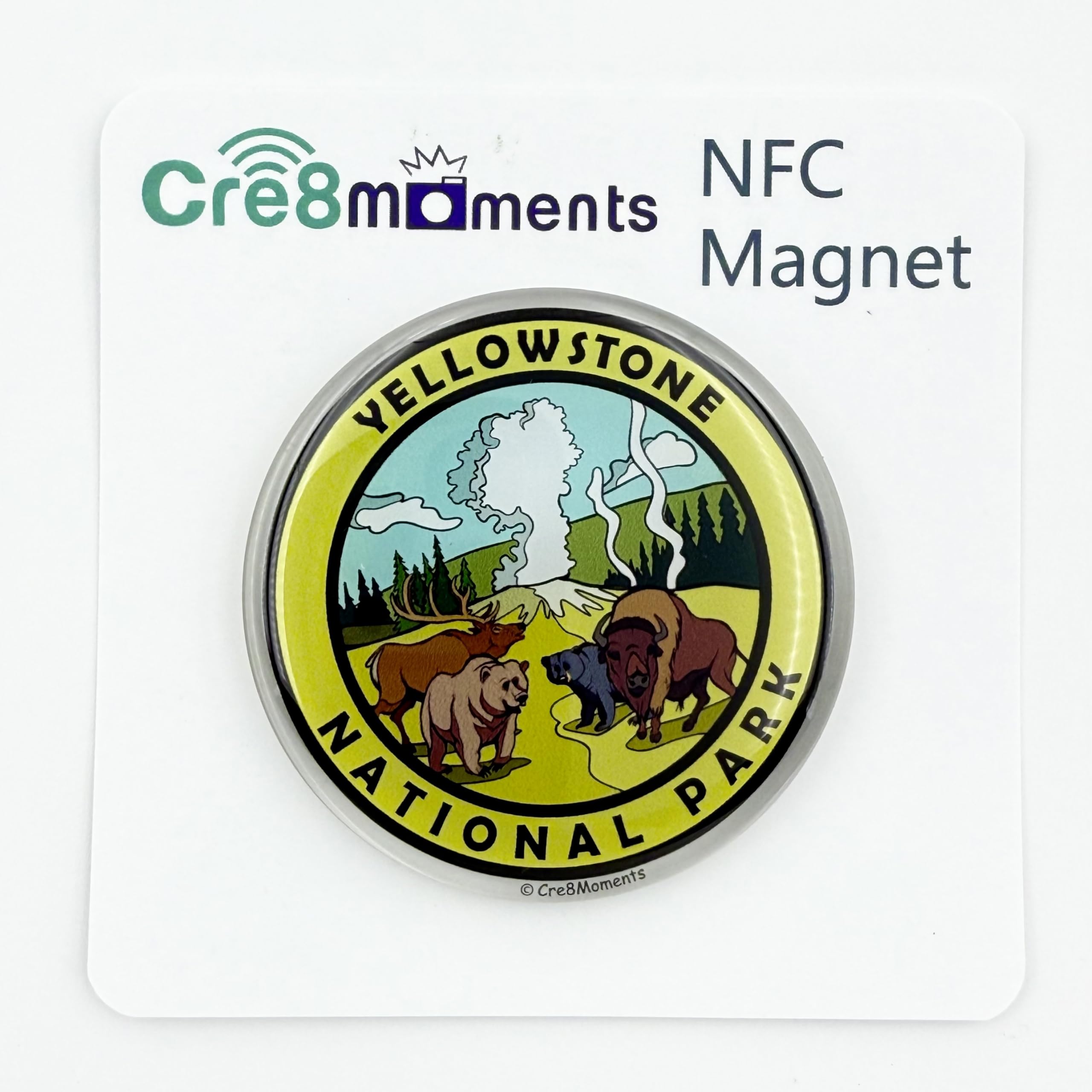 Yellowstone National Park
NFC Magnet
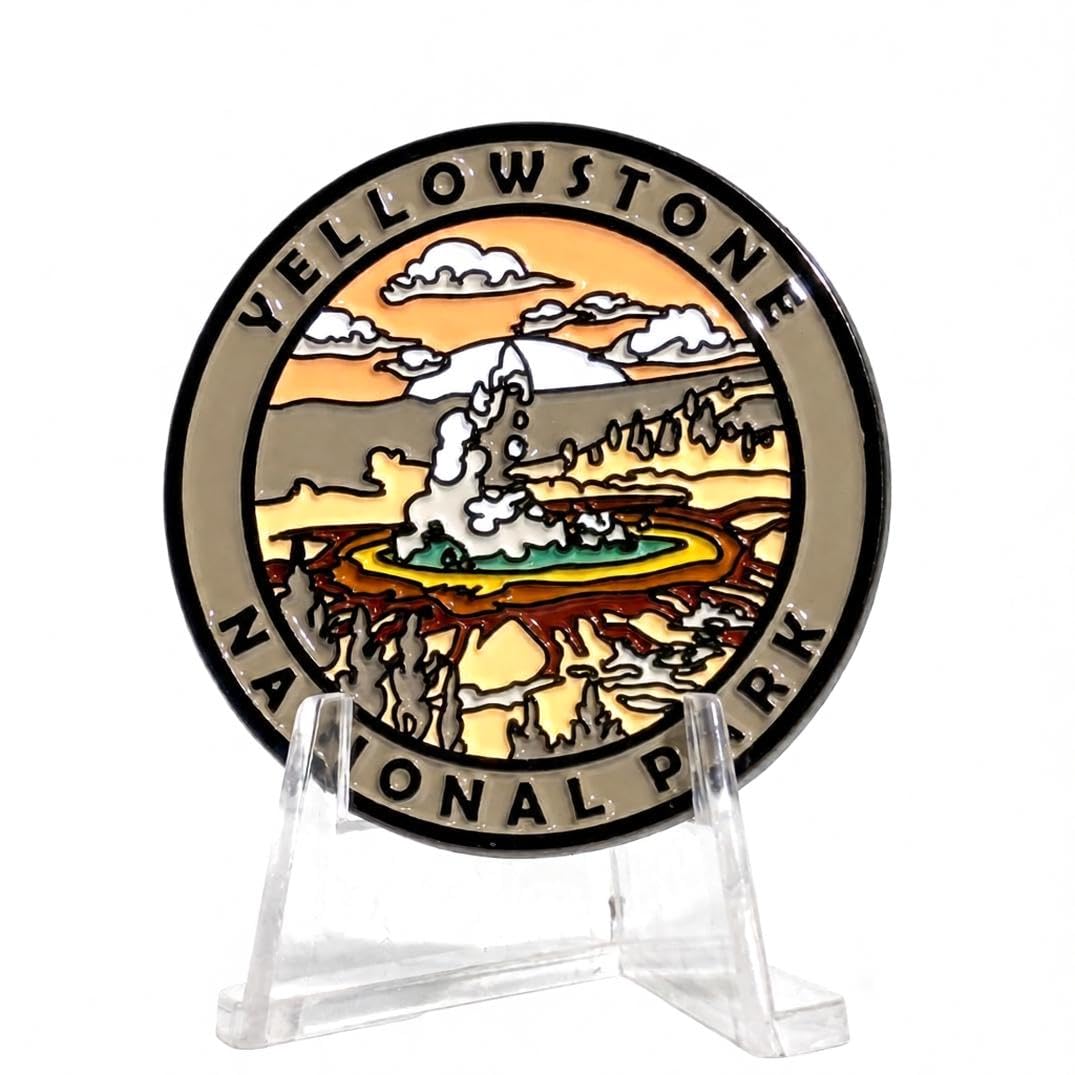 Yellowstone National Park
Pin
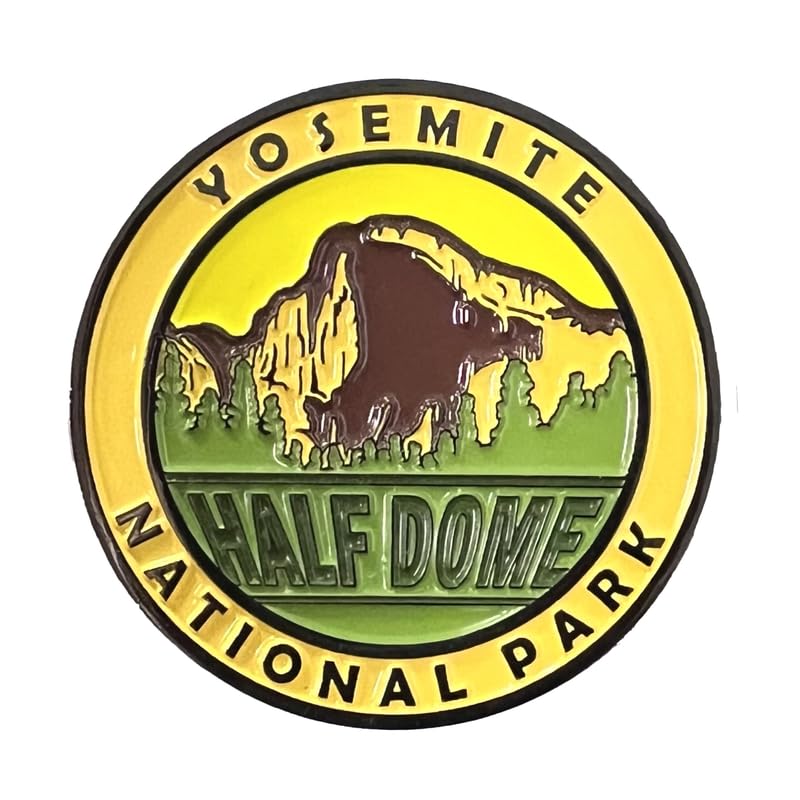 Yosemite National Park
Magnet
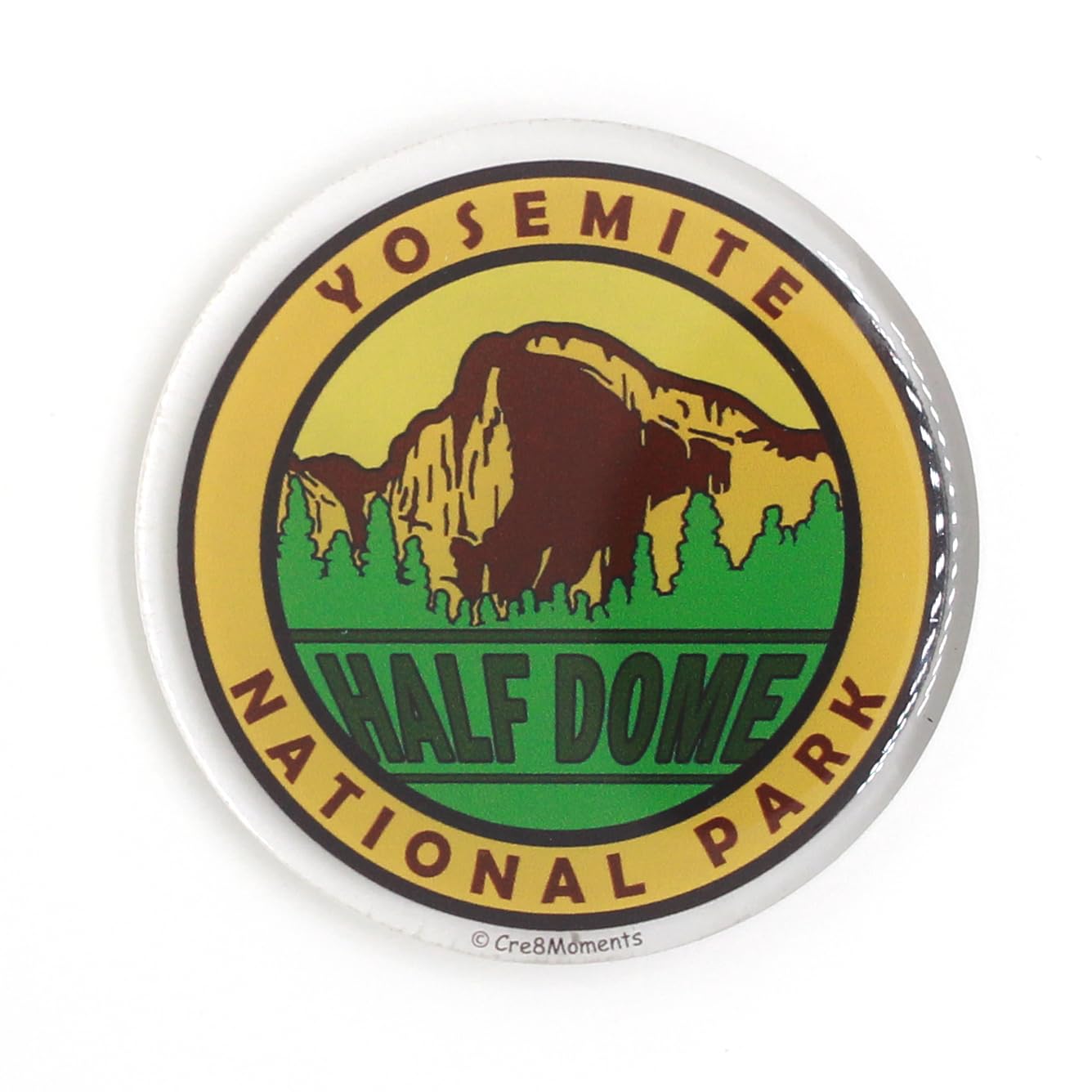 Yosemite National Park
NFC Magnet
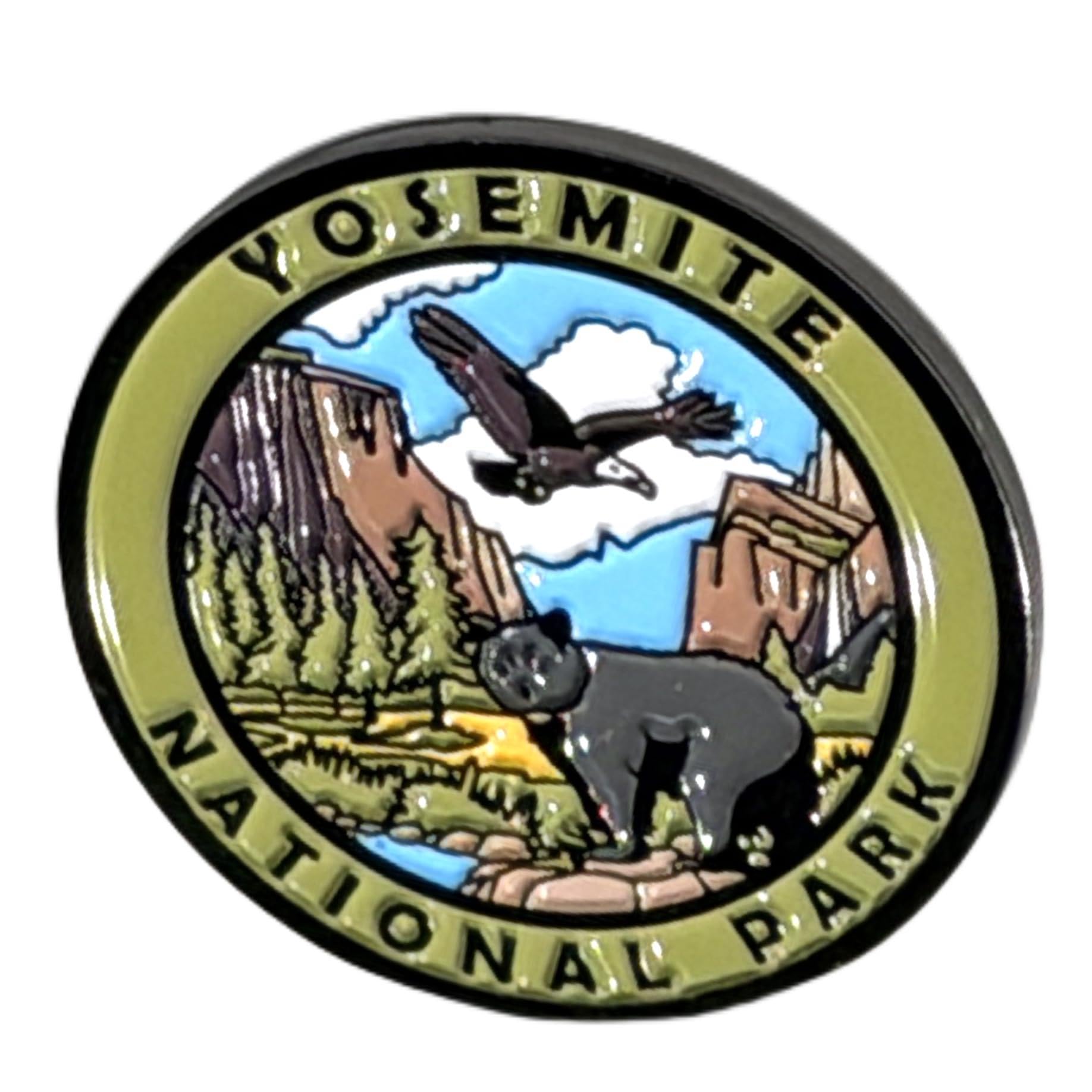 Yosemite National Park
Pin
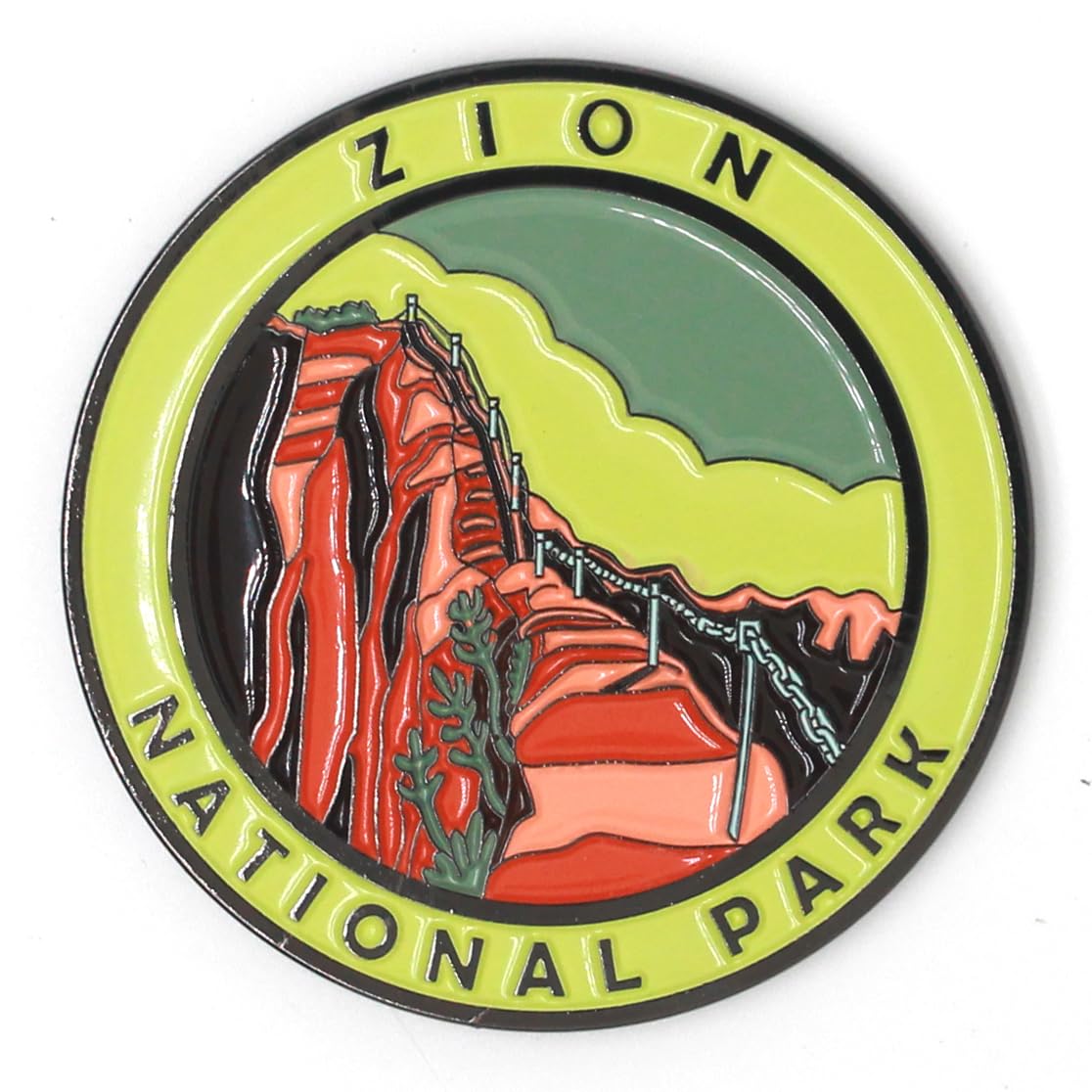 Zion National Park
Magnet
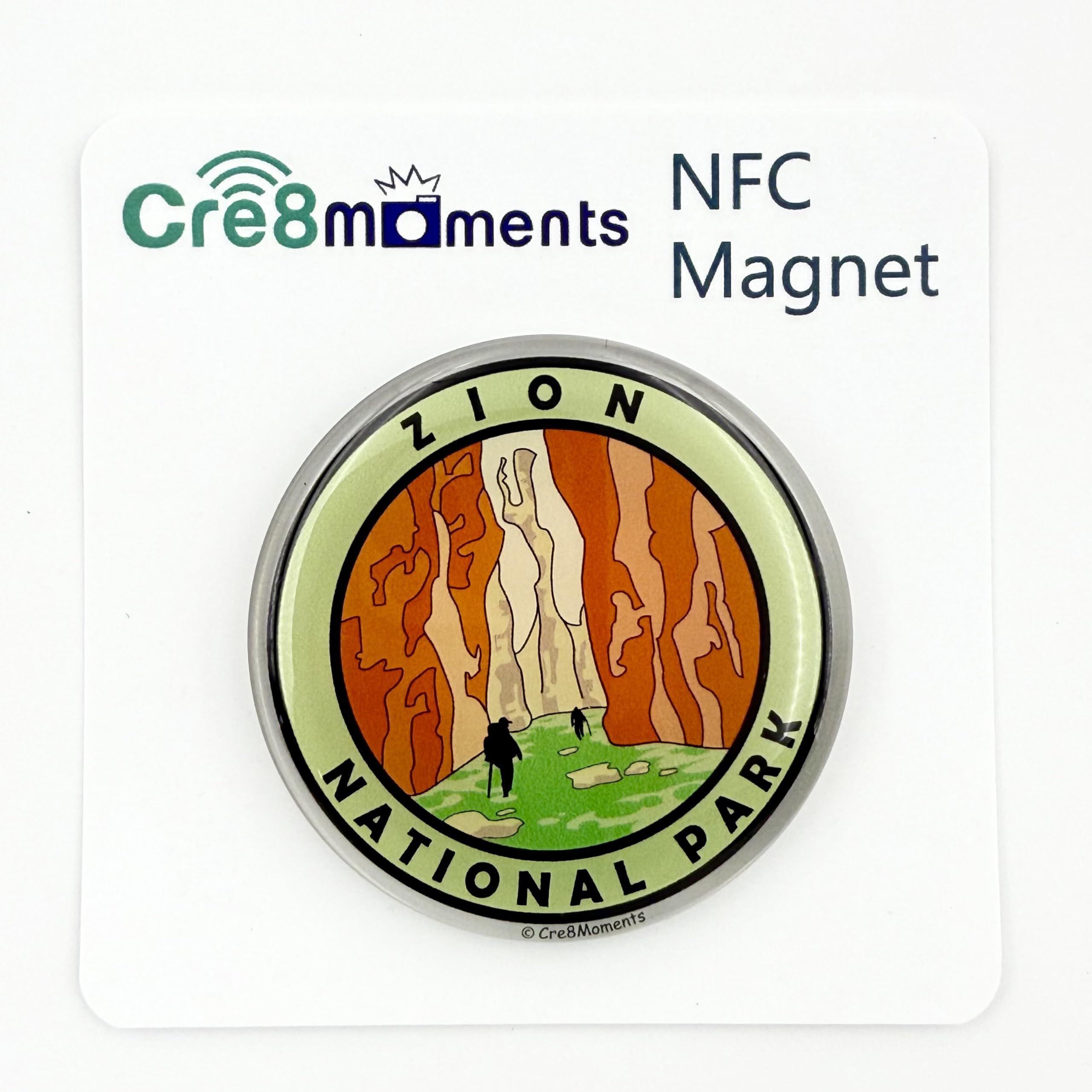 Zion National Park
NFC Magnet
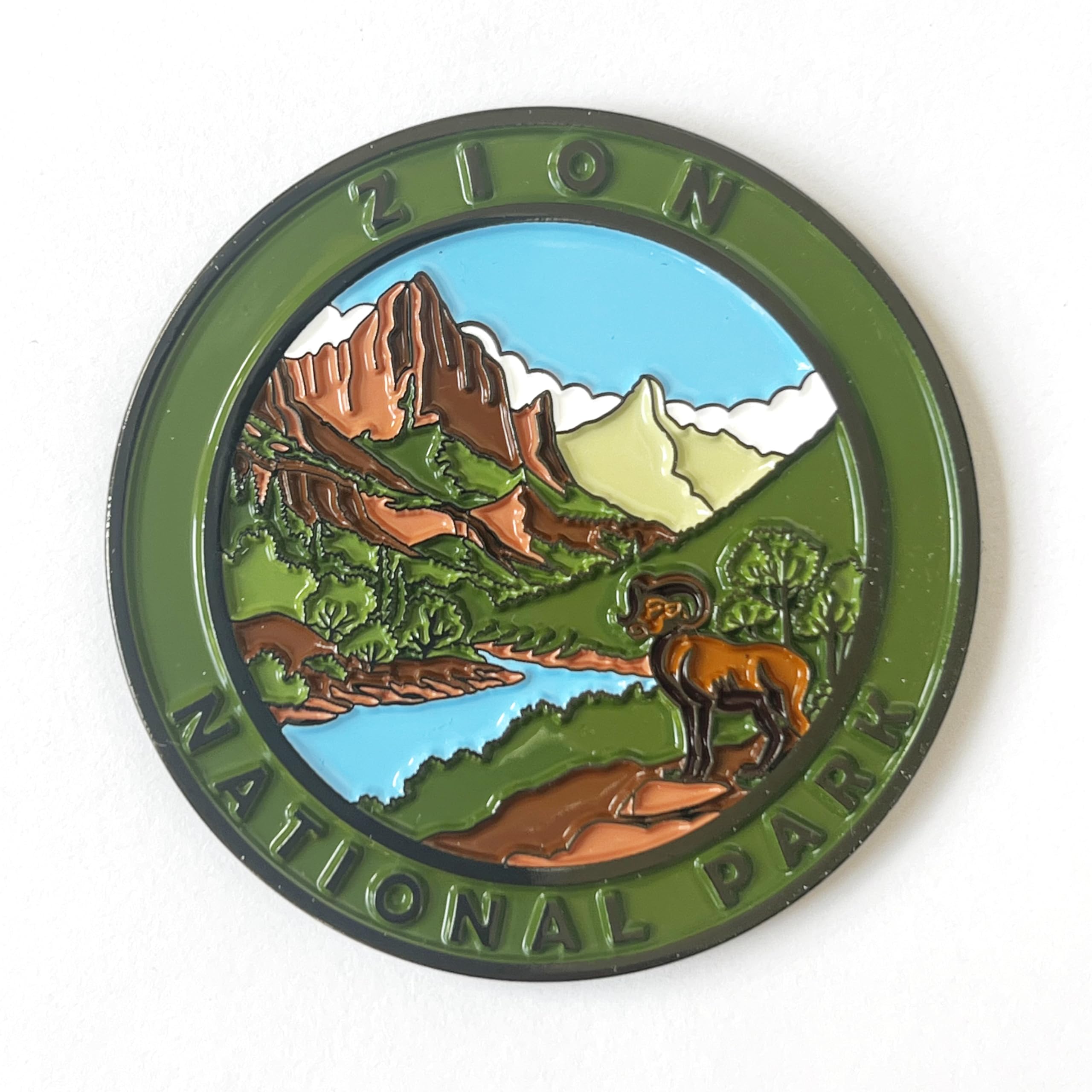 Zion National Park
Magnet
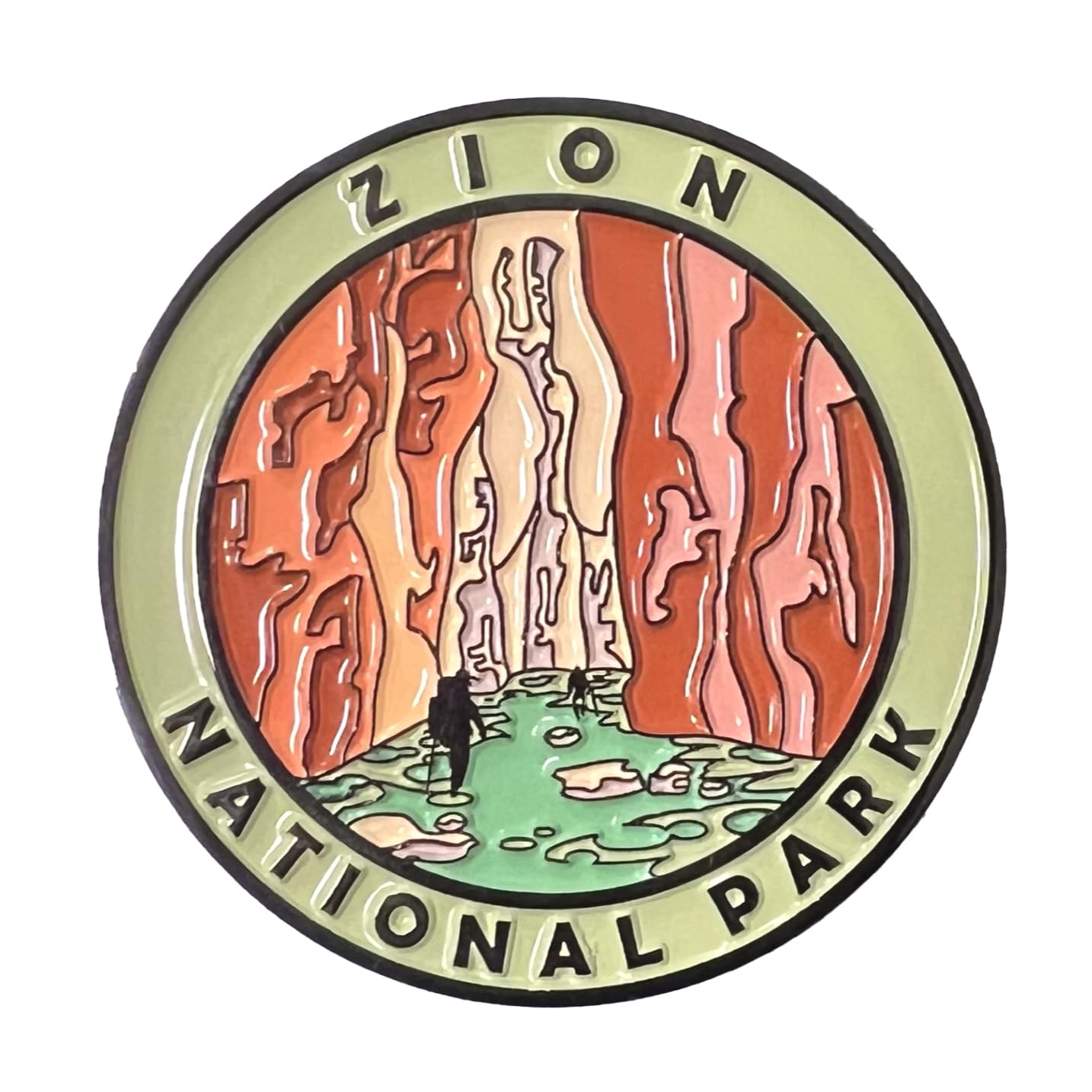 Zion National Park
Magnet
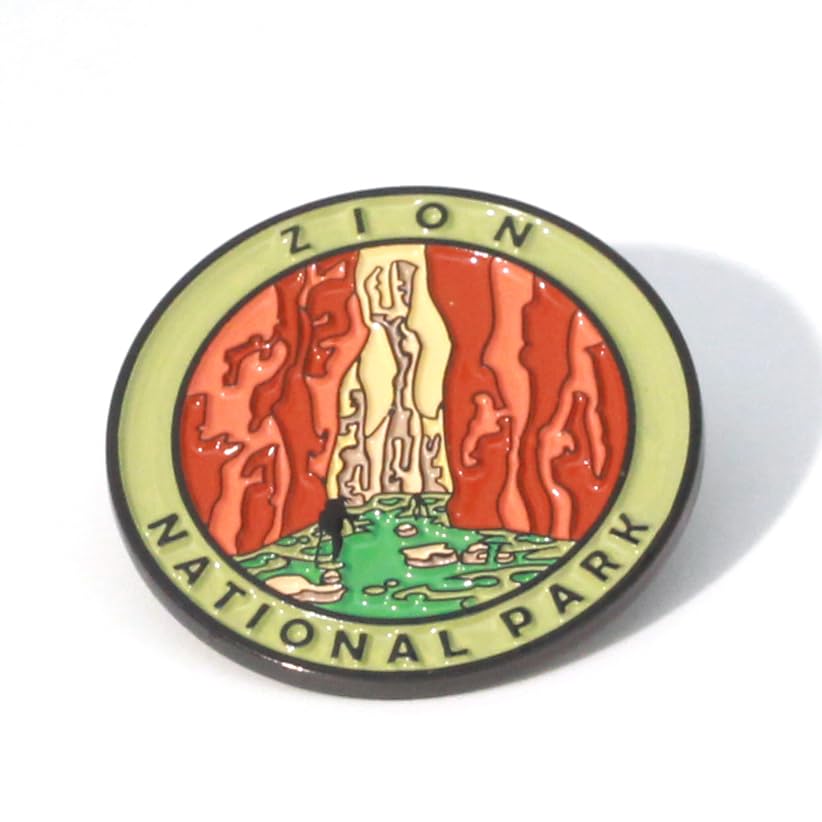 Zion National Park
Pin
Amazon Buyer Notes
What collectors mention after the trip
84 linked products checked
6 products with matching child-ASIN reviews
7 qualifying 4–5 star reviews found
Awesome souvenir magnet!
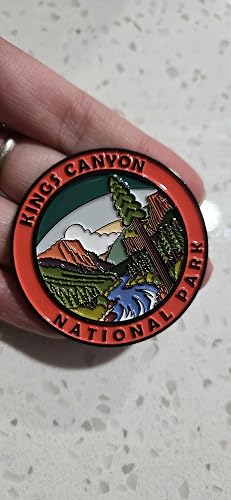
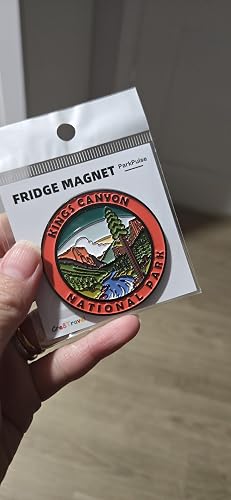
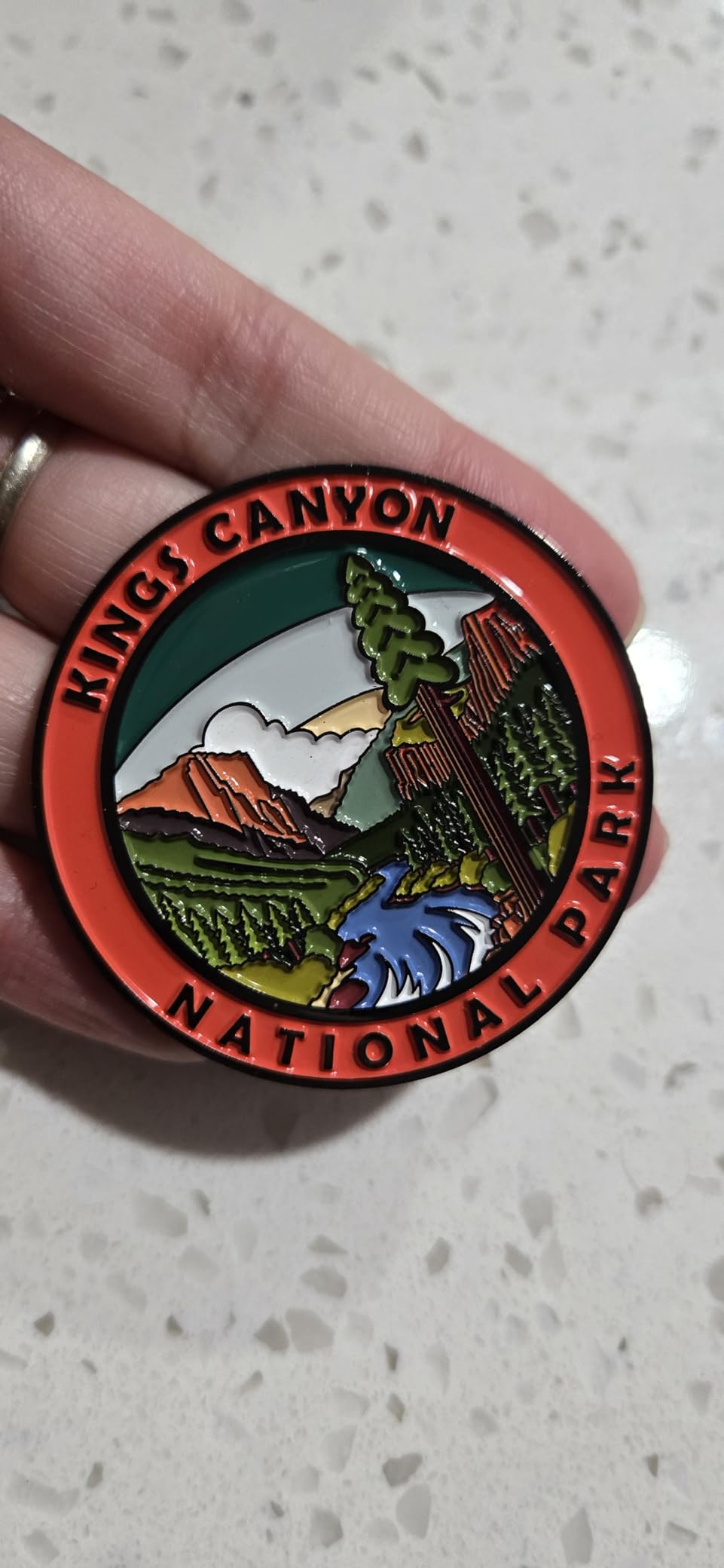
Ordered this after we visited Kings Canyon and couldn't find any souvenirs we liked at the park... Very, very happy with this purchase! The magnet looks very well made. It's about 2in in diameter, colors are very bright and it has a nice glossy finish.
On the car, not the fridge!
Use these magnets on our car. The magnet is strong and they look nice. The size is perfect for allowing multiple magnets to be used. Looking forward to adding more as we visit more national parks.
Awesome Product!
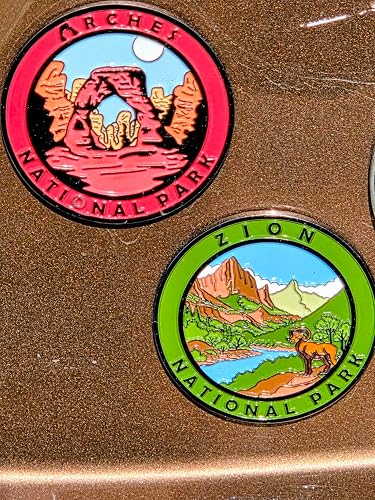
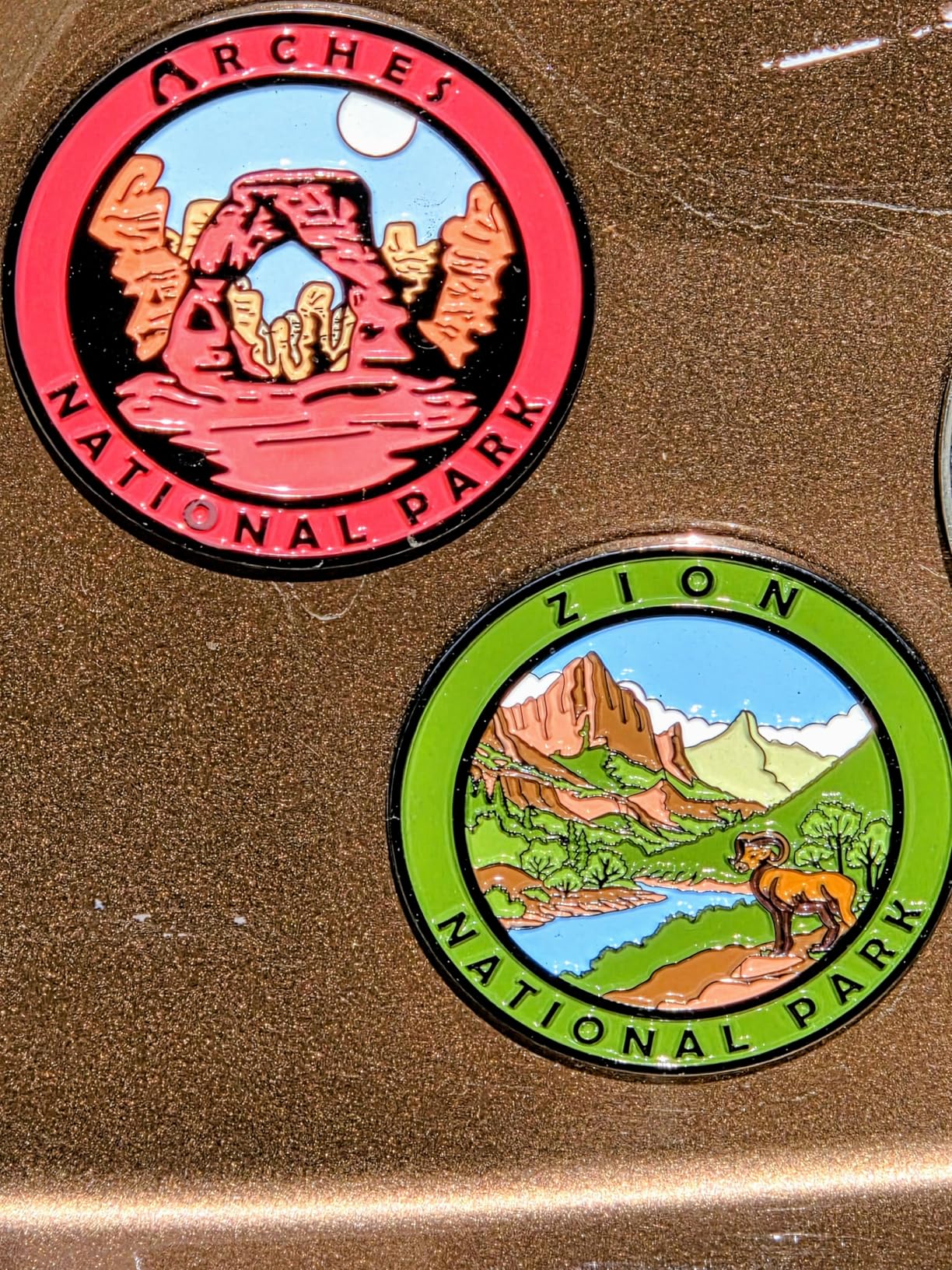
Love these magnets! They are exactly what I was looking for to start a collection of the places I have been to. They are high quality and the details in the artwork are beautiful!...
Amazing
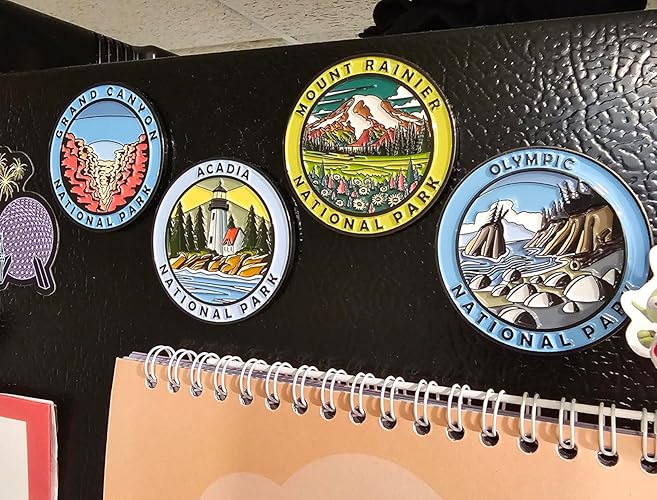
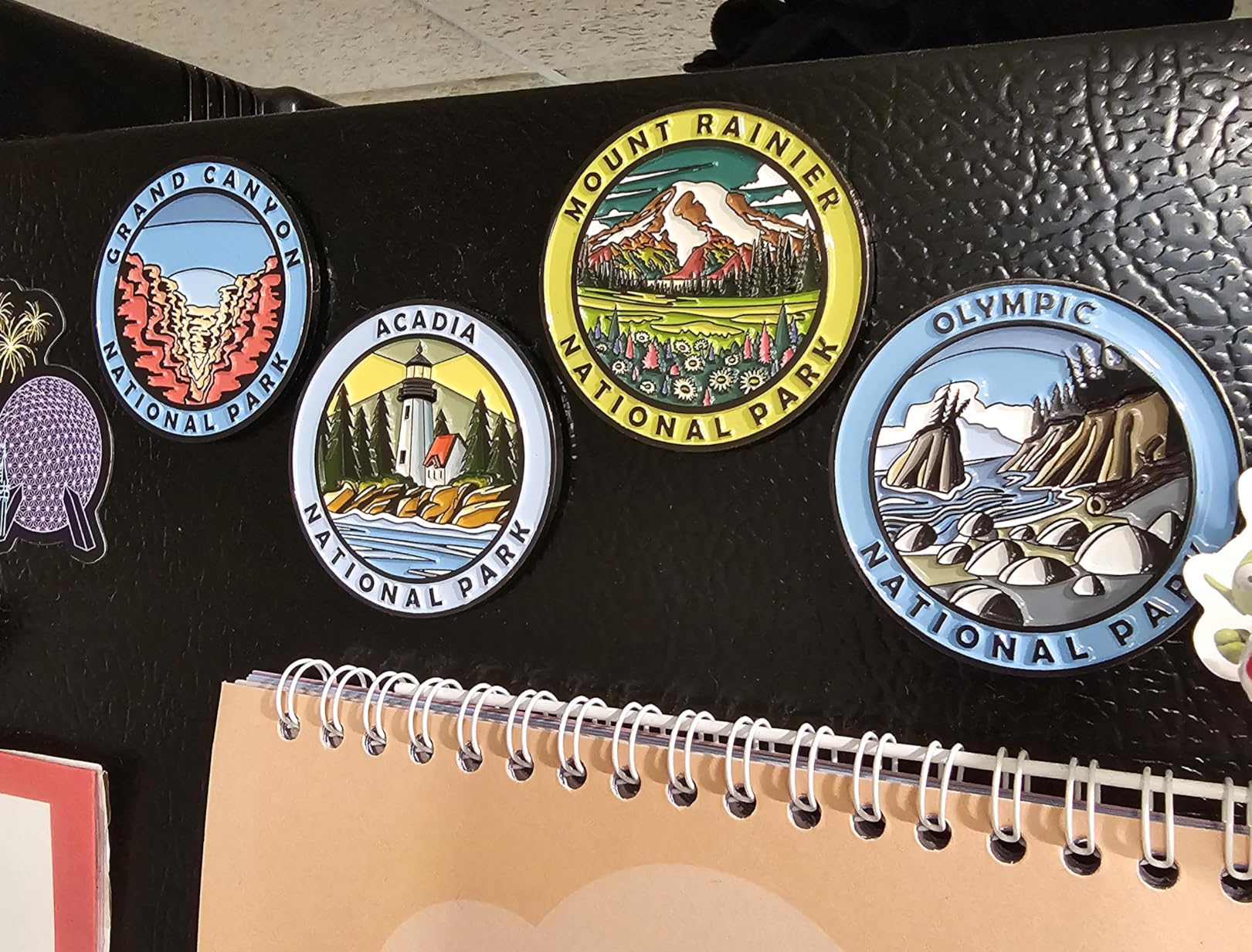
Cre8Travel magnets are just amazing. The finish the steadiness it’s better than my expectations. I recommend buying from them.
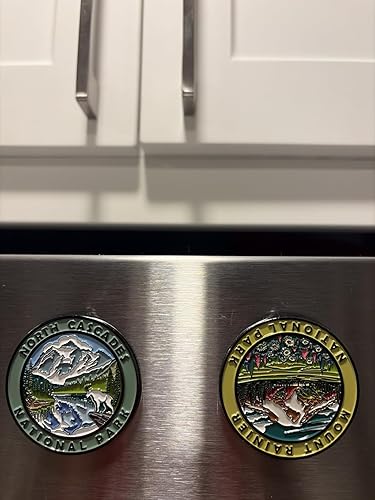
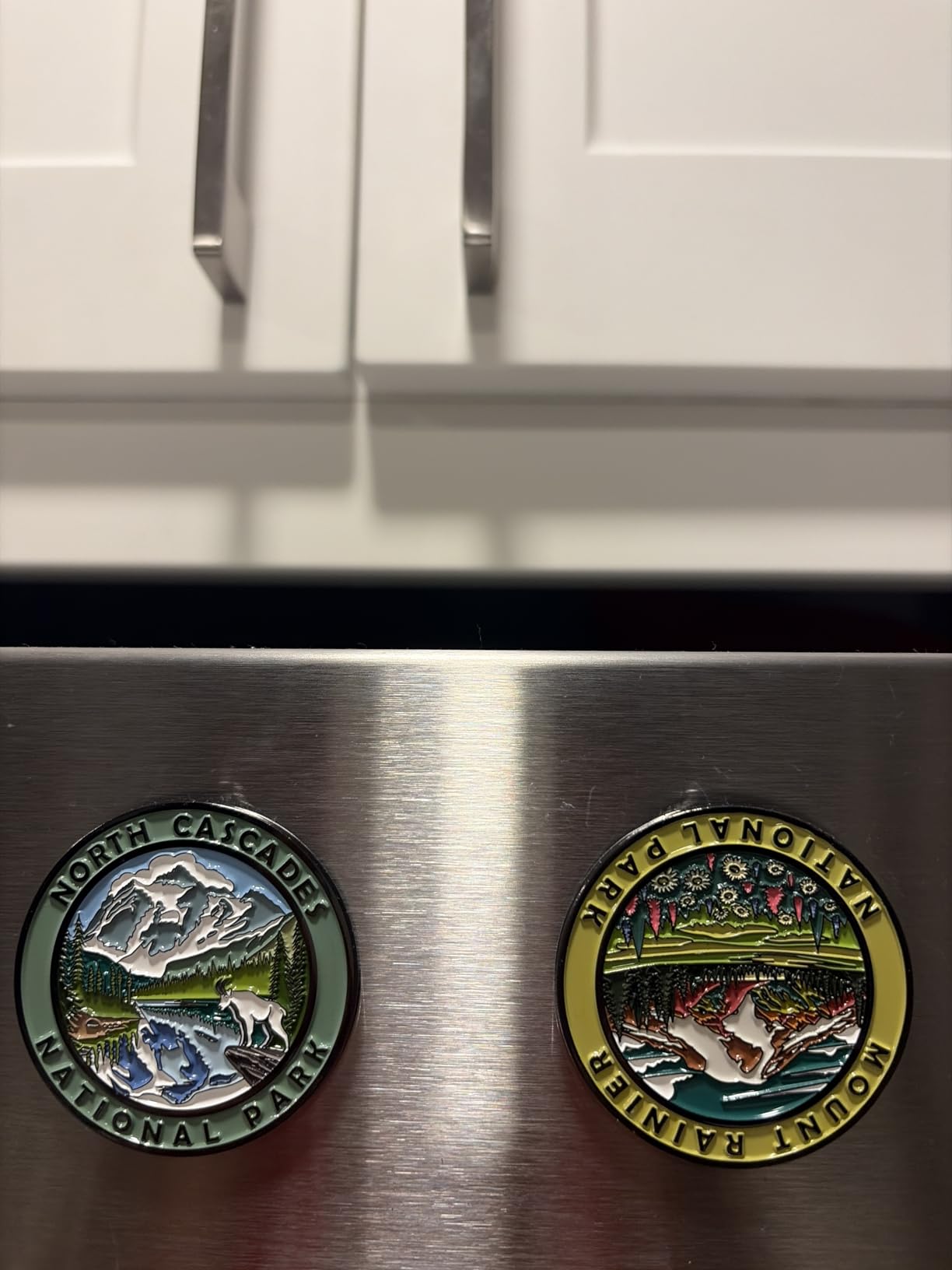
You wont' regret this purchase
I purchased these magnets as a gift and they are much more impressive than I was even expecting. There is beautiful, radiant colors in each magnet. They stick well on the fridge. They are larger than i imagined too....
Bryce Canyon National Park / B0DBG235CB / Verified PurchaseView the reviewed productMagnets worth buying
I bought a Great Smoky Mountains National Park fridge magnet recently, and it’s easily one of the best souvenir magnets I’ve come across....
Capitol Reef National Park / B0DB1K8FLH / Verified PurchaseView the reviewed productHigh Quality Adorable Compact Magnets
These magnets are super cute, bright and compact. I tried several options for my national park collection, but I didn't like any of them. These ones I'm keeping for sure!
Kings Canyon National Park / B0F9957PSL / Verified PurchaseView the reviewed product