 Cre8Travel
CRE8TRAVEL · NEW YORK PLACES
Sherwood House Museum
Sherwood House Museum: A Thoughtful Visitor Guide
Discover
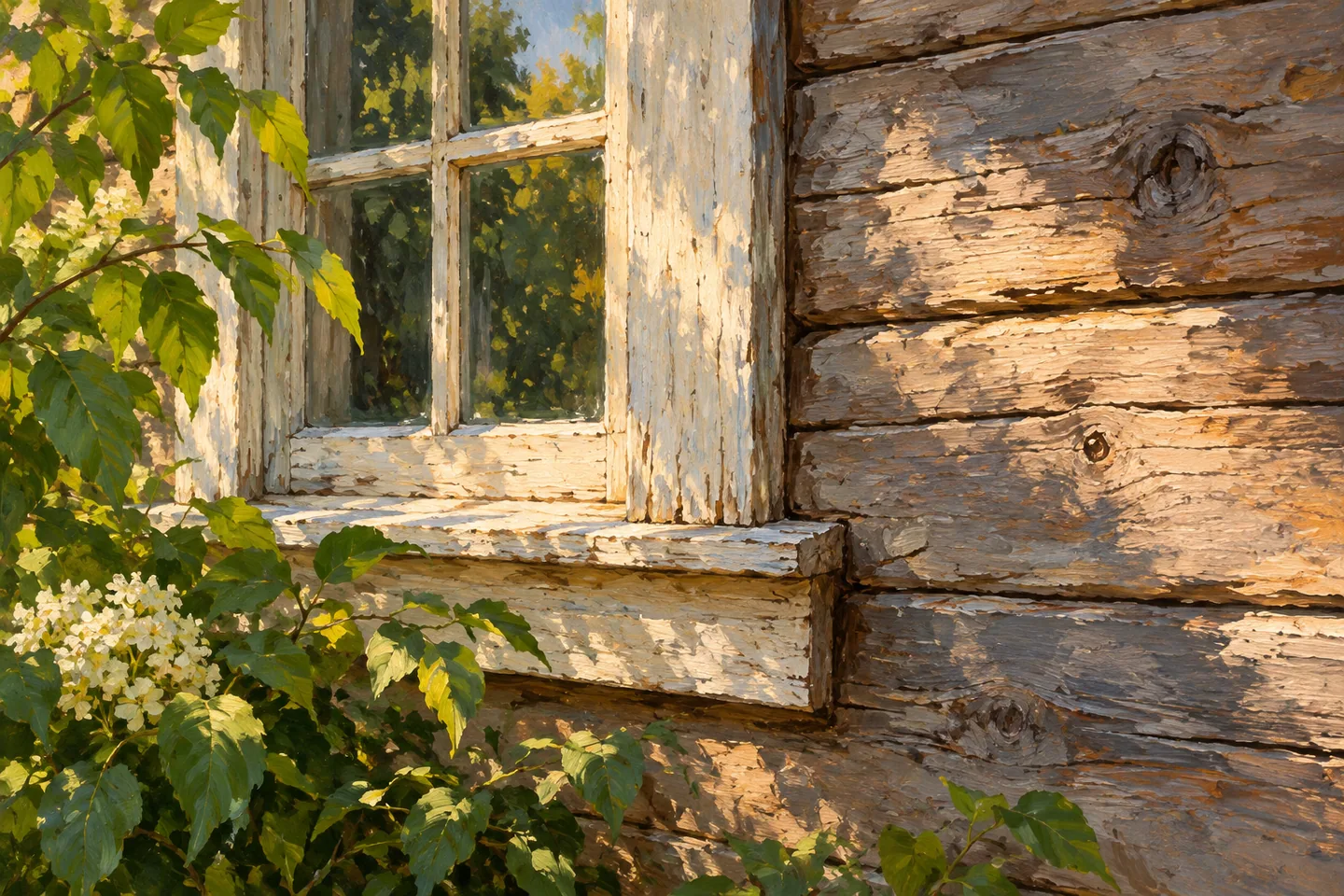
Sherwood House Museum is a small building with a long record of change. At 340 Tuckahoe Road in Yonkers, the former tenant farmhouse preserves a domestic setting from before the American Revolution while also showing how later owners adapted it. Its appeal lies in those layers: an early farmhouse, a doctor's working home and, eventually, a museum cared for by a local historical society.
Thomas Sherwood built the farmhouse around 1740 on land leased from Frederick Philipse. The historical society describes the house as built against a hill to make use of available farmland. Rather than imagining an isolated country estate, begin with that tenant-farm relationship and the practical choices of location and construction. The surviving house offers a concrete focus for considering how people lived and worked on the land.
Ownership changed several times before Dr. John Ingersoll purchased the property in 1801. In 1810, he added a ground-floor annex for his office. That distinction gives two dates different meanings: one marks his acquisition of the farm, the other a physical addition for medical practice. On a tour, ask how the rooms relate to those uses instead of assuming that everything visible belongs to the original 1740 arrangement.
The Weed family acquired the farm in 1834 and retained it longer than any other owners in the society's account. A second floor was added to the south annex around 1850, and the cottage and red barn date approximately to that period. Further expansion followed in 1880. Later occupants installed electricity and made other changes, reminding visitors that the building continued to be a home rather than freezing at one eighteenth-century moment.
The museum's history is equally specific. Consolidated Edison acquired the property in 1954. The following year, the Yonkers Historical Society obtained a lease with an agreement to restore the house and open it as a museum. Restoration involved removing later additions and repairing the remaining fabric. The museum's opening ceremony took place on July 15, 1962, and the house was added to the National Register of Historic Places in 1984.
That restoration story changes how a room should be read. A restored surface, a later addition and a donated furnishing may each belong to a different point in the house's life. The parlor piano, for example, was built around 1829 and donated to the museum in 1965. The barrel churn in the barn arrived as a donation in 1963. They enrich the displays without being proof that the same objects occupied this farm in its earliest years.
The historical society continues to document repairs and rearrangements. Its account includes roof and porch work, changing exhibits and conservation of the surrounding structures. Treat those records as evidence of an actively maintained museum, while checking the current visit page for any works affecting access. Upper floors are not all open to visitors, and older photographs do not establish which spaces can be entered today.
Sherwood House operates with seasonal public tours, and weather can interrupt opening. Verify the current tour calendar before travelling and ask the operator about your particular access needs. On site, give yourself time to look at the farmhouse in relation to its cottage and barn, then let the guide explain the rooms. A visit becomes more rewarding when each date and object helps distinguish the building's successive lives.
Fun facts
- Sherwood House began around 1740 as Thomas Sherwood’s tenant farmhouse.
- Dr. John Ingersoll bought the farm in 1801 and added an office annex in 1810.
- The Weed family acquired the farm in 1834 and oversaw later expansions.
- Sherwood House opened as a museum in 1962 and entered the National Register in 1984.
Before you go
- Confirm the current public tour calendar and weather notices.
- Ask about access needs before travelling; not all floors are open.
- Use the guide’s interpretation to distinguish original fabric, additions and donated objects.
- Ask permission before indoor photography.
Capture
- Frame permitted exterior views to show the house within its immediate setting.
- If photography is allowed, concentrate on a guide-identified detail rather than rearranging displays.
 Serpentine Art and Nature Commons
 Shore Road Sanctuary
 Shu Swamp Preserve
Social
Sherwood House began around 1740 as Thomas Sherwood’s tenant farmhouse. #Cre8Travel
Dr. John Ingersoll bought the farm in 1801 and added an office annex in 1810. #Cre8Travel
The Weed family acquired the farm in 1834 and oversaw later expansions. #Cre8Travel
Sherwood House opened as a museum in 1962 and entered the National Register in 1984. #Cre8Travel
The parlor piano dates to around 1829 but was donated to the museum in 1965. #Cre8Travel
The Yonkers Historical Society maintains Sherwood House and its museum interpretation. #Cre8Travel
Historic photographs do not establish which upper-floor rooms are open today. #Cre8Travel
Check the seasonal tour calendar before visiting Sherwood House in Yonkers. #Cre8Travel
Hashtags