 Cre8Travel
CRE8TRAVEL · NEW YORK PLACES
Saugerties Lighthouse
Saugerties Lighthouse: A Hudson River Beacon Restored
Discover
Saugerties Lighthouse stands where Esopus Creek meets the Hudson River, combining the presence of a navigational beacon with the scale of a riverside house. The present building began operating in 1869 and now serves as a living museum and bed-and-breakfast. Reaching it means approaching the water as part of the destination: the half-mile access trail crosses freshwater tidal wetlands before arriving at the lighthouse. The building and the river therefore share the visit, with tides influencing the practical experience as much as the architecture.
The light's story began before the surviving structure. Funding was appropriated in 1834 to guide vessels away from shallow water and into Esopus Creek when Saugerties was an active commercial and passenger port. Construction of the first lighthouse began the following year. It used five whale-oil lamps with reflectors, a reminder that navigation once depended on a different combination of light source and human maintenance. That original building was destroyed by fire in 1848 and rebuilt at its earlier site.
The 1869 lighthouse represented another stage. It was built on a circular stone base 60 feet across, and the lantern and lens were transferred from the earlier building. A cast-iron lantern room followed in 1873. Looking at the beacon with that sequence in mind separates the history of the station from the age of the house now visible. It also gives the building a practical context: this was equipment and accommodation serving river traffic, rather than an ornamental landmark placed beside the water.
Automation in 1954 changed the arrangement. Resident keepers were no longer required, the building was closed, and its condition deteriorated. A proposal to demolish it followed in 1964. The later preservation story involved local effort, with historian Ruth Reynolds Glunt and architect Elise Barry securing National Register recognition in 1979. The Saugerties Lighthouse Conservancy formed in 1985, and extensive fundraising and reconstruction returned the building to use. On August 4,1990, it was recommissioned as an aid to navigation with a solar-powered beacon.
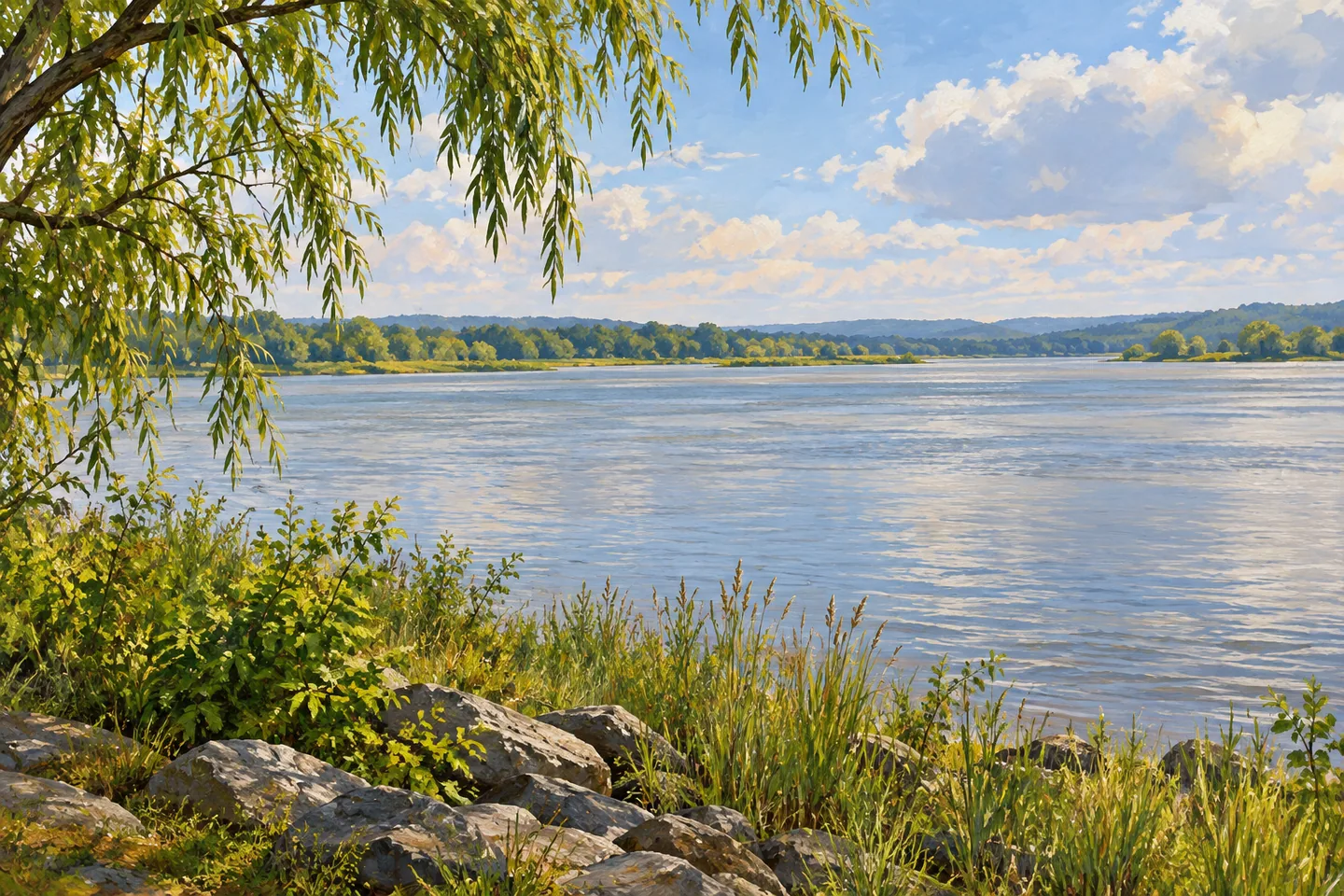
Today's approach puts that restored building within the Esopus Estuary. The access trail runs through 15 acres of freshwater tidal wetland, among willow and maple, tidal pools and seasonal wildflowers. These are useful subjects in their own right, even before the lighthouse comes into view. The changing relationship between land and water is especially clear here because sections of the trail experience tidal flooding twice daily. Check the operator's tide table, weather information and current visiting notices before choosing a time to walk.
Different parts of the destination have different arrangements. The riverside deck has limited weekday day-use hours and is closed to general day use on weekends. Interior tours or talks are offered on summer Sunday afternoons, with the operator sometimes substituting a deck talk when rooms are unavailable. Overnight accommodation is a separate booking. A trail visit consequently does not establish unrestricted entry to the museum rooms, tower or guest spaces, and checking the relevant schedule helps determine what kind of visit is possible.
Start planning from 168 Lighthouse Drive and the conservancy's current visitor guide. Respect the privacy of the keeper and overnight guests, and leave wetland vegetation undisturbed. For photography, the strongest subject may be the relationship between the modest historic building and the expanse of river around it. Saugerties Lighthouse carries a story of changing technology and sustained restoration, still situated within the moving tidal landscape that made a beacon necessary.
Fun facts
- The present lighthouse became operational in 1869.
- Its circular stone base measures 60 feet across.
- The building received National Register recognition in 1979.
- It was recommissioned as a navigational aid on August 4,1990.
Before you go
- Check both the tide table and visiting hours before using the access trail.
- Deck day use, summer interior tours and overnight stays have separate arrangements.
- Respect the keeper’s and overnight guests’ privacy.
Capture
- Frame the historic building with the river from a permitted visiting position.
- Use wetland vegetation as foreground without entering it.
- Photograph the building in safe dry conditions rather than approaching tidal flooding.
 Robert Ingalls Preserve
 PortSide New York
 McKenzie Mountain Wilderness
Social
Saugerties Lighthouse stands at the meeting of Esopus Creek and the Hudson River. #Cre8Travel
The surviving lighthouse began operating in 1869, after an earlier station occupied a nearby site. #Cre8Travel
Its 1869 building rests on a circular stone base 60 feet across. #Cre8Travel
Automation in 1954 changed the role of resident keepers and began a difficult chapter for the building. #Cre8Travel
Local preservation work led to National Register recognition in 1979. #Cre8Travel
A restored Saugerties Lighthouse returned as an aid to navigation in 1990. #Cre8Travel
The half-mile approach crosses freshwater tidal wetland; checking tides is part of planning a visit. #Cre8Travel
Choose the relevant schedule: deck visits, seasonal tours and overnight accommodation are separate. #Cre8Travel
Hashtags