 Cre8Travel
CRE8TRAVEL · NEW YORK PLACES
Landis Arboretum
Landis Arboretum: A Thoughtful Visitor Guide
Discover
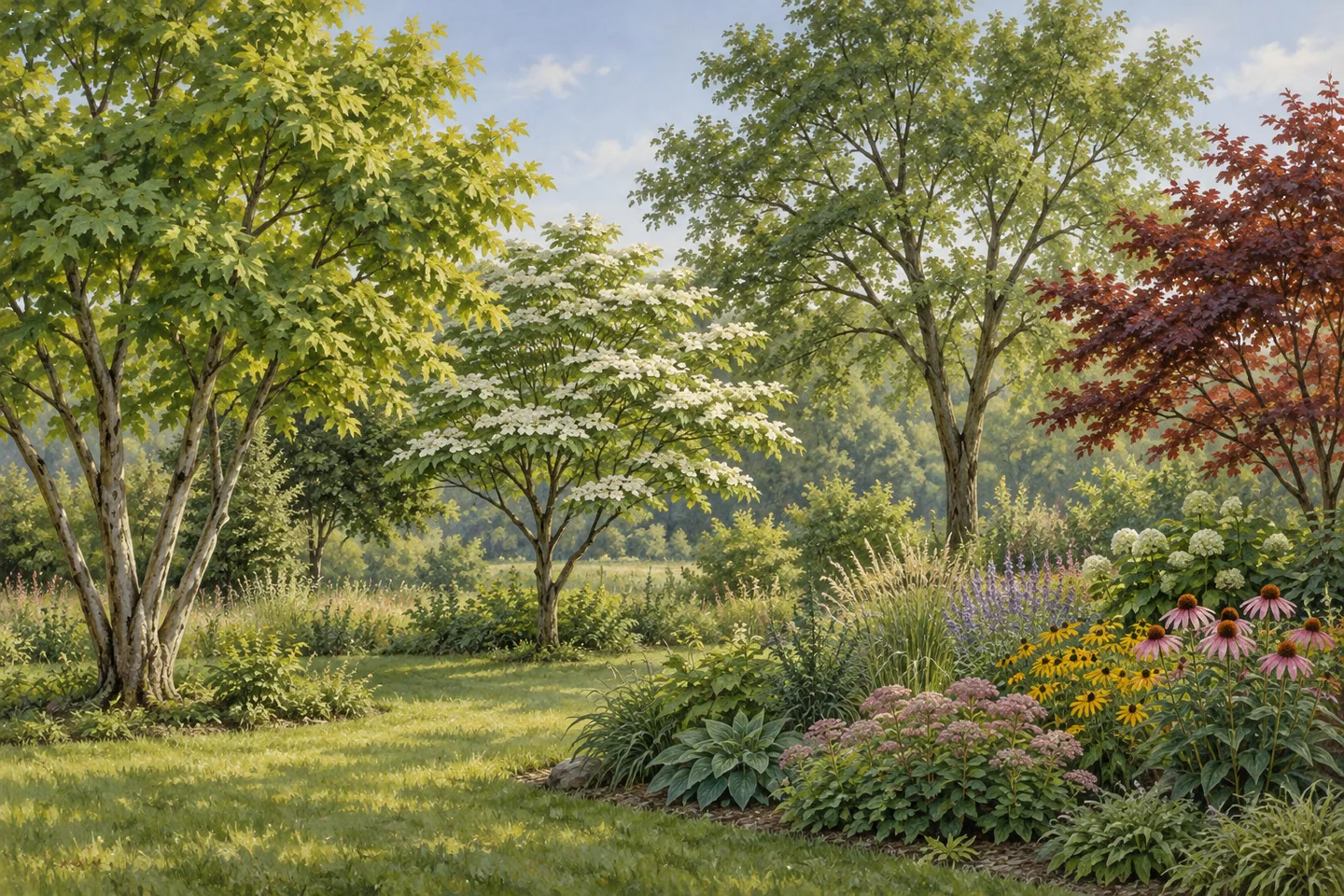
Landis Arboretum began with a fascination for the differences between trees. Founder Fred Lape wanted to grow woody plants from temperate regions that could survive the hills of Schoharie County. At his family's Oak Nose Farm, that interest became a collection of trees and shrubs, then a public place where visitors could look closely at trunks, branches and leaves for themselves.
Lape returned to the farm in 1928 after studying English at Cornell and teaching at Stanford. Writing remained part of his working life, alongside music, art and theater. The arboretum grew from that setting rather than beginning as a fully formed public institution. An outing can take its cue from his curiosity: choose a few trees to study instead of treating the grounds as a list of exhibits to finish.
Plant collection and propagation were central to the project. Lape obtained material from nurseries, botanical gardens, other arboreta, seed exchanges and the wild, and kept records of his plantings. His work included named selections of rhododendron, lilac, quince and crabapple. That history explains the importance of preserving labels and collections; it does not give visitors permission to take seeds, cuttings or plants home.
George Landis, a friend and academic colleague, helped make the project possible. His death in 1950 brought a bequest that allowed Lape to concentrate on planting. The arboretum was established in 1951 and named in Landis's memory. Another early supporter, Levan Loveland, helped with incorporation as an educational institution and contributed flower-gardening skills. Perennial beds bearing his name remain part of the story around the farmhouse.
As management became more demanding, Lape gradually transferred responsibility to a board of trustees while continuing his involvement. He established a small endowment before his death in 1985. The institution's continuation therefore reflects collecting, record-keeping, personal support and later shared stewardship. The mature planting you see belongs to that long process, not simply to one planting day or one person's lifetime.
For a visit to the established Schoharie garden, use the current visitor map rather than assuming that every newer holding mentioned in organizational news is reached from the same entrance. The operator provides a map online and at the visitor center near the lower parking lot. Plan a route that fits your energy and the conditions, leaving time to stop for the tree details that first inspired the collection.
The grounds are generally described as open from dawn to dusk, with visitors asked to sign in. Admission is free and donations are encouraged; confirm current arrangements before a special trip. Specific visitor rules prohibit bicycles on the grounds even though a broader home-page description mentions biking, so keep bicycles in permitted parking areas. Camping, fires, swimming and collecting plant material are also prohibited.
Dogs must remain leashed and away from flower gardens, with waste removed appropriately. Carry other rubbish out, since ordinary trash facilities are not provided. A modest visit can consist of a garden walk and a handful of carefully observed trees. The arboretum's history gives those observations context, while respecting the collections allows the same quiet discoveries to remain available to other visitors.
Fun facts
- Fred Lape began collecting hardy woody plants at his family’s Oak Nose Farm.
- Lape returned to the farm in 1928 after a teaching career.
- George Landis’s 1950 bequest helped make the arboretum possible.
- Landis Arboretum was established in 1951 and named for George Landis.
Before you go
- Use the current map and sign in when visiting.
- Do not collect seeds, cuttings or other plant material.
- Keep bicycles in permitted parking areas.
- Keep dogs leashed and away from flower beds.
- Carry rubbish out and check current visitor arrangements.
Capture
- Photograph differences in trunk form or branching without disturbing labels and plants.
- Use an existing path to frame a garden detail, leaving room for others.
 Innisfree Garden
 6BC Botanical Garden
 Arcade and Attica Railroad Depot
Social
Fred Lape began collecting hardy woody plants at his family’s Oak Nose Farm. #Cre8Travel
Lape returned to the farm in 1928 after a teaching career. #Cre8Travel
George Landis’s 1950 bequest helped make the arboretum possible. #Cre8Travel
Landis Arboretum was established in 1951 and named for George Landis. #Cre8Travel
Levan Loveland helped establish its educational institution and perennial gardens. #Cre8Travel
Lape kept planting records and worked on named selections of several woody plants. #Cre8Travel
Use the current map for the established Schoharie garden rather than assuming newer holdings share one entrance. #Cre8Travel
Landis’s visitor rules prohibit collecting plants and cycling on the grounds; dogs must be leashed. #Cre8Travel
Hashtags