 Cre8Travel
CRE8TRAVEL · NEW YORK PLACES
Cooperstown & Charlotte Valley Railroad
Cooperstown & Charlotte Valley Railroad: A Journey through Railway History
Discover
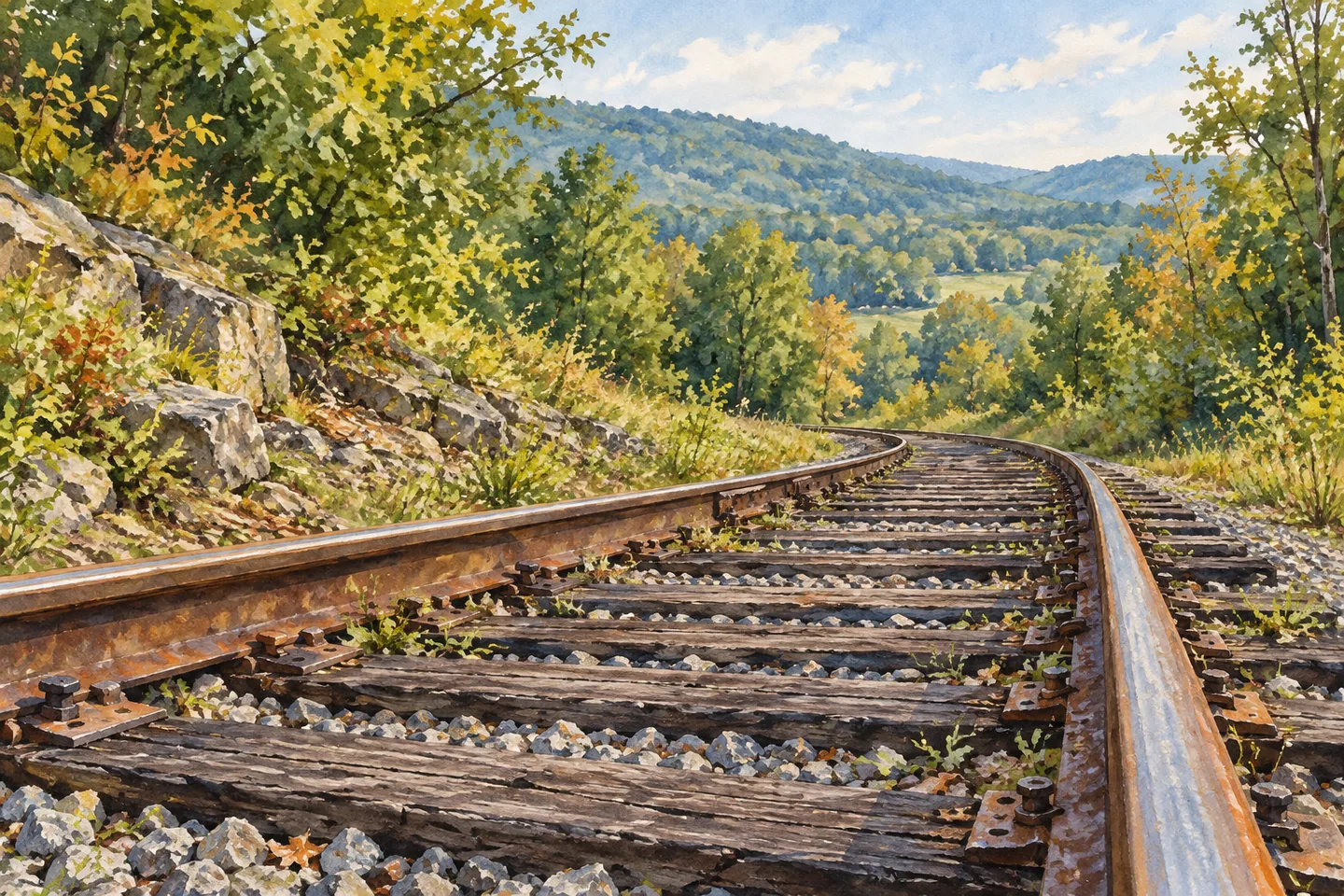
The Cooperstown & Charlotte Valley Railroad brings a railway journey into the landscape of the upper Susquehanna River Valley. Excursions depart from Milford, New York, using historic equipment rather than treating railway history as something confined to a display case. Forests, wetlands and rolling farms form part of the setting described by the operator. The experience joins scenery with the story of a line whose beginnings reach back to the 1860s.
The earliest company in this account was the Cooperstown and Susquehanna Valley Railroad, whose articles of association were filed in 1865. Construction began in February 1868, and the first train ran on July 14,1869. The initial broad-gauge track matched the connecting Albany and Susquehanna line. A later change in gauge took place in 1876, showing how a local railway's technical choices depended on the wider network around it.
The Cooperstown and Charlotte Valley company followed in 1888. Its ambitions extended beyond the route that visitors associate with the present excursion railroad. The operator's historical account traces plans along Charlotte Creek and work toward Davenport Center, alongside competition and connections with other railways. Keeping those companies and stages separate makes the history more interesting than assigning every development to one unchanging organization.
Milford Depot supplies a more immediate connection with that past. Built in 1869 as a combined freight and passenger facility for the earlier railroad, it underwent substantial alterations during Delaware and Hudson ownership in 1903. The Leatherstocking Railway Historical Society purchased the station in 1995 and renovated it, with a grand opening inJune 1996. Its role as a passenger-operation focal point and a place for historical displays gives the visit an anchor beyond the train itself.
The preservation society has its own, later history. Organized in 1982 by Oneonta residents, it set out to protect local railway heritage and develop a regional museum. Those beginnings should not be confused with the nineteenth-century construction of the railroad. Acquiring, restoring and interpreting old equipment became ways to connect the region's transport history with a new generation of passengers.
Volunteer work and line rehabilitation led toward the return of excursion operations. After renovation of the northern section between Milford and Cooperstown, the society ran its first revenue passenger train on June 6,1999. That date marks a modern preservation chapter, not the first train ever to use the line. The distinction gives the same rails two different histories: their original transport role and their later use in heritage excursions.
For a visit, check the operator's current departures, theme and route before booking. Different advertised trips should not be assumed to have identical schedules, duration or equipment. The operator notes that historic rolling stock brings boarding and accessibility limitations, so discuss particular needs directly before making plans. A historic depot or coach is a reason to ask practical questions, not a guarantee that every part of the experience suits every passenger.
Photography can follow both scales of the story: the landscape seen from a permitted passenger area and a closer detail of railway equipment or depot architecture where access allows. Leave operational areas to railway staff. The distinctive appeal is the combination itself: a nineteenth-century railway setting, later preservation work and a present-day journey through the upper Susquehanna landscape.
Fun facts
- The first train on the earlier Cooperstown and Susquehanna Valley line ran on July 14,1869.
- Milford Depot was built in 1869 for combined freight and passenger use.
- The Cooperstown and Charlotte Valley company was organized in 1888.
- The Leatherstocking Railway Historical Society was organized in 1982.
- The society ran its first revenue passenger train on the restored northern section on June 6,1999.
Before you go
- Check the operator’s current route, departure and excursion type before booking.
- Discuss boarding and accessibility needs directly with the operator because historic equipment has limitations.
- Keep the original 1869 line history separate from the preservation society’s twentieth-century story.
- Use only permitted passenger and visitor areas when observing or photographing railway equipment.
- Allow time for depot history as well as the train journey, according to current visitor arrangements.
Capture
- From a permitted passenger area, compose the relationship between railway travel and the valley landscape without promising a specific bridge or scene on every trip.
- Where visitor access allows, pair a wider depot image with a close architectural or equipment detail.
- Let the actual equipment on your excursion guide the image rather than expecting a particular locomotive or livery.
 South Hill State Forest
 Burnt-Rossman Hills State Forest
 Terry Mountain State Forest
Social
The Cooperstown & Charlotte Valley Railroad offers heritage excursions departing from Milford in the upper Susquehanna River Valley. Check current trips before booking. #Cre8Travel
The earlier Cooperstown and Susquehanna Valley line’s first train ran on July 14,1869, following construction that began in 1868. #Cre8Travel
Milford Depot was built in 1869 for freight and passenger use. Its later restoration adds another chapter to the railway story. #Cre8Travel
The Cooperstown and Charlotte Valley company was organized in 1888. Its history is distinct from the earlier line and the later preservation society. #Cre8Travel
The Leatherstocking Railway Historical Society was organized in 1982 to preserve and interpret local railway heritage. #Cre8Travel
The society purchased Milford Depot in 1995, renovated it and held a grand opening inJune 1996. Preservation is part of the place’s history. #Cre8Travel
After northern-line rehabilitation, the society ran its first revenue passenger train on June 6,1999. That is a modern preservation milestone, not the railroad’s first train. #Cre8Travel
At the Cooperstown & Charlotte Valley, pair a permitted valley-landscape photograph with a railway detail. Which scale best tells the journey’s story? #Cre8Travel
Hashtags