 Cre8Travel
CRE8TRAVEL · MAINE PLACES
Packard-Littlefield Farm
Packard-Littlefield Farm: A Working Landscape with Many Lives
Discover
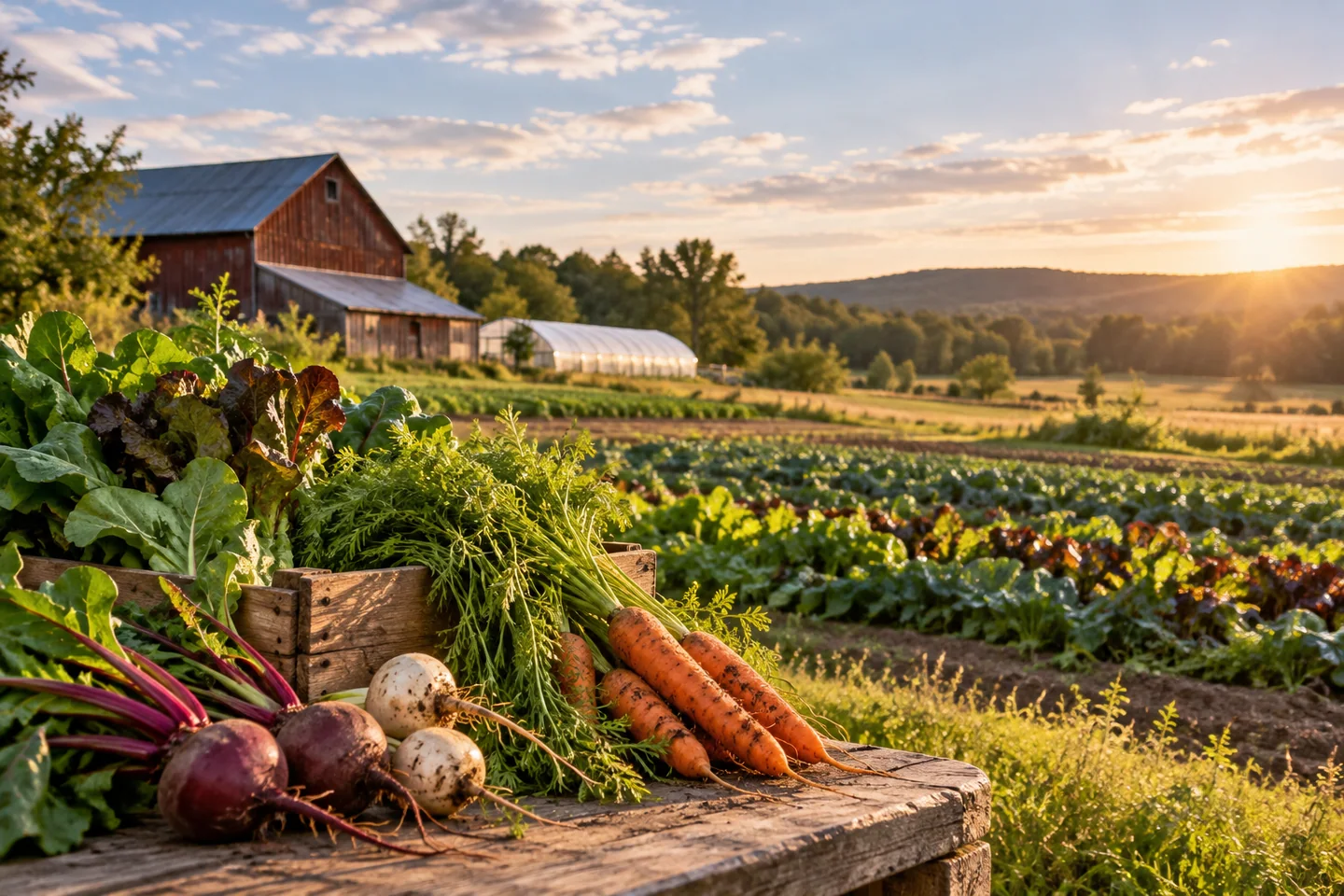
Packard-Littlefield Farm in Lisbon is best approached as a working place with a public-facing farm visit, rather than as an unrestricted countryside park. Its own website welcomes customers at 76 Littlefield Road and describes vegetable farming, animals, and hay production. Confirm the kind of visit available before setting out, and begin at the customer area when you arrive. What makes this address interesting is the connection between things that are often considered separately: an inherited landscape, food production, conservation, and people making new livelihoods.
The farm describes its approach as regenerative, using composting, animal manure, greenhouses, and reduced disturbance of the soil. It also identifies horse-powered vegetable growing as part of the operation. These are useful subjects for a conversation if someone has time to explain them. Ask how a technique fits the work being done, rather than expecting every activity to be demonstrated on demand. A tool, a growing bed, or an animal's role can become more meaningful when understood as part of a system of labor and nutrients.
The conservation story gives that working landscape a longer horizon. Androscoggin Land Trust's 2014 account describes Bob and Ella Mae Packard's efforts to protect the farm through agricultural conservation easements, with a major agreement completed in 2004 and later additions. The land remained privately owned; conservation was intended to retain its working agricultural use. That distinction matters during a visit. Protecting a farm from development does not convert every barn, field, or woodland edge into an area open for casual wandering.
Another chapter concerns access to the work of farming itself. Cornell Small Farms' 2013 reporting describes land at Packard-Littlefield leased for the New American Sustainable Agriculture Project, with immigrant and refugee households growing and selling produce. Training included understanding markets and the crops customers wanted. Read that as part of the farm's history, without assuming the same participants or program arrangements remain today. The wider point is tangible: conserving agricultural ground can create opportunities for people to put experience, skill, and ambition to use in a new home.
A later land-trust account, published in 2020, describes Chirp Creek Farm operating here and working with Androscoggin Gleaners. Surplus vegetables were gathered for food pantries, soup kitchens, housing communities, and other food-access sites. That historical example adds another perspective to a basket of produce. Its value is not only what a shopper takes home; relationships can extend outward through markets, households, and organized sharing. Those connections make a farm visit more interesting than treating the view across a field as its only attraction.
Let the people working set the pace of any conversation, and ask where visitors may stand before moving beyond the customer area. Do not enter growing beds, handle equipment, or approach animals without permission. For a photograph, a permitted still life of produce can tell the story without interrupting a task; ask before including anyone identifiable. You can leave with something simple to cook and a more considered question about where it came from. At Packard-Littlefield, the most rewarding view is the relationship between land kept in use and the community supported by that use.
Fun facts
- Agricultural conservation easements were established to help keep the property in working farm use.
- The farm’s history includes an incubator program for immigrant and refugee farmers.
- A 2020 land-trust account describes surplus produce shared through Androscoggin Gleaners.
Before you go
- Confirm the available customer visit and ask where visitors may go before entering working areas.
- Leave growing beds, equipment, and animals undisturbed unless a host expressly invites participation.
- Ask before photographing identifiable people and keep work routes clear.
Capture
- With permission, arrange a simple produce detail in the customer area rather than interrupting field work.
- If a broad farm view is permitted, show the relationship between cultivated ground and buildings without entering a private field.
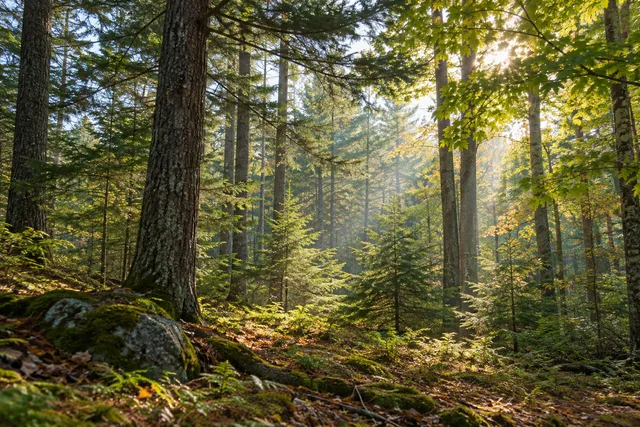 True Farm Living Forest
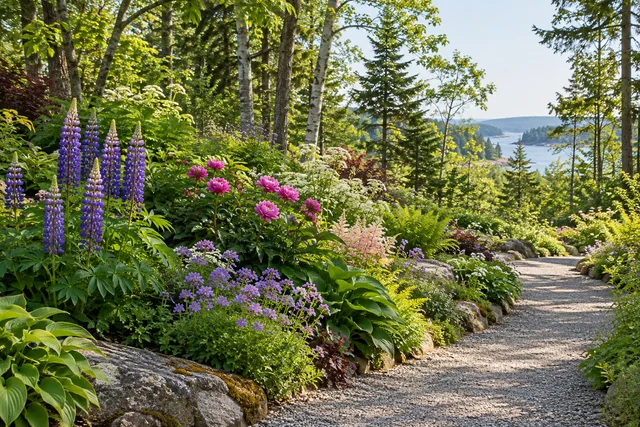 Coastal Maine Botanical Gardens
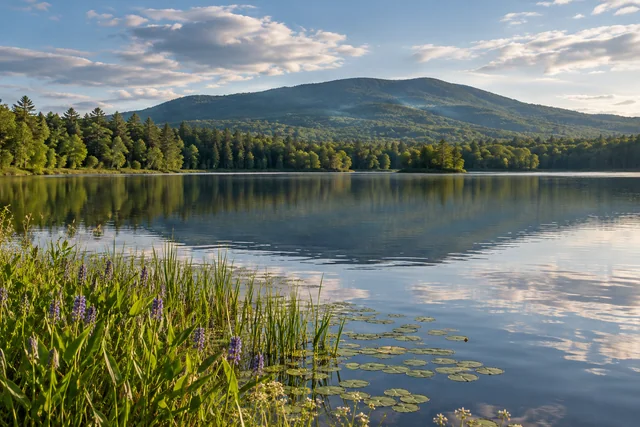 Burnt Meadow Pond
Social
Packard-Littlefield Farm connects food production with a long conservation story.
A working farm’s customer entrance is a starting point, not permission to wander everywhere.
The farm describes regenerative practices involving soil, compost, and animals.
Agricultural conservation protects the possibility of continued work on the land.
The property’s history includes New American farmer training and market access.
A 2020 account describes surplus vegetables reaching local food-access programs.
A basket of produce can open a conversation about land, labor, and community.
What would you ask a farmer first: how the crop grows, how the land is cared for, or where the harvest goes?
Hashtags