 Cre8Travel
CRE8TRAVEL · MAINE PLACES
Litchfield Fair
Litchfield Fair: Find Your Own Thread through the Day
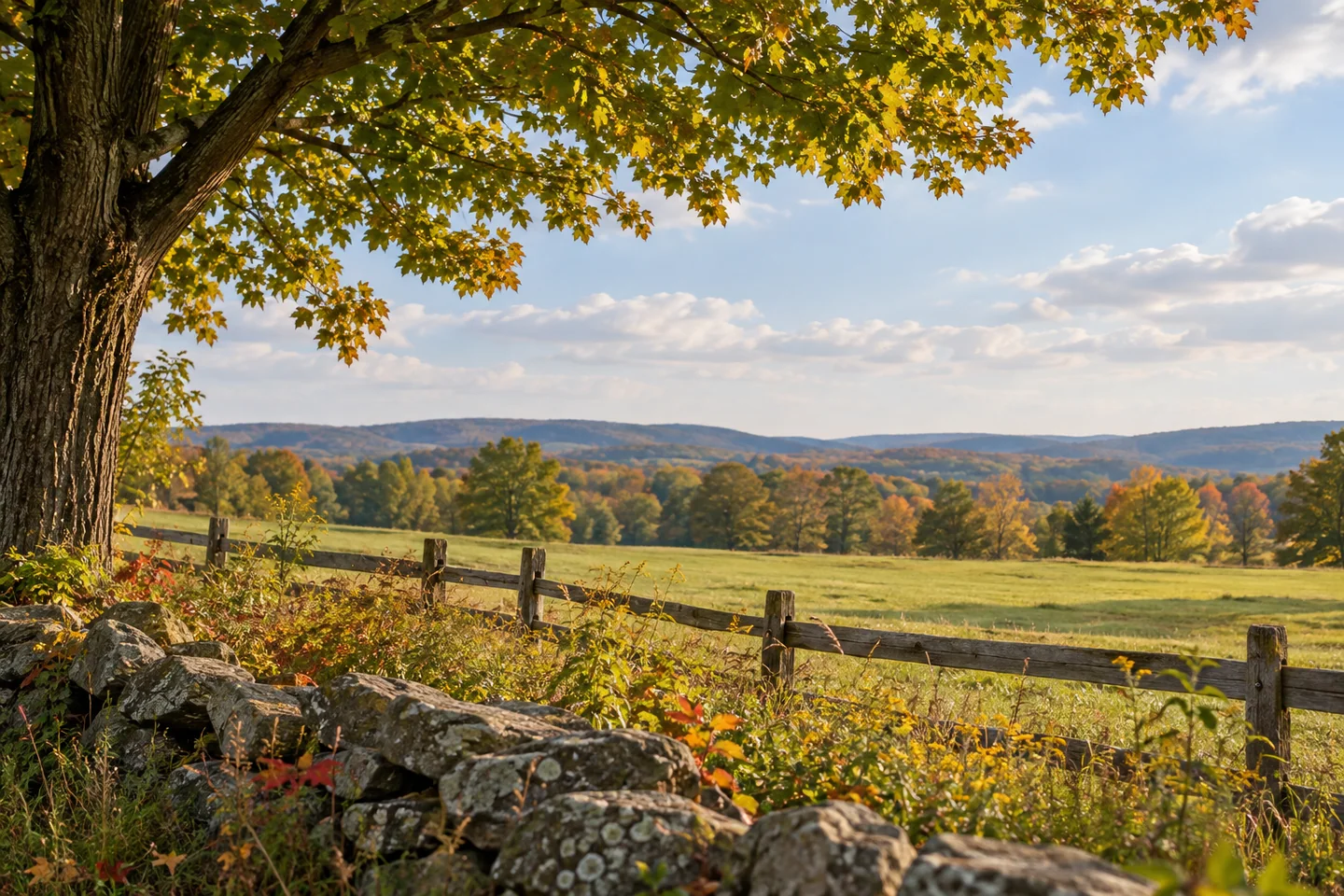
Discover
Litchfield Fair gives a rural community gathering several different centers of attention. The town describes livestock, agricultural exhibits, horse shows, pulling events, music, and a fair-history museum alongside the midway. Choose the annual fair's announced dates before coming to the Plains Road grounds. A visitor interested in food traditions may spend the day quite differently from someone drawn to animals or entertainment, even while sharing the same small setting.
The organizer's 2025 fair book traces the institution to an agricultural society formed in 1857 and its first exhibition the following year. The earliest events used the town-house yard before moving to an old trotting park. Reorganization as the Farmers' Club followed in 1904. Those changes help explain the gathering as something repeatedly renewed by a community, rather than a programme preserved unchanged since its beginning.
Will Wagner's September 2025 on-site interviews bring that continuity down to individual visits. Brayden Choate recalls coming with cousins as a child and later continuing the tradition with friends. David Levesque enjoys getting out with children and a grandson. Both describe a gathering whose pleasure includes meeting people, making the social occasion as important as any particular attraction.
The fair book's tribute to Rayna Leibowitz explains the museum's personal origins. She created the Farm and Home Museum in 2006 in honor of her mother and helped establish the adjacent blacksmith shop. Its account describes wood-stove cooking, applesauce, butter-making, and a working forge. These are examples of past fair demonstrations; use the current programme to choose what can actually be watched during a future visit.
The Farmers' Club also gives agriculture an educational role beyond the fairground. Its scholarship programme considers students interested in agriculture, family and consumer sciences, or life sciences, with attention to participation and volunteering at the fair. That connection gives an exhibition a future-facing dimension. A younger person's experience of raising an animal, preparing an entry, or helping an event can belong to a longer path of learning.
The same 2025 broadcast finds pleasure in familiar food and practical knowledge. Choate praises his favorite fair dishes, while demonstrator Susan Gardner explains traditional cooking involving beans and homemade applesauce. Their experiences provide a reason to make room for a conversation as well as a meal. They describe that particular year's gathering, not today's vendors, sample availability, or a fixed menu for another edition.
The town also identifies other organized gatherings at the fairgrounds, including bluegrass festivals and a community family day. Those occasions have separate arrangements and should not be treated as interchangeable with the agricultural fair. Decide which event is the purpose of the journey, then check its organizer's current information. The familiar address can host several kinds of shared experience over the course of a year.
The scholarship's emphasis on service offers one more way to look around. Notice the difference between a person presenting finished work and someone helping the occasion run. Both contribute to the gathering's educational character. A short visit becomes more meaningful when the people who maintain the tradition receive some of the attention usually given to the most conspicuous attraction.
For photographs, ask permission before making close pictures of exhibitors or demonstrations. Choose one wider frame to establish the setting, then a detail that explains what interested you. Let those two roles remain distinct instead of producing many similar views.
Fun facts
- The Farm and Home Museum was created in 2006 as a tribute to its founder’s mother.
Before you go
- Check the agricultural fair’s dates separately from other fairground events.
- Use the current programme when planning around a demonstration.
Visitor perspectives
- Choate recalls returning from childhood visits with cousins to outings with friends, and enjoys familiar fair food.
- Levesque enjoys meeting people and visiting the fair with children and a grandson.
Capture
- Ask before close pictures of exhibitors and their work.
- Pair an overview with a detail that explains your interest.
 Monmouth Fair
 Clinton Lions Fair
 Pittston Fair
Social
Agricultural exhibits and the midway offer different ways into Litchfield Fair.
The museum connects household skills with a personal community history.
Choate and Levesque describe a fair whose appeal includes friends and family.
A club scholarship extends agricultural learning beyond fair week.
Make room for a conversation between the headline events.
An exhibition can hold both practiced skill and a new attempt.
Let the day’s interests guide its pace.
Choose one detail worth remembering before moving on.
Hashtags