 Cre8Travel
CRE8TRAVEL · MAINE PLACES
Hallowell Reservoir Recreation Area and City Forest
The RES: Woods and Water near Hallowell
Discover
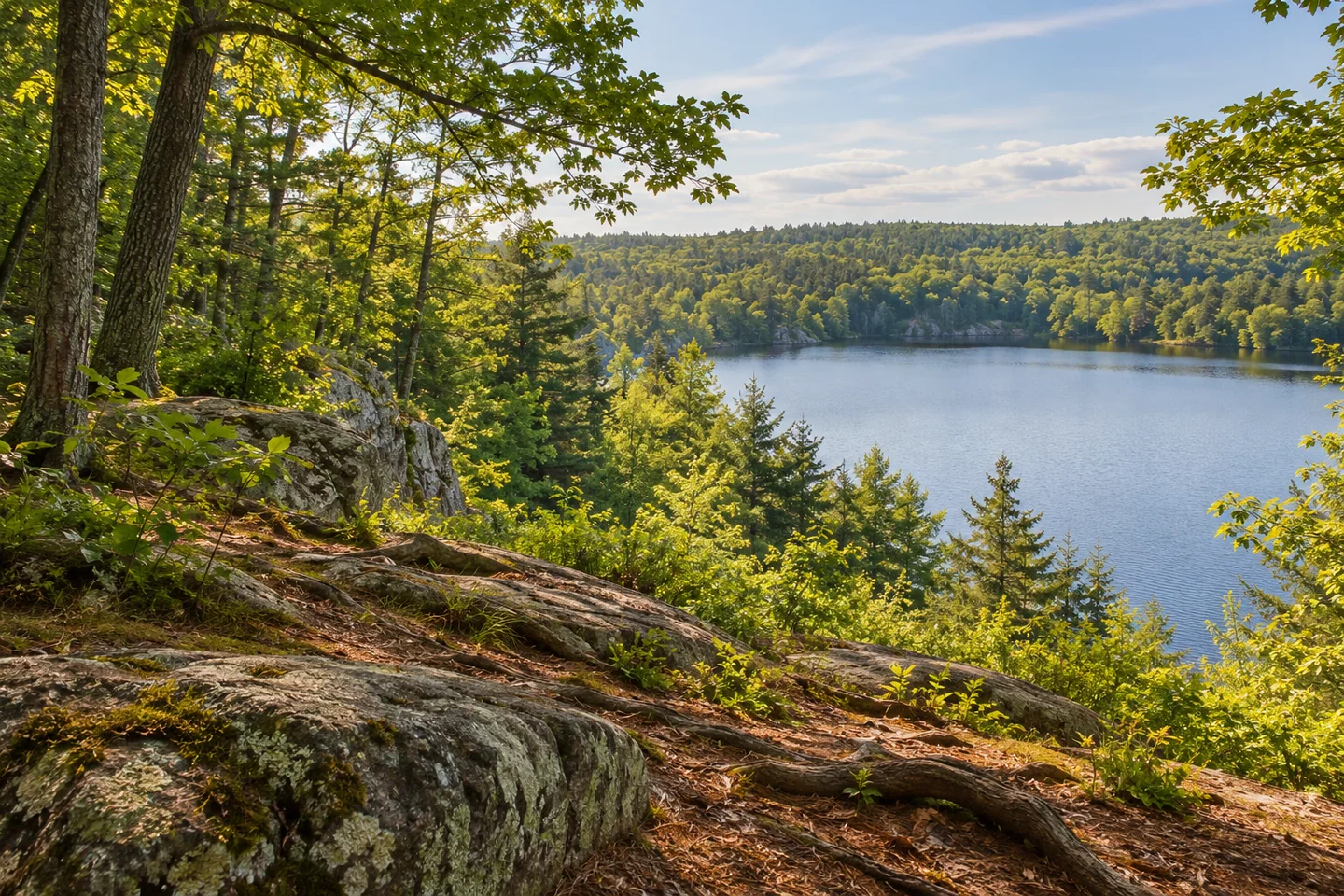
Hallowell's reservoir recreation area, usually called The RES, welcomes visitors to woods, ponds, and trails west of downtown. The city's guide connects recreation with stone walls and old quarries that reveal earlier uses of the land.
Plan parking with the season in mind. The city requires permits for non-resident vehicles at the beach and ballfield parking area during specified summer dates and daytime hours. The guide identifies Town Farm Road as a year-round alternative without that permit. Check current city notices before choosing an arrival point.
Rebecca Goldfine's original account particularly enjoys the varied walking, following the access road toward the Quarry Trail and returning along Wildflower Trail. She describes the waterside opening as more grassy than sandy and notes places to pause near the pond. Her preference gives a compact outing a useful shape while leaving the choice of circuit to present conditions and the group's comfort.
The official guide distinguishes the roughly one-mile Wildflower Loop, reserved for foot traffic, from the longer Porcupine Ridge Loop through mature forest. Both include uneven or rocky footing. Use the current map to match the route to your activity; a path suitable for walking does not automatically allow every kind of bicycle.
A 2025 Geological Society of Maine field guide adds depth to the scene. It explains that the reservoir was built in the 1880s to supply public water to Hallowell. Earlier, the property included buildings and a farm used to house people receiving poor relief and institutional care. The wooded setting therefore carries several kinds of civic history, alongside the more immediately visible remains of stone extraction.
The guide identifies the local rock as Devonian Hallowell Granite, formed about 385 million years ago during the Acadian mountain-building episode. Quartz, feldspar, and mica are among its components. A quarry can make that geological story easier to imagine at a human scale. Observe from the established route, treating the exposure as a feature to understand rather than a place to climb or collect material.
Andrea's original 2008 Capital Walks account remembers a family outing through woodland with glimpses of the reservoir. She appreciated the opportunity to choose a shorter waterside circuit or a longer woodland route. Her experience with a double jogging stroller was considerably less easy: roots, rocks, and a steeper section required two adults to push it. That dated account is useful as an individual caution about assuming that a broad path means an effortless stroller outing.
Goldfine also notices an unusual area where discarded objects and art mingle, finding it thought-provoking. A walk here can hold that unexpected impression alongside the water and trees. Enjoy what is visible from the permitted network, without treating a writer's curiosity as permission to enter adjoining land or handle objects.
For a record of the day, choose one feature that changed how you understood the place. A note about its earlier use can connect a woodland view with the story beneath it. Let the chosen circuit leave time for a pause, with an uncomplicated return to the same starting point.
Fun facts
- Hallowell’s reservoir was built in the 1880s to supply the city with water.
Before you go
- Check the seasonal parking permit requirement before using the waterfront lot.
- Consult the map and keep bicycles off the foot-only Wildflower Trail.
Visitor perspectives
- Andrea enjoys the family walking options but finds pushing a double stroller over roots, rocks, and a steeper section difficult.
- Goldfine enjoys the varied woodland walking and waterside setting, finding unexpected art among discarded objects thought-provoking.
Capture
- Connect a permitted woodland view with a short note about an earlier use of the land.
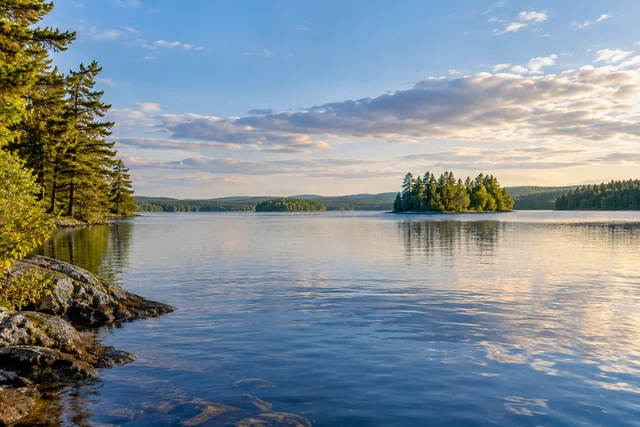 Long Pond, Belgrade Lakes
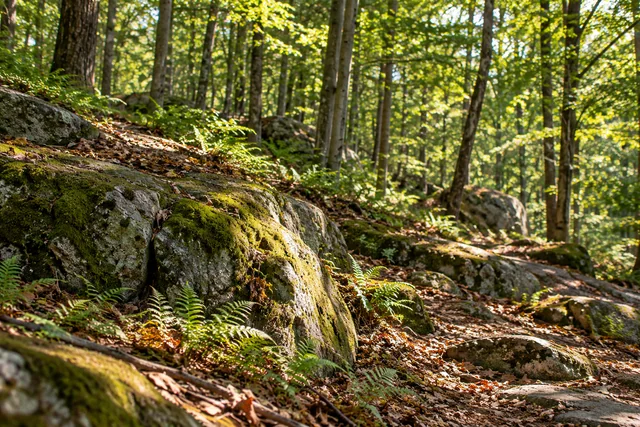 Wayne’s 100-Acre Wood
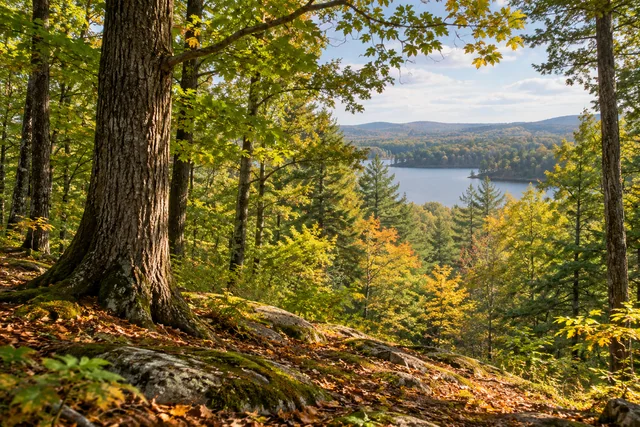 Chester Ladd Legacy Forest
Social
The RES combines woodland trails, ponds, and traces of quarrying.
Waterfront parking has a seasonal permit requirement for non-resident vehicles.
The granite records a geological history far older than the reservoir.
One family account warns that a broad woodland route can still challenge a stroller.
Goldfine enjoys the varied walking and waterside pauses.
A familiar woodland can hold more than one kind of history.
Choose the circuit that leaves room to look as well as move.
What would make you pause on an ordinary local walk?
Hashtags