 Cre8Travel
CRE8TRAVEL · MAINE PLACES
Hallowell Museum in the Streets
Hallowell Museum in the Streets: Read the City as You Walk
Discover
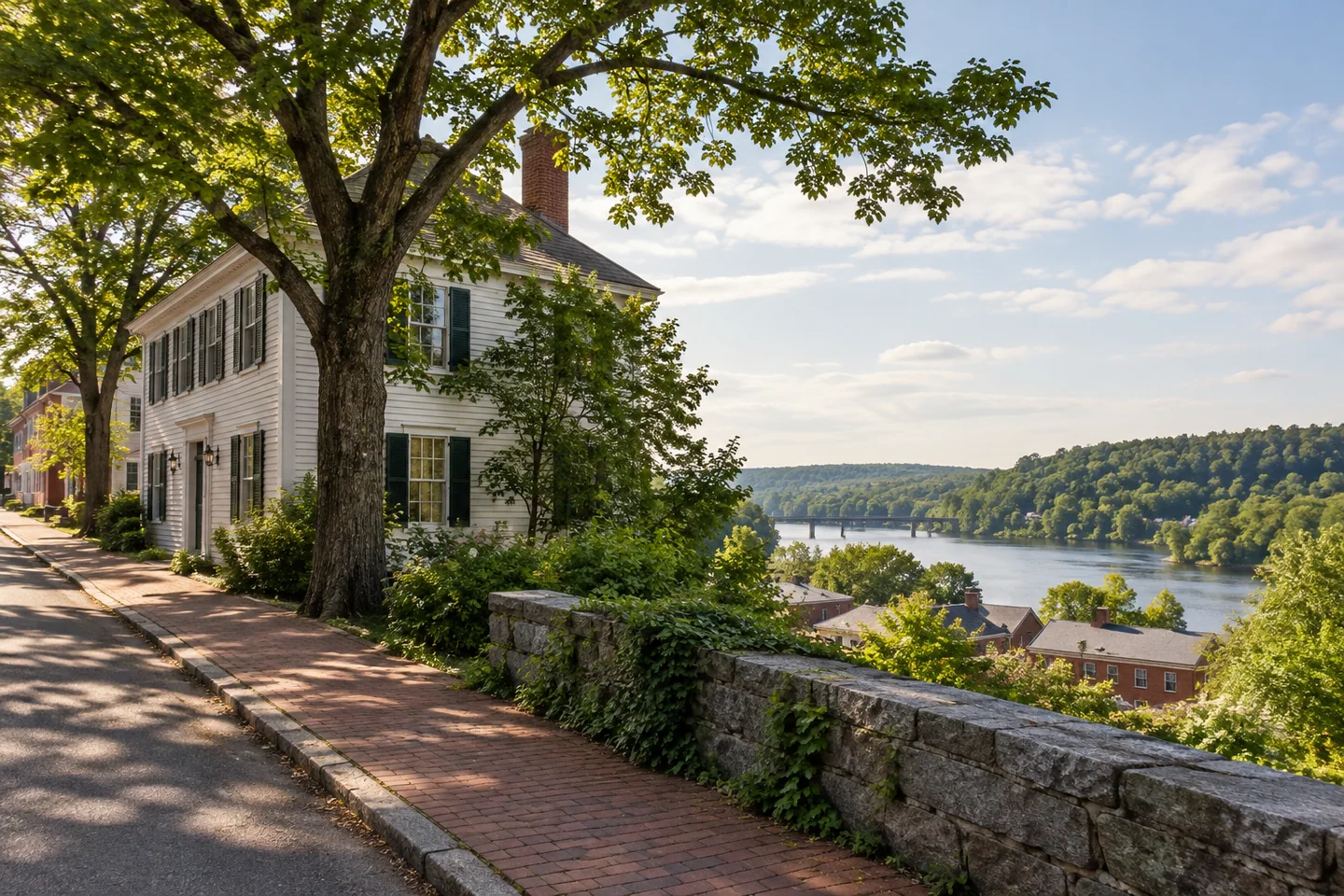
Hallowell's Museum in the Streets makes a walk along Water Street and Second Street an encounter with the city's history. The local project describes twenty illustrated signs, most within walking distance of one another. They offer an outdoor introduction to people, industries, and buildings rather than a promise of admission to every property they discuss. Choose a few themes that interest you, then let the streets and the interpretation explain each other.
Row House, the local historical organization, records the tour's dedication in May 2009. The original nineteen venues combined English and French text with historic photographs. That format gives visitors several ways into a subject: a familiar building can be compared with an older image, while the bilingual text places the same account before different readers. A stop can be brief without becoming superficial if one question receives close attention.
Elizabeth Wilson visited the street museum in June 2019 while traveling to every municipality in Maine. She found it difficult to choose highlights, but singled out the Hubbard Free Library and the home associated with Ebenezer Dole. Her response suggests a useful approach to the route: follow a personal interest instead of feeling obliged to give every panel equal time. Her choices are one visitor's account, not a ranking of the stops.
The panel at Dr. Hubbard's office links an individual building with medicine and public service. It explains that John Hubbard began practicing in Hallowell in 1830, and that his office remained on the family farm after his death before being moved in 1989. Read that history from the signed public route. The presence of an interpretation panel does not establish present interior opening arrangements.
A twentieth venue was added in 2013 at the Powderhouse lot on High Street. Row House describes paintings by Hallowell artist Chris Cart showing members of two local military companies in their distinctive uniforms. This addition broadens the walk beyond reading text alone. A painted figure, an old photograph, and a surviving structure can each raise a different question about how a community represents its past.
Wilson also connects the granite story to places far beyond Hallowell, and remembers the contrast between the river's quieter appearance during her visit and its former industrial role. That observation can sharpen a present walk without requiring the scene to be identical. Look at what the public streets reveal now, then use the panels to ask what kinds of work, movement, and trade once occupied the same setting.
The project itself grew from cooperation between the Hallowell Area Board of Trade, Row House, city government, the library, and local supporters. The result brings interpretation into an ordinary town walk.
For a record of the outing, choose a building viewed from a public place and write down the detail that changed your understanding of it. Avoid treating every sign as another picture to collect. A comparison between one historical image and what you can observe today may be more memorable than a complete photographic inventory. Follow current street conditions and notices, respecting private homes and gardens throughout the walk.
Fun facts
- The original nineteen-stop tour gained a twentieth venue at the Powderhouse lot in 2013.
Before you go
- Stay on the public route and check separately before entering a featured property.
- Keep sidewalks and entrances clear while stopping to read.
Visitor perspectives
- Wilson highlights the Hubbard Free Library and Ebenezer Dole’s house and reflects on the river’s contrast with its industrial past.
Capture
- Compare a public street view with one historic image described on the route.
 Woodbury Pond and Woodbury Pond Park
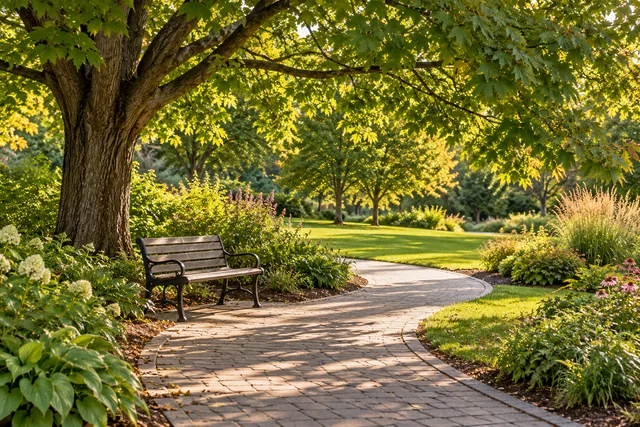 Castonguay Square
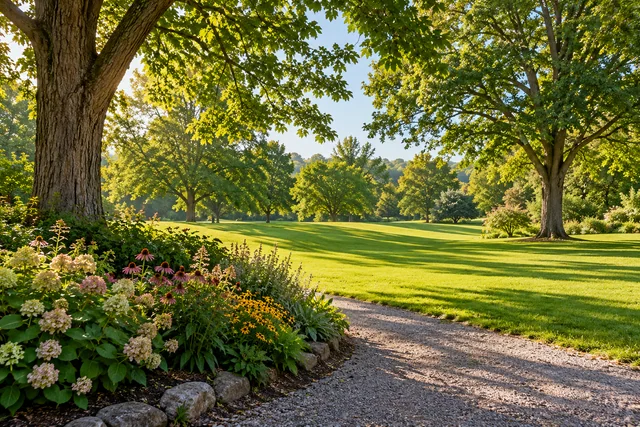 Gardiner Common
Social
Twenty signs introduce different aspects of Hallowell’s history.
The original panels combined English and French text with historic photographs.
Elizabeth Wilson’s visit focused on a museum without enclosing walls.
Paintings at the Powderhouse venue depict local military uniforms.
The Hubbard office panel connects a small building with a physician’s life.
Choose a theme and let it guide your attention.
A present street scene can begin a question about the past.
Public interpretation does not imply access inside private buildings.
Hashtags