Arrival is the first chapter
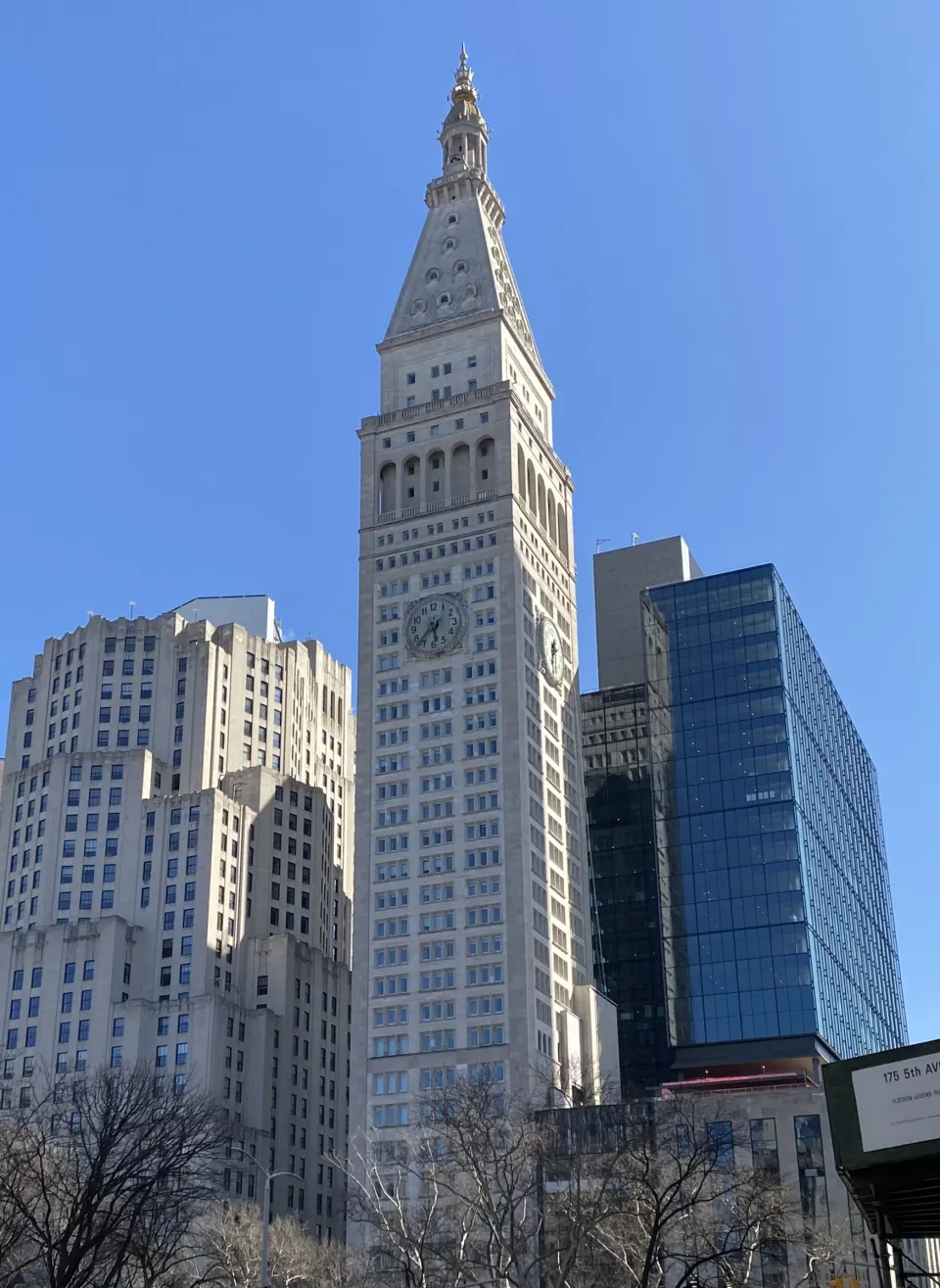
A hotel begins before reception. On the way to Metropolitan Life Insurance Company Tower, watch New York City change through stations, bridges, blocks and trees. The final approach explains whether the address belongs to a busy centre, a residential street or a quieter edge of the city.
Metropolitan Life Insurance Company Tower lies about 3.5 kilometres in a straight line from the city reference point used on this page. Use that figure only to understand geography; real journeys are shaped by roads, waterways, gradients, traffic and the hour of arrival.
Read the building and its surroundings
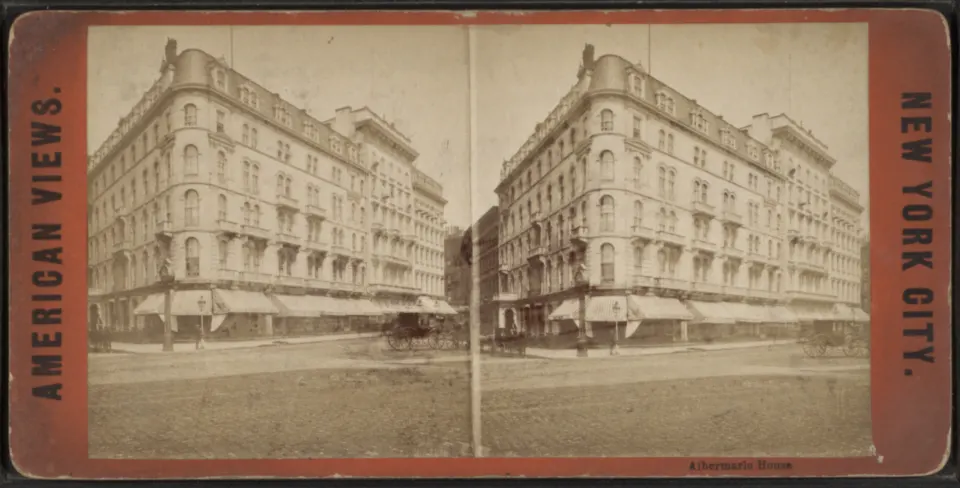
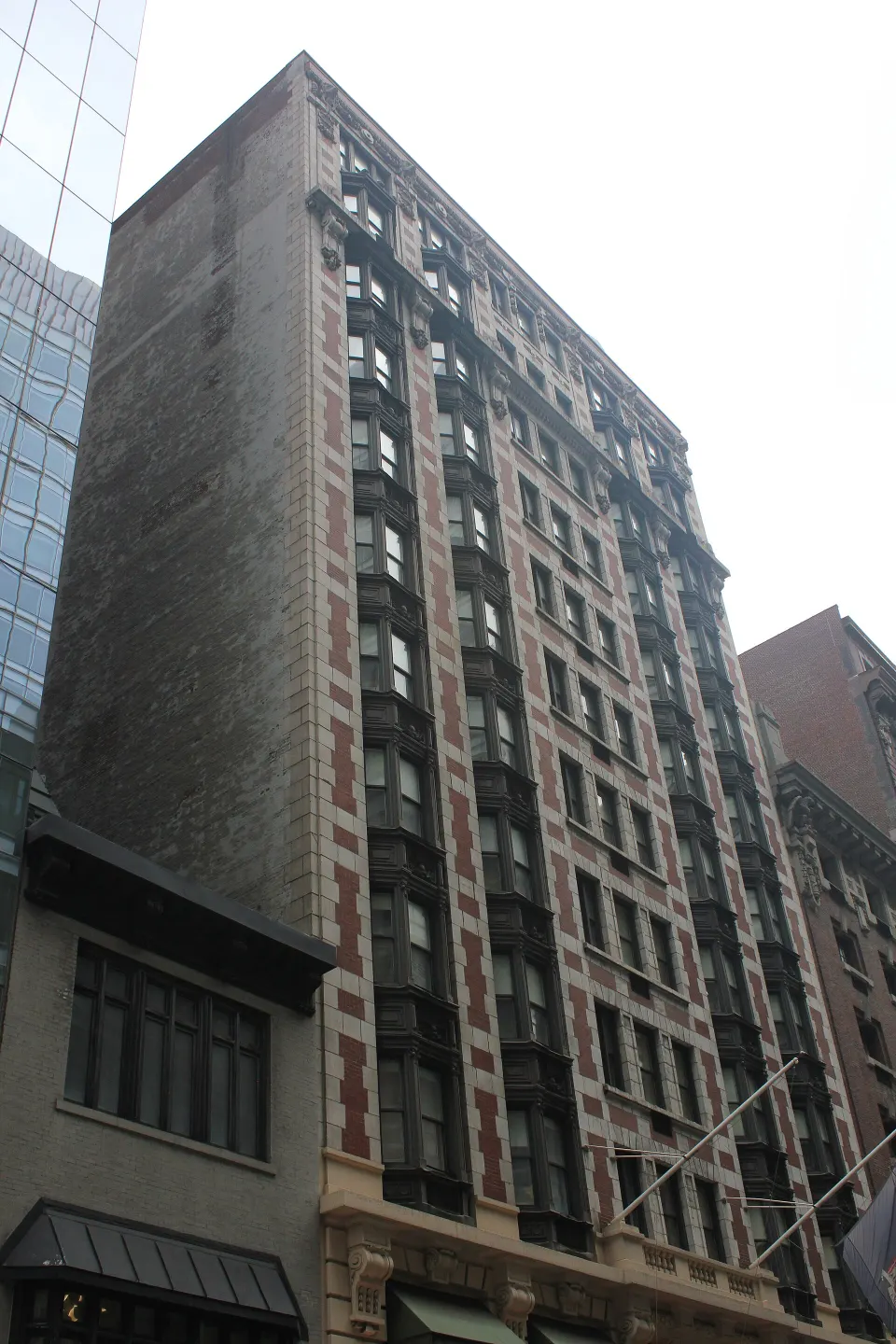
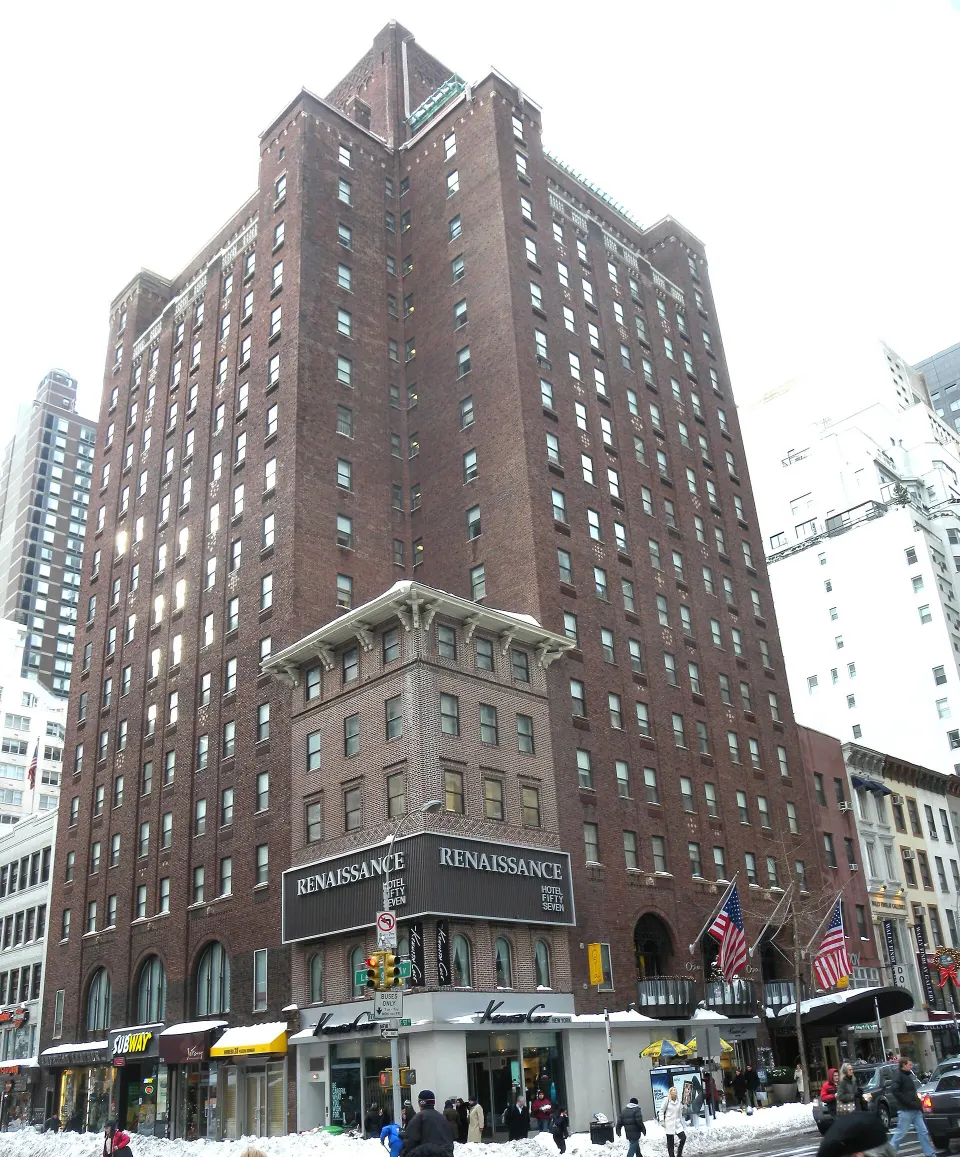
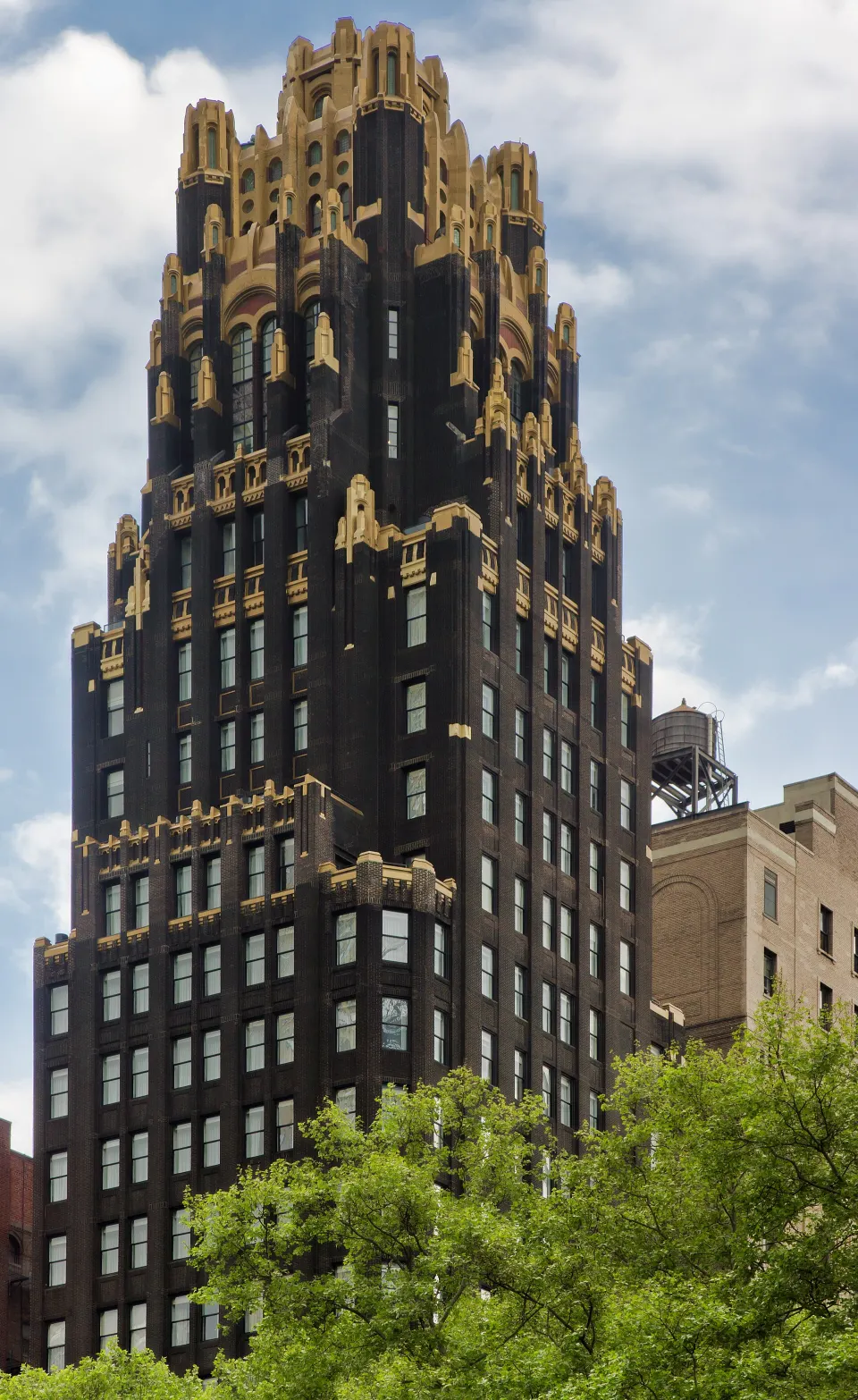
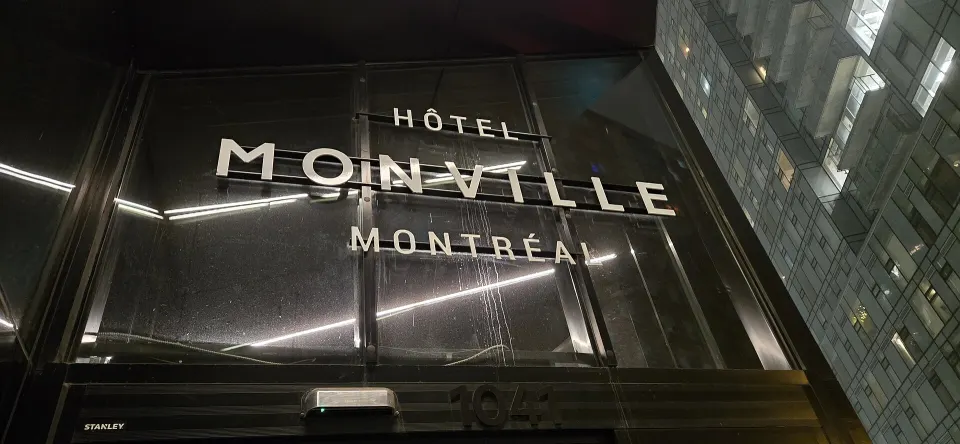
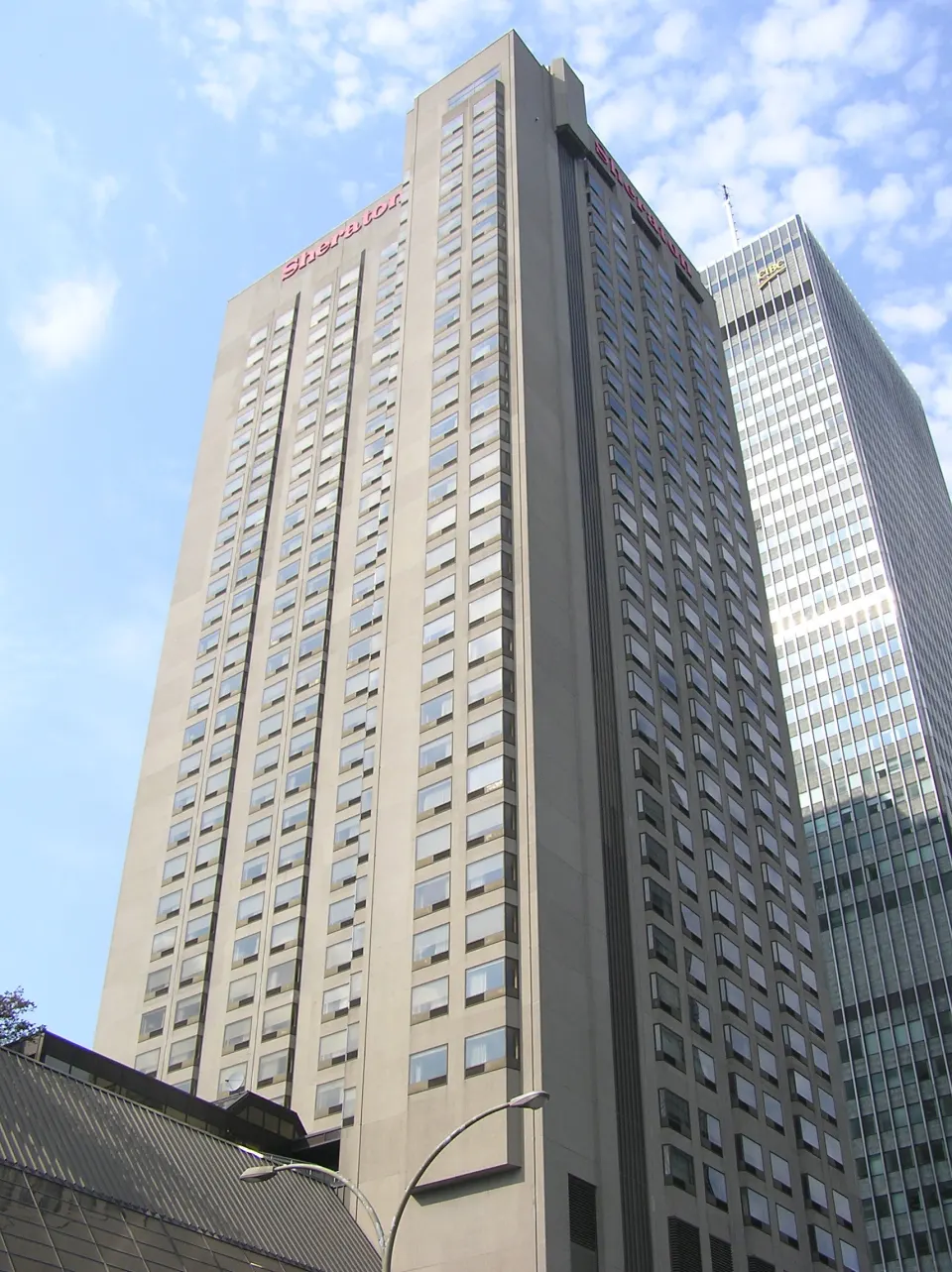
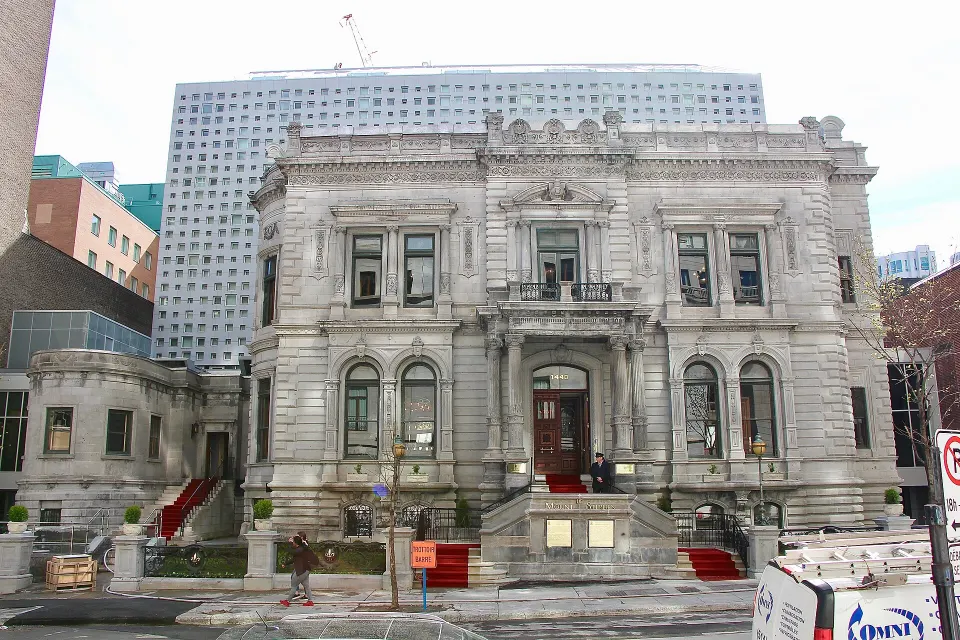
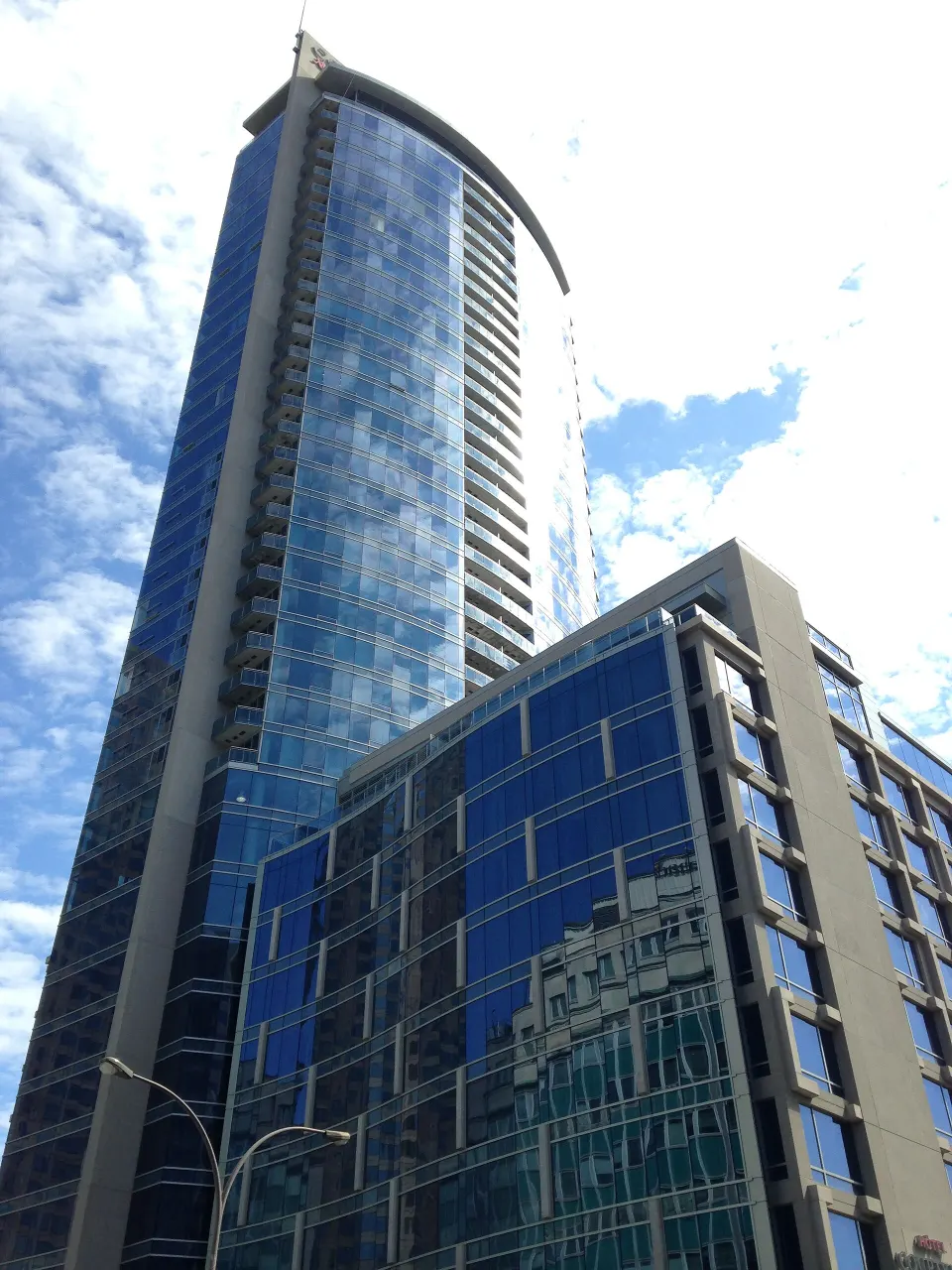
Pause at the entrance and notice scale, materials, windows and the relationship between the building and the street. Even without a famous architect, a hotel reveals what its period valued: ceremony or efficiency, privacy or display, enclosure or a view towards the city.
The lobby, corridor and room continue that story through light, sound and movement. Look beyond decoration to practical details: where people gather, how daylight enters and whether the public spaces invite a pause or move guests quickly onwards.
Let the stay change the pace
Do not turn the stay into another checklist. Leave time after check-in to settle, look from the window and walk one nearby block. The first small route often provides a clearer sense of the address than travelling immediately to a distant landmark.
Use Chelsea Market as one possible anchor for the wider day, then group other places by neighbourhood. The main-site guide above opens more of New York City; the game map helps compare the hotel, transport and the next stop without pretending that straight-line distance is travel time.
Carry the route back into the city
Morning and evening can reveal different cities. A street that feels purely functional at check-in may hold breakfast counters, local commuters or a quieter architectural rhythm the next day. Repeating a short walk is not wasted time; it is how an unfamiliar area becomes legible.
Before booking, verify that this is the exact property you intend to stay at. Confirm current operation, room type, view, accessibility, check-in, deposits, taxes and cancellation terms directly with the property or booking provider.
Before making a reservation
Public access, photography and facilities can change even when the building remains the same. Respect guest privacy and signed restrictions, and check transport conditions for late arrivals or early departures.
The most memorable hotel may not be the grandest one. It is often the place that gives the journey a useful pause and makes the next morning feel connected to New York City, rather than simply providing a room between two attractions.