quieter timing
Cre8Travel National Park Crowd Strategy
All 63 U.S. National Parks
Cre8Travel World Open this stop in the game Acadia Start at this park, stamp the stop, then follow nearby parks and cities. Cre8Travel
quieter timing
All 63 U.S. National Parks
Cre8Travel World Open this stop in the game Acadia Start at this park, stamp the stop, then follow nearby parks and cities.
This series is designed around typical peak-season crowd behavior, not promises about a specific day. Weather, road construction, permits, shuttles, timed-entry programs, wildfires, wildlife activity, ferry/boat capacity, and local events can completely change park flow.
👥 Crowd Pressure — how busy the park or its famous attractions can become.
⚠️ Crowd Penalty — how badly congestion can damage the actual experience.
🧘 Crowd Escape Score — how easily a traveler can find a calmer alternative once they understand the park.
🚗 Bottleneck Park — roads and parking create the pain.
📍 Hotspot Park — a few famous attractions collect most visitors.
🥾 Trailhead Park — marquee hikes create local congestion.
🌅 Timing Park — sunrise/sunset cause sharp crowd spikes.
🎟️ Capacity Park — tours, permits, or timed access control the flow.
🚤 / ⛴️ Capacity Park — boats, ferries, or flights are the bottleneck.
🌎 Dispersal Park — huge geography makes crowds easier to escape.
Important: Always verify current NPS access, permit, shuttle, ferry, road, weather, and safety information before a trip.
Maine
Crowd Personality: 🚗 Bottleneck Park + 🌅 Timing Park
🟢 Before 8 AM | 🟡 8–10 AM | 🔴 10 AM–3 PM | 🟡 3–6 PM | 🟢 Evening
Choose one icon before breakfast: Cadillac Mountain, Jordan Pond, or the Ocean Path corridor.
Cadillac Mountain, Jordan Pond, Sand Beach, and the central Park Loop Road stops.
Use carriage roads, picnic areas, or a longer walk instead of hopping between the busiest roadside stops.
Schoodic Peninsula for granite coast, spruce forest, and a much calmer rhythm.
Return to the coast in the evening after day-trippers start leaving.
Parking fills quickly at famous stops; use the Island Explorer when operating and practical.
Sunrise for mountain/coast icons; late afternoon for warmer granite and fewer foreground crowds.
Give kids one big morning stop, then shift to carriage roads, tide pools, or a picnic during peak pressure.
Do not spend every Acadia day inside the same Mount Desert Island traffic pattern. Schoodic is the pressure-release valve.
American Samoa
Crowd Personality: 🌎 Dispersal Park
🟢 Most of the day | 🟡 Around popular viewpoints/arrival windows
Use cooler morning hours for Mount Alava or other exposed hikes.
Crowds are rarely the main issue; heat, humidity, rain, and local logistics matter more.
Shift toward coastal viewpoints, cultural stops, shaded village areas, or snorkeling when conditions are suitable.
Vatia and less-traveled coastal areas are naturally quiet.
Late afternoon light over volcanic ridges and coast can be excellent.
Transportation logistics matter more than parking. Plan island-to-island and village access carefully.
Morning gives cleaner mountain air; late afternoon adds warm tropical light.
Favor short coastal stops and cultural experiences during hotter hours.
Here the anti-crowd strategy is simple: plan around weather and transport, not people.
Utah
Crowd Personality: 📍 Hotspot Park + 🌅 Timing Park
🟢 Sunrise–8 AM | 🟡 8–10 AM | 🔴 10 AM–4 PM | 🟡 4–6 PM | 🔴 Sunset hotspots
Start at Windows, Double Arch, or another famous formation before the main rush.
Delicate Arch trailhead, Windows Section, and major roadside formations.
Use scenic pullouts, lunch, visitor-center time, or a longer less-famous trail instead of circling full parking lots.
Devils Garden beyond the first famous formations, or longer established routes that naturally thin crowds.
Late afternoon works well away from Delicate Arch; save your sunset location deliberately.
The main issue is parking turnover at small lots. Do not build a route that requires repeated backtracking.
Sunrise and blue hour produce cleaner compositions; sunset at Delicate Arch is beautiful but socially dense.
Do short formations early, rest during the hottest/busiest hours, and return for a gentle evening stop.
Plan by light plus crowd timing, not by geographic order alone.
South Dakota
Crowd Personality: 🚗 Bottleneck Park + 🌎 Dispersal Park
🟢 Sunrise–9 AM | 🟡 9–11 AM | 🔴 11 AM–3 PM at major overlooks | 🟢 Late day
Photograph Pinnacles, Big Badlands, or Door/Window areas early when shadows reveal texture.
The most convenient Badlands Loop Road overlooks and trailhead parking.
Drive farther along the loop, explore prairie/wildlife zones, or picnic away from headline stops.
Sage Creek Rim Road for bison, prairie dogs, and open-country solitude.
Late afternoon restores dimensional light and spreads people along the loop.
Traffic is usually manageable, but wildlife jams can briefly stop the road.
Low-angle light is both prettier and quieter.
Use short boardwalks and overlooks early, then wildlife-watching from the vehicle midday.
Badlands is easy to escape: keep driving ten minutes beyond the busiest pullout.
Texas
Crowd Personality: 🌎 Dispersal Park
🟢 Dawn–9 AM | 🟡 9–11 AM | 🟡 Midday at popular trailheads | 🟢 Late afternoon
Use cool morning hours for Lost Mine, Santa Elena Canyon, or desert hikes.
Chisos Basin trailheads and Santa Elena during pleasant-weather weekends.
Shift to scenic drives, overlooks, visitor centers, or shaded river/canyon stops.
Mule Ears, Grapevine Hills, or remote roadside viewpoints on established routes.
The Window, desert overlooks, and Rio Grande scenes become excellent near sunset.
Distances are enormous; the real penalty is inefficient routing, not crowds.
Sunrise in the desert and sunset around Chisos Basin reduce both heat and people.
Pair one early active stop with a long scenic-drive recovery window.
In Big Bend, poor routing costs more time than crowds. Group each day by region.
Florida
Crowd Personality: 🚤 Capacity Park
🟢 Early boat departures | 🟡 Midday visitor-center area | 🟢 Most other times
Book the water experience first, then build the rest of the day around it.
Popular guided boat/snorkel departures rather than land-based congestion.
If you are not on the water, use the shoreline, visitor center, or a picnic rather than expecting a full park experience from land.
Paddling mangrove lagoons or less-busy guided water routes.
Late-day Biscayne Bay light can be lovely from shore or boat.
Boat capacity is the bottleneck. Reservations matter more than parking.
Midday can actually help underwater color; golden hour is better for lighthouse and bay scenes.
Choose a child-appropriate boat or snorkel trip and avoid overpacking the day.
The crowd strategy is really a reservation strategy: secure the water experience before everything else.
Colorado
Crowd Personality: 🌎 Dispersal Park
🟢 Morning | 🟡 Midday at main overlooks | 🟢 Late afternoon
Start with Painted Wall or Chasm View before the overlook circuit gets busier.
South Rim’s easiest pullouts around midday.
Walk a short rim trail rather than driving stop-to-stop.
Warner Point Nature Trail or less-famous South Rim overlooks.
Return to major viewpoints late when angled light deepens the canyon.
Parking is usually easier than at major western icons; short walks reduce overlap with car-only visitors.
Late afternoon often adds stronger contrast to the canyon walls.
Use several short overlooks rather than one long exposed hike.
A ten-minute walk away from the car often cuts the crowd dramatically.
Utah
Crowd Personality: 🌅 Timing Park + 📍 Hotspot Park
🔴 Sunrise viewpoints | 🟡 8–10 AM | 🔴 10 AM–2 PM rim core | 🟢 Late afternoon/evening
Watch sunrise, then descend below the rim immediately while many visitors remain at overlooks.
Sunrise/Sunset Points and the central amphitheater rim.
Hike below the rim or use farther scenic-drive overlooks.
Fairyland area, Mossy Cave area, or less central overlooks.
Late afternoon on the rim can be calmer than sunrise and often has beautiful side light.
Use park shuttles when operating; parking pressure concentrates near the amphitheater.
The best anti-crowd photo tactic is to photograph the rim, then go below it.
Do rim views first, then a short below-rim section before heat and fatigue build.
Most visitors photograph Bryce from above. Descending even a little changes both the crowd and the experience.
Utah
Crowd Personality: 🌎 Dispersal Park + 📍 Hotspot Park
🔴 Mesa Arch sunrise | 🟡 8–11 AM | 🟢 Midday away from hotspots | 🟢 Evening
If Mesa Arch is essential, arrive well before sunrise. Otherwise skip the crowd and start elsewhere.
Mesa Arch and Grand View Point parking areas.
Walk established rim trails or explore farther into Island in the Sky instead of chasing the same three pullouts.
The Needles district for hikers, or longer Island in the Sky walks.
Golden hour at Grand View Point or Green River Overlook spreads visitors more comfortably.
The park is huge; choose one district rather than trying to stitch distant sections together.
Mesa Arch is famous, but canyon scale often photographs better when you leave the crowd behind.
Choose short Island in the Sky trails and avoid spending the day driving between districts.
Canyonlands has an easy crowd cure: walk farther than the first overlook.
Utah
Crowd Personality: 🌎 Dispersal Park
🟢 Morning | 🟡 Midday in Fruita | 🟢 Afternoon/evening
Start with Fruita, orchards, or a short canyon trail in soft light.
Fruita historic core, popular pie/orchard areas, and the most accessible scenic-drive stops.
Grand Wash, Capitol Gorge when accessible, or picnic/shade time.
Cohab Canyon, longer established trails, or Cathedral Valley for properly prepared travelers.
Fruita becomes beautiful again in late light after casual day visitors thin.
Congestion is localized; a small change of trail or road usually solves it.
Morning/late afternoon emphasizes the contrast between green orchards and red cliffs.
Mix one short canyon walk with orchard/history time.
Capitol Reef rewards travelers who stay overnight. Day-tripper pressure drops quickly at the edges of the day.
New Mexico
Crowd Personality: 🎟️ Capacity Park
🟢 Early entry | 🟡 Late morning | 🔴 Midday popular entry windows | 🟢 Surface areas
Take an early cave entry or tour slot if available.
Elevators, main cave routes, and visitor-center services.
If cave access is crowded, explore surface desert areas or schedule lunch before/after your cave window.
Rattlesnake Springs or surface nature areas.
Late-day desert overlooks can be quiet and photogenic.
Timed entry/tour capacity is more important than parking. Verify current reservation rules.
Photograph cave spaces patiently and let groups move through before composing.
Choose one age-appropriate cave route rather than stacking multiple tours.
Treat cave admission like a flight departure: reserve the slot first, then plan the rest.
California
Crowd Personality: ⛴️ Capacity Park
🟡 Ferry arrival/departure windows | 🟢 Once groups disperse on island trails
Take the earliest practical boat if you want more island time and better trail dispersion.
Dock areas immediately after ferry arrival and shortly before departure.
Walk beyond the first island viewpoints; crowds thin quickly with distance.
Longer trails on Santa Cruz or less-visited islands with appropriate logistics.
Late afternoon can feel wonderfully empty before departure.
Ferry capacity and weather are the main constraints. Book transport first.
Move away from the landing area before shooting landscapes; the islands reward elevation.
Pick an island and trail length that fits the youngest traveler because return times are fixed.
The ferry creates the crowd. Ten to twenty minutes of walking usually dissolves it.
South Carolina
Crowd Personality: 🌎 Dispersal Park
🟢 Early morning | 🟡 Late morning boardwalk | 🟢 Afternoon on longer routes
Walk the Boardwalk Loop early for quiet reflections and cooler conditions.
Visitor center and first boardwalk sections.
Continue onto longer forest trails or paddle Cedar Creek.
Cedar Creek Canoe Trail and less-traveled backcountry routes.
Late afternoon brings softer light and fewer casual visitors.
Parking pressure is modest; weather, flooding, insects, and trail conditions matter more.
Overcast and wet conditions can improve forest photography and reduce crowds.
Use the boardwalk early, then switch to a picnic or short second walk.
In Congaree, distance is an excellent crowd filter. Most visitors stay near the boardwalk core.
Oregon
Crowd Personality: 🚗 Bottleneck Park + 📍 Hotspot Park
🟢 Before 9 AM | 🟡 9–11 AM | 🔴 11 AM–3 PM | 🟢 Late afternoon
Get the first rim reveal before tour buses and day traffic build.
Rim Village and the most famous Wizard Island viewpoints.
Drive farther around the rim or use short trails away from Rim Village.
Pinnacles area or lesser-used rim stops.
Late afternoon restores parking flexibility and better light.
Rim Drive is the distribution system; avoid repeatedly returning to Rim Village.
Morning gives calmer water; late afternoon gives warmer rim light.
Use several short stops rather than keeping children in the car for the entire rim circuit.
The lake is the same lake from many angles. If one viewpoint is packed, keep moving.
Ohio
Crowd Personality: 📍 Hotspot Park
🟢 Early | 🔴 Late morning at Brandywine | 🟡 Afternoon | 🟢 Evening
Visit Brandywine Falls first.
Brandywine Falls and popular trailhead lots.
Shift to Towpath Trail, The Ledges, farm/history stops, or the scenic railroad when it fits your plans.
The Ledges outside peak hours or longer Towpath segments.
Evening at quieter valley stops is relaxed.
The park is fragmented, so move between zones instead of waiting at a full lot.
Waterfalls benefit from softer morning/overcast light anyway.
Give the family one waterfall, one easy trail, and one non-hiking activity.
Cuyahoga’s superpower is variety. If one lot is full, pivot rather than wait.
California & Nevada
Crowd Personality: 🌎 Dispersal Park + 🌅 Timing Park
🟢 Sunrise | 🟡 Morning hotspots | 🟢 Midday crowd-wise but heat-limited | 🟢 Sunset
Zabriskie Point, Mesquite Flat Dunes, or Badwater early depending season and temperature.
Zabriskie sunrise, Badwater, and Artists Palette during comfortable-weather weekends.
Crowds may be lighter, but heat can make outdoor activity unsafe. Use scenic drives and climate-aware planning.
Mosaic Canyon, Salt Creek when appropriate, or remote established viewpoints.
Sunset spreads photographers across many excellent locations.
Distances are vast; carry fuel, water, and build routes regionally.
Crowd strategy follows temperature strategy. Dawn and dusk are both safer and more beautiful.
Avoid long exposed walks in heat; use roadside geology and short early stops.
Death Valley’s best crowd-avoidance tool is its size, but never trade crowd avoidance for heat safety.
Alaska
Crowd Personality: 🚌 Capacity Park + 🌎 Dispersal Park
🟡 Transit departure windows | 🟢 Once dispersed in backcountry/access areas
Take an early transit or begin Savage River hiking early.
Transit queues, visitor-center areas, and easily reached roadside zones.
Stay on your planned transit/hike rather than returning to the entrance core.
Savage River trails or properly planned backcountry areas.
Late light can be excellent for wildlife and tundra near accessible road sections.
Bus/transit access shapes crowd patterns more than parking. Verify current road-access operations.
Keep a telephoto ready on transit; wildlife moments are unpredictable.
Choose a realistic transit duration for children rather than the longest possible day.
In Denali, the schedule is the crowd strategy. Secure the right transport window first.
Florida
Crowd Personality: ⛴️ Capacity Park
🔴 Ferry arrival window | 🟡 Midday as visitors spread | 🟢 Before/after main day-trip concentration if staying overnight
If arriving by ferry, leave the main fort courtyard first and explore the moat/beach before everyone follows the same loop.
Fort Jefferson entrances, snorkel staging areas, and ferry-linked meal/departure times.
Snorkel, walk the moat, or explore quieter corners once groups disperse.
Bush Key when seasonally open, or quieter shoreline segments.
Overnight campers get the ultimate second-chance window after day boats leave.
Ferry/seaplane capacity is the bottleneck. Reserve transport before lodging and other Florida Keys plans.
Photograph Fort Jefferson before/after the biggest guided-group wave.
Keep the island plan simple: fort + beach/snorkel + shade.
The road really does end. Your crowd strategy begins with how and when you arrive by water or air.
Florida
Crowd Personality: 📍 Hotspot Park + 🌎 Dispersal Park
🟢 Dawn–9 AM | 🟡 9–11 AM | 🔴 Midday at Anhinga/Shark Valley | 🟢 Late afternoon
Start with wildlife at Anhinga Trail or Shark Valley.
Anhinga Trail, Shark Valley visitor area, and popular seasonal wildlife pullouts.
Shift to Flamingo, mangrove/coastal ecology, ranger programs, or a scenic transfer.
Mahogany Hammock, Pa-hay-okee, or less concentrated stops along the main road.
Late afternoon brings renewed bird and wildlife activity.
The park has separate entrances that do not connect internally. Route by entrance, not by attraction wish list.
Wildlife is more active and light is gentler at the edges of the day.
Make wildlife spotting the game; avoid turning the day into a long march.
Everglades rewards observation. Slow down where others rush past.
Alaska
Crowd Personality: 🌎 Extreme Dispersal Park
🟢 All day
Use mornings for flight access and weather-dependent movements when possible.
Crowding is generally not a practical concern.
Focus on weather, river levels, route-finding, wildlife awareness, and expedition logistics.
Almost the entire park.
Long summer light can extend photography late into the day.
Bush-plane/weather capacity is the constraint, not parking.
Weather windows matter far more than people.
This is not a casual family day-trip park; match the expedition to actual backcountry experience.
For Gates of the Arctic, replace 'crowd strategy' with 'weather and self-reliance strategy.'
Missouri
Crowd Personality: 🎟️ Capacity Park + 📍 Hotspot Park
🟢 Early | 🔴 Late morning–afternoon | 🟢 Evening grounds
Book the earliest practical tram/Arch experience, then explore the grounds afterward.
Security, museum, tram access, and the immediate Arch plaza.
Visit the Old Courthouse, riverfront, or downtown attractions if Arch queues are heavy.
Old Courthouse exhibits and less central lawn/riverfront viewpoints.
Blue hour and evening on the grounds can be beautiful after interior attractions close or thin.
Timed tram tickets are the main planning variable. Use downtown transit/walking to avoid parking friction.
Early morning and blue hour give cleaner plaza compositions.
Do the timed tram first before patience evaporates.
Treat the tram ticket as the anchor appointment and let everything else orbit it.
Alaska
Crowd Personality: 🚤 Capacity Park
🟡 Boat departure windows | 🟢 Bartlett Cove trails/shoreline
Book the primary boat excursion first.
Dock/boat boarding and visitor-center windows.
If land-based, walk Bartlett Cove trails or shoreline.
Bartlett River/shoreline trails and lodge-adjacent nature areas.
Evening around Bartlett Cove can be very quiet.
Boat/cruise capacity determines access to the park’s marquee scenery.
On boats, move away from rail clusters when safe and permitted; keep wildlife/glacier lenses ready.
Choose one main boat day and one flexible shore day.
Glacier Bay’s crowd strategy is seat inventory, not trail timing.
Montana
Crowd Personality: 🚗 Bottleneck Park + 🥾 Trailhead Park
🟢 Dawn–8 AM | 🟡 8–10 AM | 🔴 10 AM–4 PM | 🟢 Evening
Reach Logan Pass or your key trailhead very early.
Logan Pass, Avalanche, popular lake trailheads, and major Going-to-the-Sun Road stops.
Commit to a hike, lake, picnic, or less-famous district rather than constantly hunting parking.
Two Medicine or longer trails away from road-core attractions.
Evening lake and wildlife stops become far easier.
Use park shuttles when available and verify current vehicle/reservation rules before travel.
Sunrise at lakes and late-day wildlife reduce both crowd and light problems.
Avoid stacking too many Going-to-the-Sun stops. Pick a few and stay awhile.
Do not use Going-to-the-Sun Road like a checklist. Fewer stops create a much better day.
Arizona
Crowd Personality: 📍 Hotspot Park + 🌎 Dispersal Park
🟢 Sunrise–8 AM | 🟡 8–10 AM | 🔴 10 AM–3 PM at village overlooks | 🟢 Late day
See the canyon before breakfast from a major overlook or a quiet Rim Trail segment.
Mather Point, Grand Canyon Village transit nodes, and easiest overlooks.
Walk the Rim Trail, visit museums/visitor facilities, or move away from the village core.
Shoshone Point, quieter Rim Trail segments, or farther Desert View Road stops.
Sunset spreads people across many viewpoints, and post-sunset becomes peaceful fast.
Use the shuttle system when operating instead of moving your car for every overlook.
Walk 10–20 minutes away from a shuttle stop for cleaner foregrounds.
Use the Rim Trail as a flexible hop-on/hop-off style experience rather than one giant hike.
Fifteen minutes of walking away from a parking lot can completely change the Grand Canyon experience.
Wyoming
Crowd Personality: 🌅 Timing Park + 📍 Hotspot Park
🟢 Sunrise–8 AM | 🟡 8–10 AM | 🔴 10 AM–2 PM at Jenny Lake | 🟢 Late afternoon
Photograph Schwabacher Landing, Mormon Row, or Oxbow Bend at sunrise.
Jenny Lake, Taggart/Bradley trailheads, and famous photo pullouts.
Scenic driving, picnic, visitor center, or a committed hike instead of pullout hopping.
Less-famous valley roads, Taggart at off-hours, or northern park areas.
Oxbow Bend and wildlife corridors return to form late in the day.
Jenny Lake boat and parking patterns can create local bottlenecks.
Use the mountains as your clock: sunrise reflections, daytime hiking, evening wildlife.
Avoid doing a lake boat, long hike, and wildlife drive all at peak time.
Sunrise photography → hiking → midday scenic exploration → evening wildlife is a near-perfect crowd rhythm.
Nevada
Crowd Personality: 🎟️ Capacity Park + 🌎 Dispersal Park
🟡 Cave tour windows | 🟢 High-country trails most of day
Start high-elevation hikes early, especially Wheeler Peak or alpine lakes.
Lehman Caves tour/check-in periods and limited parking at popular high-country trailheads.
Use bristlecone/alpine trails or scenic-drive stops away from the cave core.
Alpine Lakes Loop, Bristlecone Pine areas outside peak windows, and less-used overlooks.
Evening is ideal for dark-sky preparation and cooler high-country views.
Cave reservations and limited mountain parking are the practical constraints.
Stay after sunset; crowd pressure collapses and the dark-sky experience begins.
Pair one cave tour with one short high-country walk.
Great Basin is two parks in one. If the cave zone is busy, go uphill.
Colorado
Crowd Personality: 🌅 Timing Park
🟢 Sunrise–9 AM | 🟡 9–11 AM | 🔴 Midday in peak season | 🟢 Late afternoon
Enter the dune field early for cool sand, long shadows, and cleaner ridgelines.
Main dune access and Medano Creek during seasonal flow.
Picnic, visitor center, shaded forest trail, or rest during hot/windy conditions.
Mosca Pass Trail or walking deeper into the dune field with proper preparation.
Golden hour is excellent as casual day visitors begin leaving.
Parking is concentrated at the main dune access, so early arrival matters.
Dawn/dusk shadows make dunes more dimensional and hide footprints.
Sand sled early, then cool off/rest instead of forcing midday dune climbs.
At Great Sand Dunes, crowd avoidance and temperature avoidance are the same strategy.
Tennessee & North Carolina
Crowd Personality: 🚗 Bottleneck Park + 📍 Hotspot Park
🟢 Dawn–8 AM | 🟡 8–10 AM | 🔴 10 AM–4 PM | 🟢 Evening
Cades Cove, Clingmans Dome/Kuwohi area, or popular waterfall trailheads early.
Cades Cove, Newfound Gap corridor, major waterfalls, and popular roadside pullouts.
Longer forest trails, historic districts, picnics, or less-famous roads.
Cataloochee Valley, Deep Creek, or longer trails beyond the first mile.
Evening wildlife viewing is often excellent.
Traffic is the main crowd penalty. Avoid moving between too many marquee zones in one day.
Foggy mornings are both photogenic and quieter.
Use one popular morning attraction, then move to stream play/history/picnic time.
If the first mile feels crowded, mile two often solves the problem.
Texas
Crowd Personality: 🥾 Trailhead Park
🟢 Early morning | 🟡 Midday at Guadalupe Peak trailhead | 🟢 Most other areas
Start Guadalupe Peak or McKittrick Canyon early.
Pine Springs trailhead and McKittrick Canyon during fall foliage.
Use shorter trails, visitor-center/history stops, or rest depending heat/wind.
Devil’s Hall, Frijole Ranch area, or less-famous established routes.
Late-day desert light around El Capitan is excellent.
Trailhead parking is the limiting factor more than total visitation.
Morning canyon light and late-day El Capitan views work well.
Choose McKittrick or shorter nature trails instead of forcing a summit day.
Crowds here are mostly a trailhead problem. Start early and they largely disappear.
Hawaii
Crowd Personality: 🌅 Timing Park + 🎟️ Capacity Park
🔴 Sunrise summit | 🟡 Morning summit | 🟢 Midday trails | 🟡 Kīpahulu peak stops
If sunrise is your goal, secure required access well ahead and arrive prepared for cold.
Summit sunrise viewpoints and popular Kīpahulu waterfall/coastal stops.
Hike into the crater or explore less-concentrated high-elevation viewpoints.
Longer crater trails or quieter Kīpahulu routes.
Sunset at the summit can be spectacular and often feels less ceremonial than sunrise.
Reservation/access rules and long cross-island driving are bigger issues than parking alone.
Sunset is the underrated crowd strategy if sunrise reservations are difficult.
Do not combine summit sunrise and an overpacked Road-to-Hāna-style day without rest.
Haleakalā has two different crowd systems: summit timing and Kīpahulu road-trip timing. Treat them separately.
Hawaii
Crowd Personality: 📍 Hotspot Park + 🌎 Dispersal Park
🟢 Early | 🔴 Late morning at caldera overlooks | 🟡 Afternoon | 🟢 Evening
Visit caldera overlooks and Nāhuku early.
Kīlauea overlooks, Nāhuku parking, and any area associated with visible current volcanic activity.
Drive Chain of Craters Road or hike established lava landscapes.
Mauna Ulu, Devastation-area trails, and farther Chain of Craters stops.
Evening can be excellent, especially when volcanic glow or dramatic skies are possible under current safe conditions.
Conditions and closures can change quickly. Check NPS updates before driving deep into the park.
If volcanic activity is present, crowd patterns may become event-driven rather than time-driven.
Keep a flexible plan so a closure does not wreck the day.
Volcanoes rewrites its own itinerary. Build flexibility into the crowd strategy.
Arkansas
Crowd Personality: 📍 Hotspot Park
🟢 Early Bathhouse Row | 🔴 Late morning–afternoon downtown core | 🟢 Trails
Walk Bathhouse Row before downtown foot traffic builds.
Fordyce/Bathhouse Row core and parking near Central Avenue.
Hike West Mountain, Hot Springs Mountain, or Goat Rock trails.
Goat Rock and forest trails above town.
Return to Bathhouse Row at blue hour for architecture and atmosphere.
Downtown parking creates more friction than the trails do.
Early morning or evening keeps cars and pedestrians out of architecture compositions.
Mix museum/bathhouse history with a short trail rather than spending all day downtown.
Use the hills as your escape hatch. Ten minutes uphill changes the park completely.
Indiana
Crowd Personality: 📍 Hotspot Park + 🚗 Bottleneck Park
🟢 Before 9 AM | 🔴 10 AM–3 PM summer beaches | 🟢 Late afternoon
Arrive at West Beach or your preferred beach early.
Popular Lake Michigan beaches on warm weekends.
Shift to wetlands, forest trails, visitor center, or historic sites.
Cowles Bog, Great Marsh, or inland trails.
Late afternoon/sunset returns the beach to a calmer state.
Beach parking is the main bottleneck; choose a backup beach/trail before arriving.
Sunset is beautiful, but arrive before golden hour so you are not hunting parking during the show.
Beach early, indoor/picnic midday, sunset if energy remains.
Indiana Dunes has more habitats than beach. Use them when everyone else is at the water.
Michigan
Crowd Personality: ⛴️ Capacity Park + 🌎 Dispersal Park
🟡 Ferry arrival/departure | 🟢 Trails/backcountry
Use ferry/boat schedules as your anchor, then hike beyond the developed harbor immediately.
Rock Harbor/Windigo arrival zones after transport lands.
Stay on trail or paddle rather than returning to harbor services.
Almost any backcountry route beyond the first developed mile.
Evenings at campsites and shorelines are exceptionally quiet.
Ferry, seaplane, and weather logistics dominate planning.
Carry less gear than you think; every pound matters on island trails.
Choose short harbor-based routes unless the group is experienced with backcountry travel.
Crowds vanish with distance here. The hard part is getting to the island, not escaping people.
California
Crowd Personality: 📍 Hotspot Park + 🌅 Timing Park
🟢 Sunrise–9 AM | 🟡 9–11 AM | 🔴 11 AM–3 PM weekends | 🔴 Sunset Keys View | 🟢 After dark
Hidden Valley, Barker Dam, or Cholla Cactus Garden at sunrise.
Hidden Valley, Keys View, Barker Dam, and main camp/road pullouts.
Use scenic driving, picnic, visitor-center stops, or less-famous rock formations depending temperature.
Split Rock Loop, Pine City, or longer established routes.
Blue hour and stargazing spread visitors across the park.
Parking lots are small and road shoulders can clog near famous areas.
Sunrise at Cholla and blue hour among Joshua trees are both crowd-efficient.
Do climbing/boulder exploration early; rest midday; return for sunset/stars.
Joshua Tree’s best crowd window may begin when the sun goes down.
Alaska
Crowd Personality: 🎟️ Wildlife Capacity Park
🟡 Bear-viewing platform windows | 🟢 Away from Brooks core
Be ready for assigned/managed wildlife-viewing procedures as soon as you arrive.
Brooks Falls platforms during strong salmon/bear activity.
Walk other managed Brooks River areas, visit cultural sites, or take a Valley of Ten Thousand Smokes excursion.
Valley of Ten Thousand Smokes and non-platform landscapes.
Wildlife timing depends on bears, salmon, and management, not human convenience.
Flight and lodging capacity are the real bottlenecks.
Do not chase a single bear pose; behavior changes continuously and often rewards patience.
Follow ranger safety instructions exactly and keep expectations flexible.
At Katmai, the bears set the schedule. Accept that and the crowd stress drops.
Alaska
Crowd Personality: 🚤 Capacity Park + 🥾 Trailhead Park
🟡 Boat departure times | 🔴 Midday Exit Glacier core | 🟢 Longer trails
Take an early boat tour or begin Harding Icefield Trail early.
Exit Glacier nature routes and boat check-in areas.
Stay committed to your boat/hike; avoid trying to squeeze both major experiences into a rushed overlap.
Harding Icefield Trail beyond the lower viewpoints, or quieter Seward-area shoreline after tours depart.
Evening around Exit Glacier can be calmer.
Boat capacity and trailhead parking define pressure.
Use fast shutters on boats; on land, go higher for more space and scale.
Choose either a major boat day or a major hiking day, not both.
Kenai Fjords works best when you pick one big experience per day.
California
Crowd Personality: 📍 Hotspot Park + 🌎 Dispersal Park
🟢 Early Grant Grove | 🟡 Midday grove | 🟢 Deeper canyon
Visit General Grant and Grant Grove early.
Grant Grove parking and short giant-tree loops.
Drive into Cedar Grove and the canyon when seasonally accessible.
Zumwalt Meadow area, Cedar Grove trails, and deeper scenic byway stops.
Late-day canyon light is excellent and visitor density drops.
The long road into Kings Canyon is your crowd filter.
Giant trees photograph well in soft morning light; canyon walls come alive late.
Do the giant trees first, then make the road into the canyon the scenic adventure.
Most visitors stop at the trees. Keep going.
Alaska
Crowd Personality: 🌎 Extreme Dispersal Park
🟢 All day
Use favorable aviation/weather windows for access to the dunes or river.
No meaningful crowd hotspot under normal conditions.
Manage wind, exposure, navigation, and wildlife rather than people.
Essentially the whole park.
Long summer light can be excellent for dune photography.
Bush-plane logistics are the constraint.
Use low-angle light to reveal dune form; crowds are irrelevant.
This is a remote expedition, not a casual sightseeing park.
Crowd strategy is unnecessary. Expedition strategy is everything.
Alaska
Crowd Personality: 🚤 Wildlife Capacity Park + 🌎 Dispersal Park
🟡 Bear-viewing arrival windows | 🟢 Elsewhere
Use early flight windows and follow guide/ranger bear-viewing protocols.
Popular coastal bear-viewing areas when multiple aircraft arrive.
Remain with your managed viewing plan or shift to lodge/lake activities.
Twin Lakes and non-coastal wilderness areas.
Evening at remote lodges/lakes can be extremely quiet.
Bush planes and weather determine capacity.
Photograph bears in habitat rather than competing for the tightest portrait.
Choose established guided bear viewing if traveling with children.
Flight schedule, not clock time, creates the crowd.
California
Crowd Personality: 📍 Hotspot Park
🟢 Early | 🔴 Late morning Bumpass Hell | 🟢 Lakes/evening
Start Bumpass Hell or Lassen Peak early.
Bumpass Hell trailhead and popular roadside lakes.
Use Manzanita Lake, scenic-drive stops, or shorter volcanic features.
Kings Creek, Devastated Area trails, or Manzanita Lake away from the busiest shoreline.
Manzanita Lake in the evening is calm and photogenic.
Crowding is localized and usually solvable by changing trailheads.
Morning geothermal steam and evening lake reflections are ideal.
Do geothermal features early, lake/picnic later.
When Bumpass feels busy, go find water. Lassen’s lakes are the perfect decompression zone.
Kentucky
Crowd Personality: 🎟️ Capacity Park
🔴 Popular cave-tour windows | 🟢 Surface trails
Reserve and take an early cave tour.
Visitor center, elevators/entrances, and headline tours.
Walk surface trails or visit Green River areas between tours.
Green River Bluffs, Sloan’s Crossing, or farther surface routes.
Late afternoon forest and river areas are relaxed.
Tour inventory is the bottleneck. Book the exact tour first.
Cave photography is limited by tour flow; surface photography is much calmer.
Pick one cave tour suited to the youngest child and do not overschedule.
If you do not have the cave reservation, you do not have the itinerary.
Colorado
Crowd Personality: 🎟️ Capacity Park + 📍 Hotspot Park
🟢 Early overlooks | 🔴 Tour windows | 🟢 Mesa-top drives
Begin with major overlooks or Mesa Top Loop before tour groups peak.
Cliff Palace/Long House tour staging and visitor facilities.
Use Mesa Top Loop, museums, and established overlooks between reserved experiences.
Petroglyph Point Trail or less-famous mesa-top sites.
Late afternoon light on cliff dwellings is excellent from overlooks.
Guided-tour reservations and long internal drives shape the day.
Do the classic overlook before/after large tour groups.
Build the whole day around one reserved cliff-dwelling experience.
Mesa Verde crowd strategy is a timetable: reserve one centerpiece and let the road loop fill the gaps.
Washington
Crowd Personality: 🚗 Bottleneck Park + 🥾 Trailhead Park
🟢 Dawn–8 AM | 🟡 8–10 AM | 🔴 10 AM–4 PM | 🟢 Evening
Arrive at Paradise or Sunrise very early.
Paradise, Sunrise, Grove of the Patriarchs-type popular areas when open, and major waterfall viewpoints.
Commit to a longer trail or shift to less-famous districts instead of circling for parking.
Carbon River, Ohanapecosh, or longer hikes away from the main visitor centers.
Evening meadow/wildlife views can be magical as cars leave.
Entrance queues and parking are the major crowd penalty. Verify current timed-entry or access rules before travel.
If the mountain is visible, use the earliest clear morning; clouds often build later.
One big morning area plus a quiet afternoon district is better than chasing Paradise and Sunrise in one rush.
Rainier punishes late arrivals more than almost any park. Early arrival is not a preference, it is infrastructure.
West Virginia
Crowd Personality: 📍 Hotspot Park
🟢 Morning | 🔴 Midday bridge overlooks | 🟢 Longer trails
Visit Long Point or Canyon Rim viewpoints early.
Canyon Rim Visitor Center, bridge viewpoints, and popular trailheads.
Use Endless Wall Trail, Grandview, or less-famous river access areas.
Grandview trails, Kaymoor areas, or longer established routes.
Late afternoon gives better gorge light and fewer visitors.
The park is geographically spread out; move to another district rather than waiting at one lot.
Long Point and Grandview are better with angled light anyway.
Use the visitor center/bridge early, then a short trail and picnic.
New River Gorge is a collection of districts, not one parking lot. Use that to your advantage.
Washington
Crowd Personality: 🥾 Trailhead Park + 🌎 Dispersal Park
🟢 Dawn | 🔴 Midmorning at major trailheads | 🟢 Scenic-drive stops
Start Cascade Pass or other marquee hikes early.
Cascade Pass access, popular North Cascades Highway overlooks, and Diablo Lake stops.
Use scenic highway viewpoints, short lakeside walks, or remain on your hike.
Longer backcountry routes or less-famous highway trailheads.
Late afternoon at Diablo Lake or Washington Pass can be very rewarding.
Trailhead road/parking capacity can be a bigger constraint than overall visitor numbers.
Midday can enhance Diablo Lake’s turquoise color even when sunrise is better for alpine trails.
Choose a short scenic hike and lake overlook rather than a major pass.
North Cascades is not uniformly crowded. One famous trailhead can be full while the next valley feels empty.
Washington
Crowd Personality: 🚗 Bottleneck Park + 🌎 Dispersal Park
🟢 Early per region | 🔴 10 AM–3 PM Hoh/Hurricane/Ruby | 🟢 Evening coast
Pick one region and arrive early: Hoh, Hurricane Ridge, or a popular beach.
Hoh entrance/parking, Hurricane Ridge, and headline coastal stops.
Stay within the region and use longer trails, picnic areas, or less-famous beaches.
Quinault Rain Forest, secondary beaches, or deeper trails.
Pacific beaches at sunset are the natural second-chance window.
Driving between regions can consume hours. The worst crowd strategy is trying to see three corners in one day.
Overcast rainforest days are perfect; save clear evenings for the coast.
One ecosystem per half-day is plenty.
Olympic’s cure for crowds is geography: stop commuting and commit to one region.
Arizona
Crowd Personality: 🌎 Dispersal Park
🟢 Morning | 🟡 Midday at Blue Mesa/Crystal Forest | 🟢 Late day
Start at Blue Mesa or your top petrified-wood trail.
Blue Mesa, Crystal Forest, and Painted Desert visitor stops.
Continue along the park road; attractions are naturally distributed.
Long Logs/Agate House or longer backcountry-permitted routes where applicable.
Late afternoon enhances Painted Desert color.
The linear road makes crowd dispersal easy. Avoid doubling back.
Side light reveals subtle color bands better than flat noon.
Use several short walks instead of one long desert hike.
Keep moving forward. The one-way road logic naturally defeats crowd buildup.
California
Crowd Personality: 🚗 Bottleneck Park + 🥾 Trailhead Park
🟢 Early | 🔴 9 AM–2 PM weekends | 🟢 Later afternoon
Arrive at the chosen east or west entrance early and stay on that side.
Bear Gulch, High Peaks access, and limited parking on busy weekends.
Stay on trail rather than moving the car between limited lots.
Balconies side or longer loops once beyond the first cave/trail sections.
Late afternoon can be calmer, especially outside very hot periods.
The east and west entrances do not connect by road inside the park. Pick the correct side before driving.
Condor viewing improves with patience rather than fighting for one viewpoint.
Use caves/reservoir routes early and avoid hot exposed climbs midday.
Wrong entrance choice creates more pain than crowds. Decide your trail first, then choose the gate.
California
Crowd Personality: 📍 Hotspot Park + 🌎 Dispersal Park
🟢 Foggy morning | 🟡 Midday famous groves | 🟢 Coast/evening
Visit a major grove early while fog and soft light are possible.
Prairie Creek core, Fern Canyon, and famous grove parking.
Drive the coast, visit elk meadows, or use a longer forest trail.
Coastal Trail, lesser-used groves, or longer loops away from famous parking.
Late afternoon on the coast adds variety and space.
Some access roads/trails may require seasonal reservations or have capacity limits. Verify current rules.
Fog is your friend. Gray mornings produce both better forest light and fewer crowds.
Forest early, beach/coast later is a good rhythm.
Redwoods are everywhere. If one grove feels crowded, there is almost always another forest corridor nearby.
Colorado
Crowd Personality: 🥾 Trailhead Park + 🚗 Bottleneck Park
🟢 Dawn–7:30 AM | 🟡 7:30–9 AM | 🔴 9 AM–3 PM | 🟢 Evening
Bear Lake corridor or your main alpine-lake hike before breakfast.
Bear Lake, Glacier Gorge, and popular Trail Ridge Road pullouts.
Move upward to tundra viewpoints or commit to a trail rather than hunting lake parking.
Lily Lake, Wild Basin, or less-central trails.
Moraine Park wildlife viewing becomes excellent late.
Timed-entry systems and shuttles may apply seasonally; verify current rules before travel.
Think vertically: lakes in morning, tundra midday, valley wildlife evening.
Use a short Bear Lake stop early, then Trail Ridge Road and a quieter lake later.
Morning = lakes. Midday = tundra. Evening = valley. Do not fight the same elevation all day.
Arizona
Crowd Personality: 🌅 Timing Park + 🌎 Dispersal Park
🟢 Sunrise–9 AM | 🟡 9–11 AM | 🟢 Midday crowd-wise but hot | 🟢 Sunset
Walk or drive through the cactus forest early.
Popular scenic-loop pullouts and sunset viewpoints.
Use visitor centers, shaded picnic areas, or avoid exposed hikes during heat.
Longer trails in either district, especially away from scenic-loop cores.
Sunset is a major draw but visitors spread widely across desert viewpoints.
Two separate districts require regional planning.
Golden hour transforms cactus silhouettes; midday is generally inferior anyway.
Short morning nature walk, indoor/rest midday, sunset loop.
Saguaro’s crowd strategy is really heat strategy. Go when the desert looks best and feels safest.
California
Crowd Personality: 📍 Hotspot Park + 🚗 Bottleneck Park
🟢 Before 9 AM | 🔴 10 AM–3 PM Giant Forest core | 🟢 Evening
Visit General Sherman first.
General Sherman, Giant Forest Museum, Moro Rock access, and major shuttle stops when operating.
Walk deeper into Giant Forest, visit Crescent Meadow, or use less-famous trails.
Crescent Meadow, Congress Trail beyond Sherman, or farther forest routes.
Late-day Giant Forest can be wonderfully calm.
Shuttles may reduce parking stress seasonally; mountain roads make backtracking slow.
Soft forest light is best early/late, and people thin at the same time.
Meet Sherman early, then switch to meadow/forest wandering.
Do not photograph one tree and leave. Walk ten minutes beyond Sherman and the forest changes completely.
Virginia
Crowd Personality: 🚗 Bottleneck Park + 🌅 Timing Park
🟢 Dawn | 🟡 Morning | 🔴 Midday fall weekends | 🟢 Late afternoon
Drive Skyline Drive overlooks at sunrise or start a popular waterfall hike early.
Entrance stations, Dark Hollow Falls, Stony Man, and famous fall overlooks.
Use longer trails, picnic grounds, or less-famous overlooks.
Rapidan Camp, Big Run, or longer Appalachian Trail segments.
Late afternoon/sunset spreads visitors along dozens of overlooks.
Fall traffic is the major crowd penalty; enter early and avoid unnecessary backtracking.
Long-lens ridge layers work beautifully early and late.
One short hike plus several overlooks is enough.
Skyline Drive has dozens of overlooks. If one is full, the next photograph may be better anyway.
North Dakota
Crowd Personality: 🌎 Dispersal Park
🟢 Dawn | 🟡 Midday scenic stops | 🟢 Evening
Wildlife-drive the South Unit early.
Painted Canyon and the easiest South Unit overlooks.
Hike a short badlands trail or visit prairie-dog towns.
North Unit, River Bend Overlook, or longer established trails.
Evening bison and badlands light are excellent.
Traffic is modest; wildlife on roads is the bigger delay.
Low sun creates much better badlands texture.
Wildlife drive early, prairie dogs midday, sunset overlook later.
The North Unit is the built-in crowd escape and deserves the extra drive.
U.S. Virgin Islands
Crowd Personality: 📍 Hotspot Park + 🚗 Bottleneck Park
🟢 Early beach | 🔴 10 AM–3 PM Trunk Bay | 🟢 Late afternoon
Reach Trunk Bay, Maho, or Cinnamon early.
Trunk Bay, Maho turtle-viewing areas, and limited roadside parking.
Hike Reef Bay or another forest/history route, or move to a less famous beach.
Reef Bay Trail, Francis Bay, or quieter north-shore options depending conditions.
Late afternoon beaches become calmer as day visitors return to town/ships.
Parking is limited; taxis and local transport can be smarter than moving a rental car between beaches.
Early morning gives empty sand; midday gives the brightest underwater turquoise.
Beach early, shade/lunch midday, snorkel again late.
Do not spend the day chasing parking from beach to beach. Pick one morning beach and stay.
Minnesota
Crowd Personality: 🚤 Capacity Park + 🌎 Dispersal Park
🟡 Boat-launch/tour windows | 🟢 Once on the water
Launch or take your boat tour early.
Visitor centers, docks, and popular campsites around arrival/departure windows.
Stay on the water, paddle, fish, or explore islands.
Back bays, paddling routes, and less-developed islands.
Sunset on the lake is an ideal low-crowd finale.
Boat access defines the park. Reserve tours/houseboats/campsites before worrying about hourly crowd timing.
Still mornings and golden evenings are best for reflections.
Choose a boat-centered day rather than repeated dock transfers.
Once you leave the dock, Voyageurs naturally spreads everyone out.
New Mexico
Crowd Personality: 🌅 Timing Park + 📍 Hotspot Park
🟢 Early | 🟡 Midday | 🔴 Sunset near popular pullouts | 🟢 Deeper dunes
Walk the dunes early for cleaner ridges and cooler temperatures.
Main picnic/pullout areas and sunset viewpoints.
Use short walks, picnic shelters, or rest in heat; crowds are less important than exposure.
Walk farther into designated open dune areas or tackle Alkali Flat if properly prepared.
Sunset is crowded near cars but much quieter if you walk deeper into the dunes.
Parking is distributed along Dunes Drive, so keep moving if the first pullout is packed.
Footprints are the crowd problem. Early morning gives the cleanest sand.
Sled early or late, not at the hottest/busiest moment.
At White Sands, fifty extra yards can remove fifty people from your photograph.
South Dakota
Crowd Personality: 🎟️ Capacity Park + 🌎 Dispersal Park
🔴 Cave-tour check-in windows | 🟢 Prairie roads/trails
Secure an early cave-tour time.
Visitor-center/tour staging areas.
Wildlife-drive the prairie, hike Rankin Ridge, or explore surface trails.
Backcountry prairie roads/trails away from the cave entrance.
Evening wildlife is excellent.
Tour availability is the key bottleneck.
Surface wildlife photographs best at the edges of the day.
Cave first, bison/prarie second.
Wind Cave is two parks stacked vertically. When the underground is busy, go above ground.
Alaska
Crowd Personality: 🌎 Extreme Dispersal Park
🟢 All day; localized activity around Kennecott
Use favorable weather windows for McCarthy/Kennecott access and glacier hikes.
Kennecott shuttle arrival periods and Root Glacier trail start.
Continue beyond the historic core or commit to your guided glacier/backcountry activity.
Nabesna Road, longer trails, and vast backcountry.
Late light around Kennecott and mountains can be spectacular.
Road condition, shuttle logistics, and flight/weather access matter far more than crowds.
Walk ten minutes beyond Kennecott’s main cluster and compositions become dramatically cleaner.
Keep young-family plans based around Kennecott rather than remote backcountry.
The largest U.S. national park has plenty of room. Logistics, not people, are the real challenge.
Wyoming • Montana • Idaho
Crowd Personality: 📍 Hotspot Park + 🌎 Dispersal Park
🟢 6–8 AM | 🟡 8–10 AM | 🔴 10 AM–4 PM | 🟡 4–7 PM | 🟢 Evening
Start with wildlife in Lamar or Hayden Valley, not geysers.
Old Faithful, Grand Prismatic, Norris, Canyon-area lots, and wildlife traffic jams.
Do geothermal boardwalks while light is high and wildlife activity is lower.
West Thumb, smaller basins, longer trails, or simply the next region over.
Return to wildlife country in the evening.
The park is huge, so organize by region. Crossing the park repeatedly creates self-inflicted traffic.
Wildlife early → geothermal midday → wildlife late.
One region per day keeps children out of the car and adults out of traffic.
Yellowstone is crowded only where everyone is doing the same thing at the same time.
California
Crowd Personality: 🚗 Bottleneck Park + 📍 Hotspot Park
🟢 Before 7:30 AM | 🟡 7:30–9:30 AM | 🔴 10 AM–4 PM | 🟡 4–6 PM | 🟢 After 6 PM
Enter Yosemite Valley early and do Tunnel View, Yosemite Falls, or your major trailhead first.
Yosemite Village, Valley parking, Mist Trail corridor, and headline viewpoints.
Use meadows, picnic time, river areas, bikes/shuttles when operating, or leave the central Valley core.
Cathedral Beach, farther Valley edges, high country when seasonally accessible, or longer trails.
Return to Valley icons in late afternoon/evening after day visitors begin leaving.
Once parked in the Valley, avoid moving the car repeatedly. Use walking, bikes, or shuttles when available.
Sunrise/early morning can give mist, reflections, and cleaner foregrounds.
One major morning hike, midday recovery, evening viewpoint beats an all-day checklist.
Do not leave Yosemite because it is crowded. Leave the crowded part of Yosemite.
Utah
Crowd Personality: 🚗 Bottleneck Park + 📍 Hotspot Park
🟢 First canyon access–8 AM | 🟡 8–9:30 AM | 🔴 10 AM–3 PM | 🟡 4–6 PM | 🟢 Evening
Use the earliest canyon access or shuttle window when shuttle operations are in effect.
The Narrows/Riverside Walk, Angels Landing/Scout Lookout corridor, shuttle stops, and Zion Lodge areas.
Pa’rus Trail, Springdale break, scenic east-side stops, or a less-concentrated short trail.
Canyon Overlook at off-hours, Kolob Canyons, or less-famous east-side scenery.
Pa’rus/Watchman-area evening walks are a beautiful low-stress finale.
Zion is transportation planning. Understand current shuttle, parking, and permit systems before arrival.
Sunrise or evening removes both crowd and harsh canyon light problems.
Do one canyon icon early, leave the core at midday, and return for an easy evening walk.
Do not schedule three famous Zion experiences between 10 AM and 2 PM.
Keepsakes Along This Guide
100 matching products for National Parks named in the original guide.
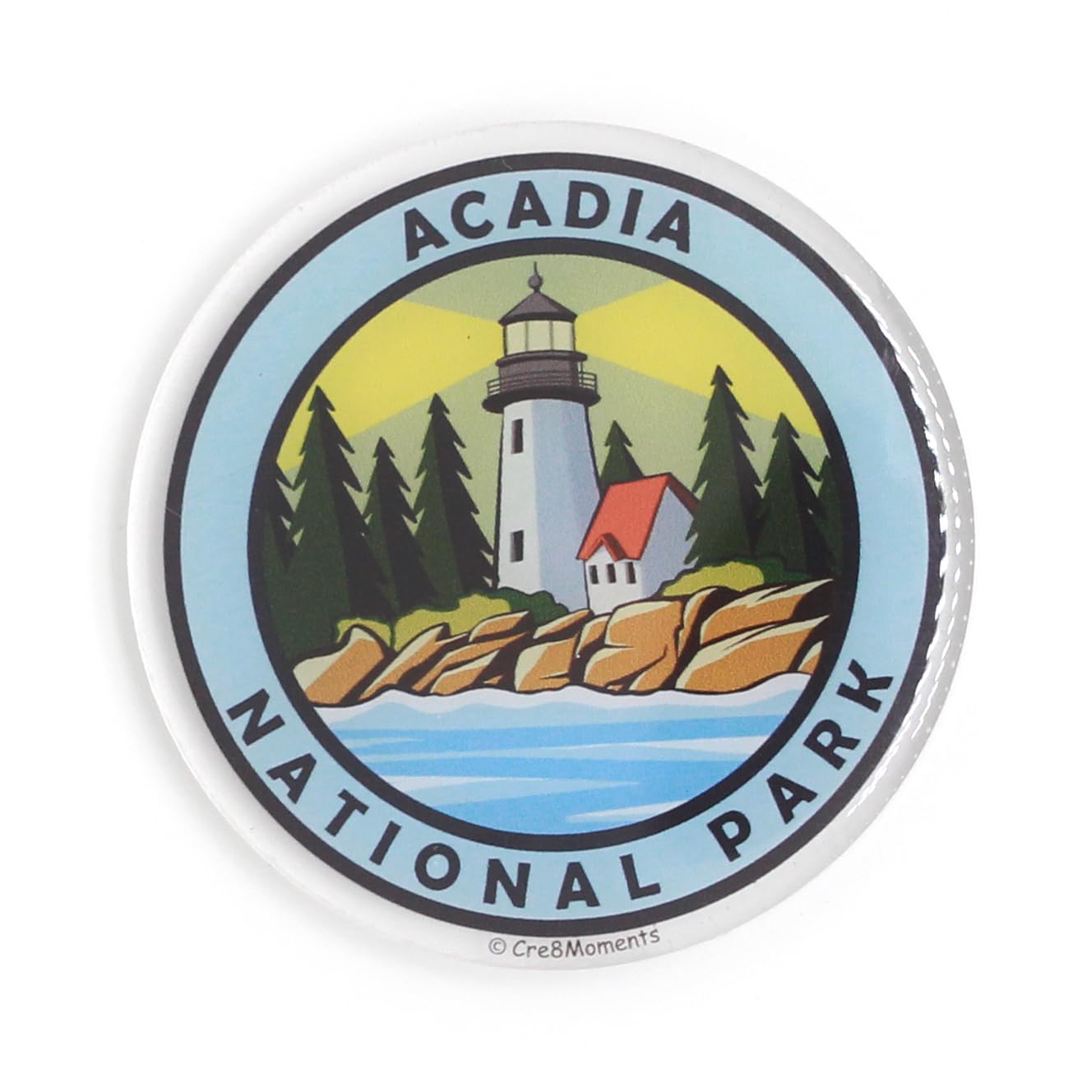 Acadia National Park
NFC Magnet
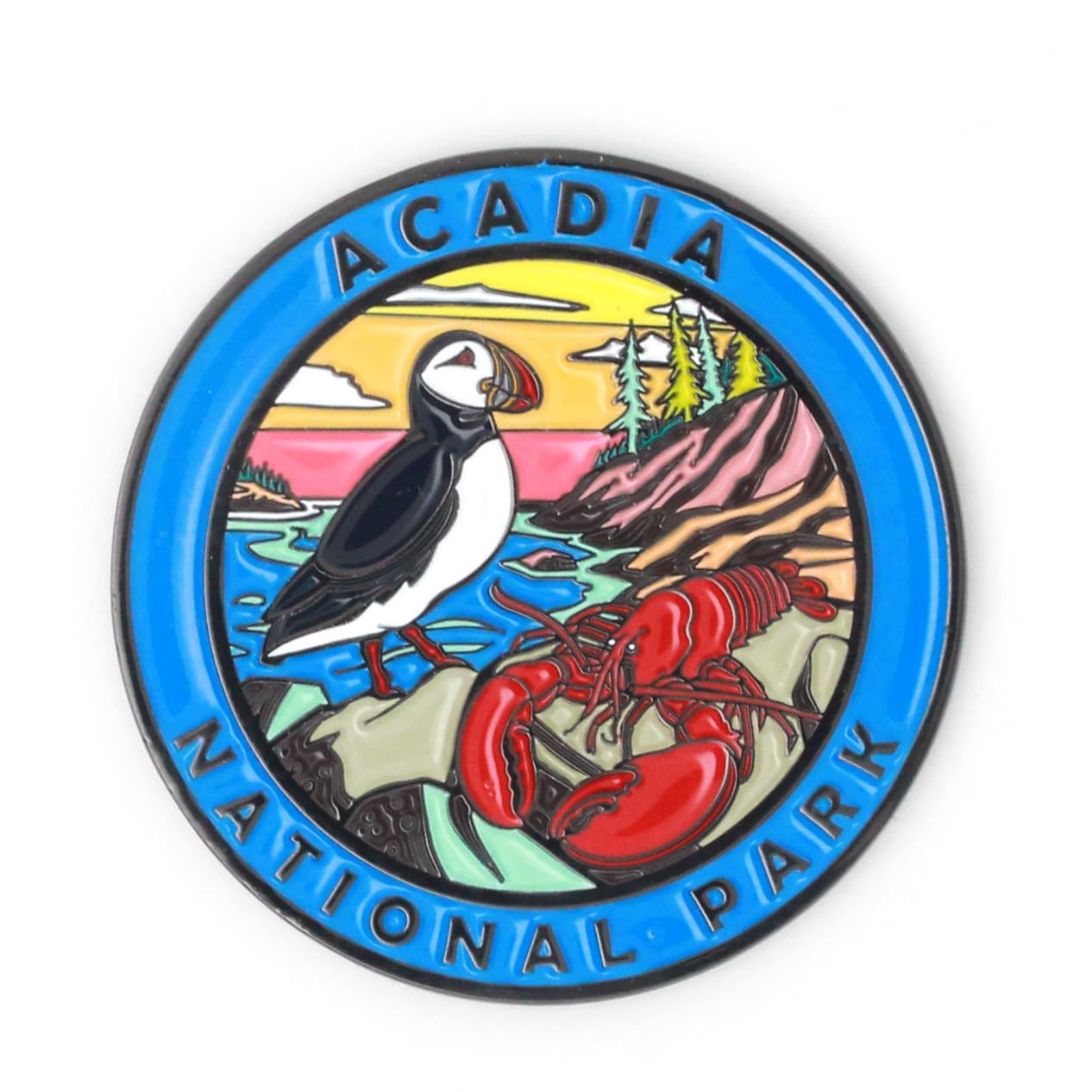 Acadia National Park
Magnet
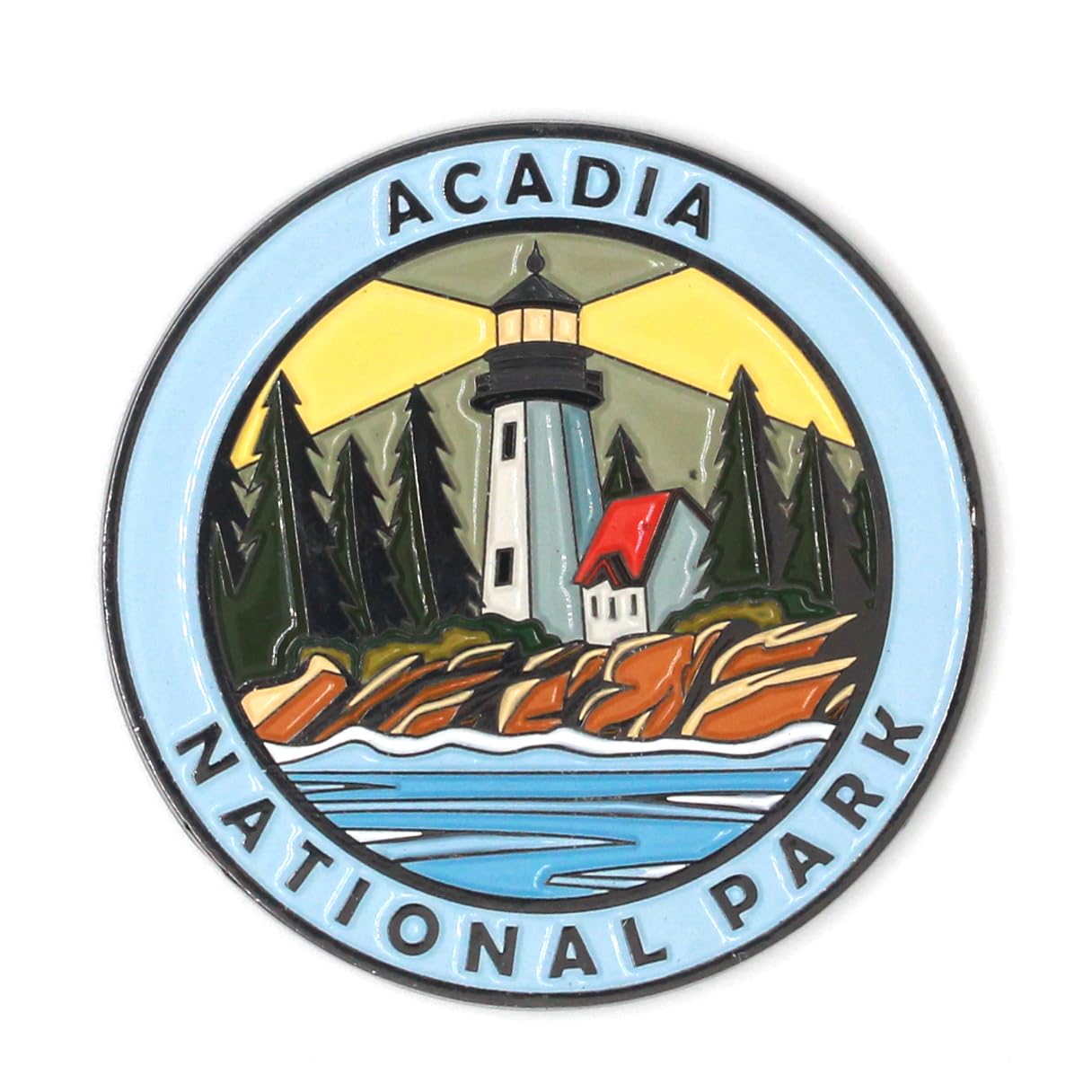 Acadia National Park
Magnet
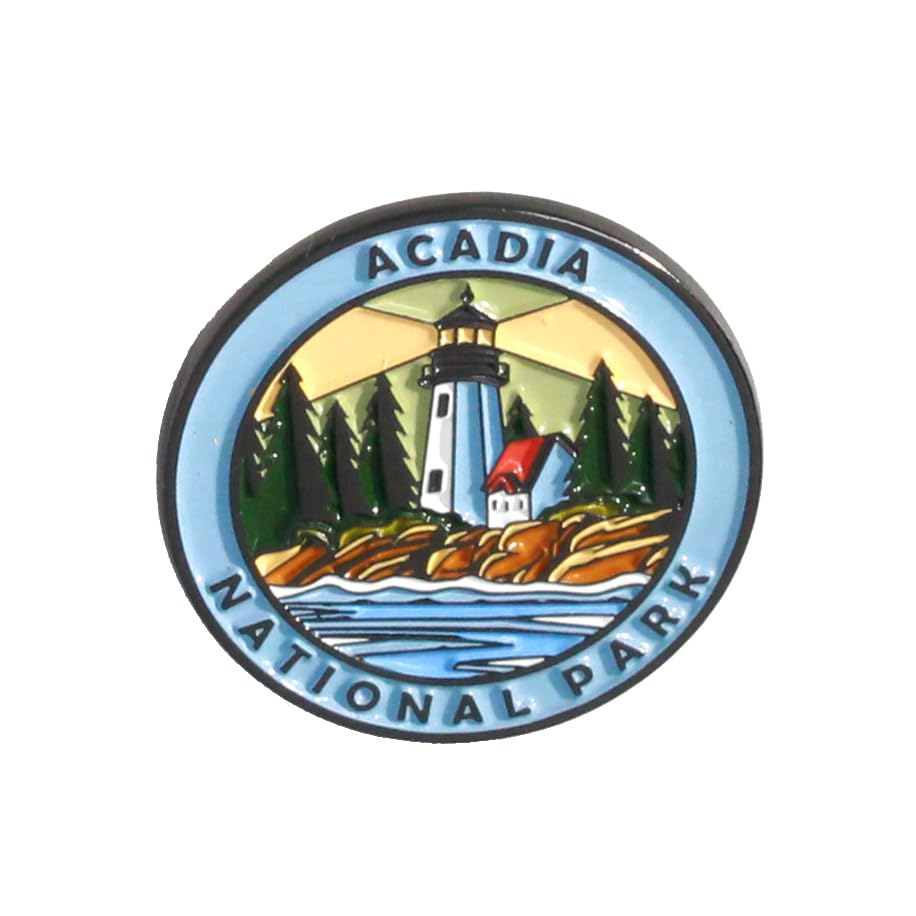 Acadia National Park
Pin
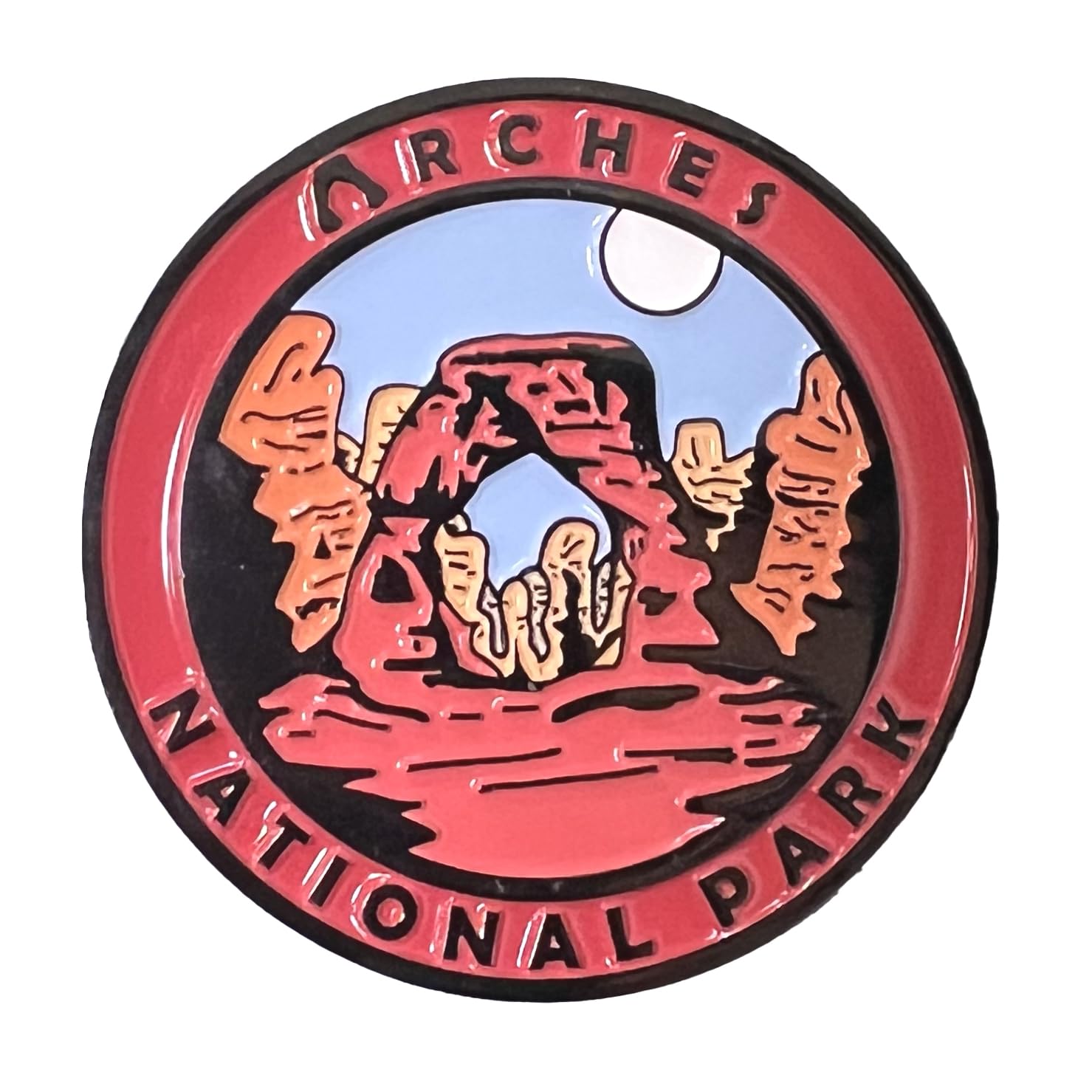 Arches National Park
Magnet
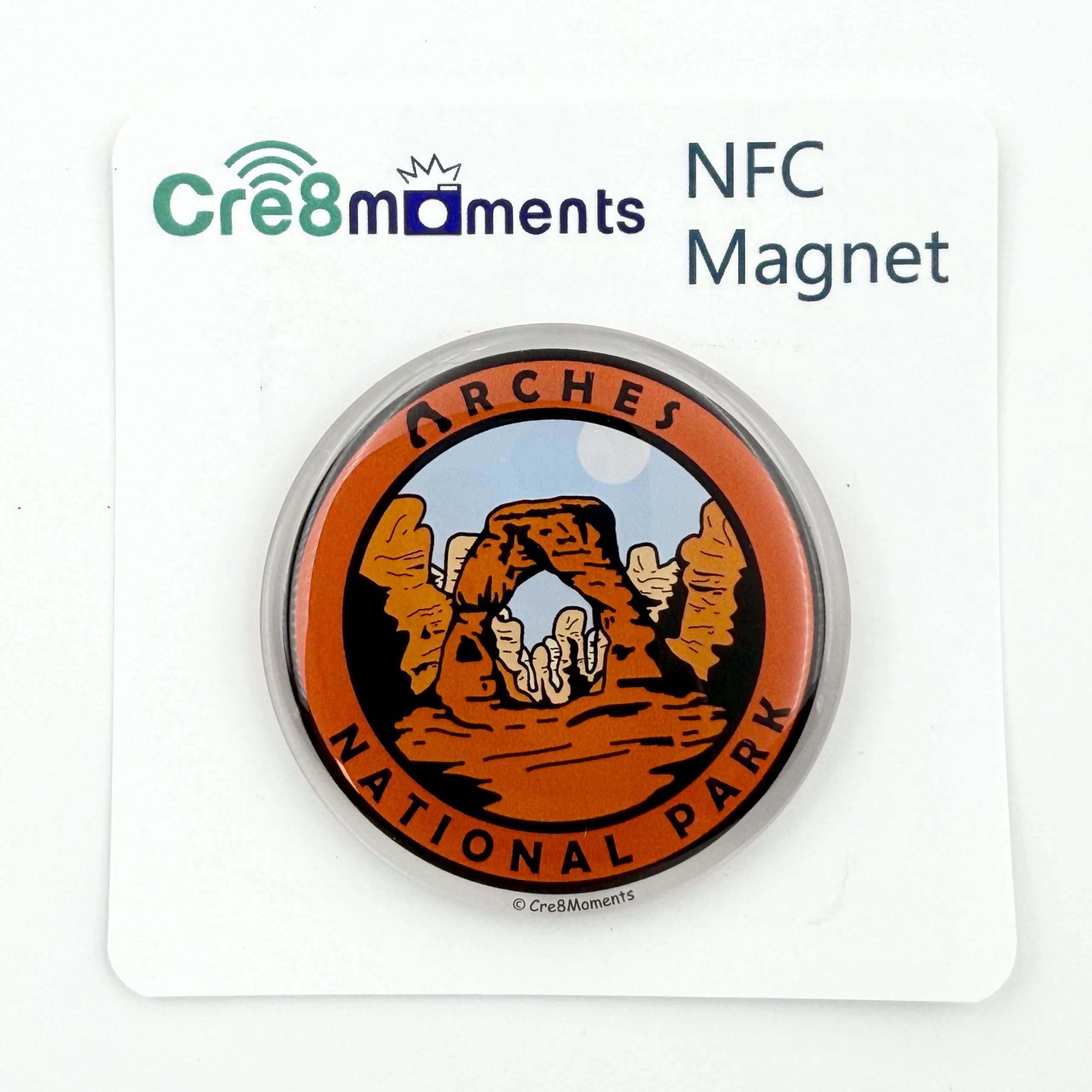 Arches National Park
NFC Magnet
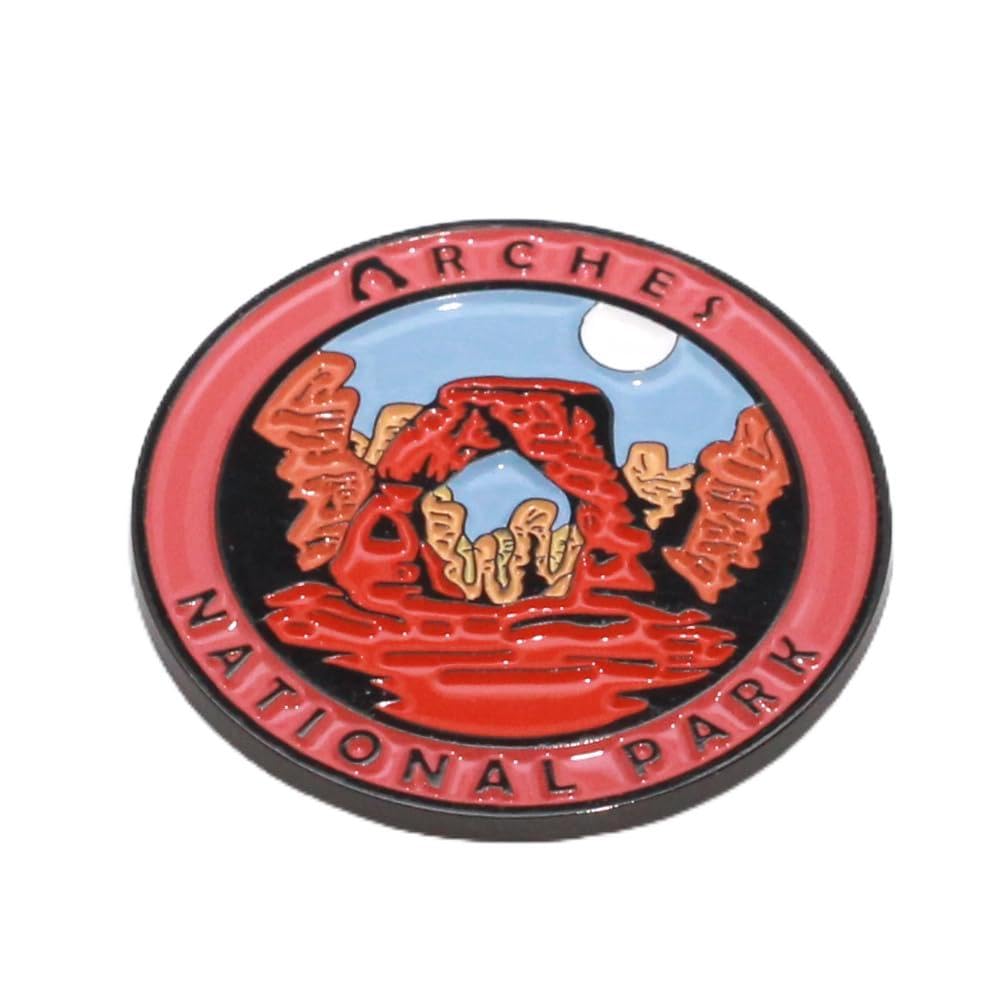 Arches National Park
Pin
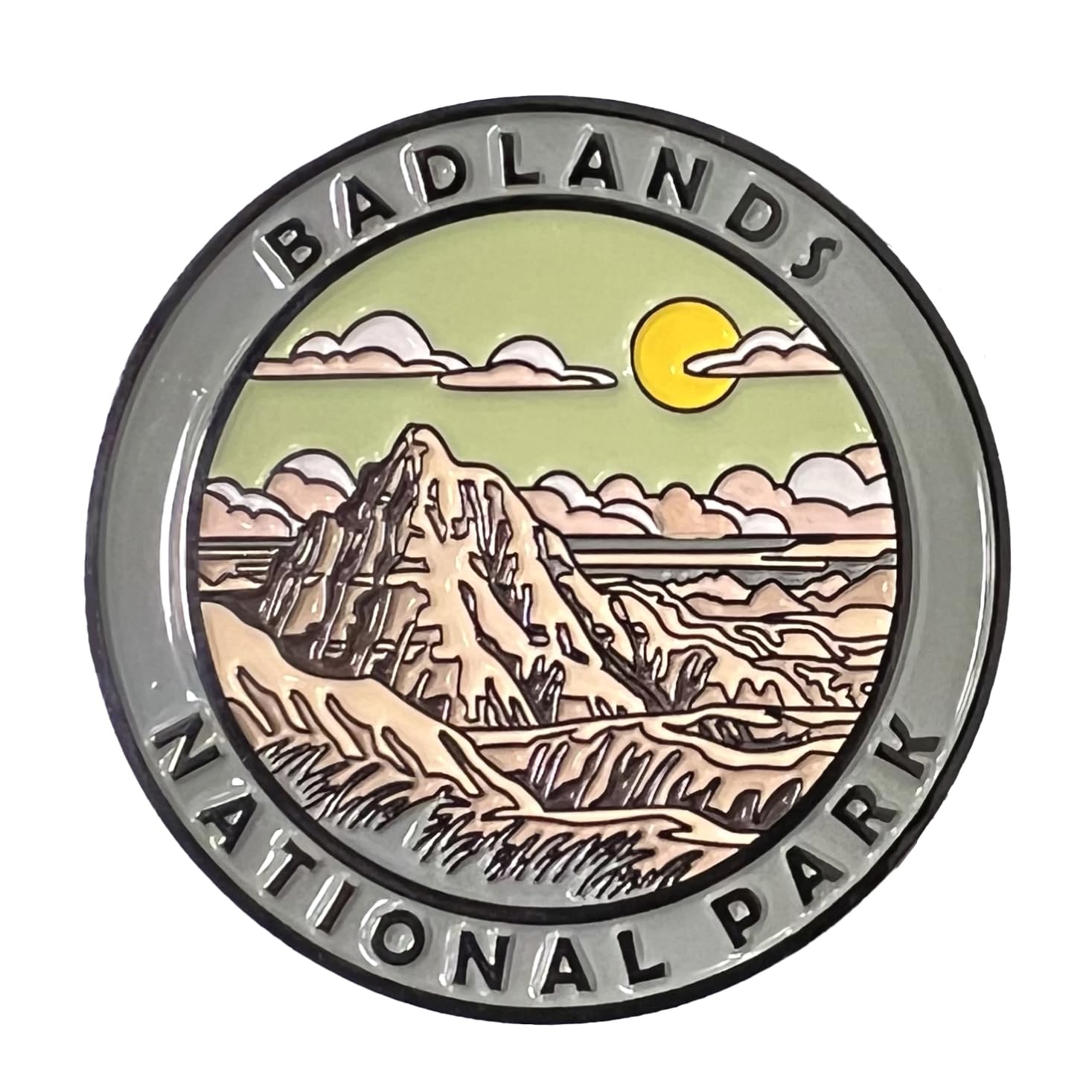 Badlands National Park
Magnet
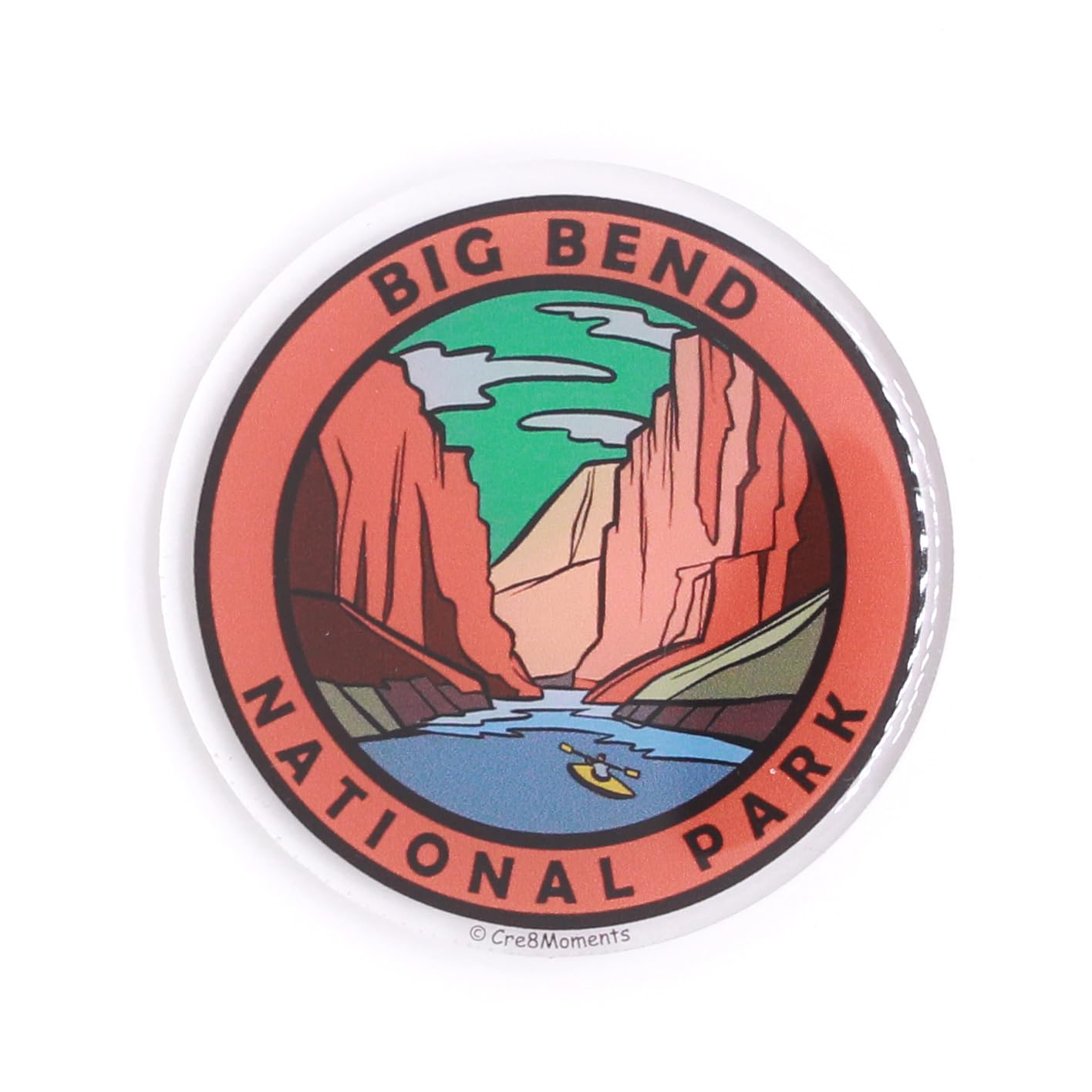 Big Bend National Park
NFC Magnet
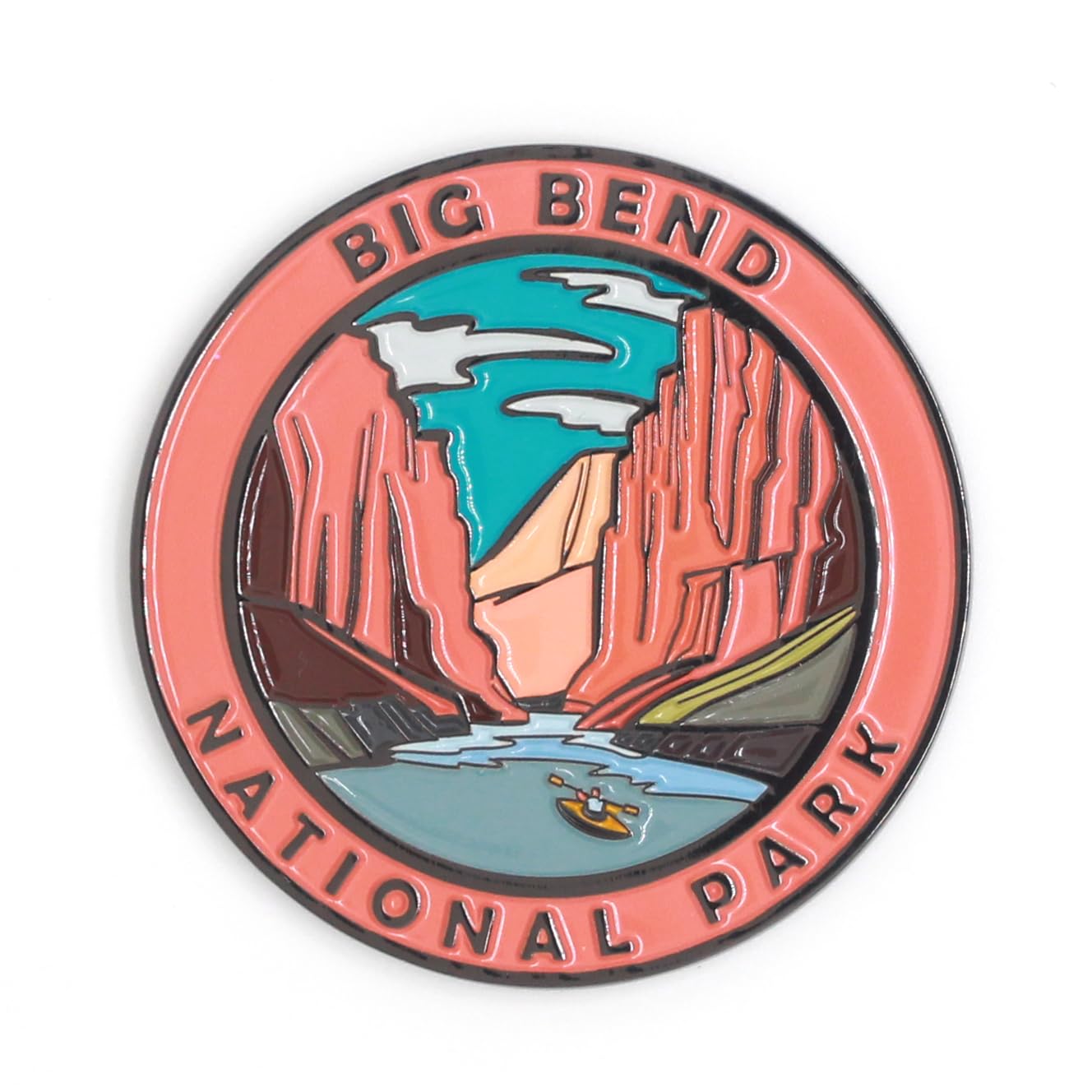 Big Bend National Park
Magnet
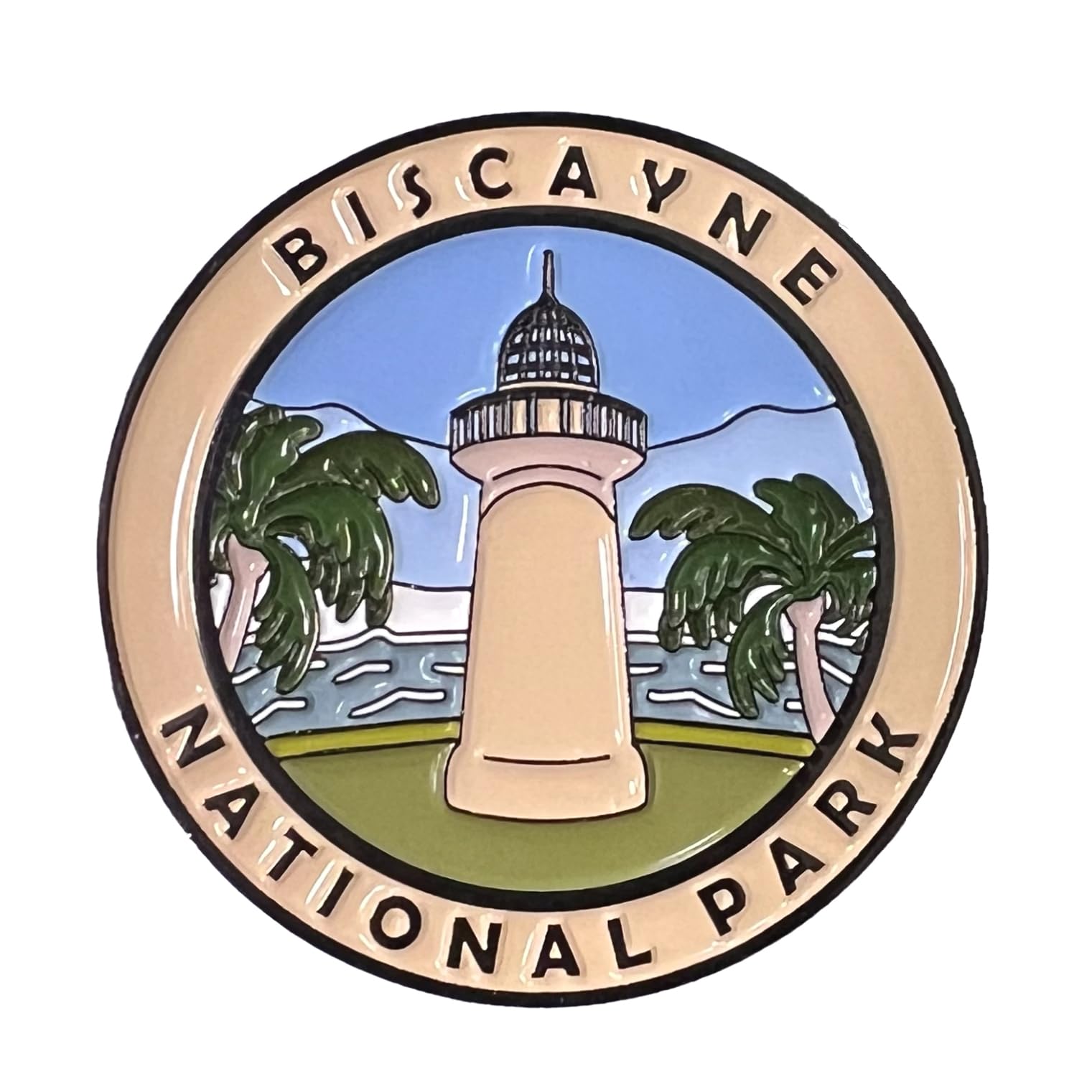 Biscayne National Park
Magnet
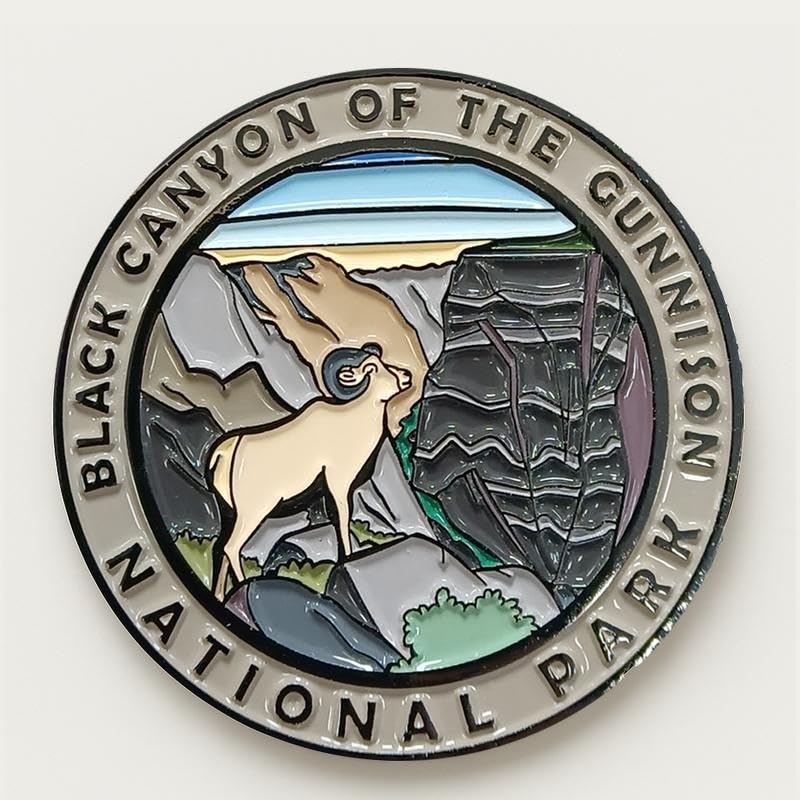 Black Canyon of the Gunnison National Park
Magnet
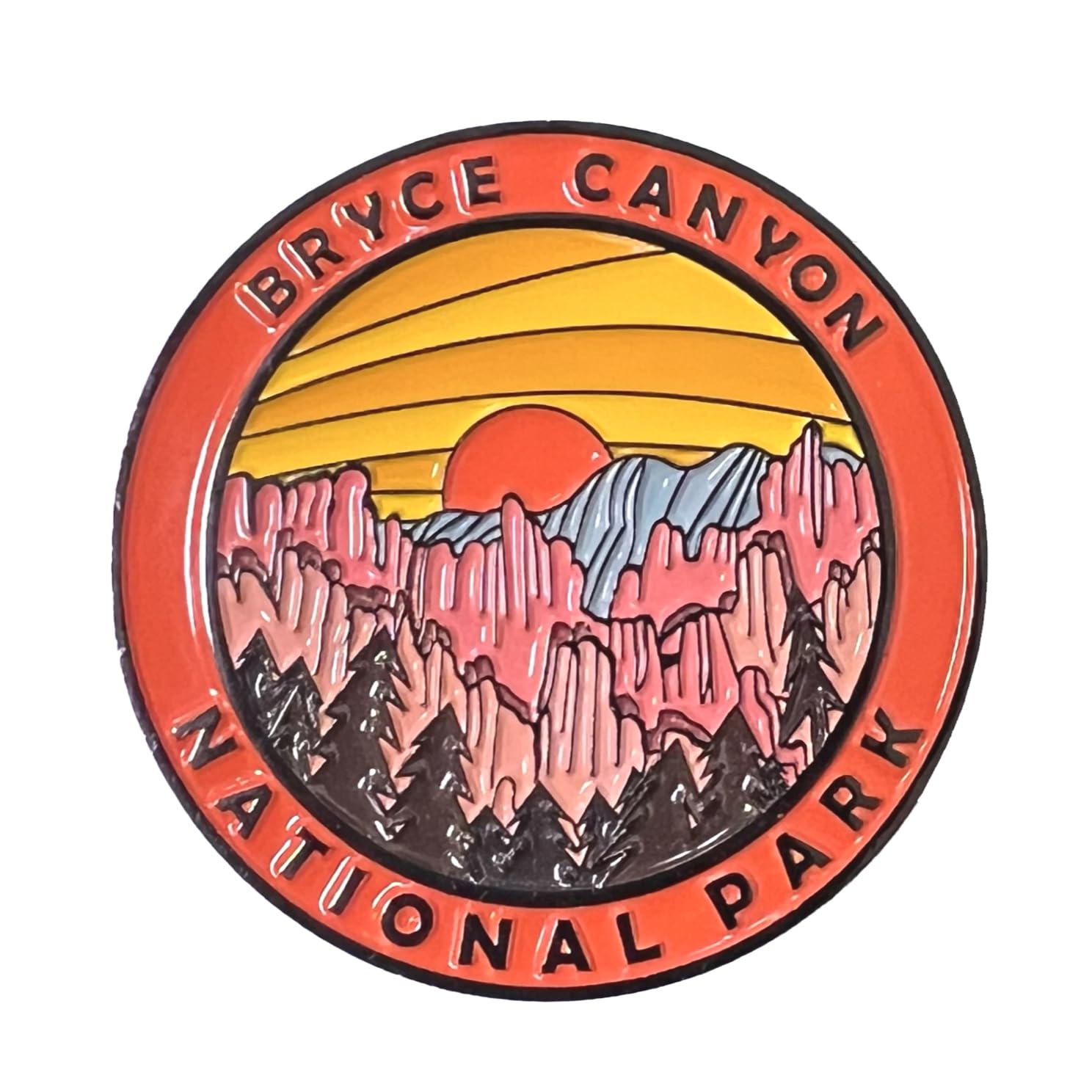 Bryce Canyon National Park
Magnet
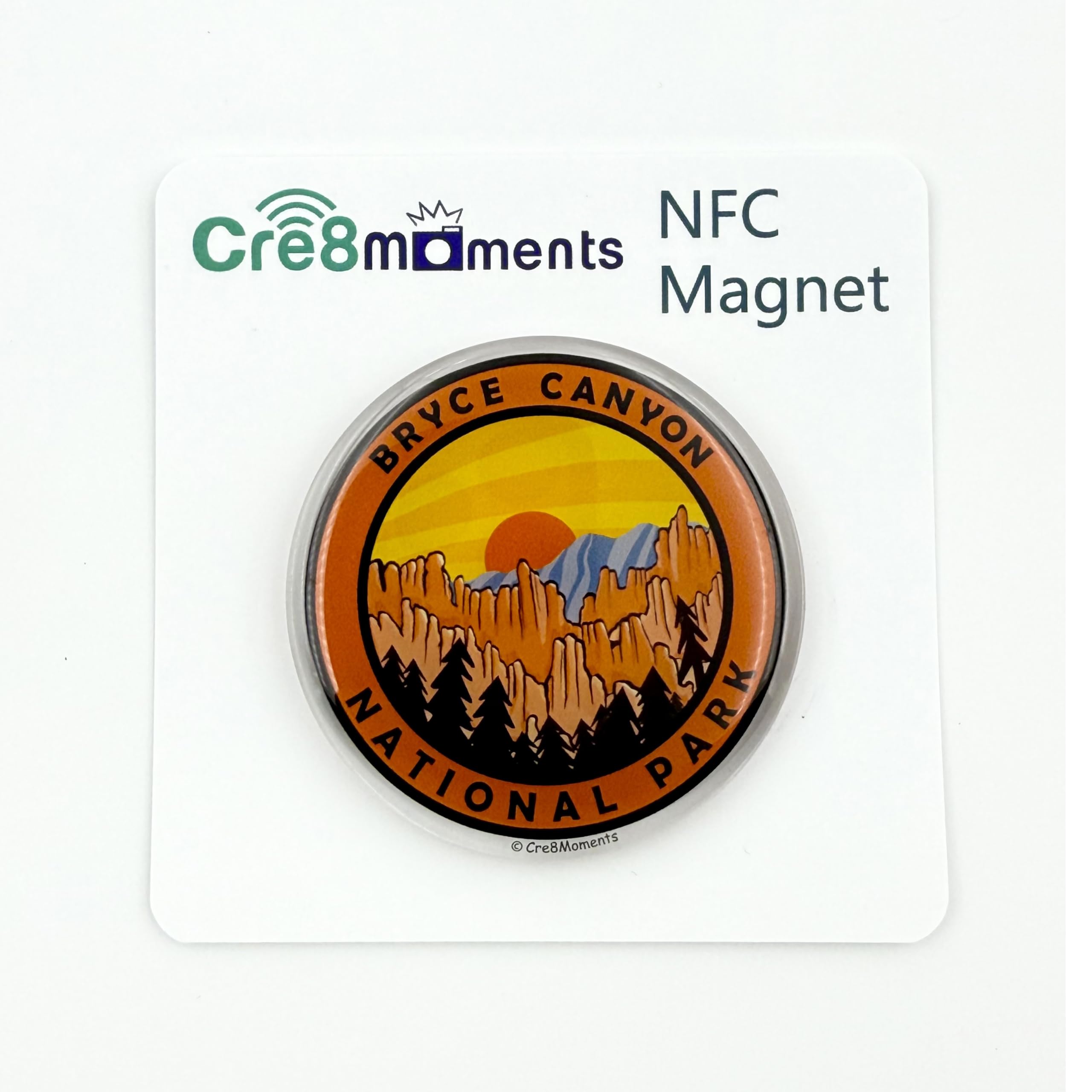 Bryce Canyon National Park
NFC Magnet
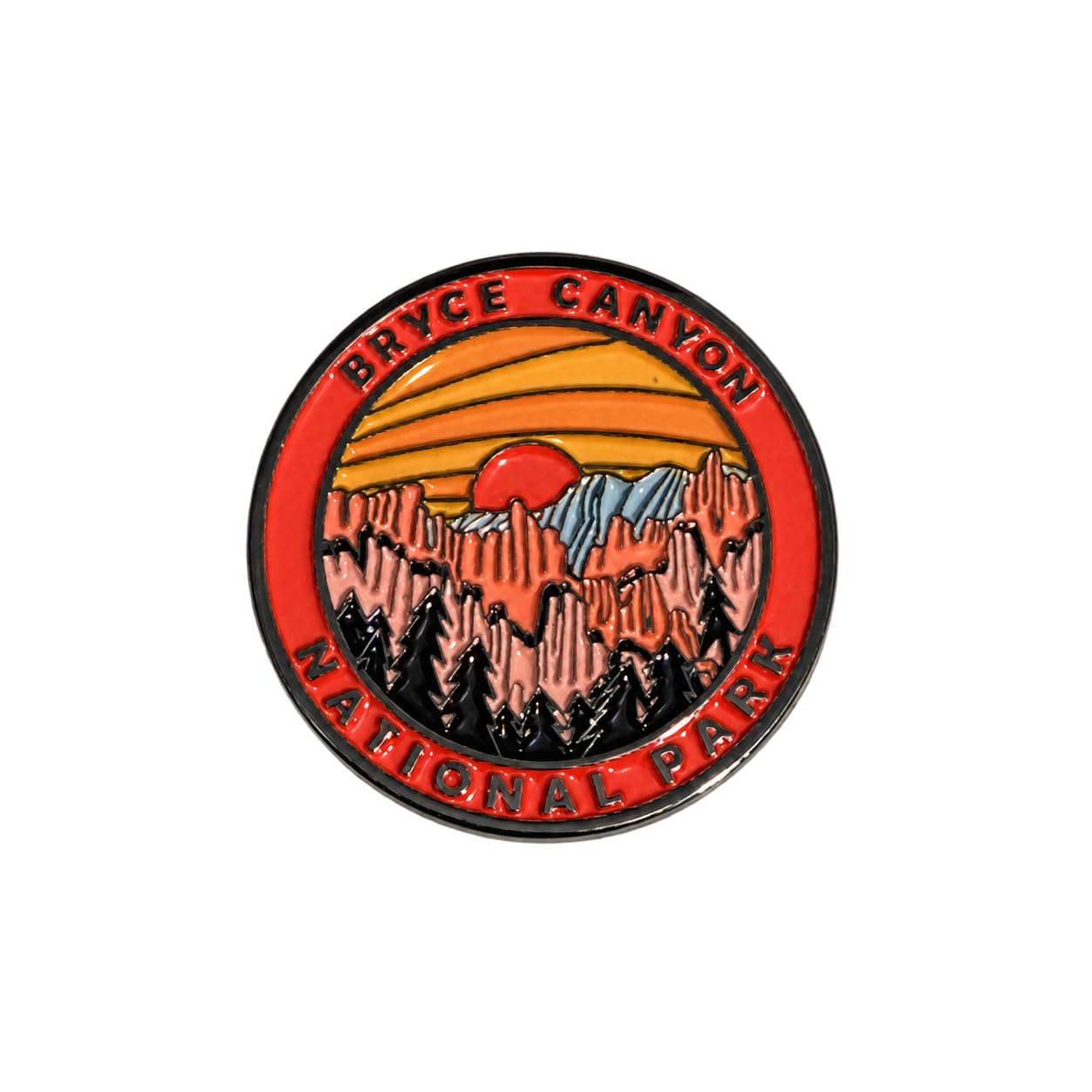 Bryce Canyon National Park
Pin
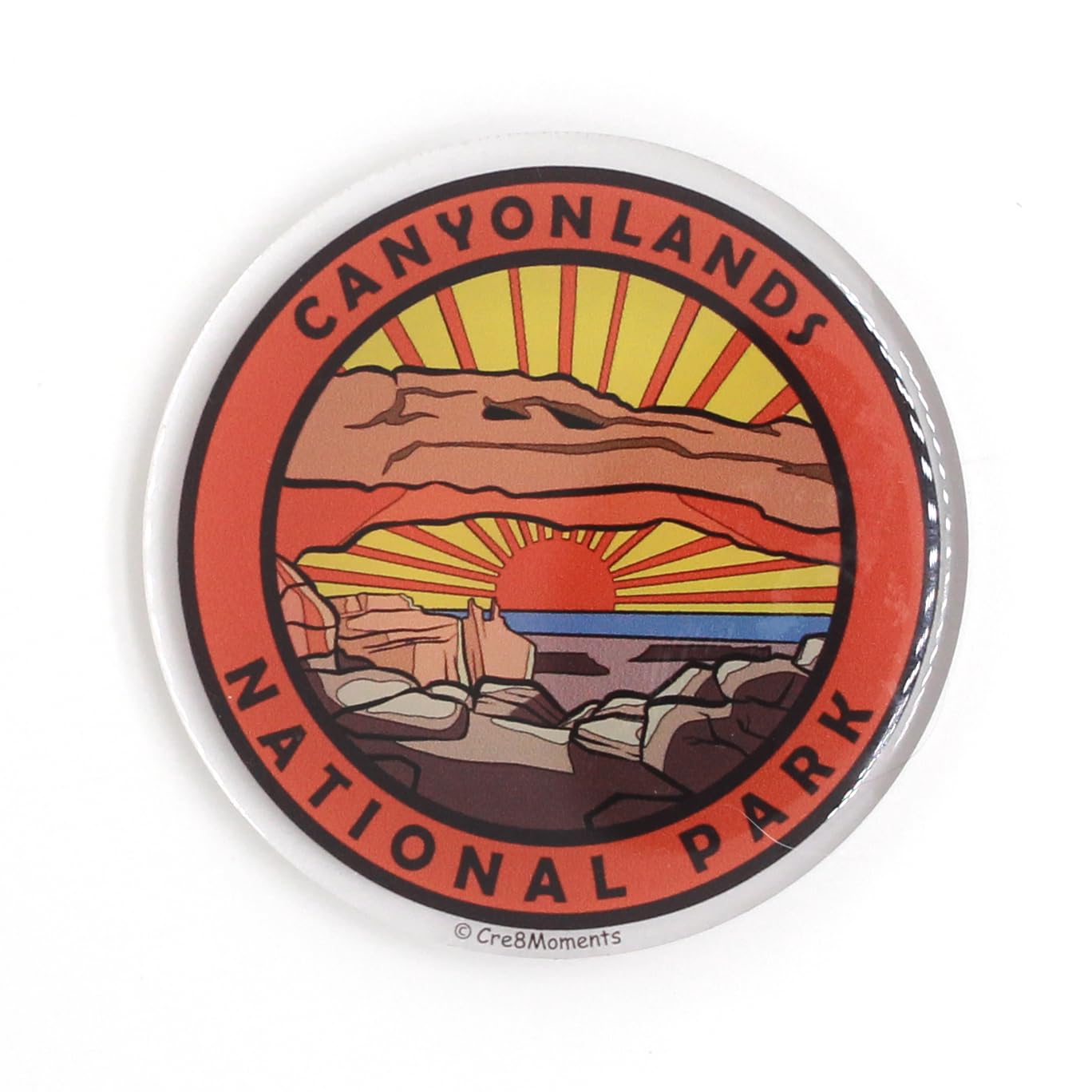 Canyonlands National Park
NFC Magnet
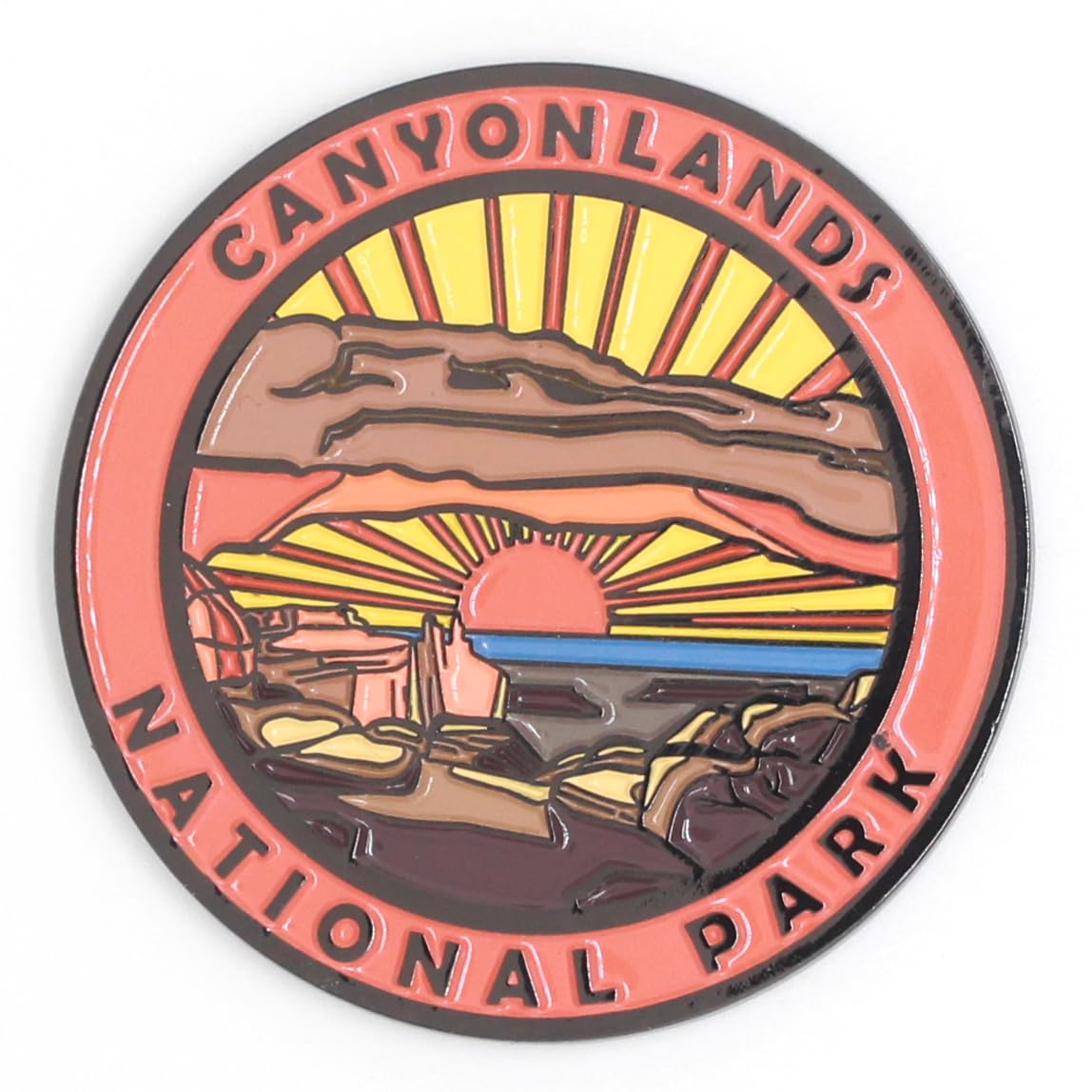 Canyonlands National Park
Magnet
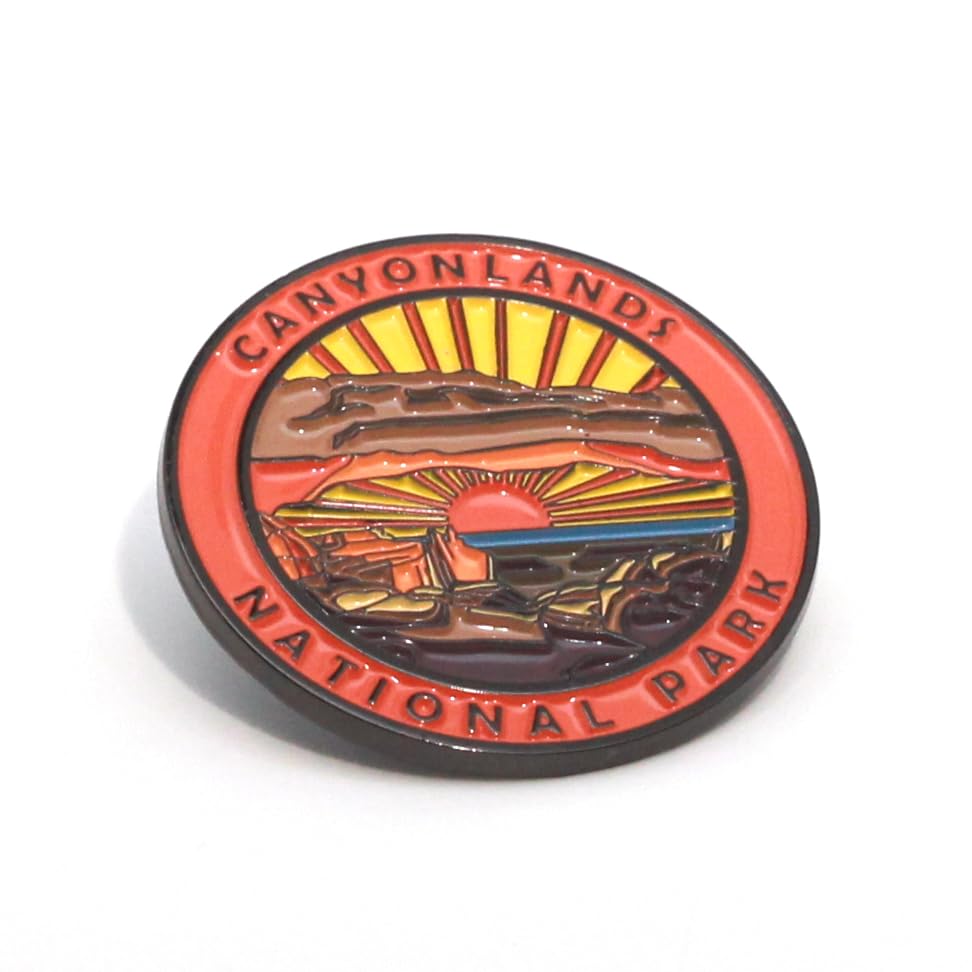 Canyonlands National Park
Pin
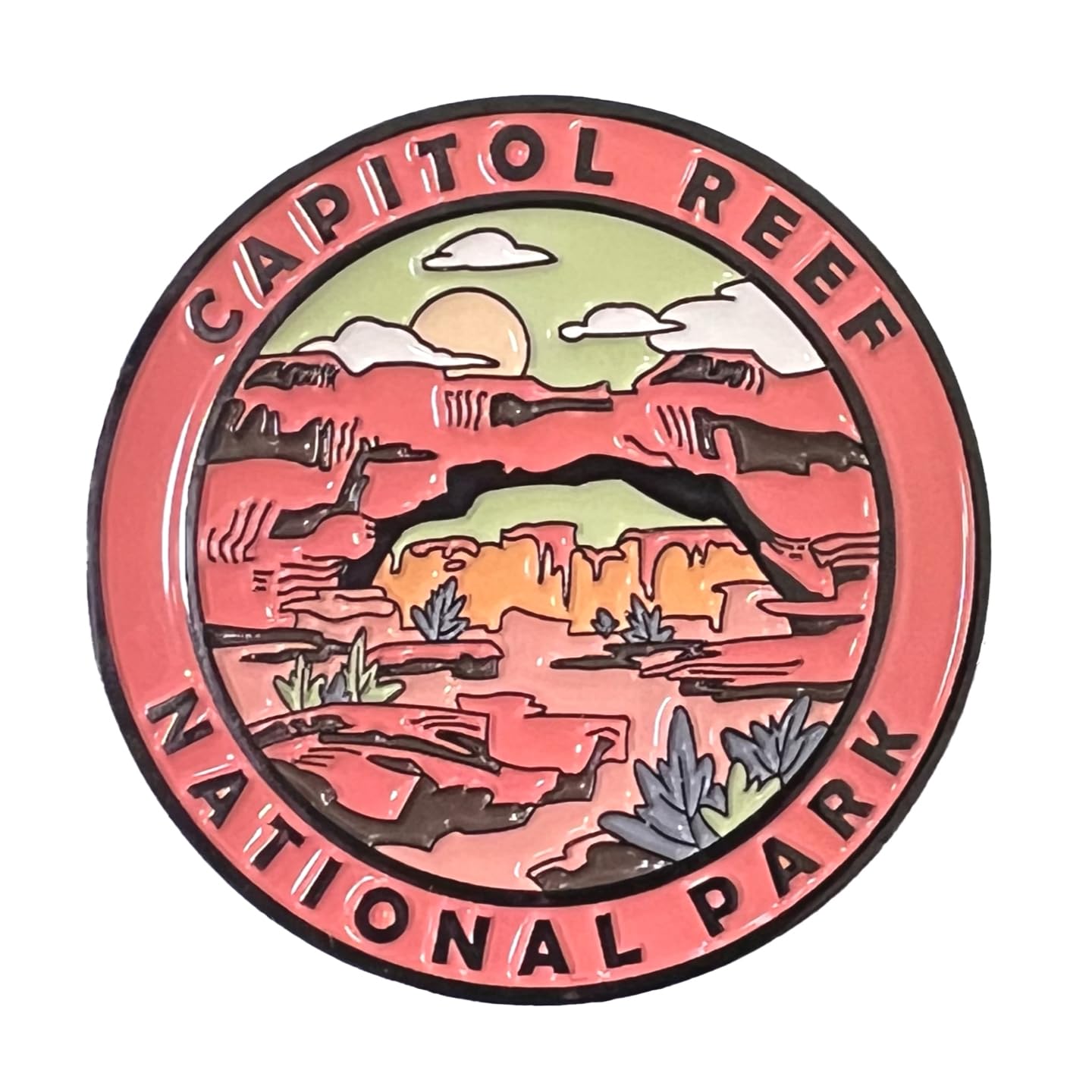 Capitol Reef National Park
Magnet
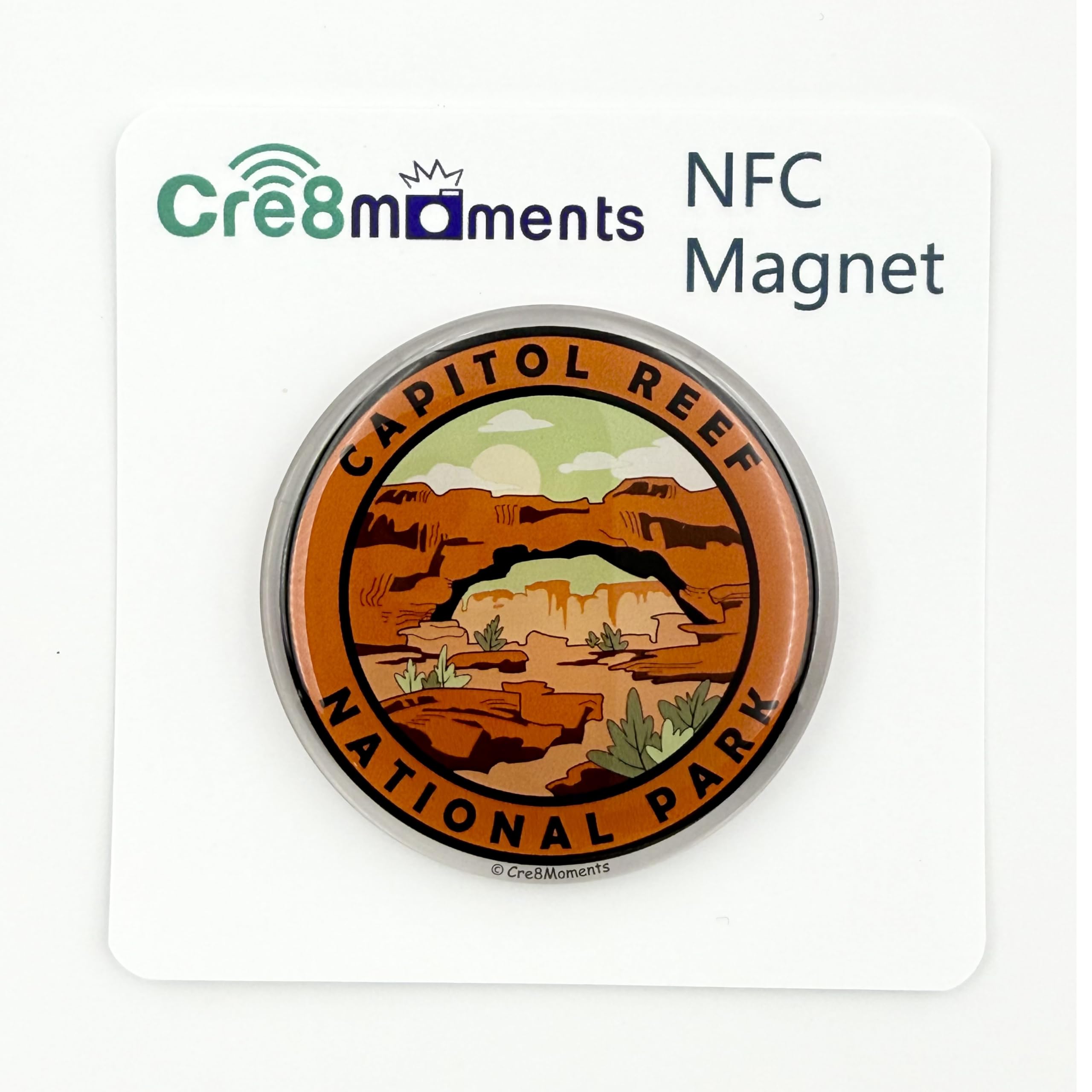 Capitol Reef National Park
NFC Magnet
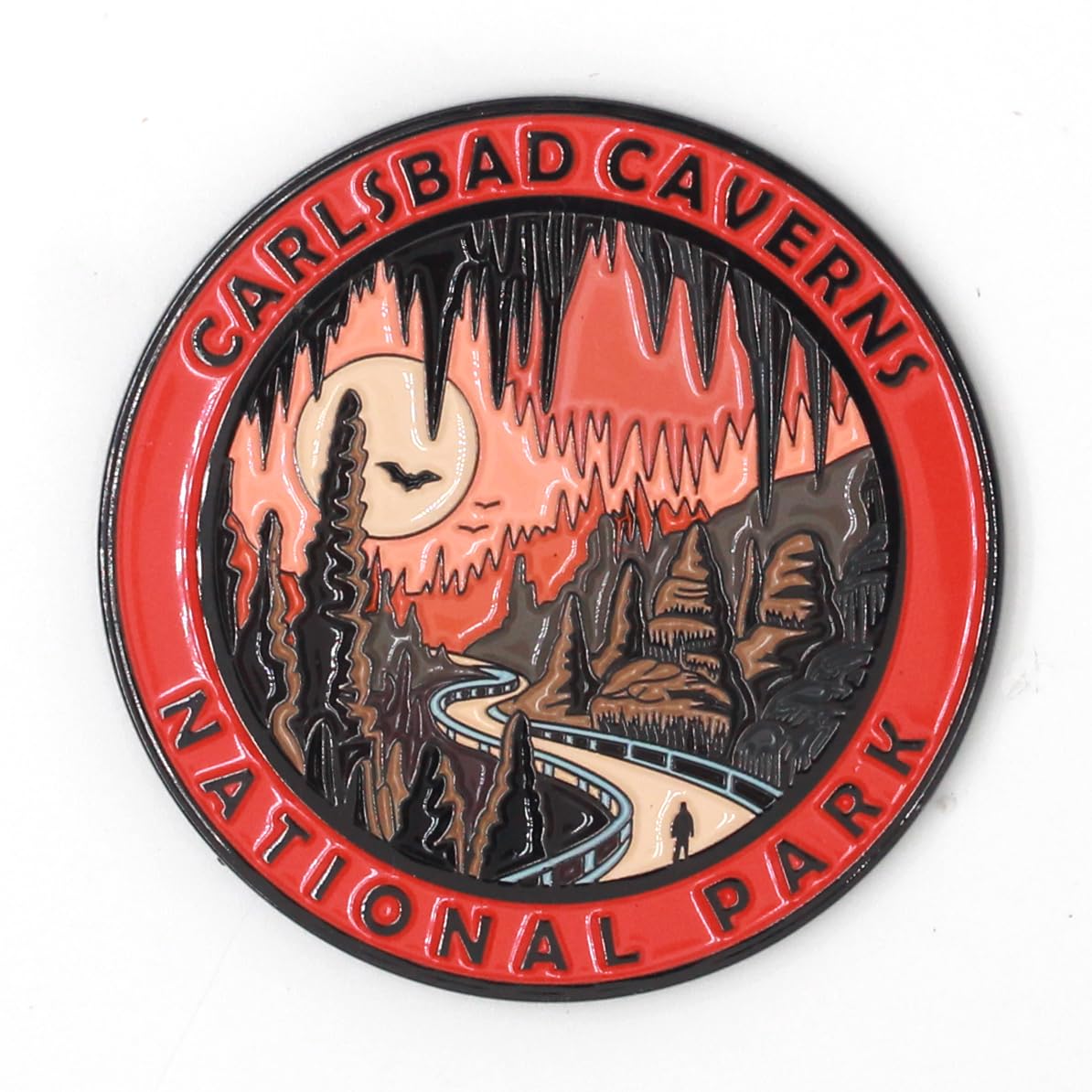 Carlsbad Caverns National Park
Magnet
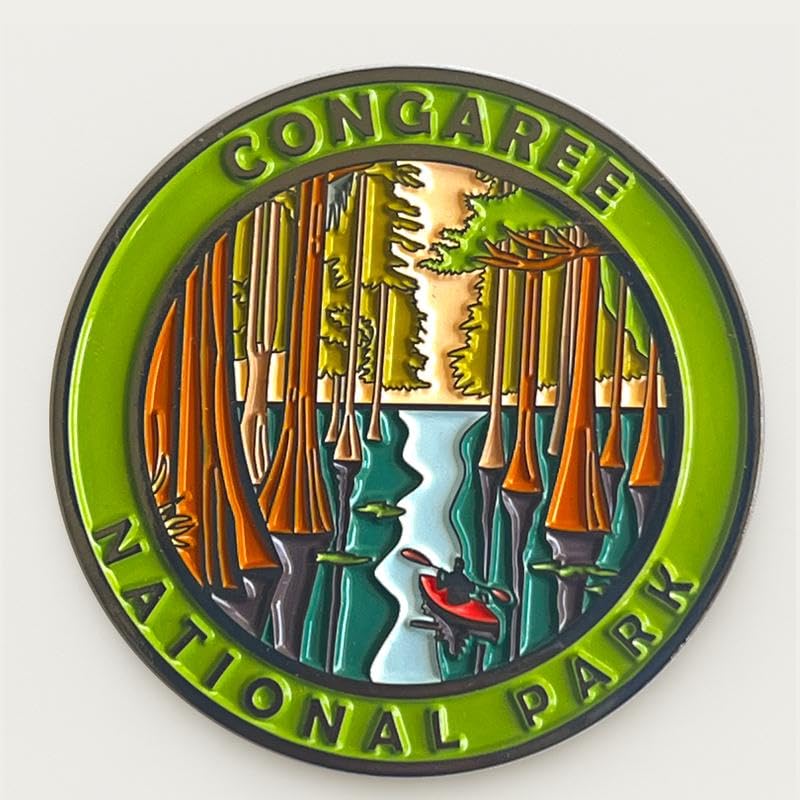 Congaree National Park
Magnet
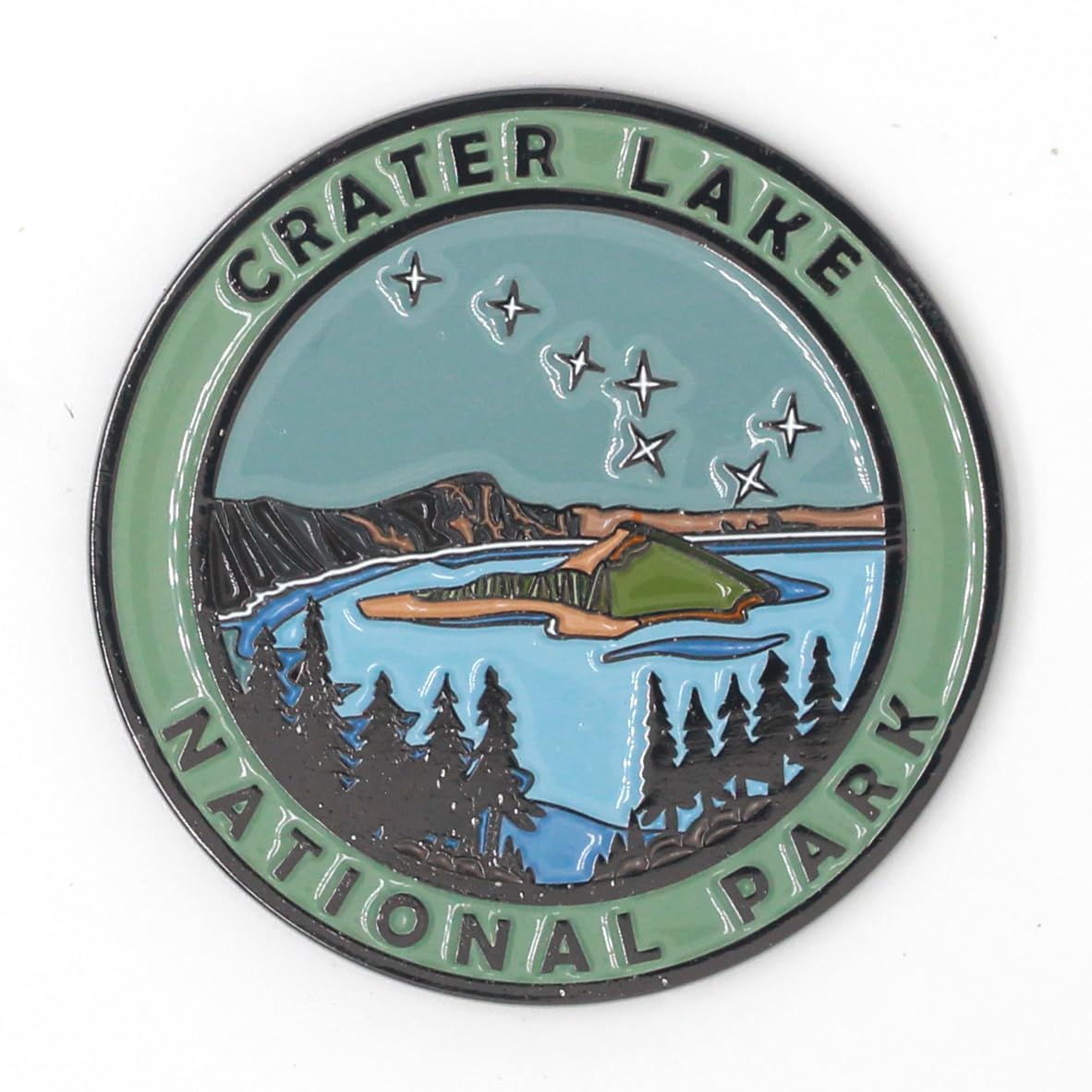 Crater Lake National Park
Magnet
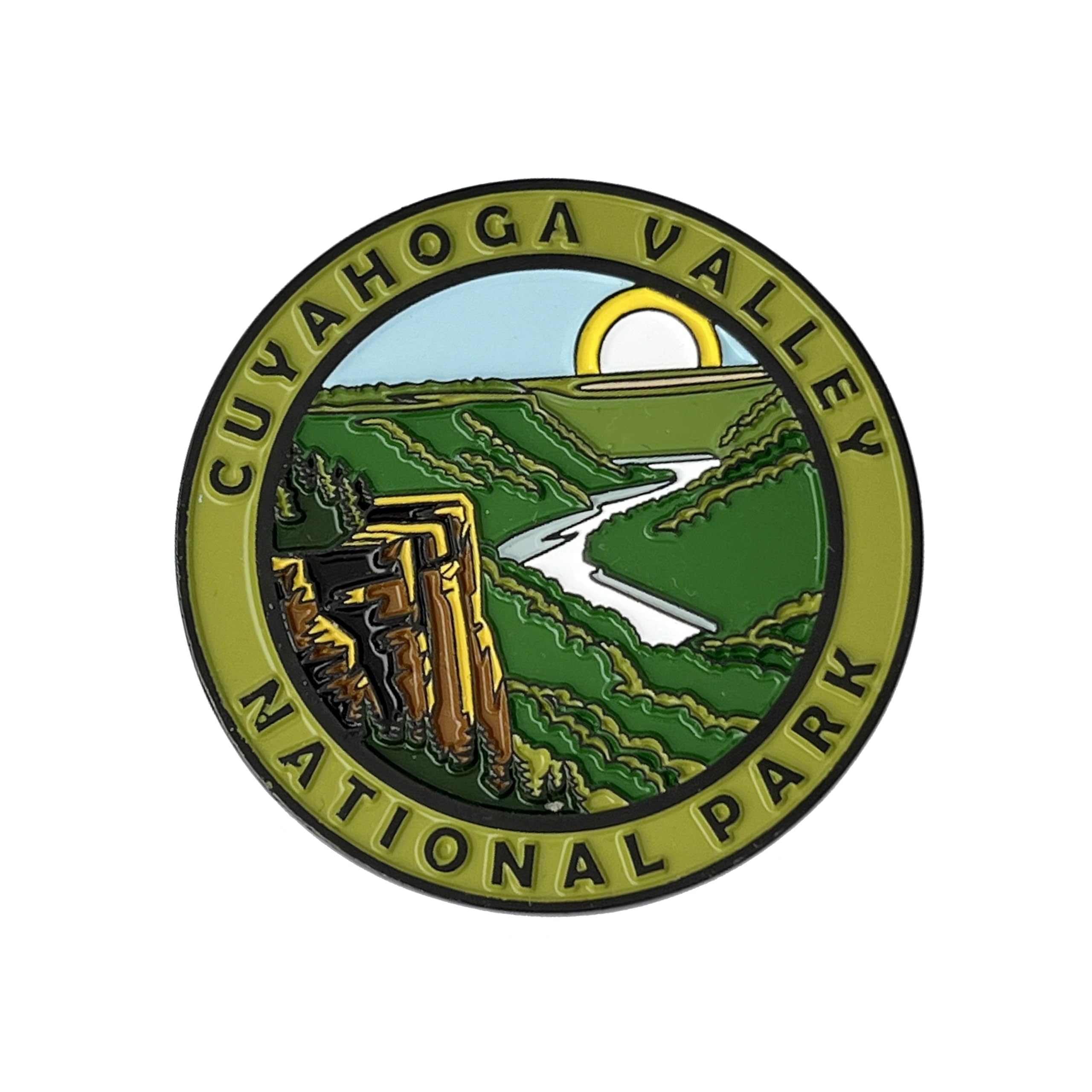 Cuyahoga Valley National Park
Magnet
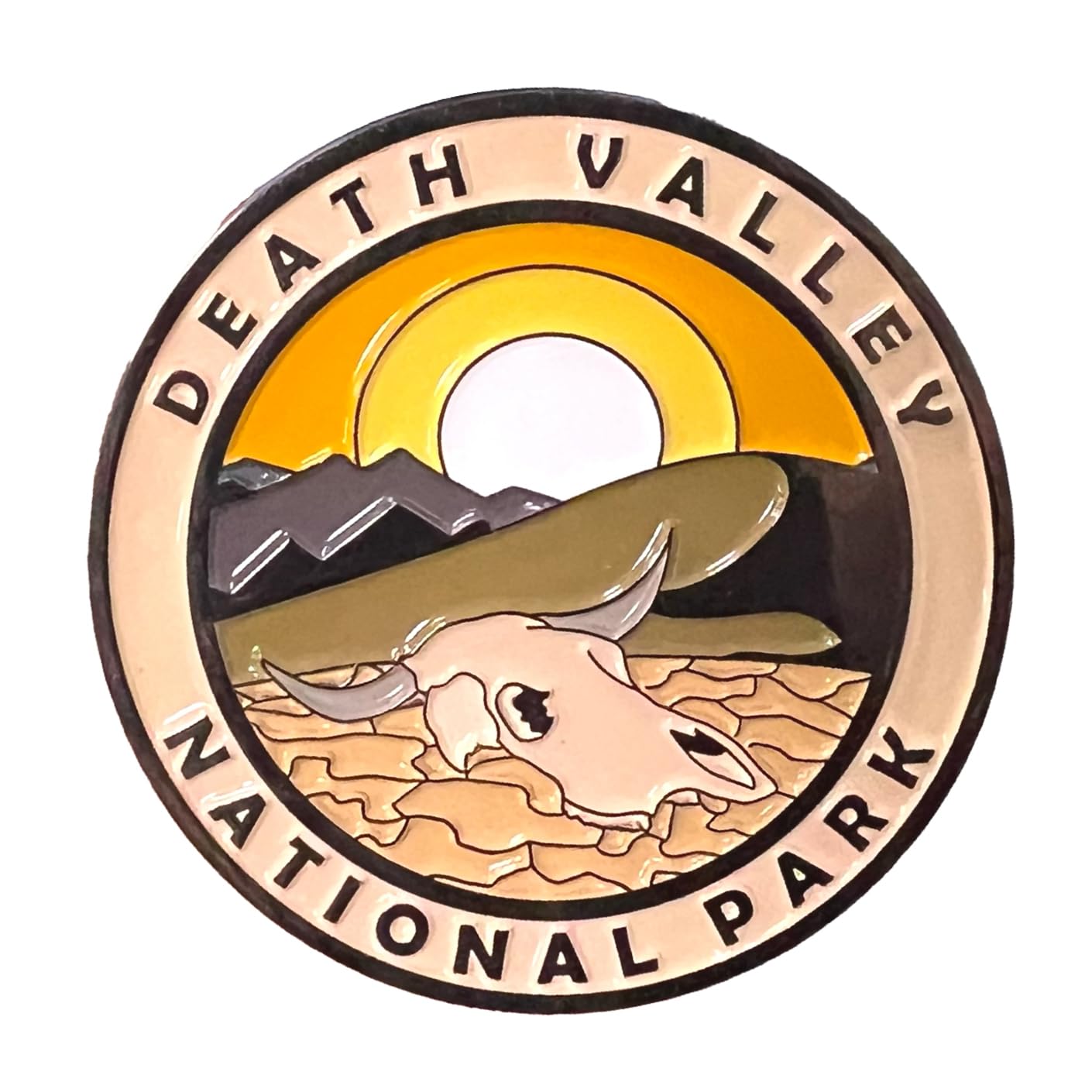 Death Valley National Park
Magnet
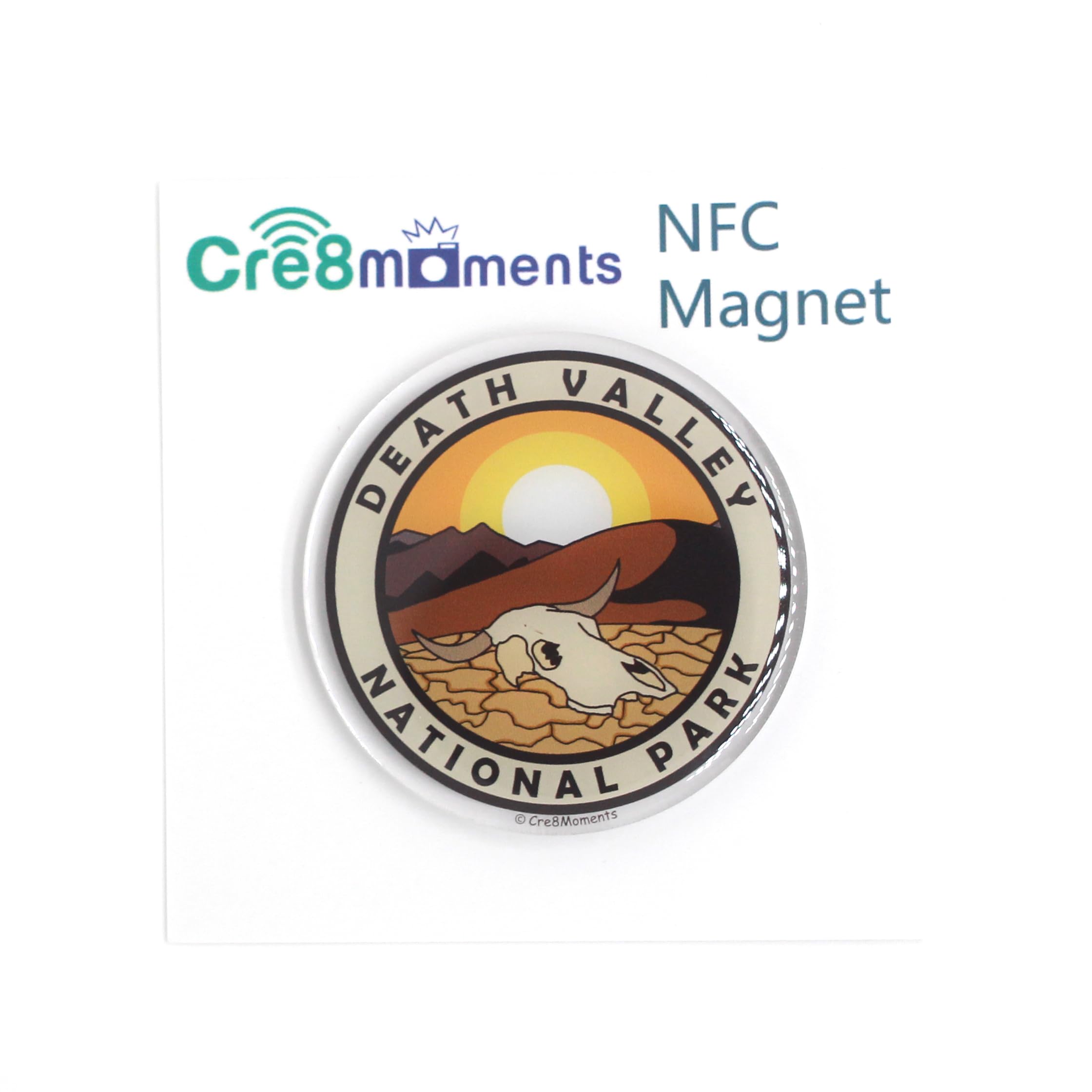 Death Valley National Park
NFC Magnet
 Death Valley National Park
Pin
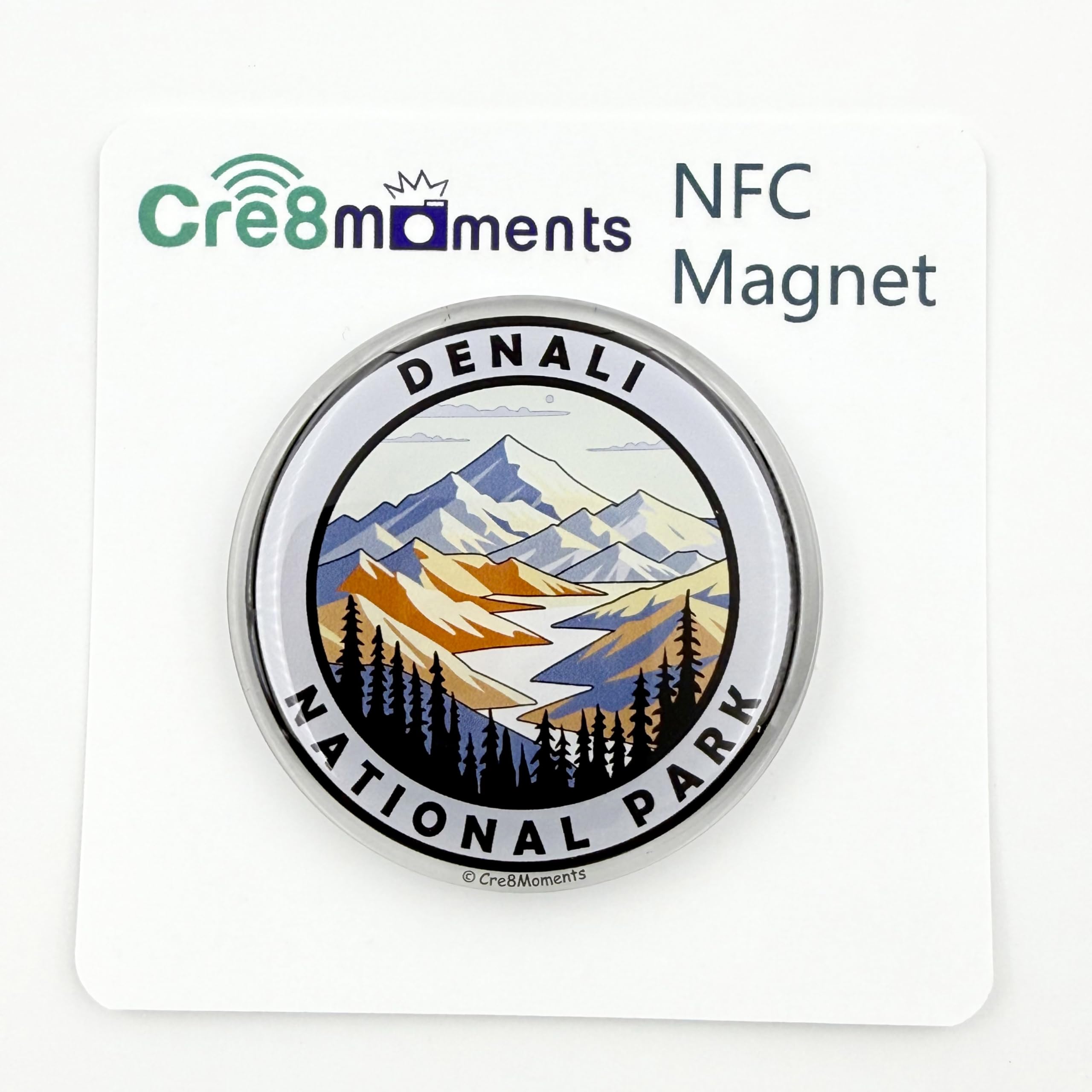
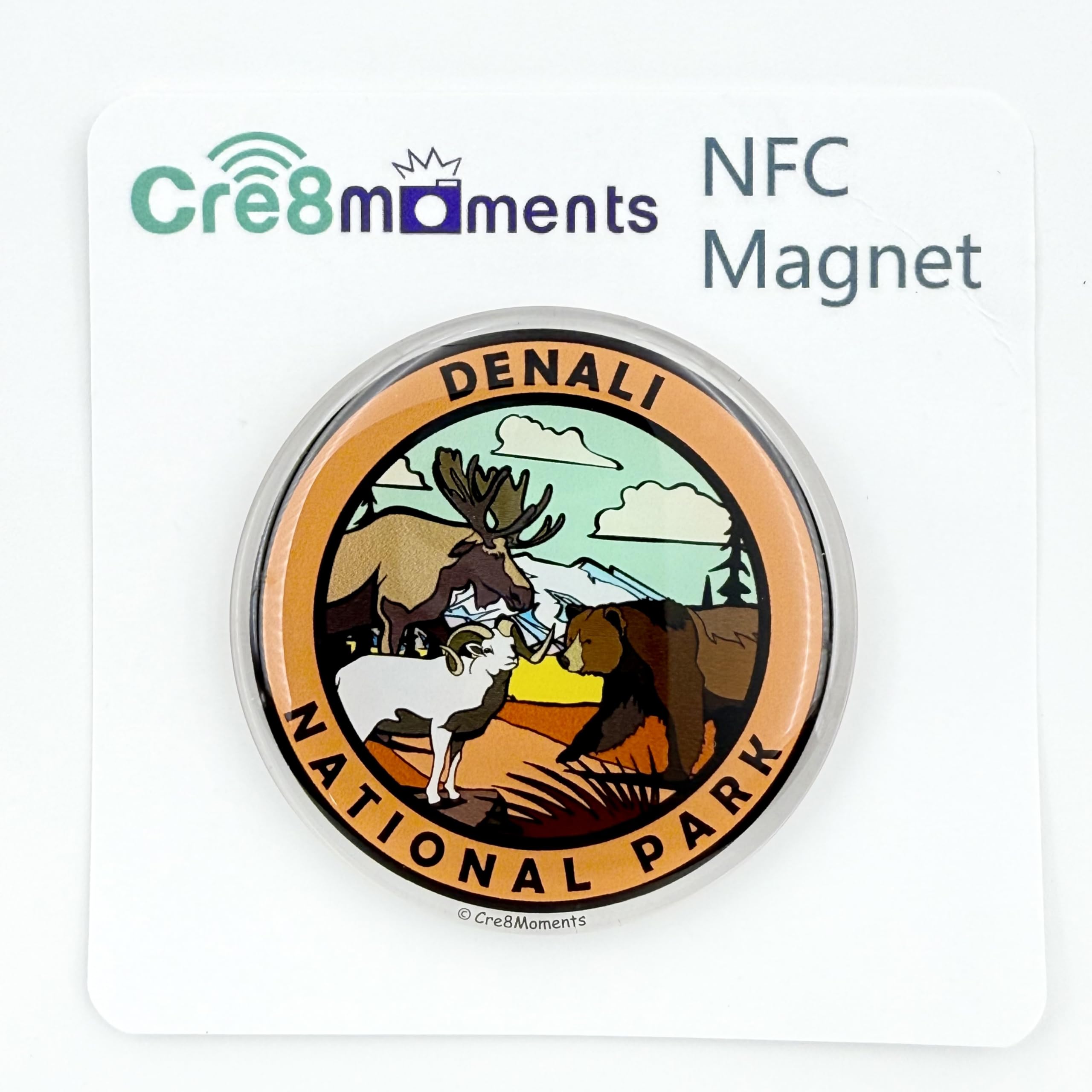 Denali National Park
NFC Magnet
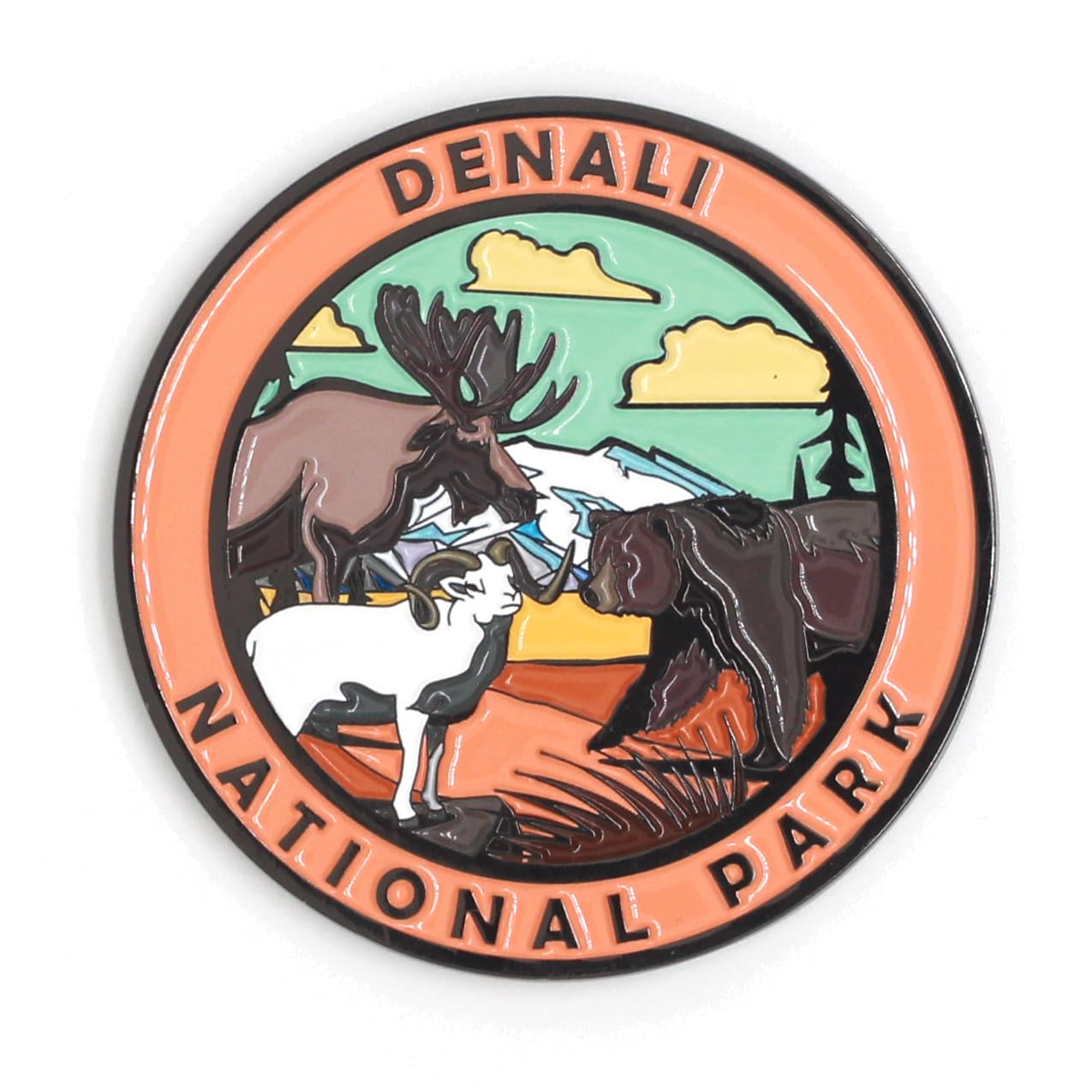
 Denali National Park
NFC Magnet
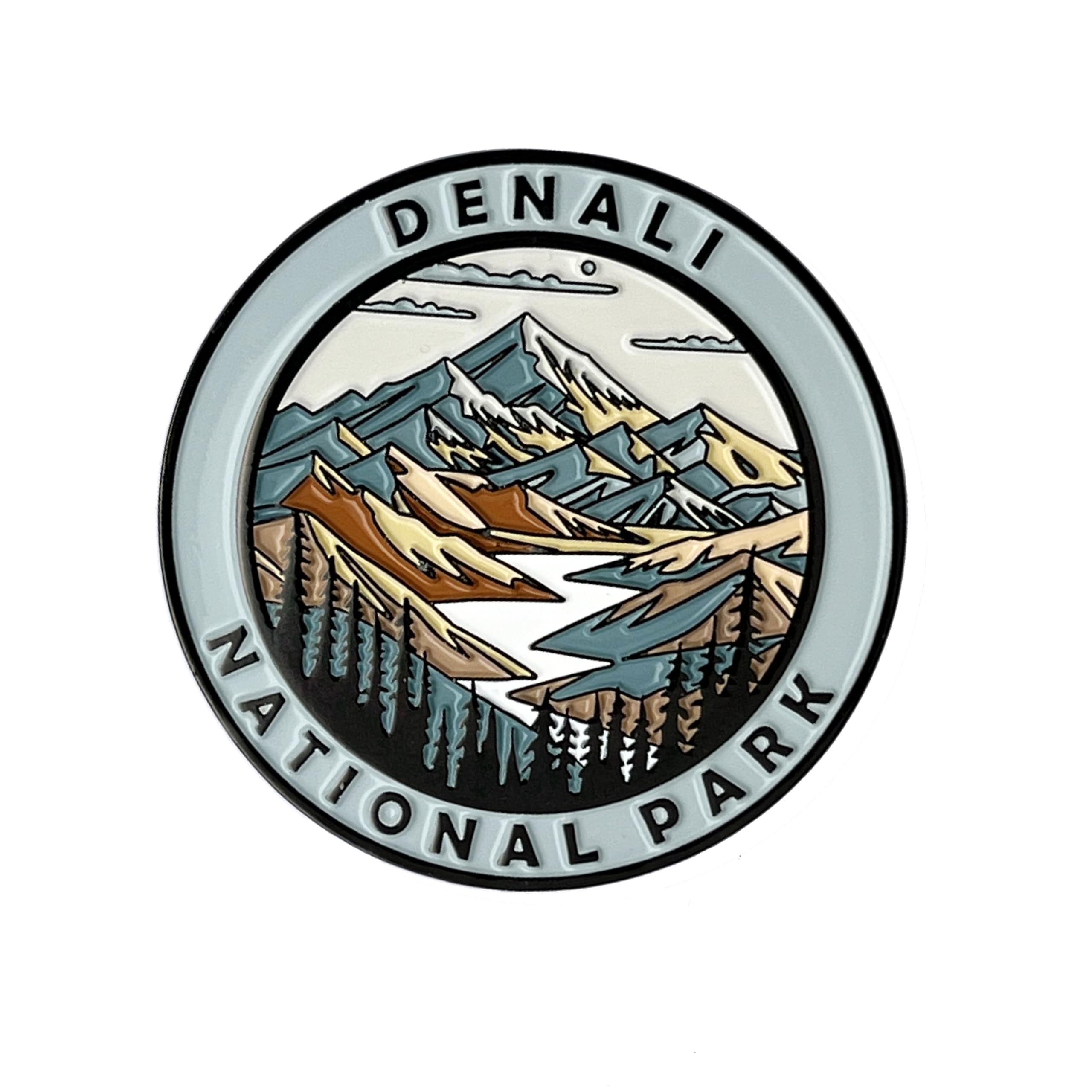
 Denali National Park
Magnet
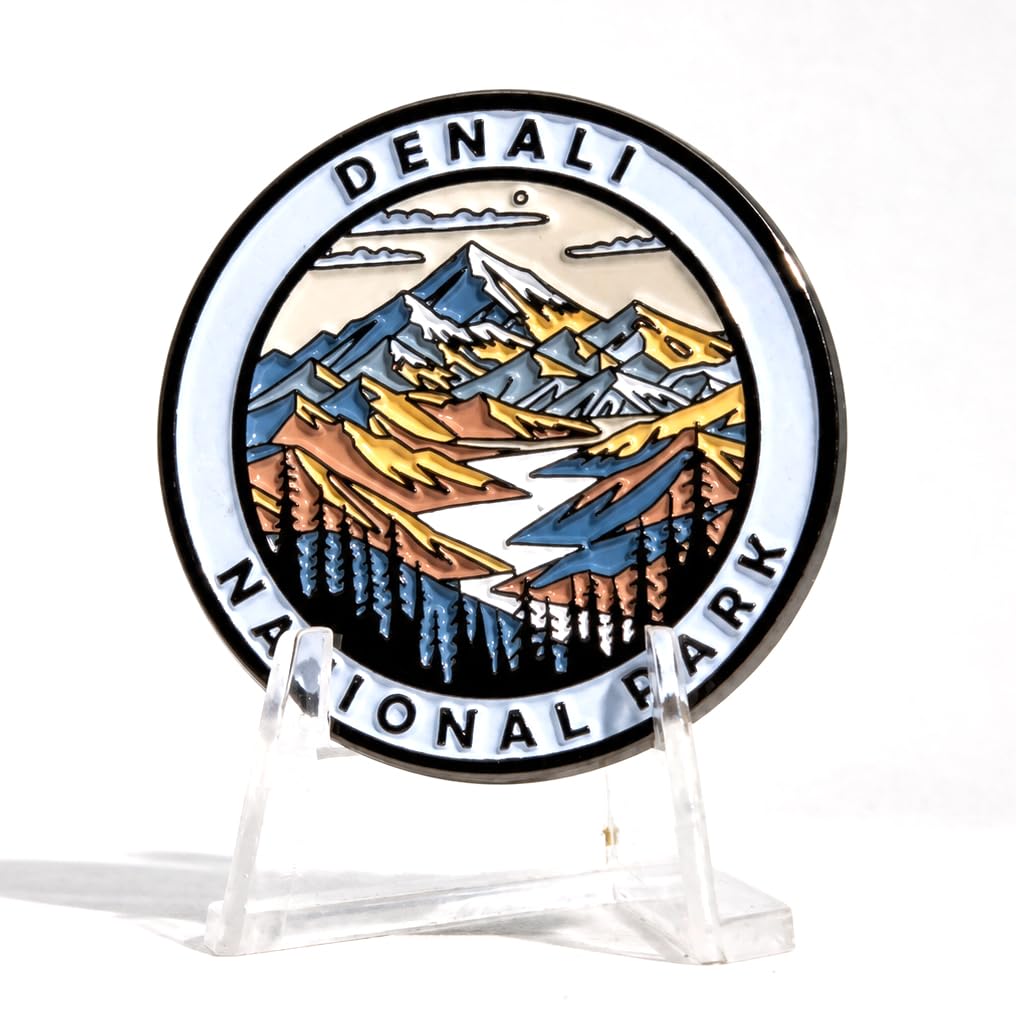
 Denali National Park
Magnet
 Denali National Park
Pin
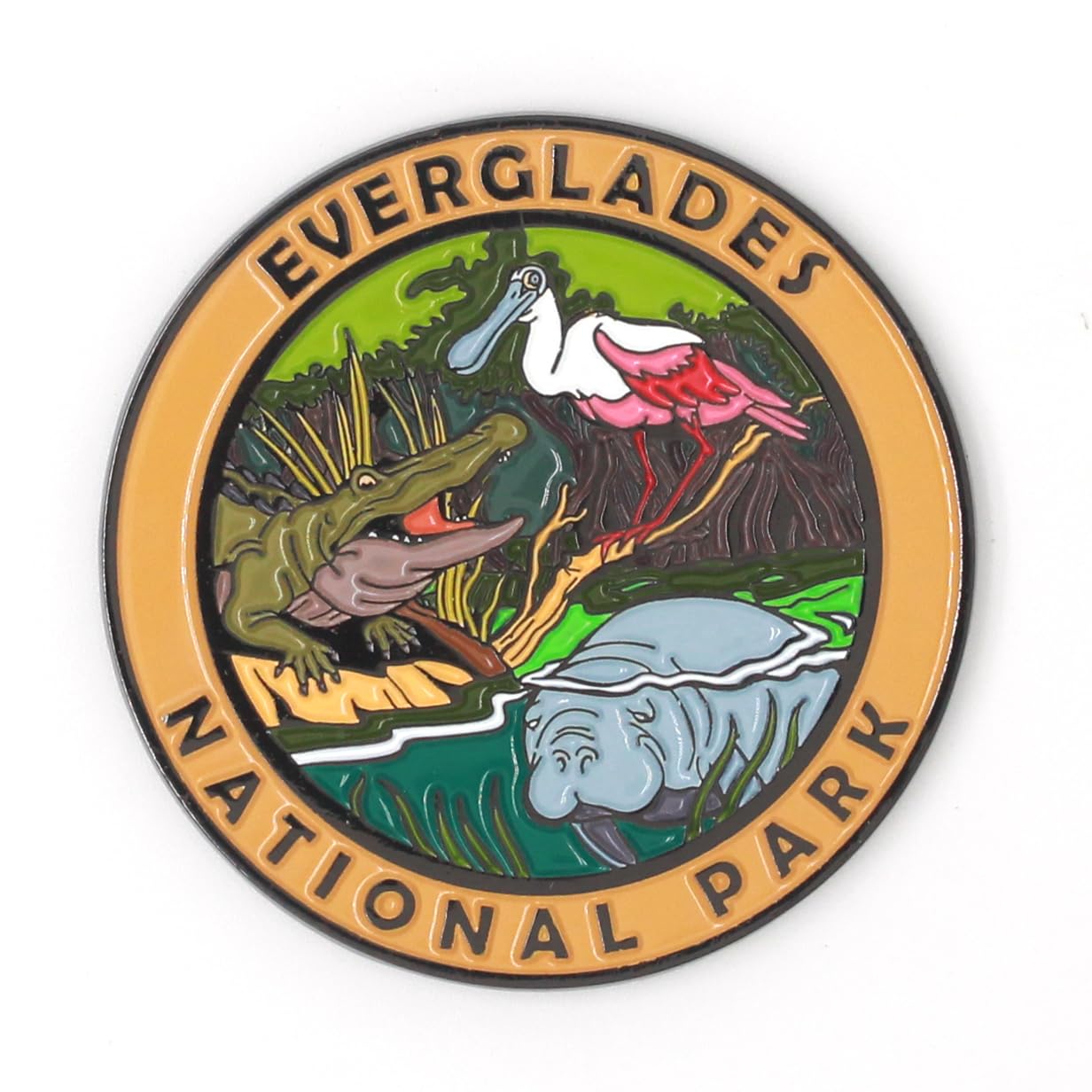 Everglades National Park
Magnet
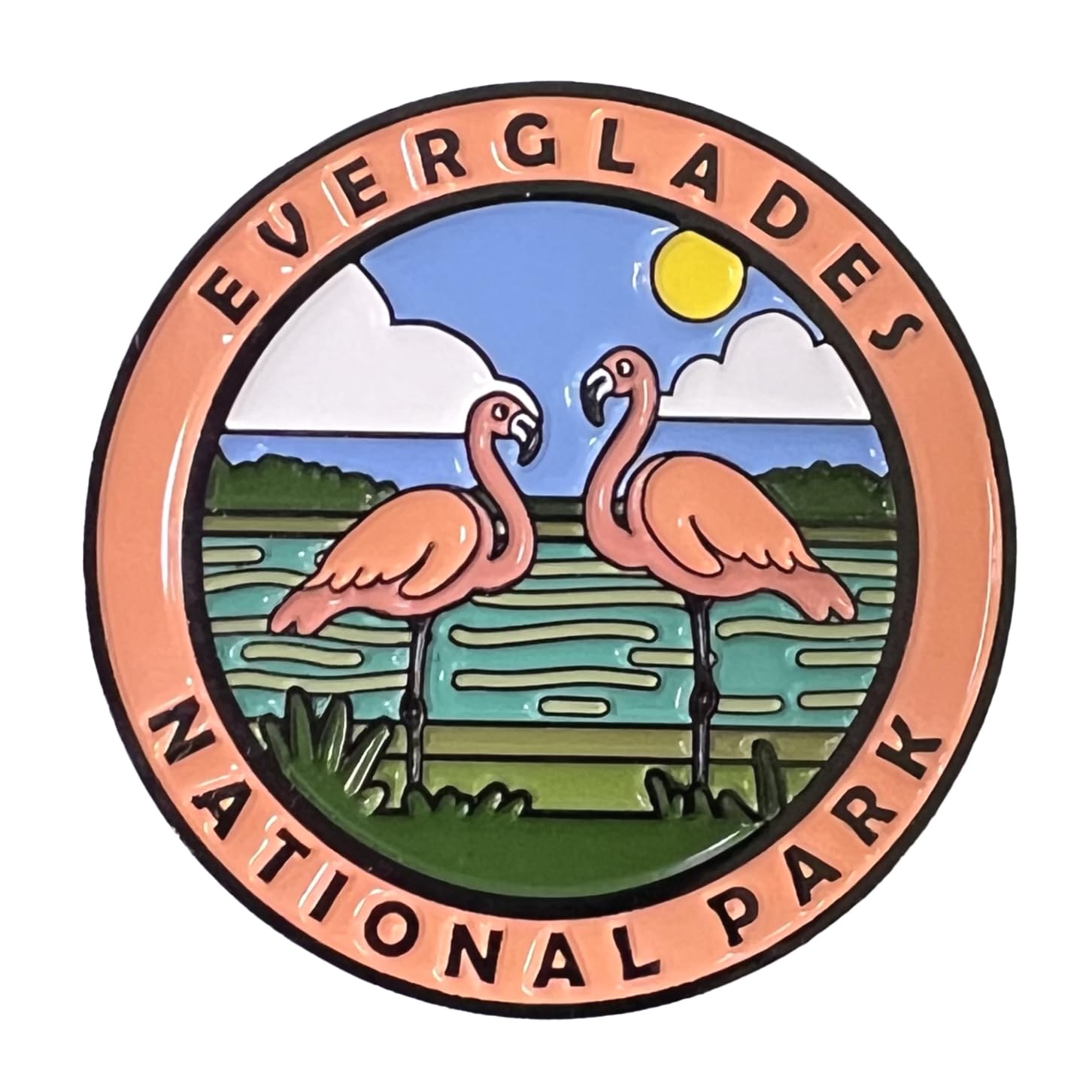 Everglades National Park
Magnet
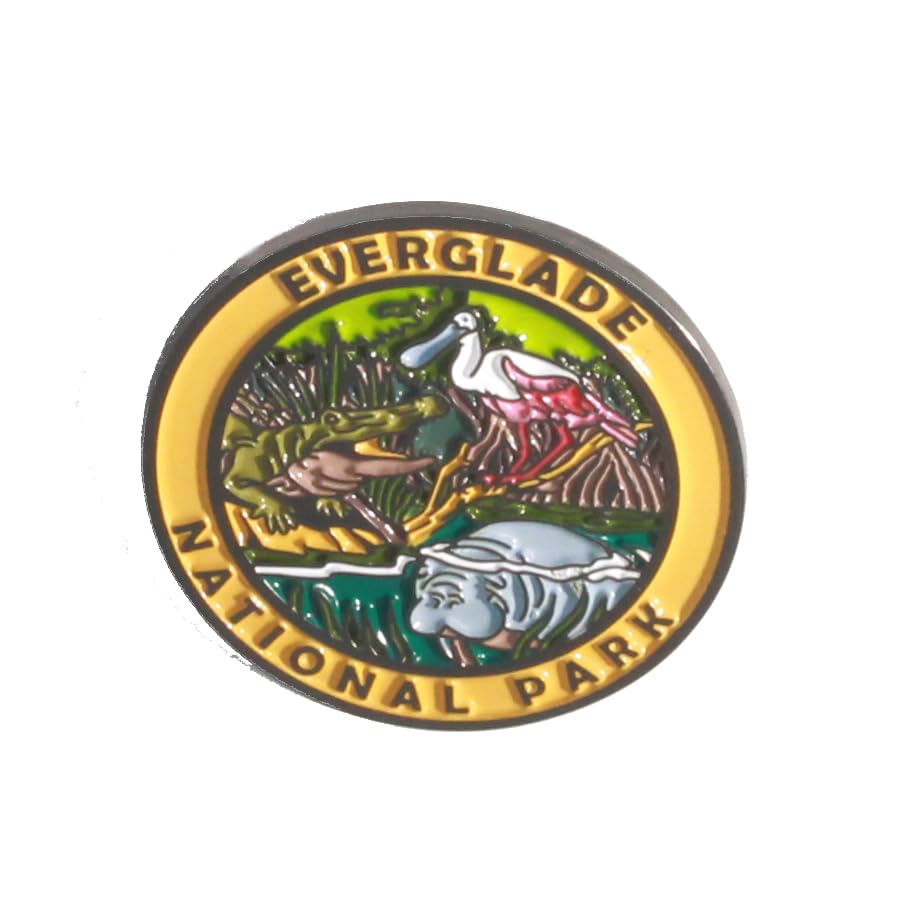 Everglades National Park
Pin
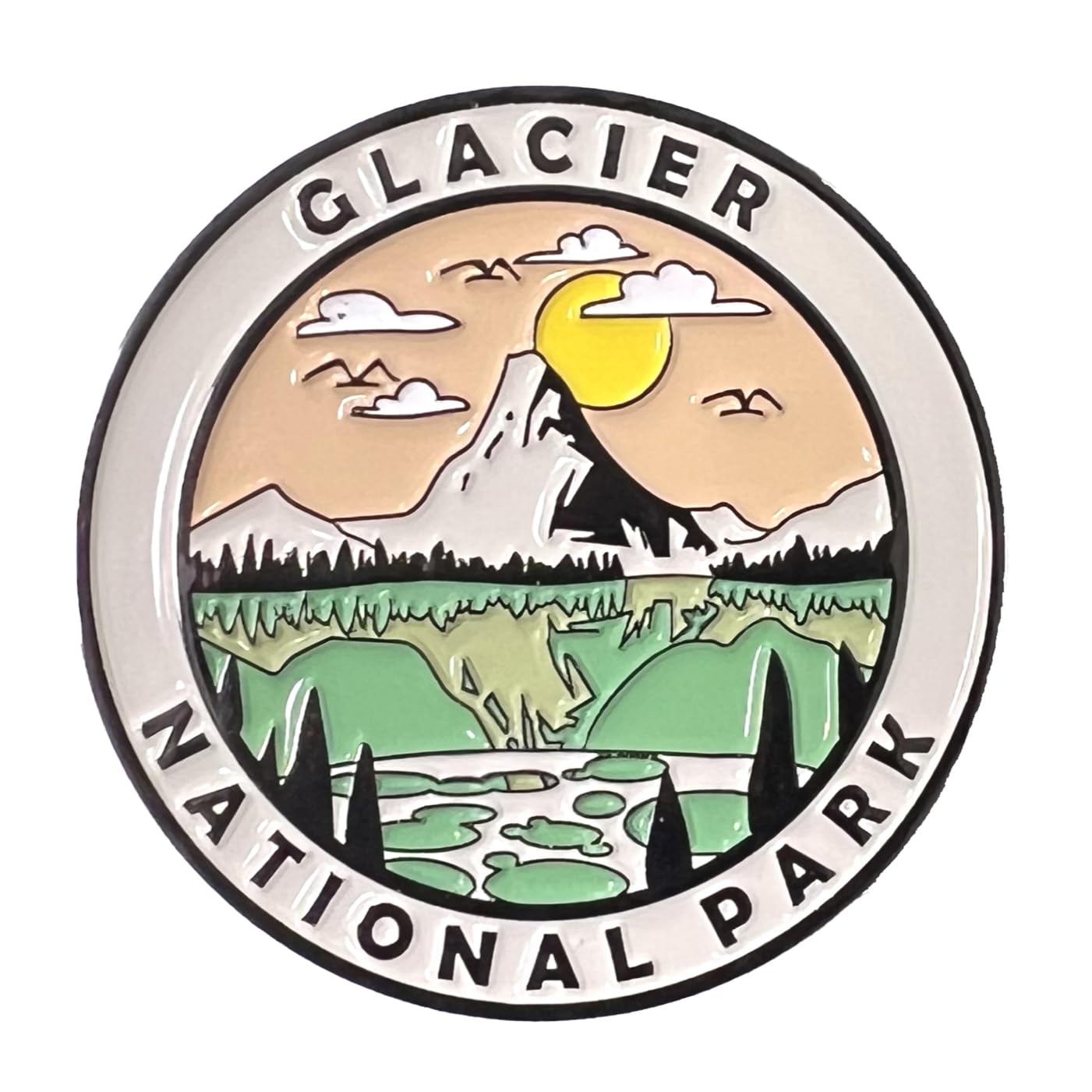 Glacier National Park
Magnet
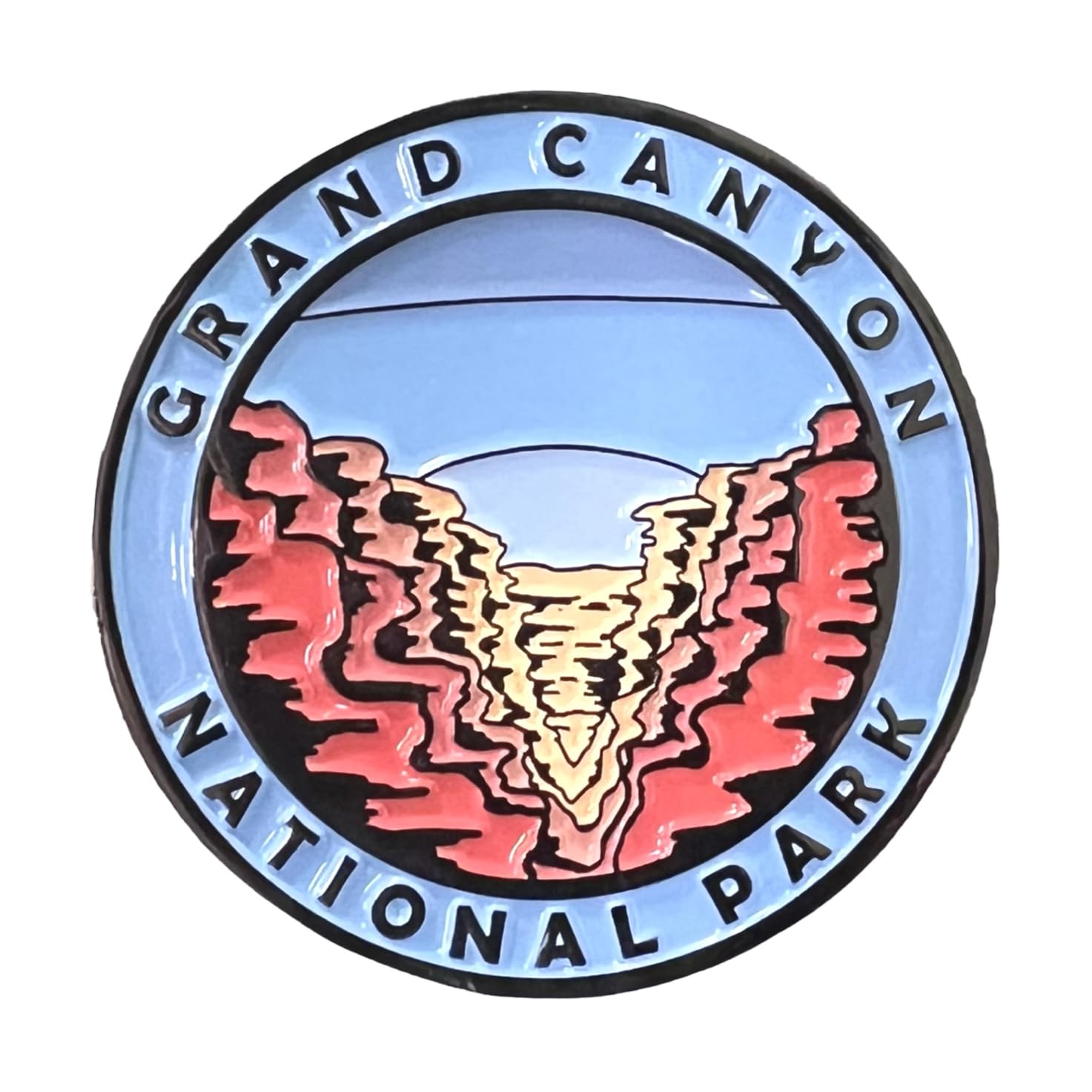 Grand Canyon National Park
Magnet
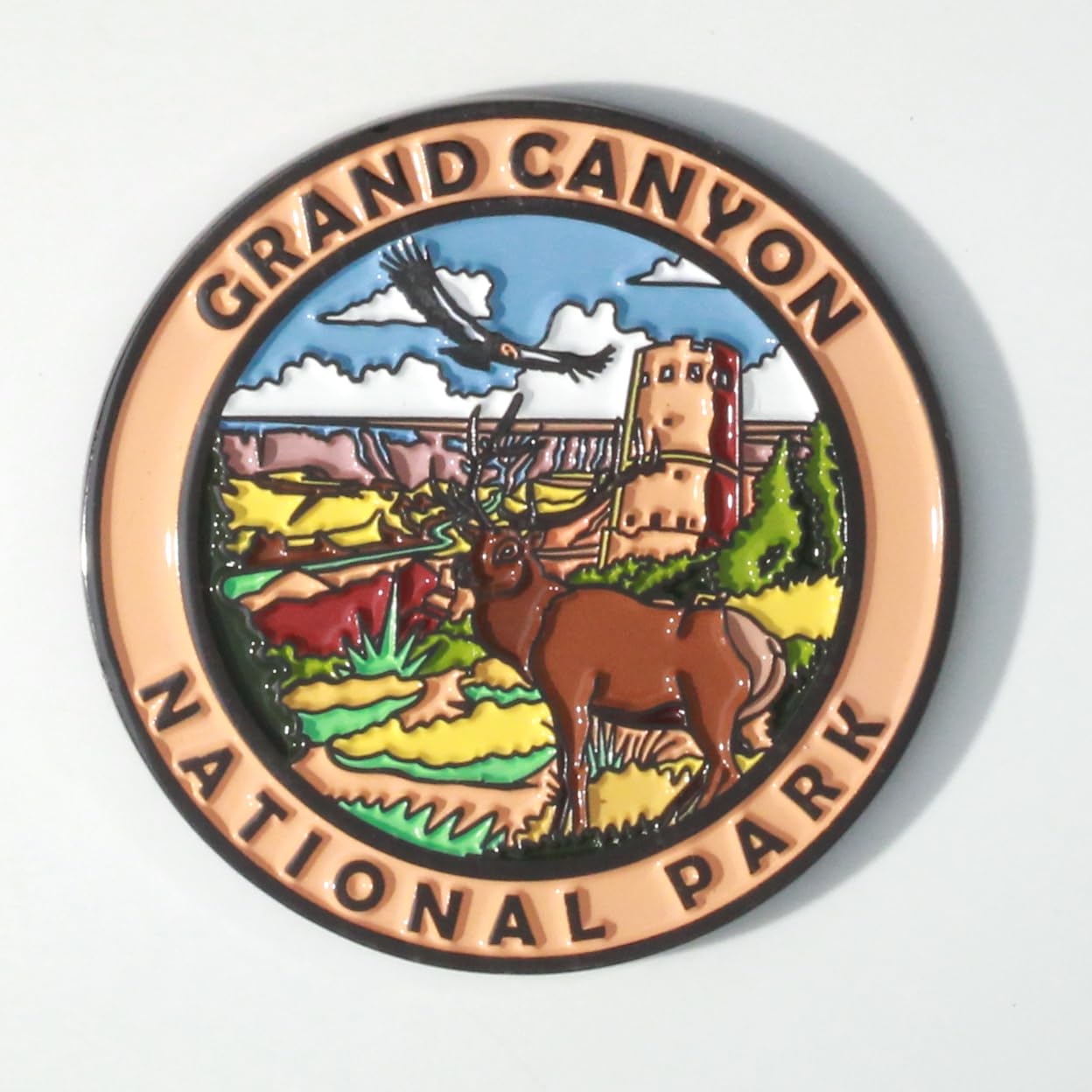 Grand Canyon National Park
Magnet
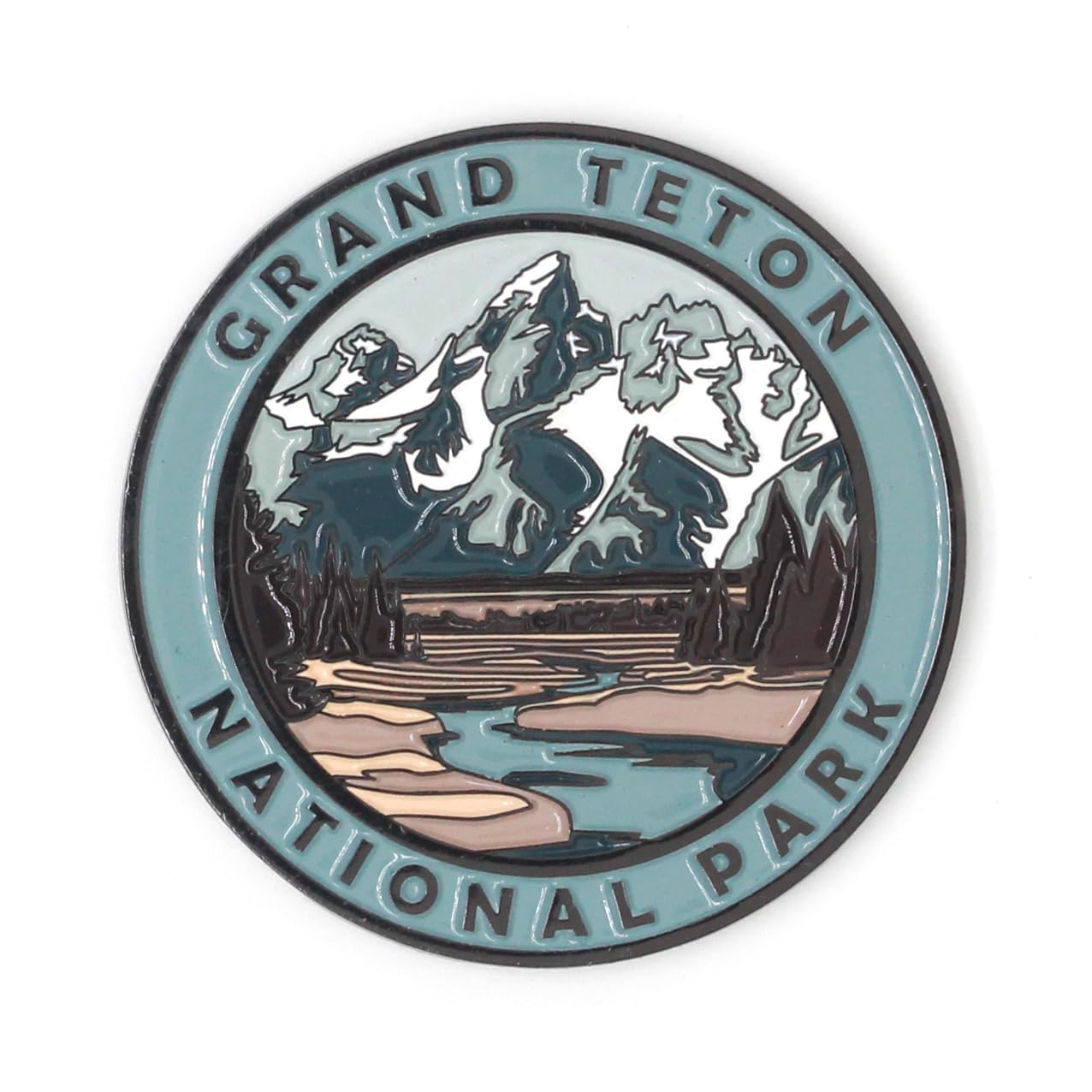 Grand Teton National Park
Magnet
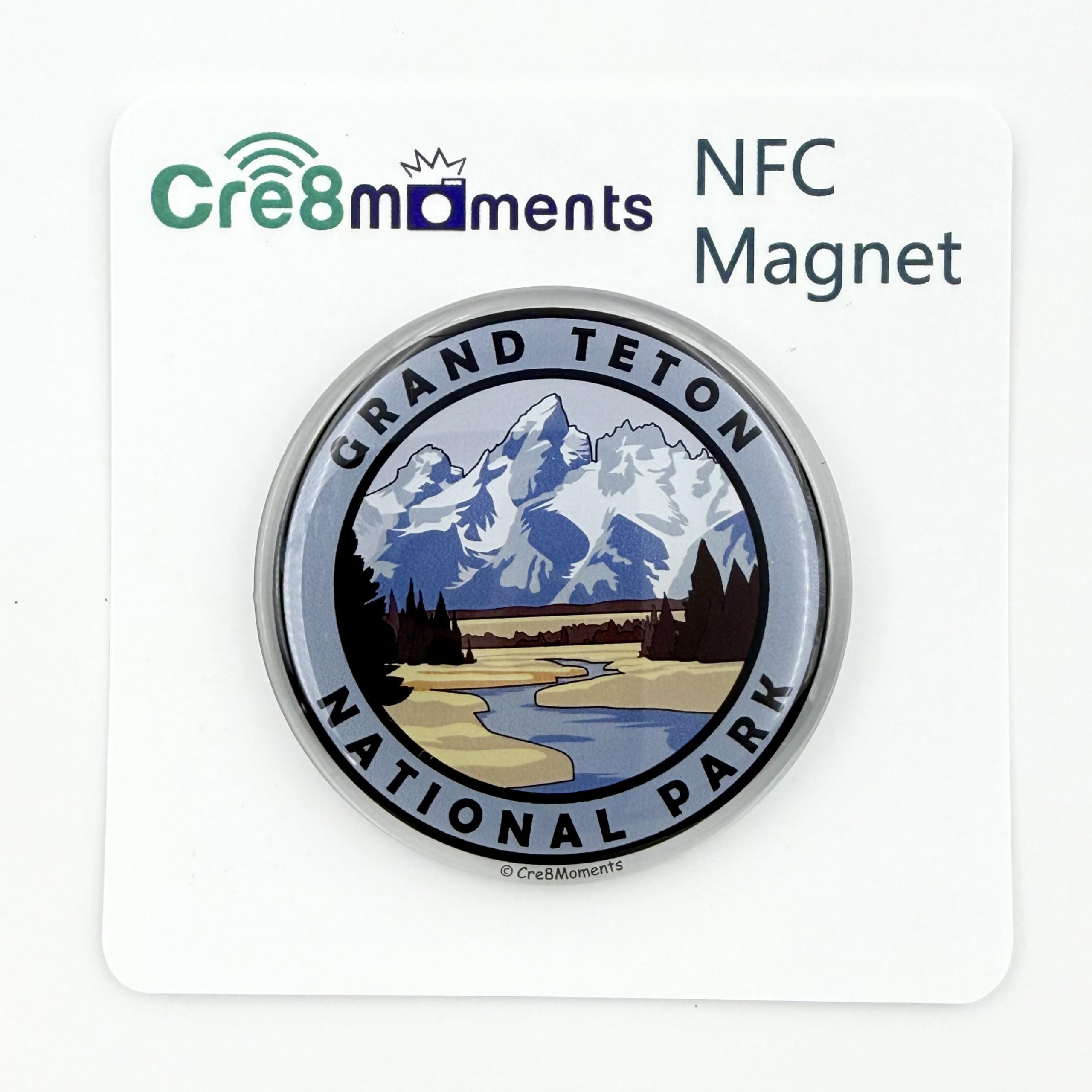 Grand Teton National Park
NFC Magnet
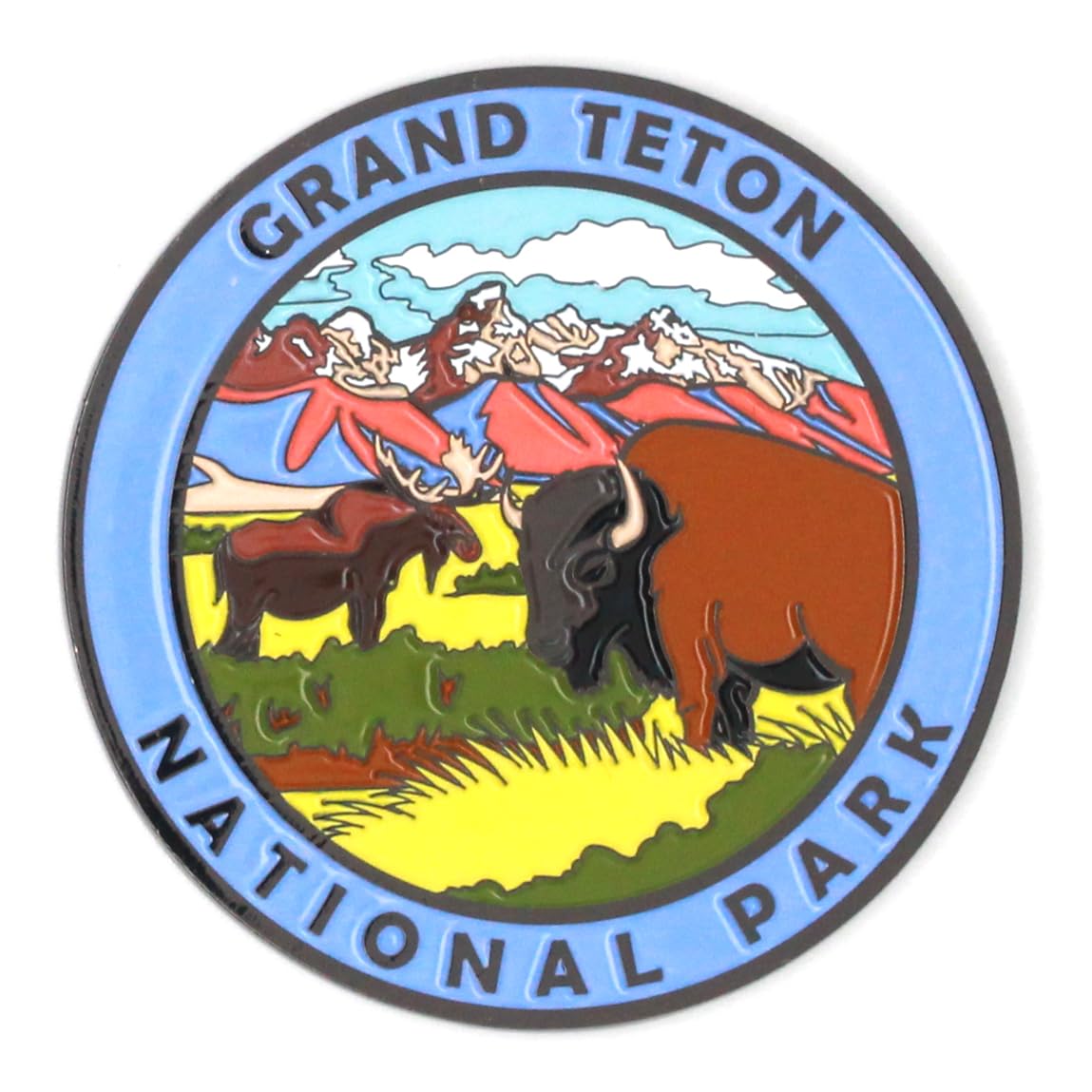 Grand Teton National Park
Magnet
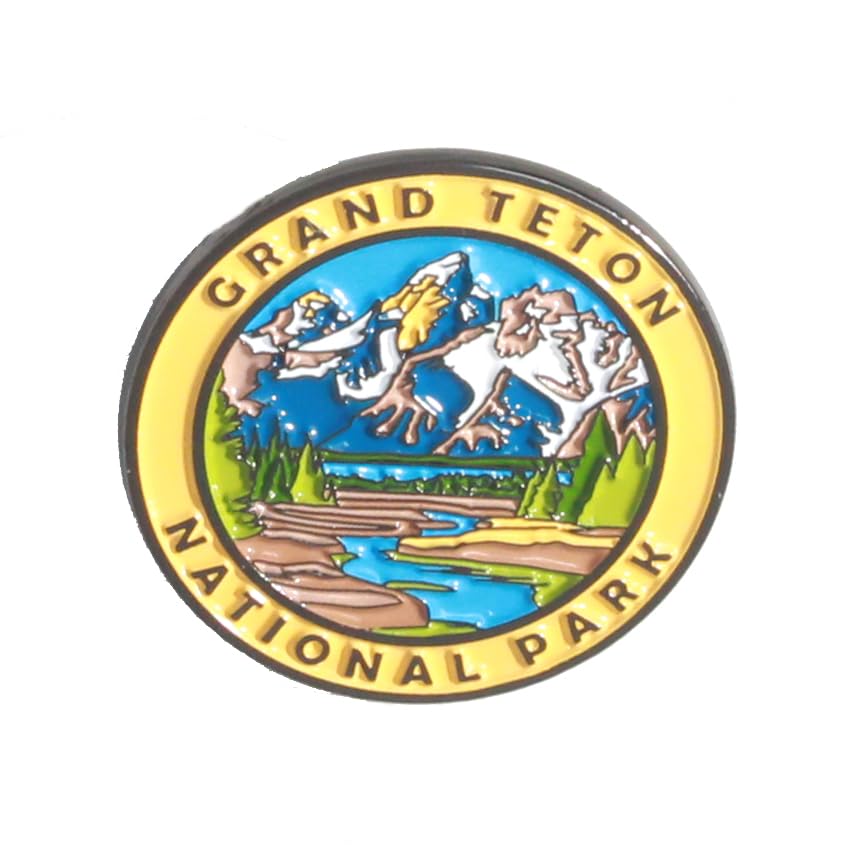 Grand Teton National Park
Pin
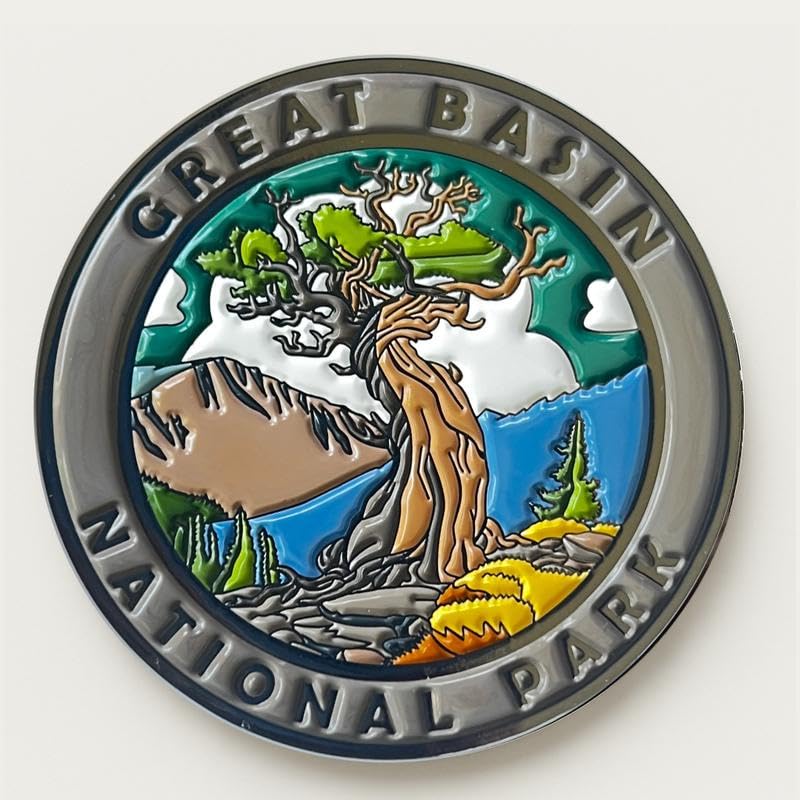 Great Basin National Park
Magnet
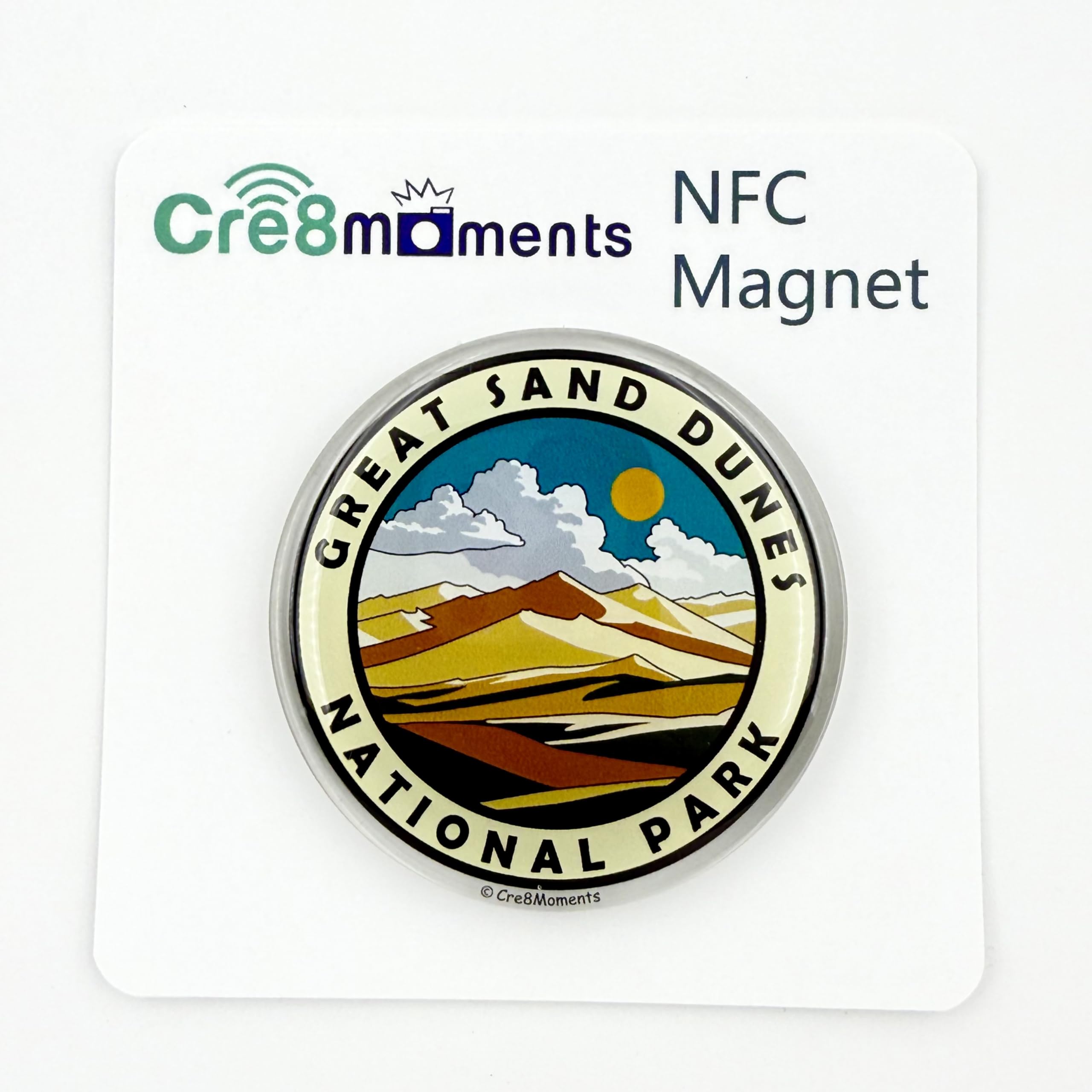 Great Sand Dunes National Park
NFC Magnet
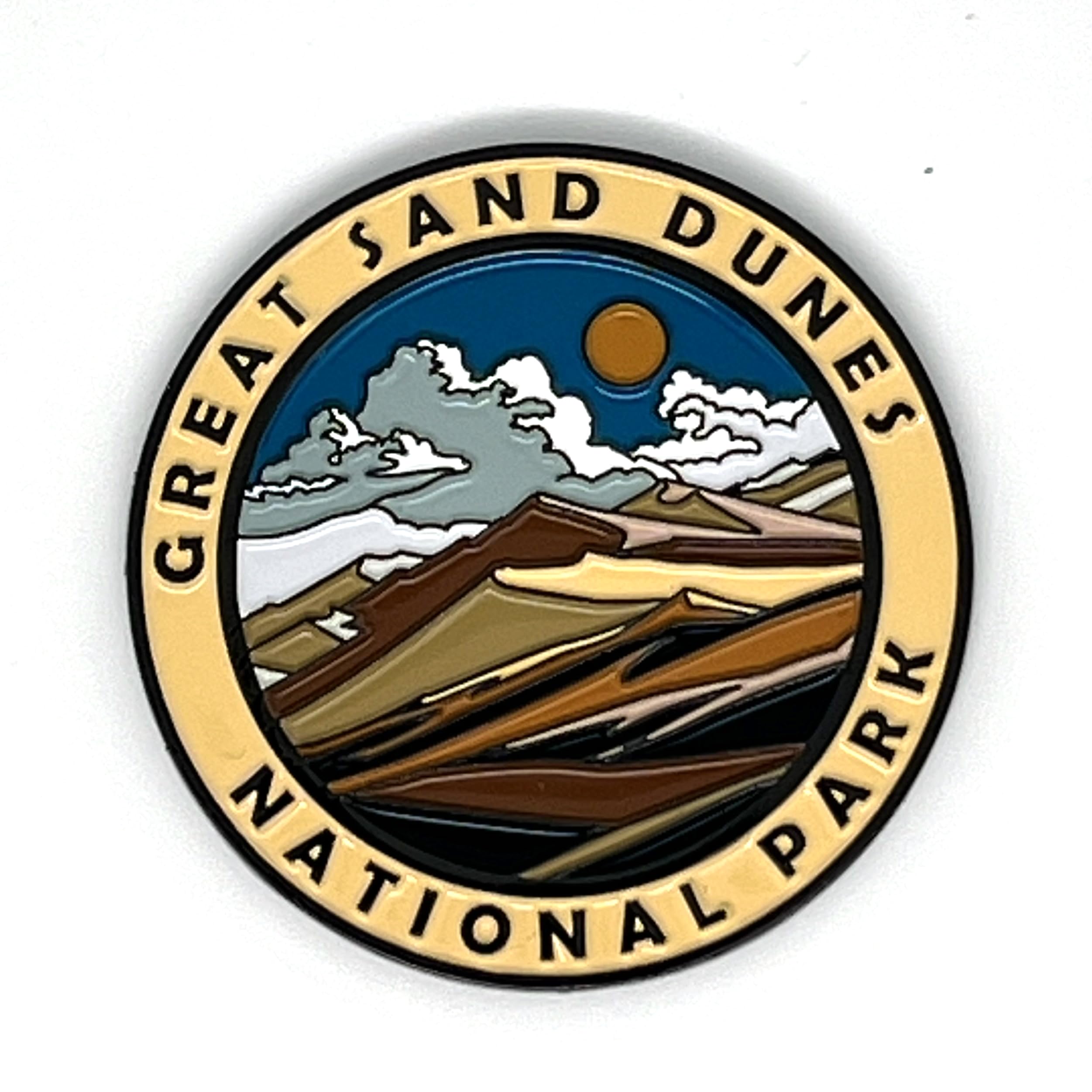 Great Sand Dunes National Park
Magnet
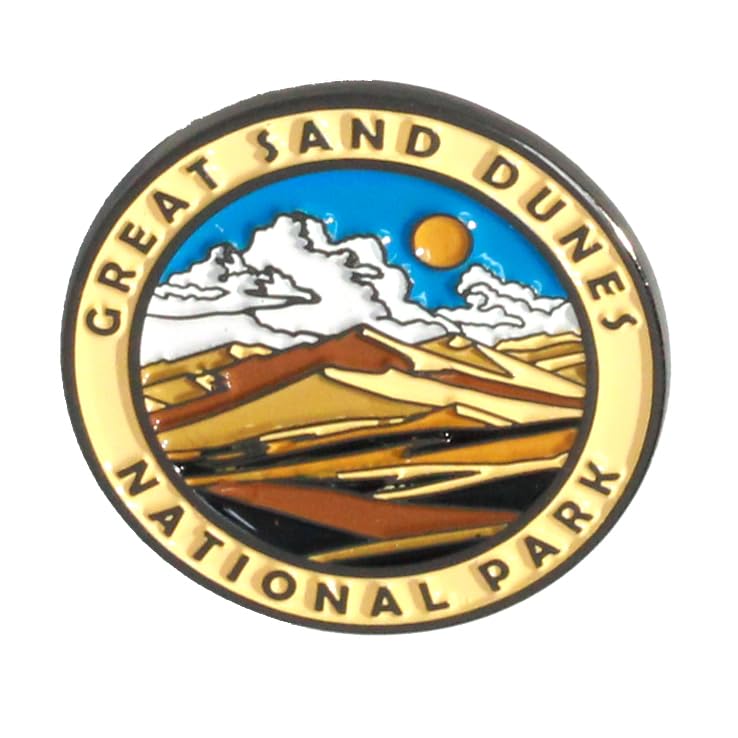 Great Sand Dunes National Park
Pin
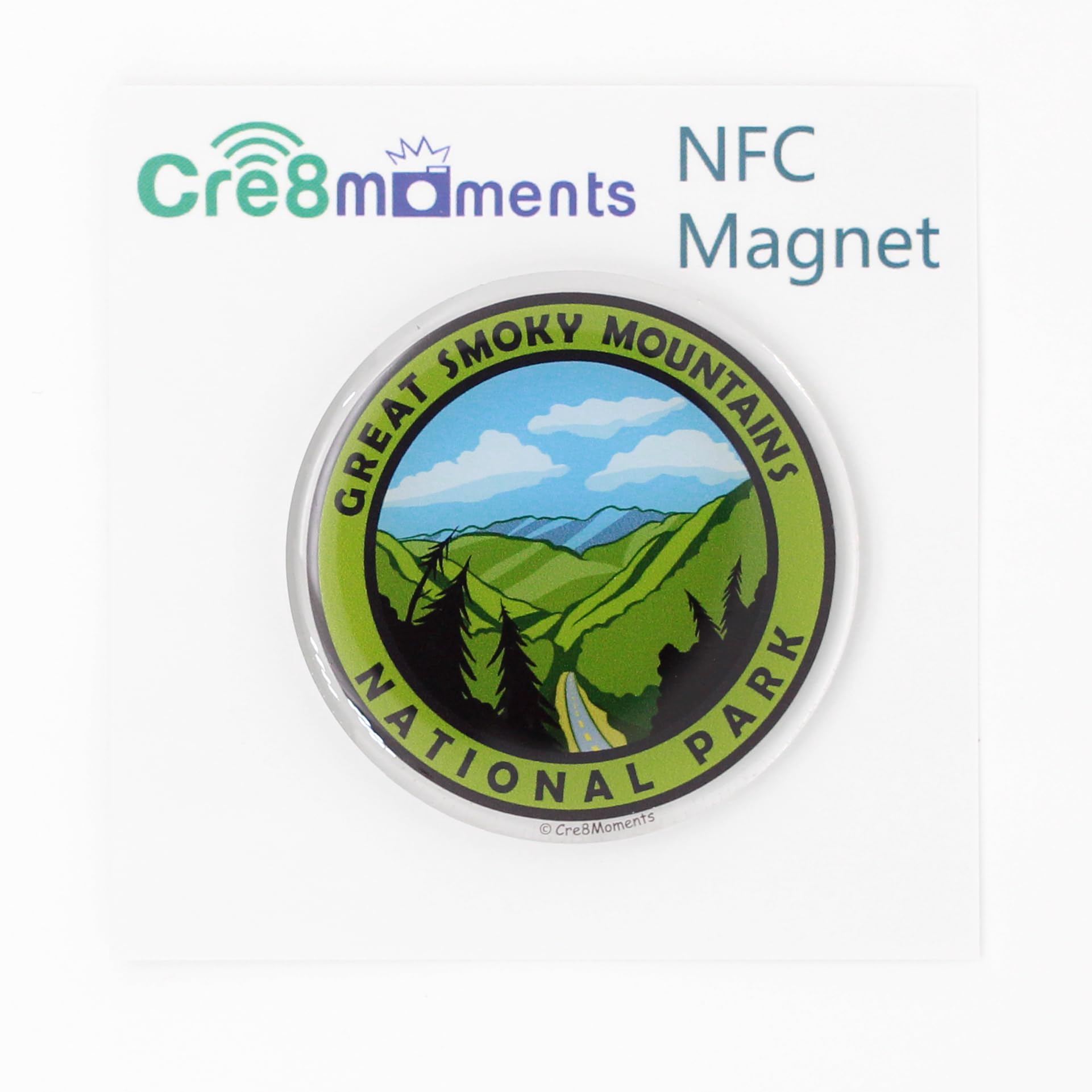 Great Smoky Mountains National Park
NFC Magnet
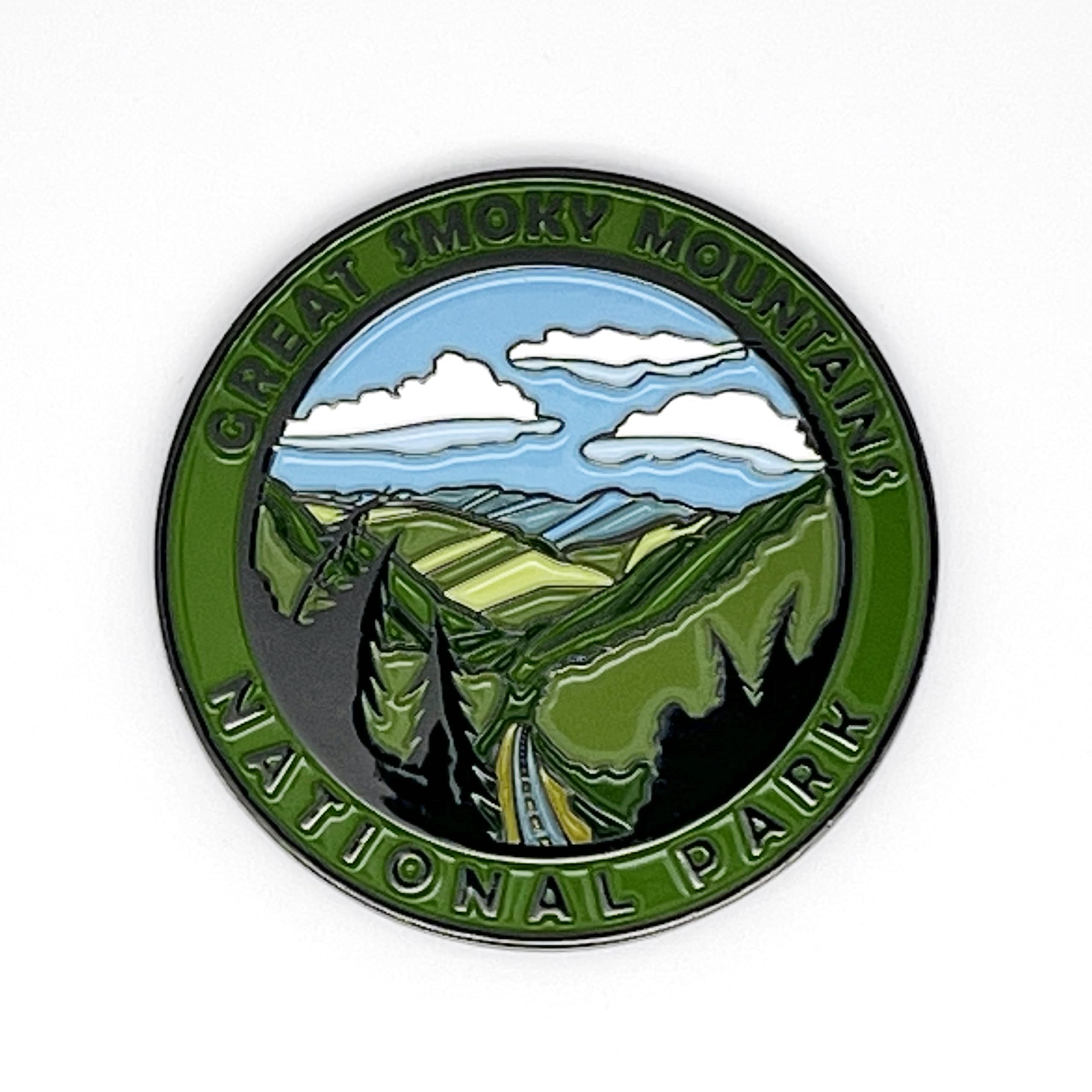 Great Smoky Mountains National Park
Magnet
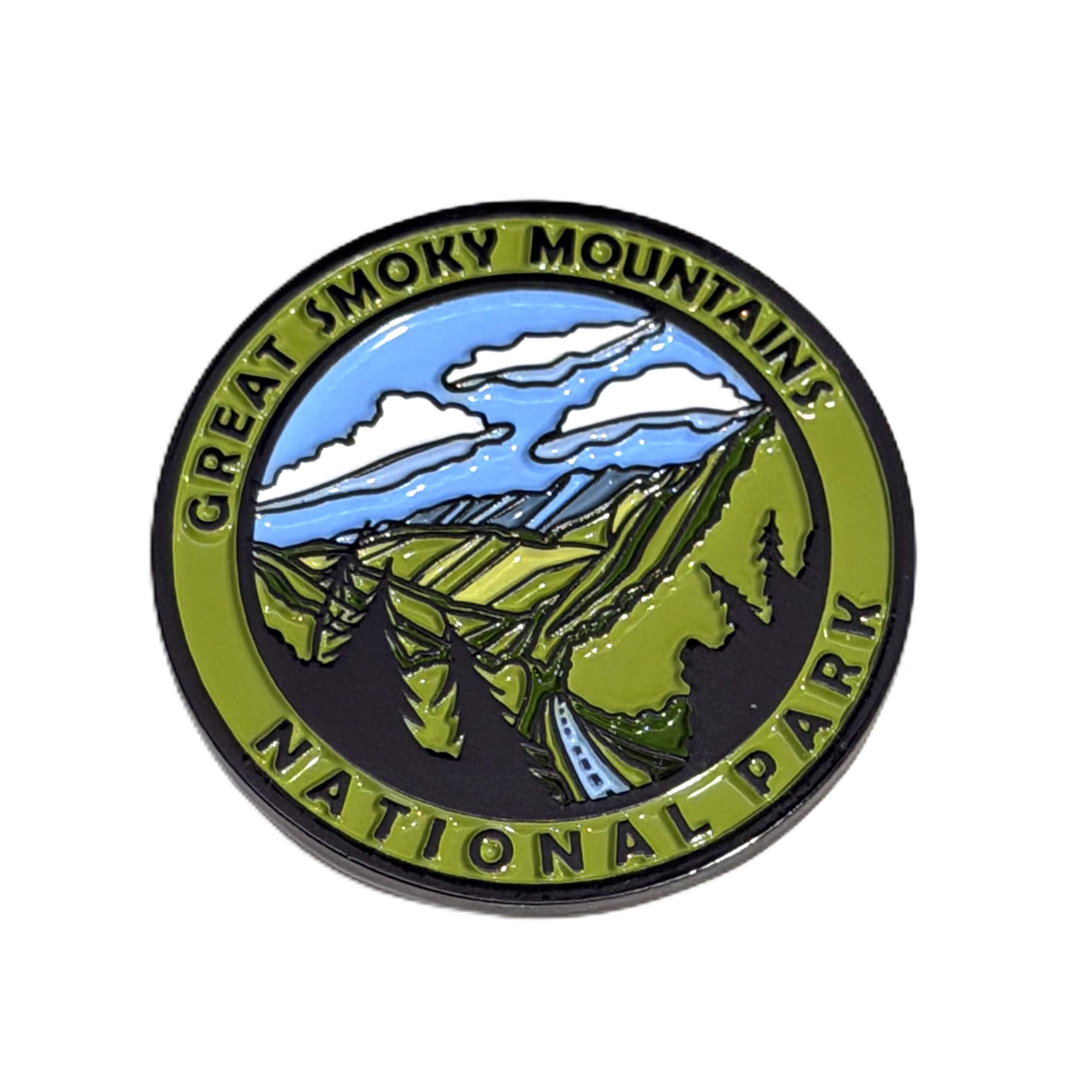 Great Smoky Mountains National Park
Pin
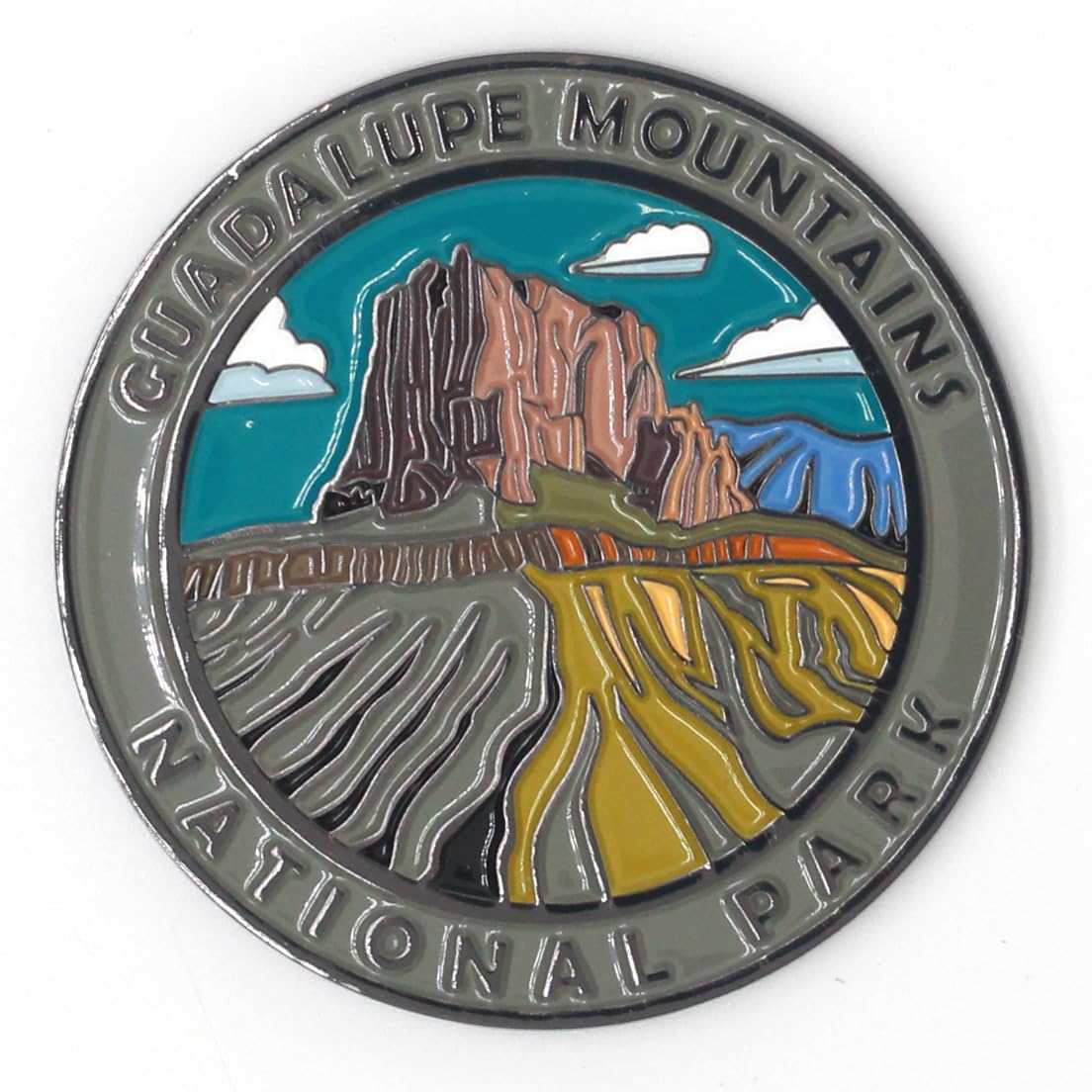 Guadalupe Mountains National Park
Magnet
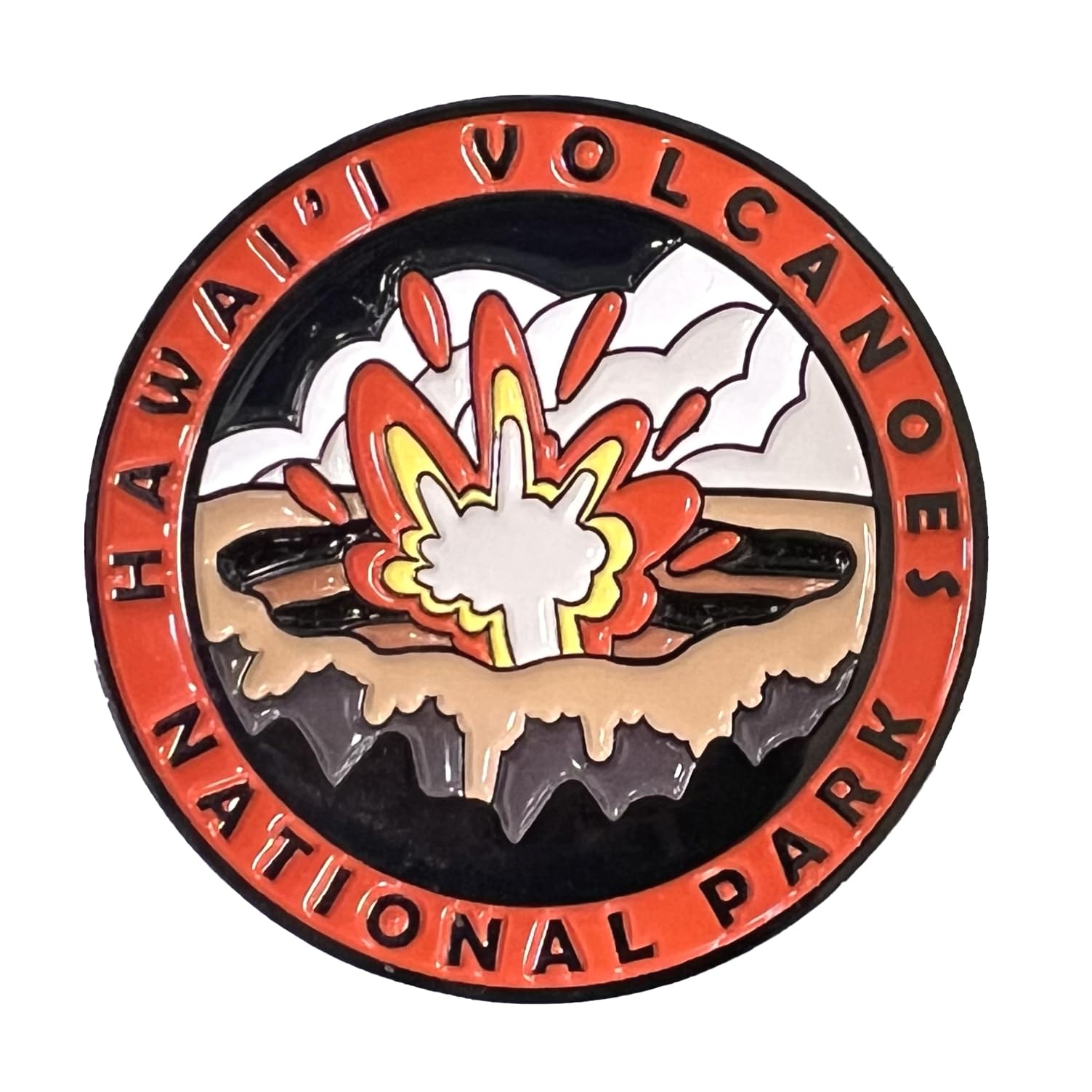 Hawaii Volcanoes National Park
Magnet
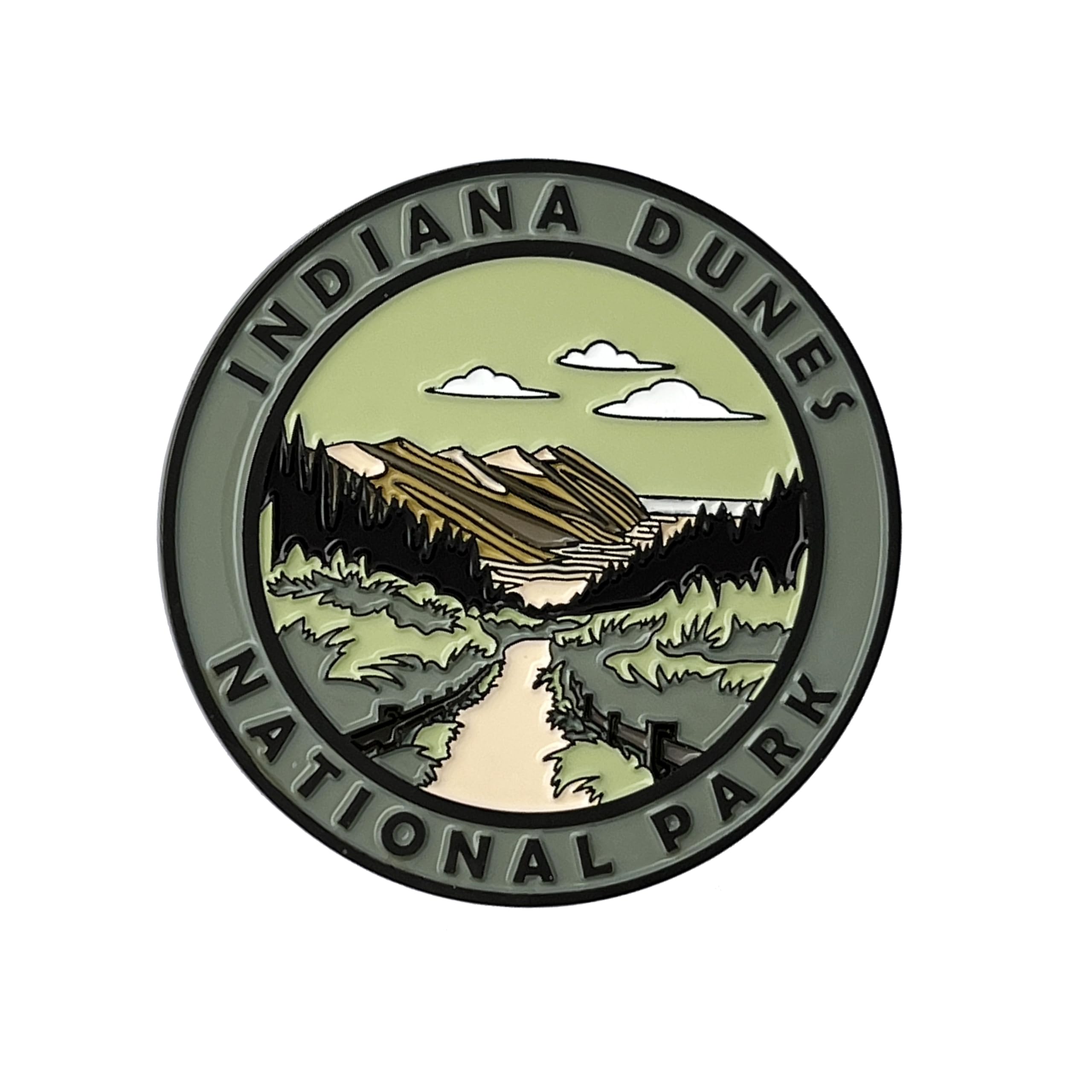 Indiana Dunes National Park
Magnet
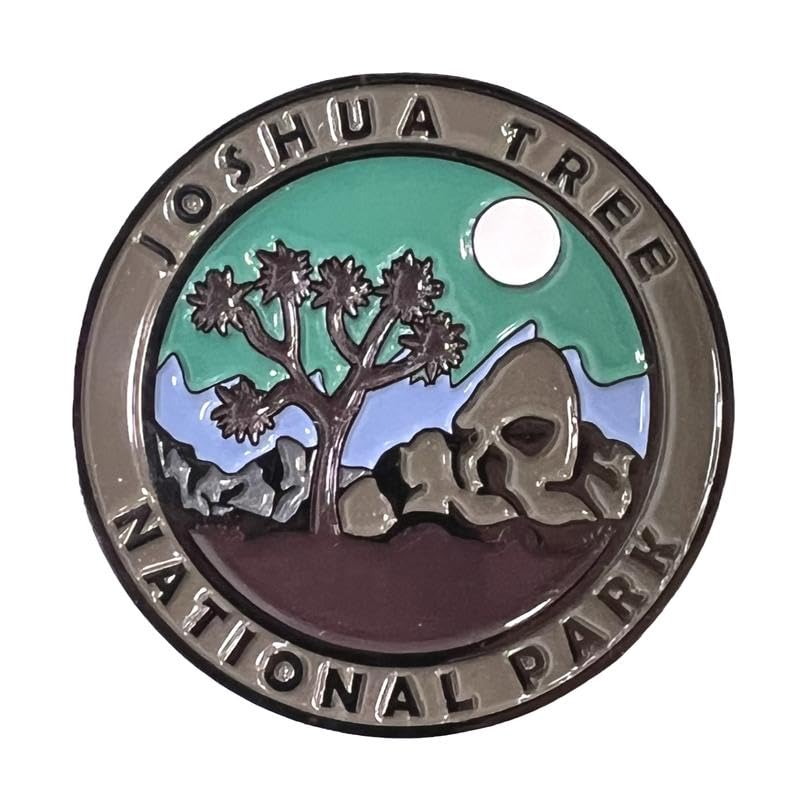 Joshua Tree National Park
Magnet
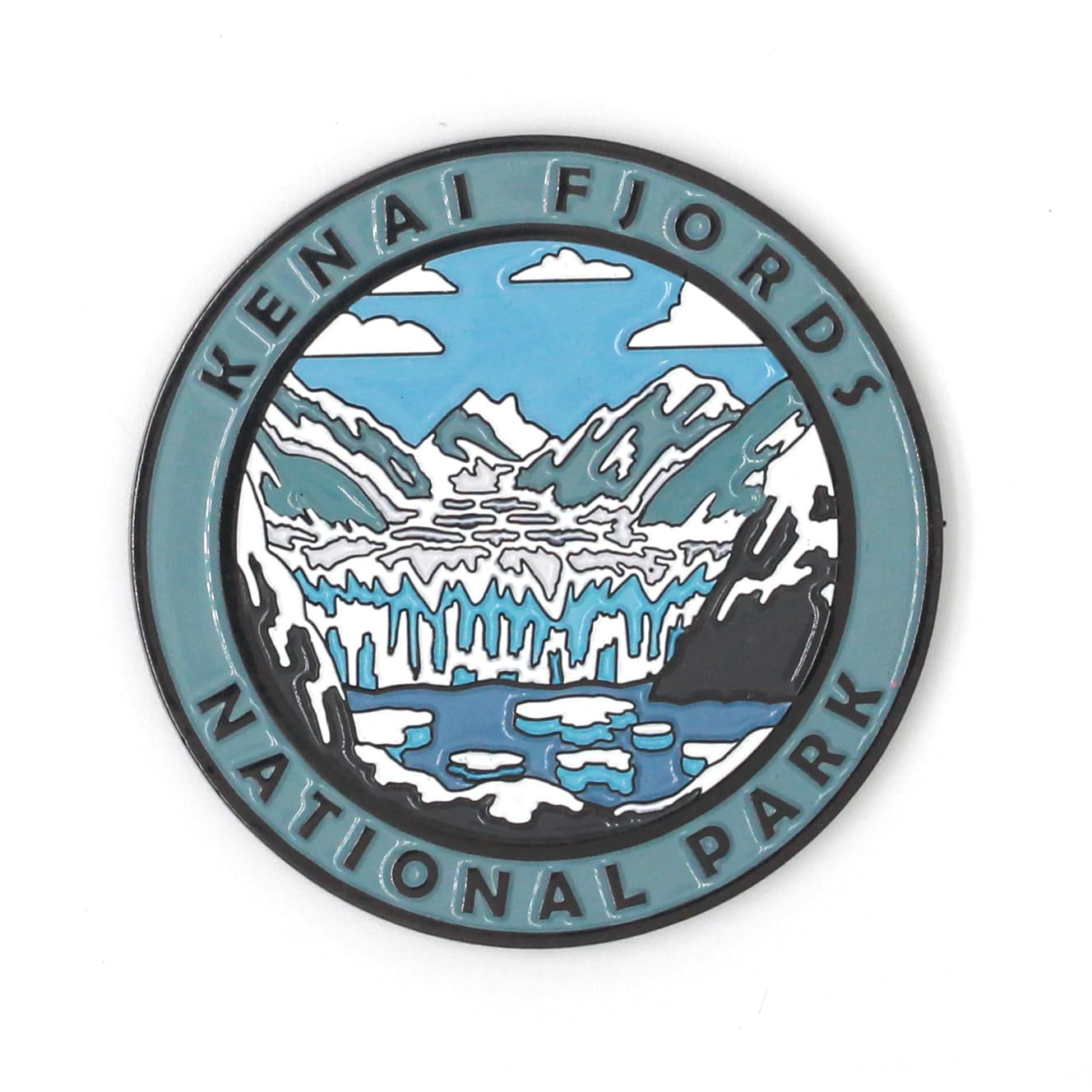 Kenai Fjords National Park
Magnet
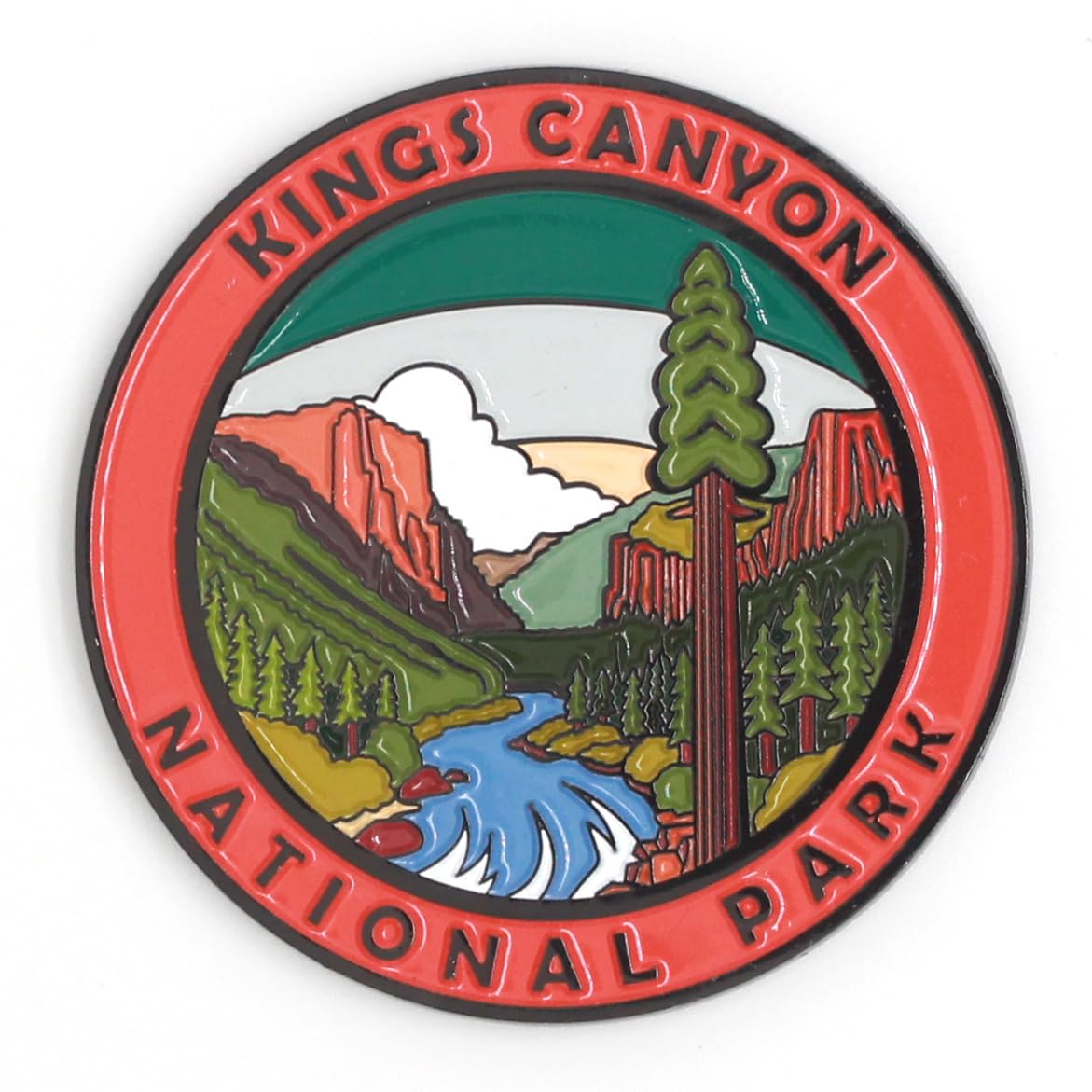 Kings Canyon National Park
Magnet
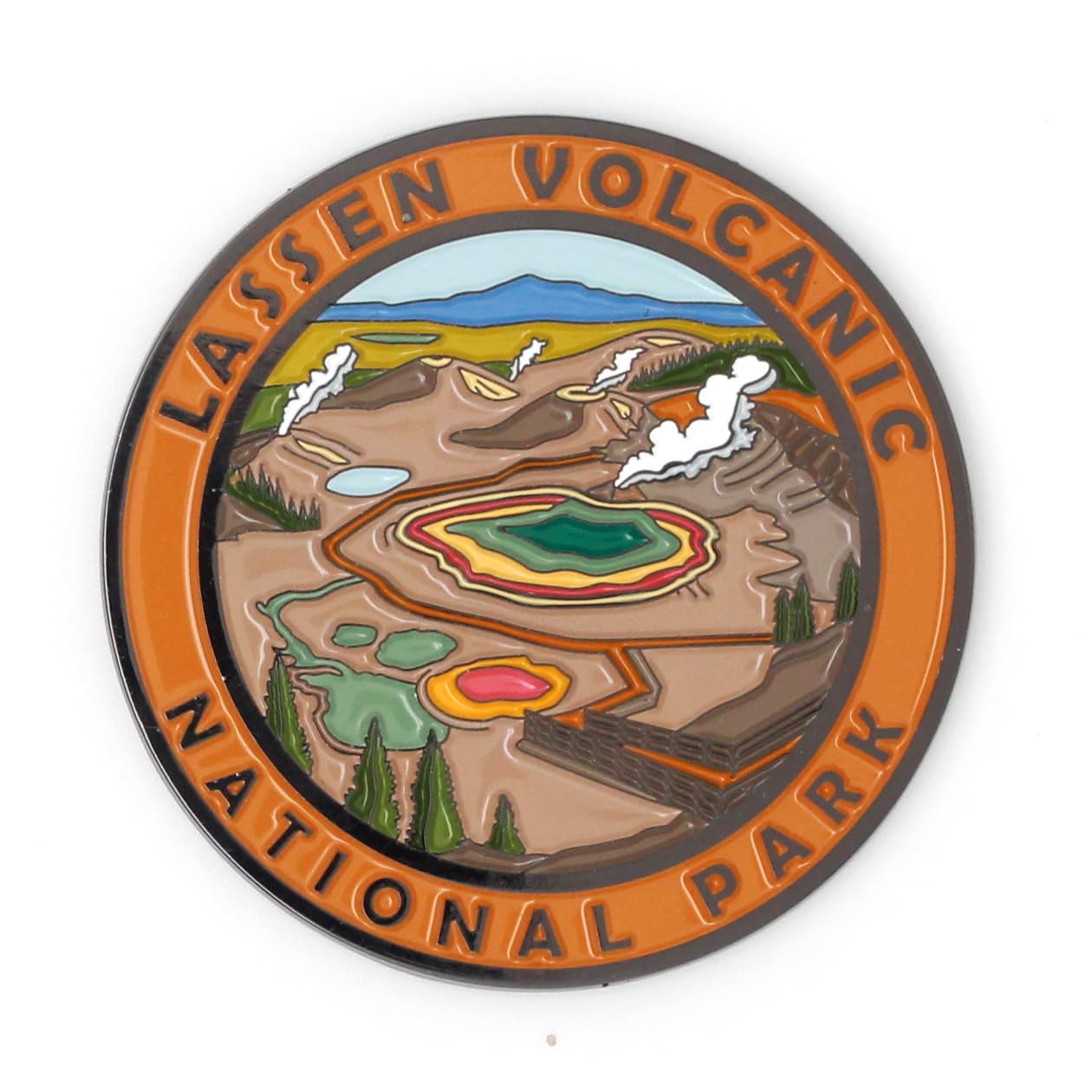 Lassen Volcanic National Park
Magnet
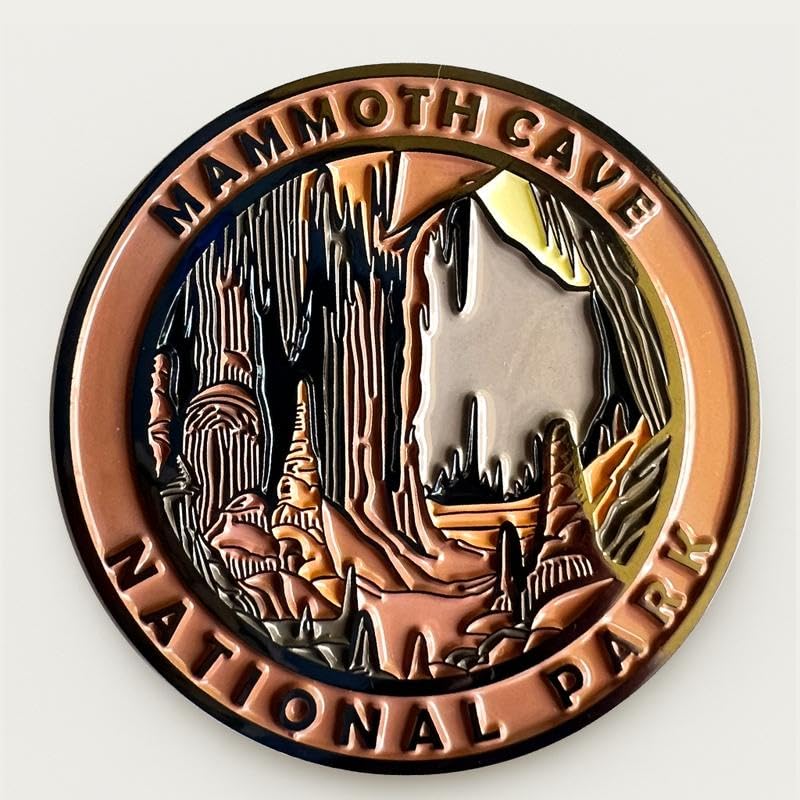 Mammoth Cave National Park
Magnet
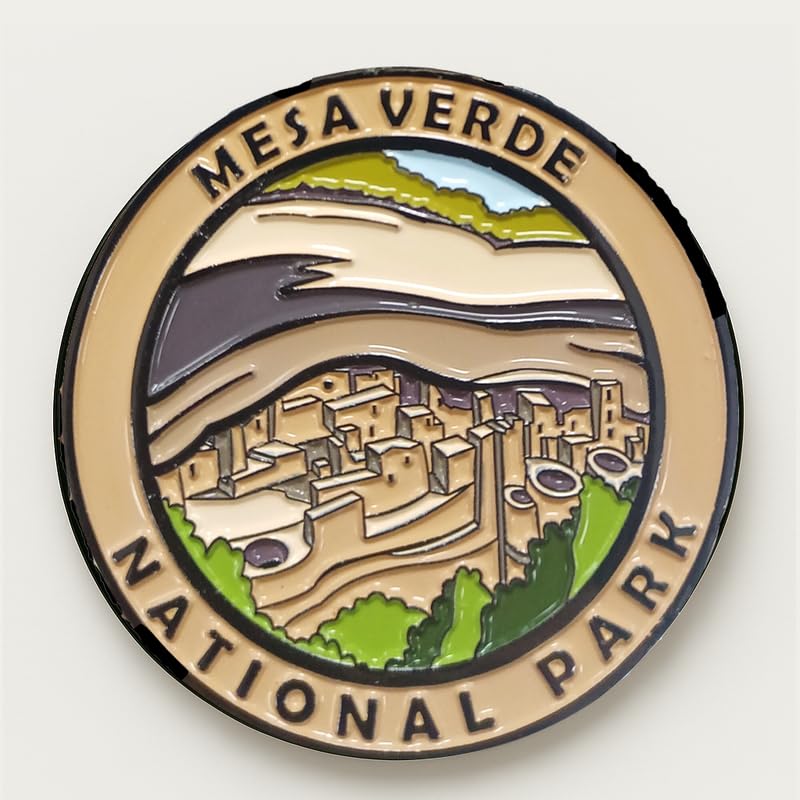 Mesa Verde National Park
Magnet
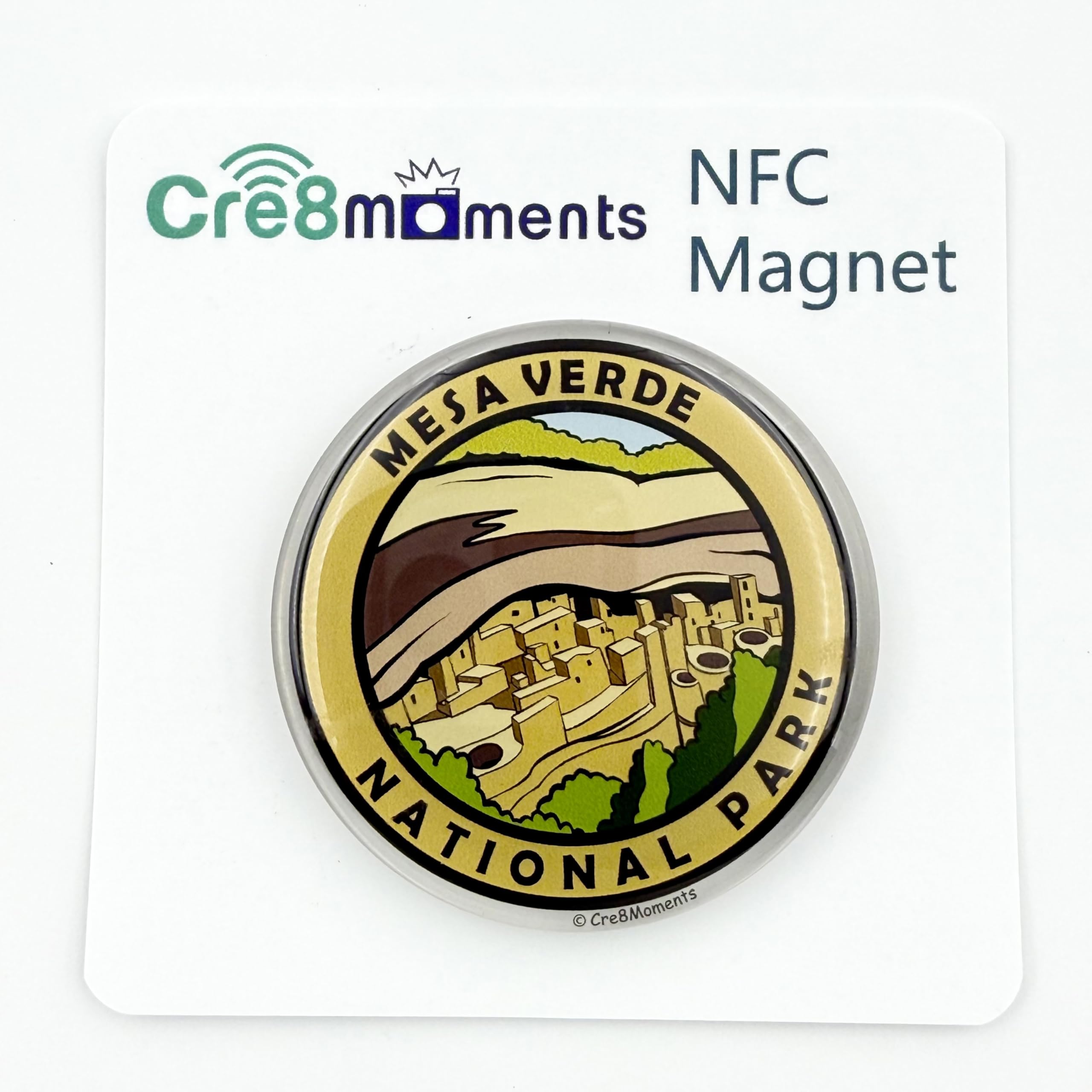 Mesa Verde National Park
NFC Magnet
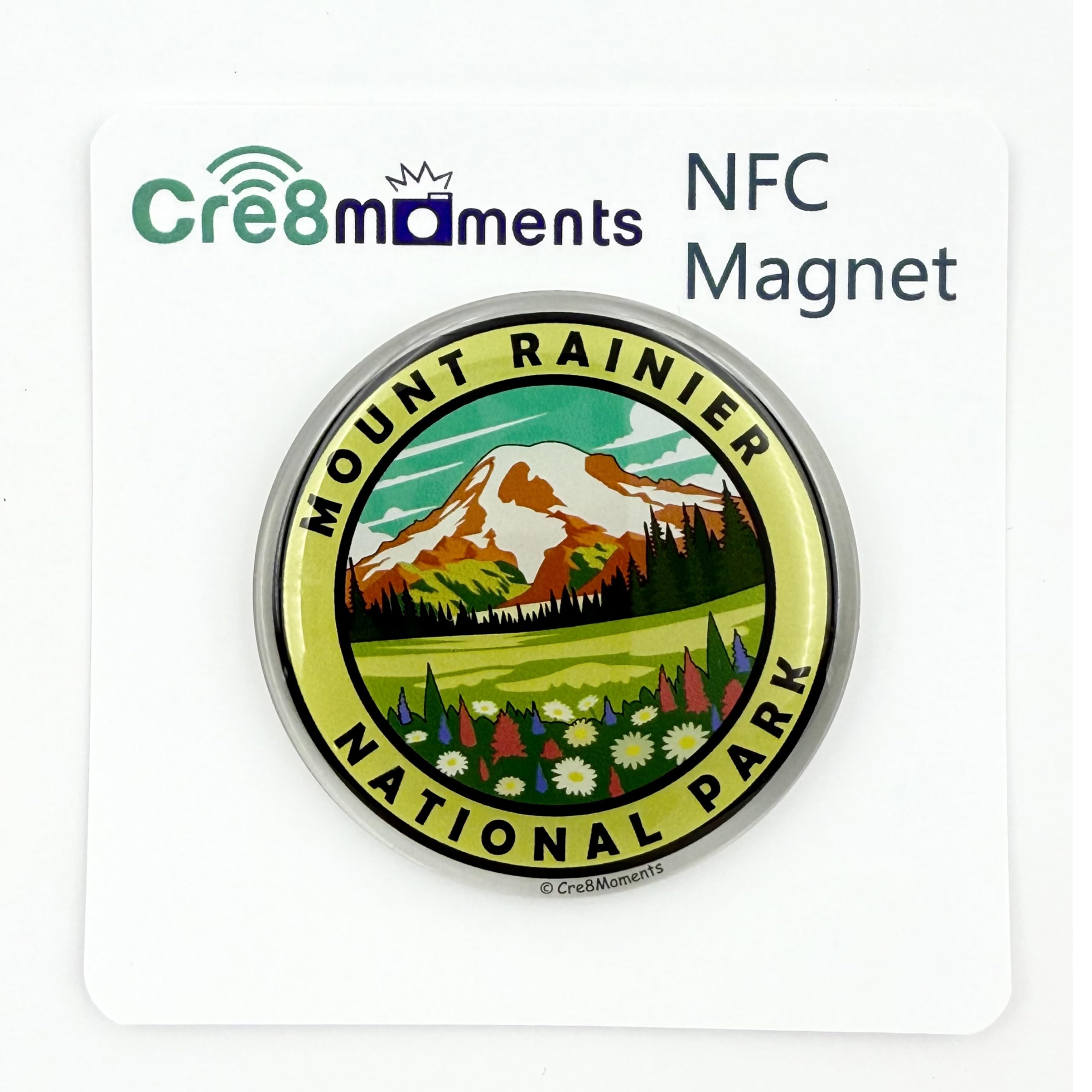 Mount Rainier National Park
NFC Magnet
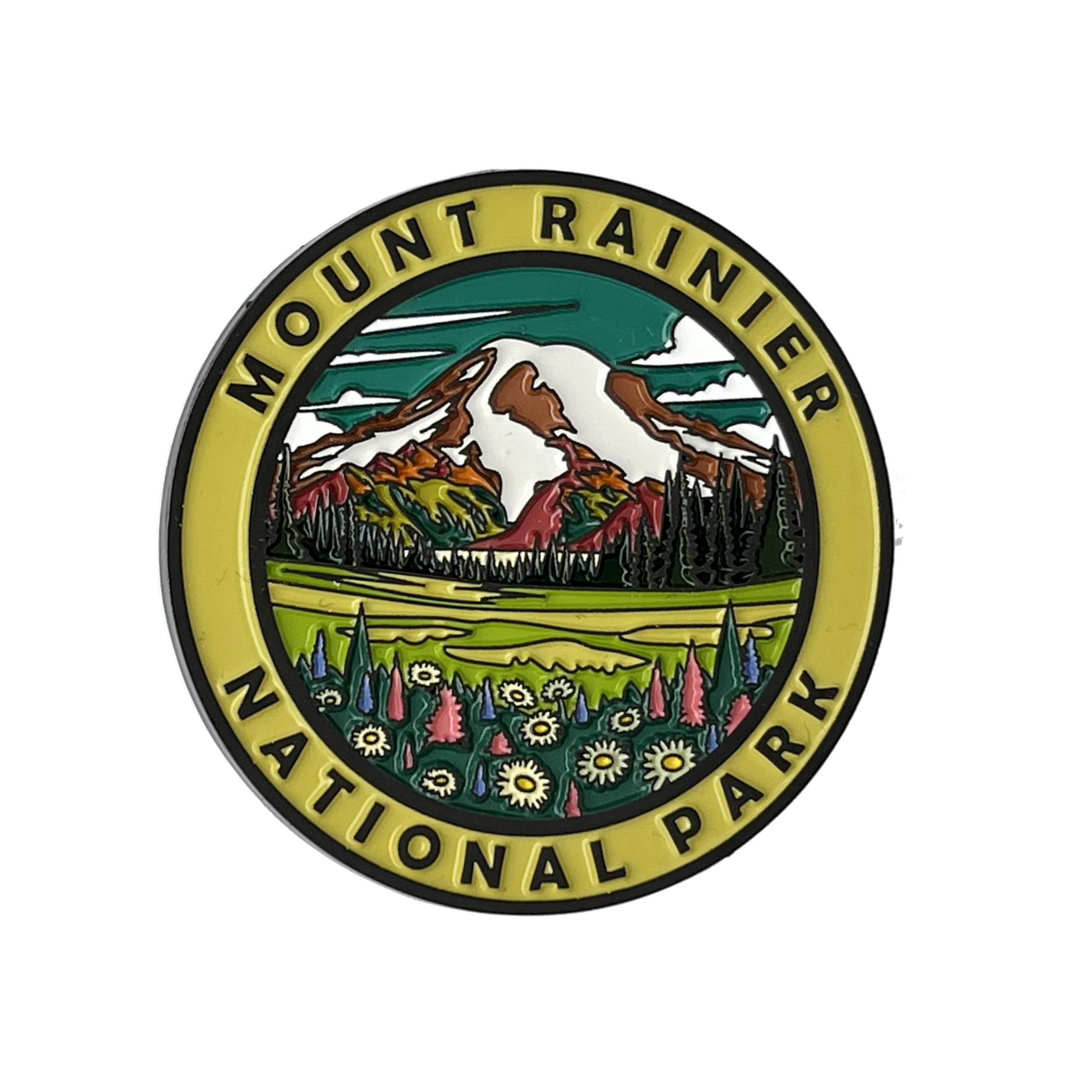 Mount Rainier National Park
Magnet
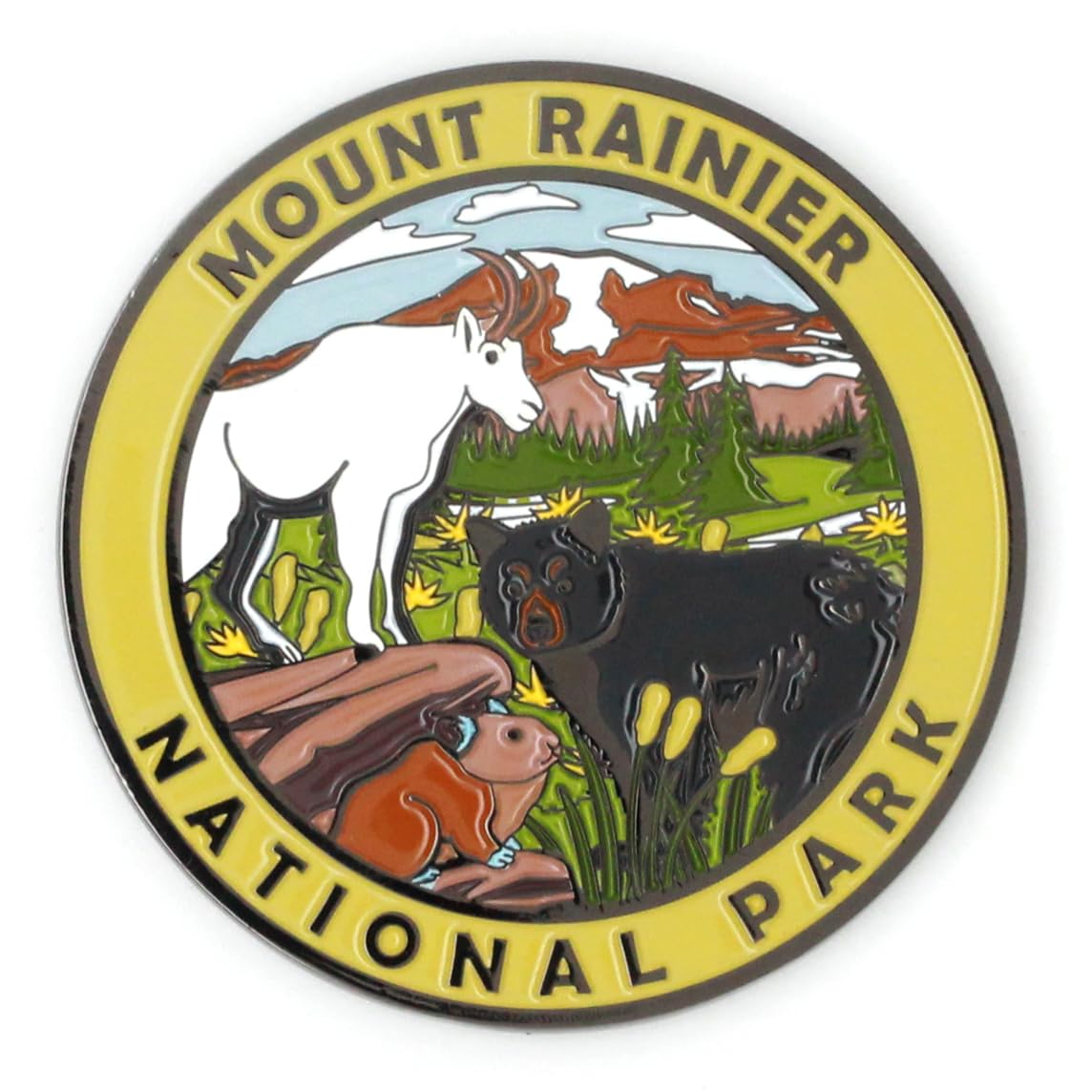 Mount Rainier National Park
Magnet
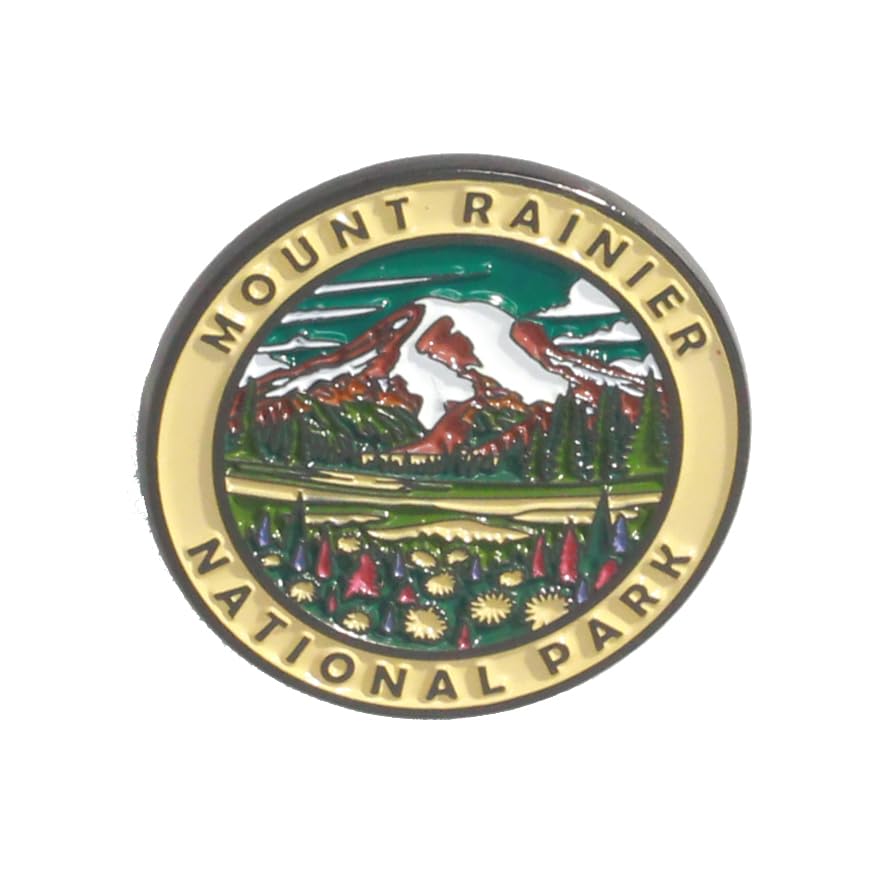 Mount Rainier National Park
Pin
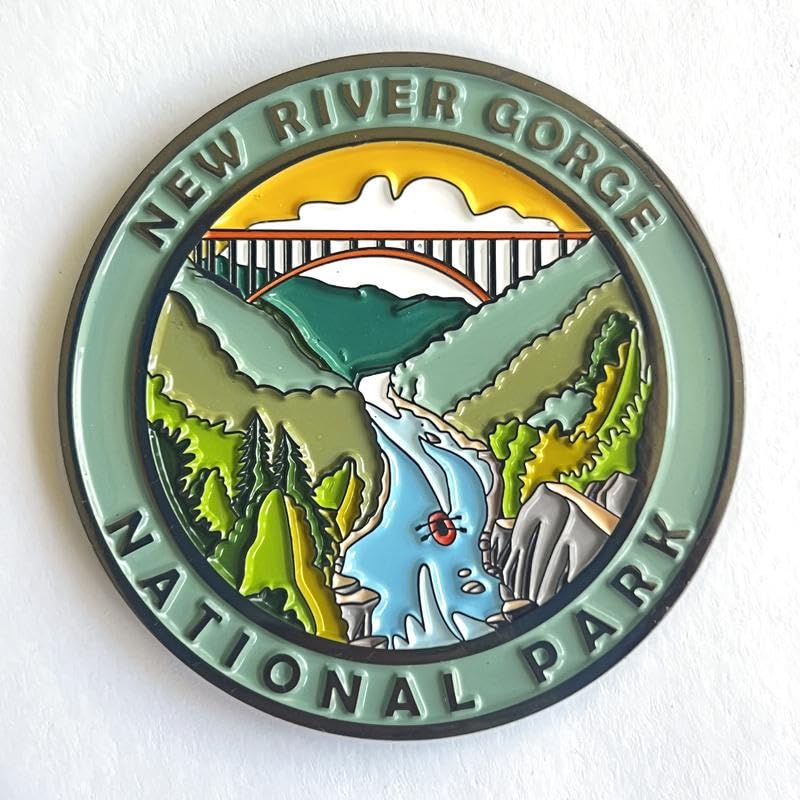 New River Gorge National Park and Preserve
Magnet
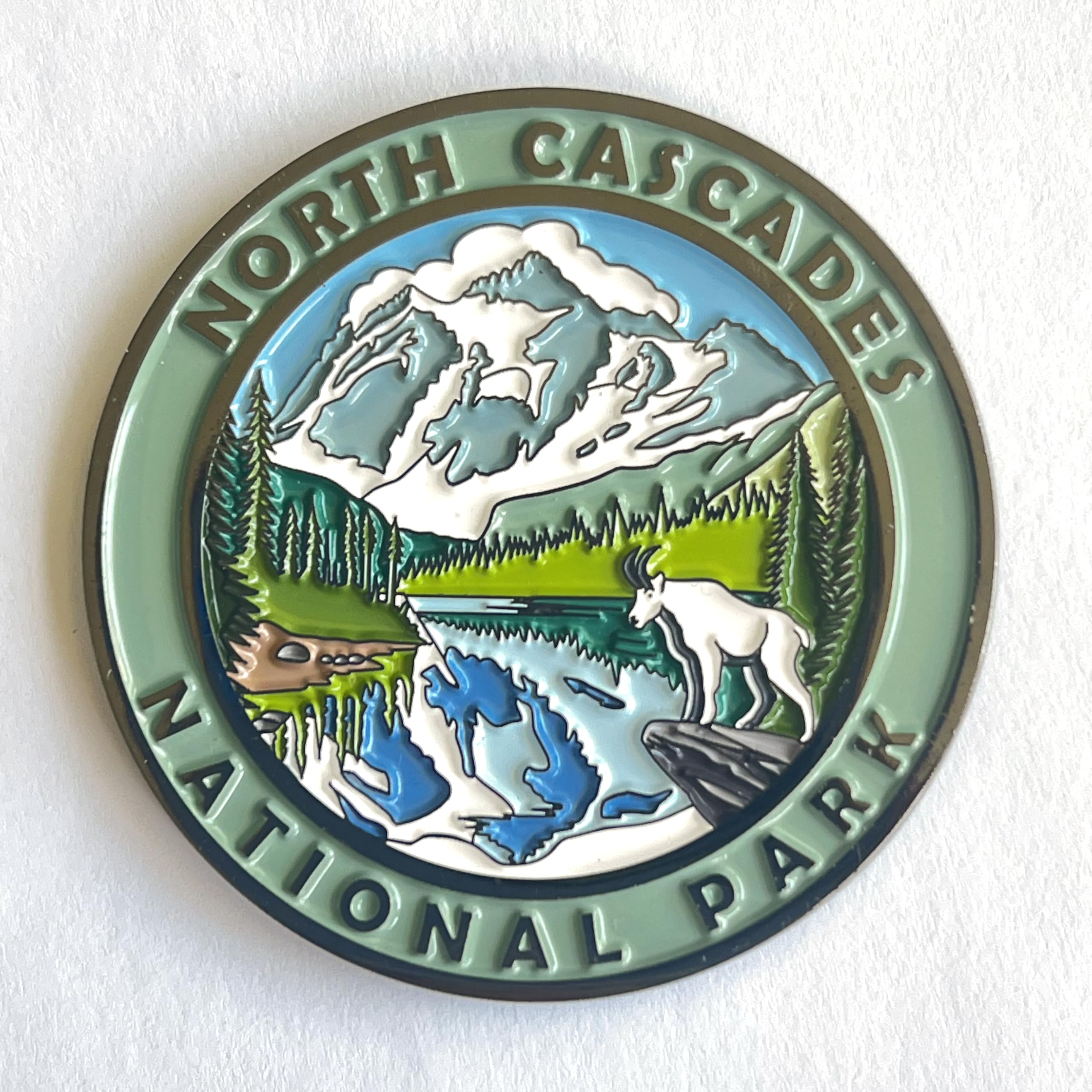 North Cascades National Park
Magnet
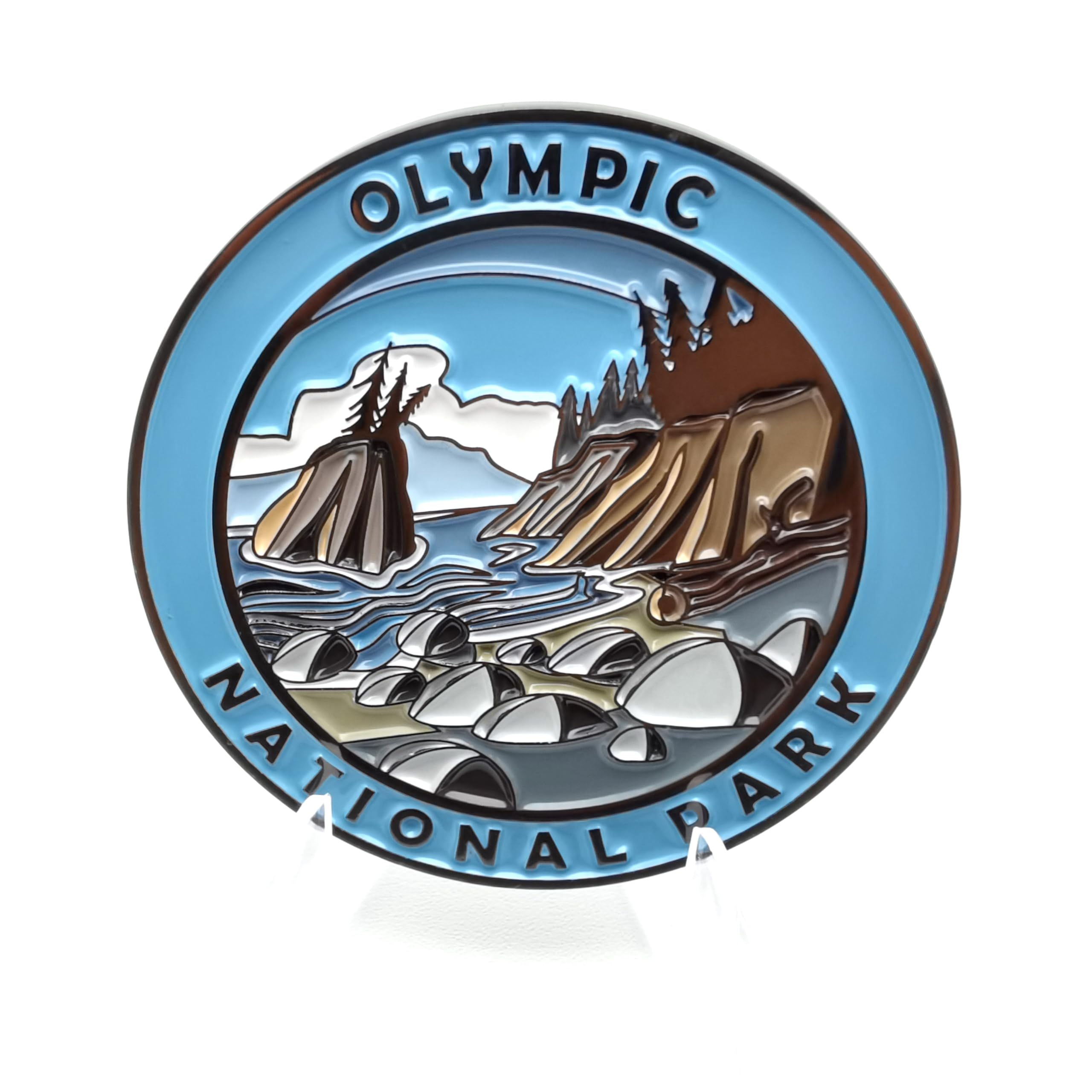 Olympic National Park
Magnet
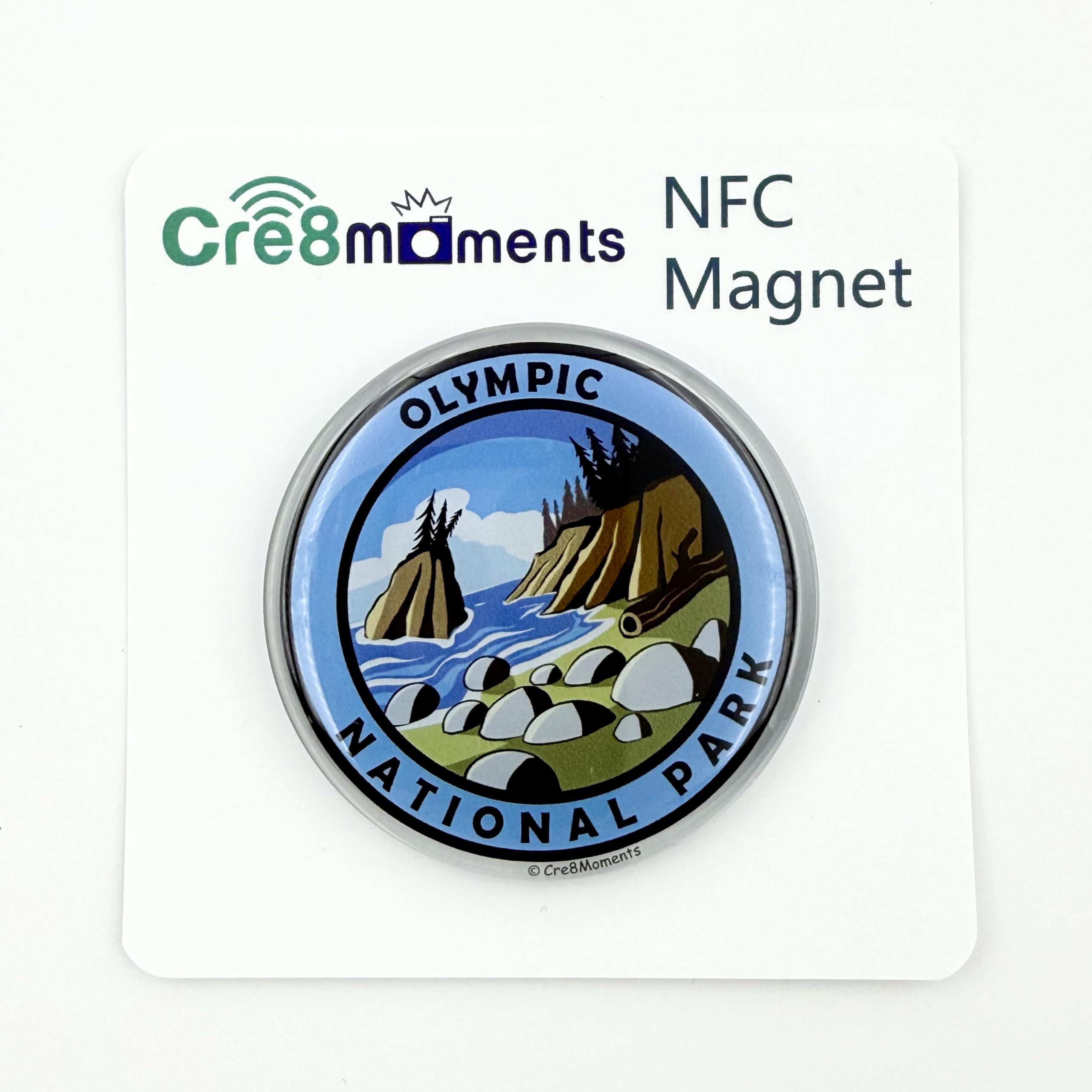 Olympic National Park
NFC Magnet
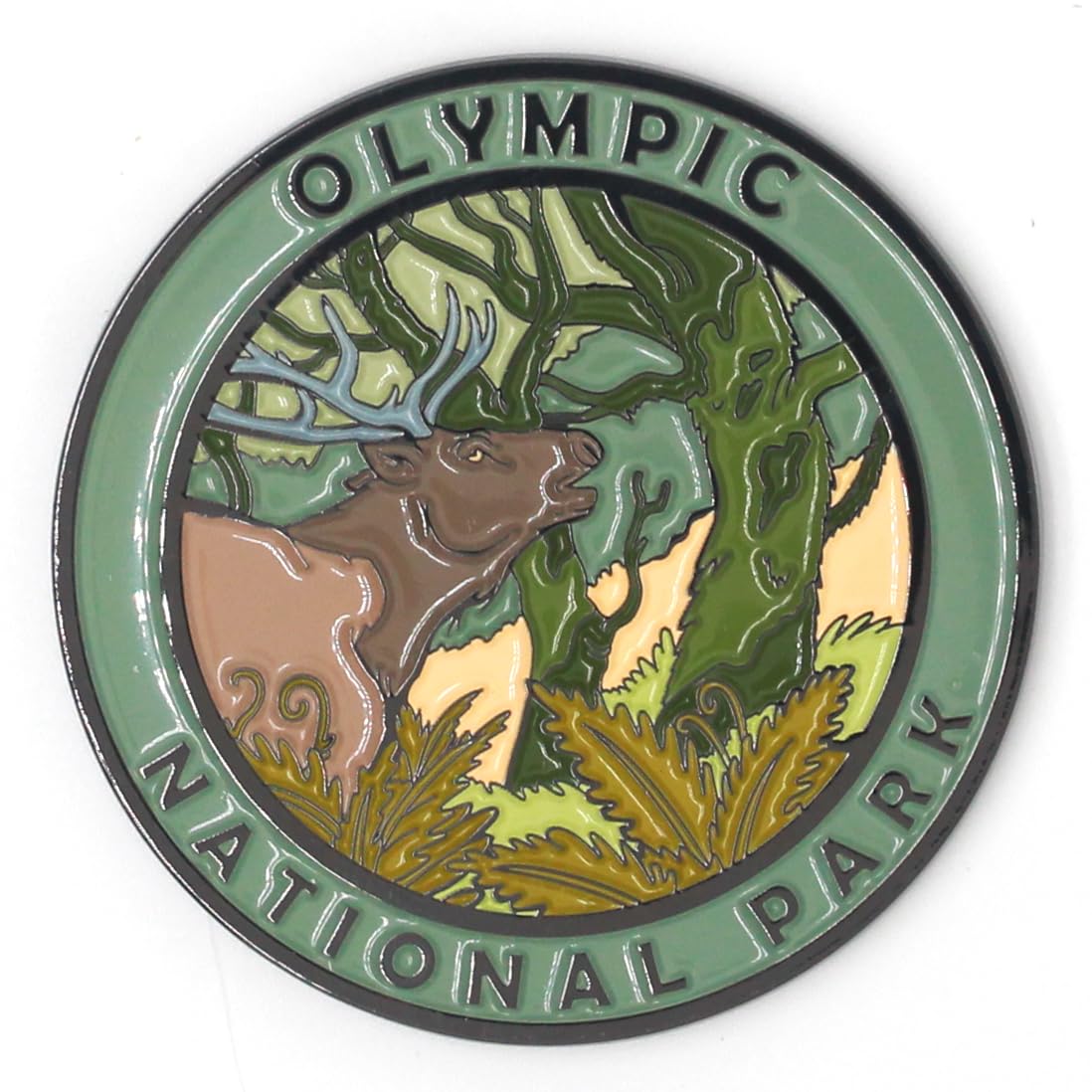 Olympic National Park
Magnet
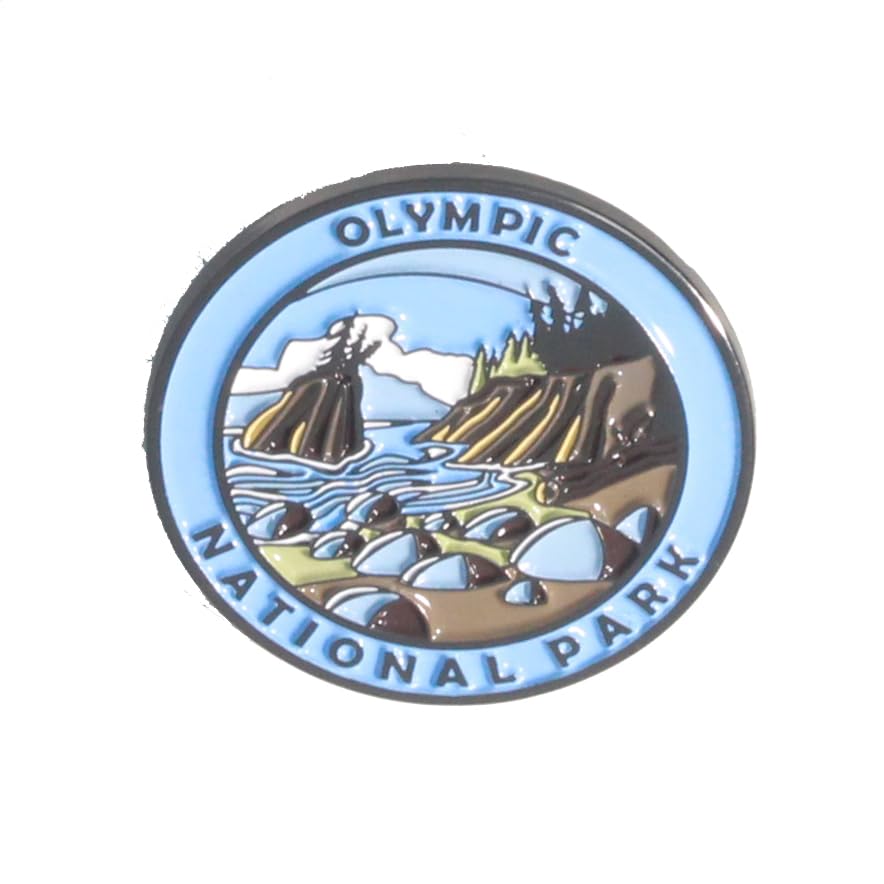 Olympic National Park
Pin
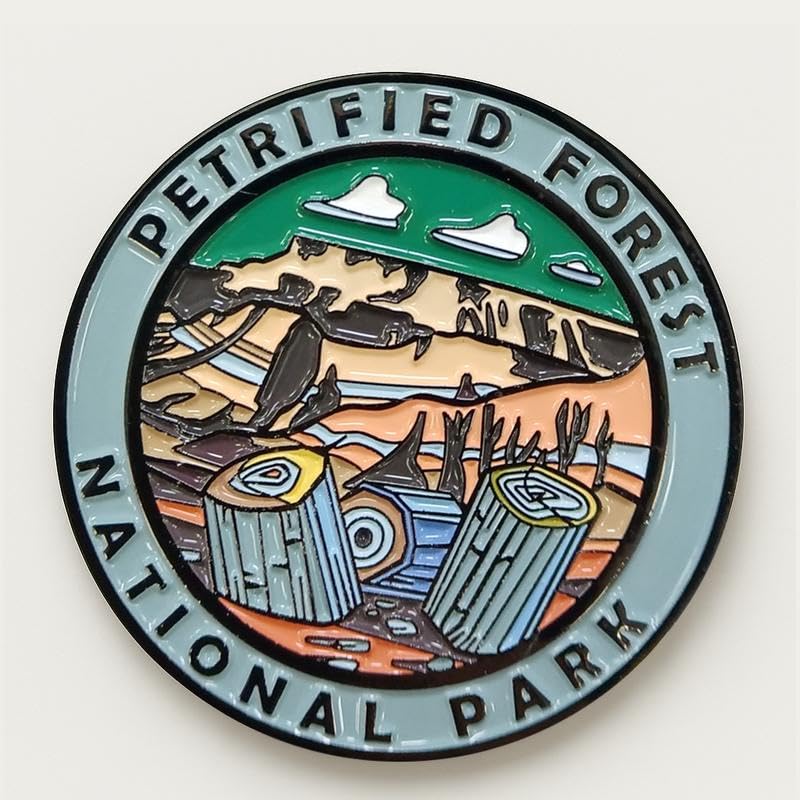 Petrified Forest National Park
Magnet
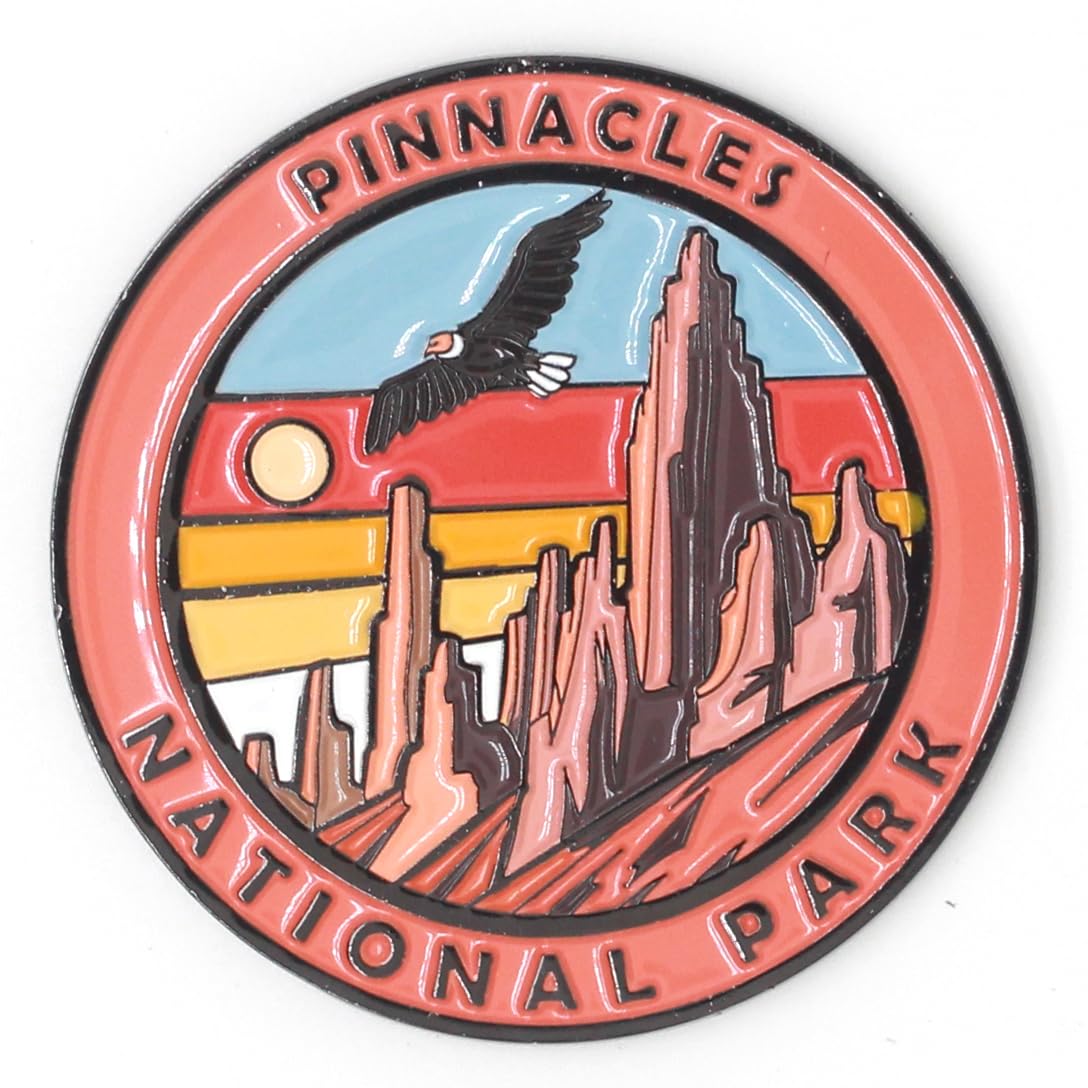 Pinnacles National Park
Magnet
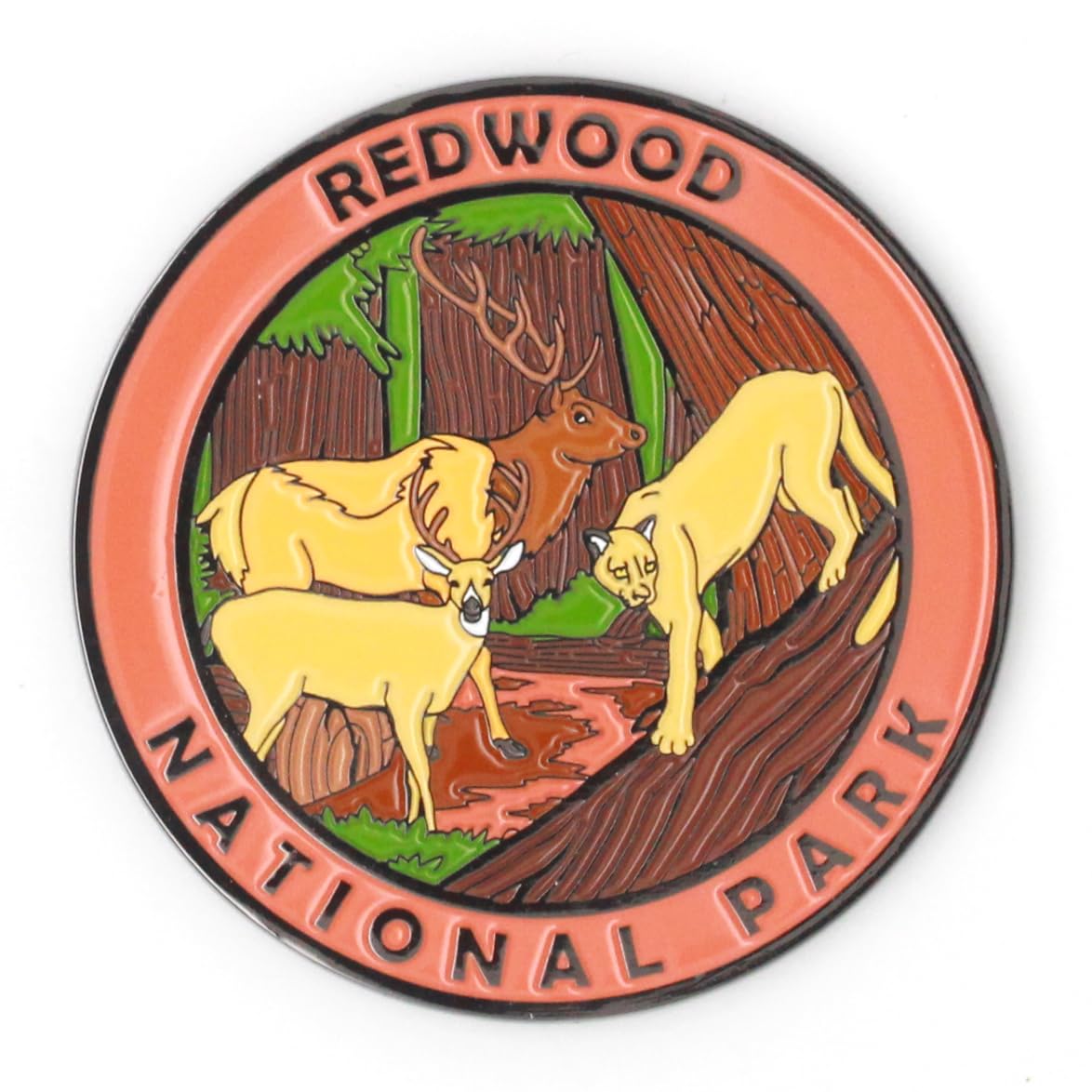 Redwood National Park
Magnet
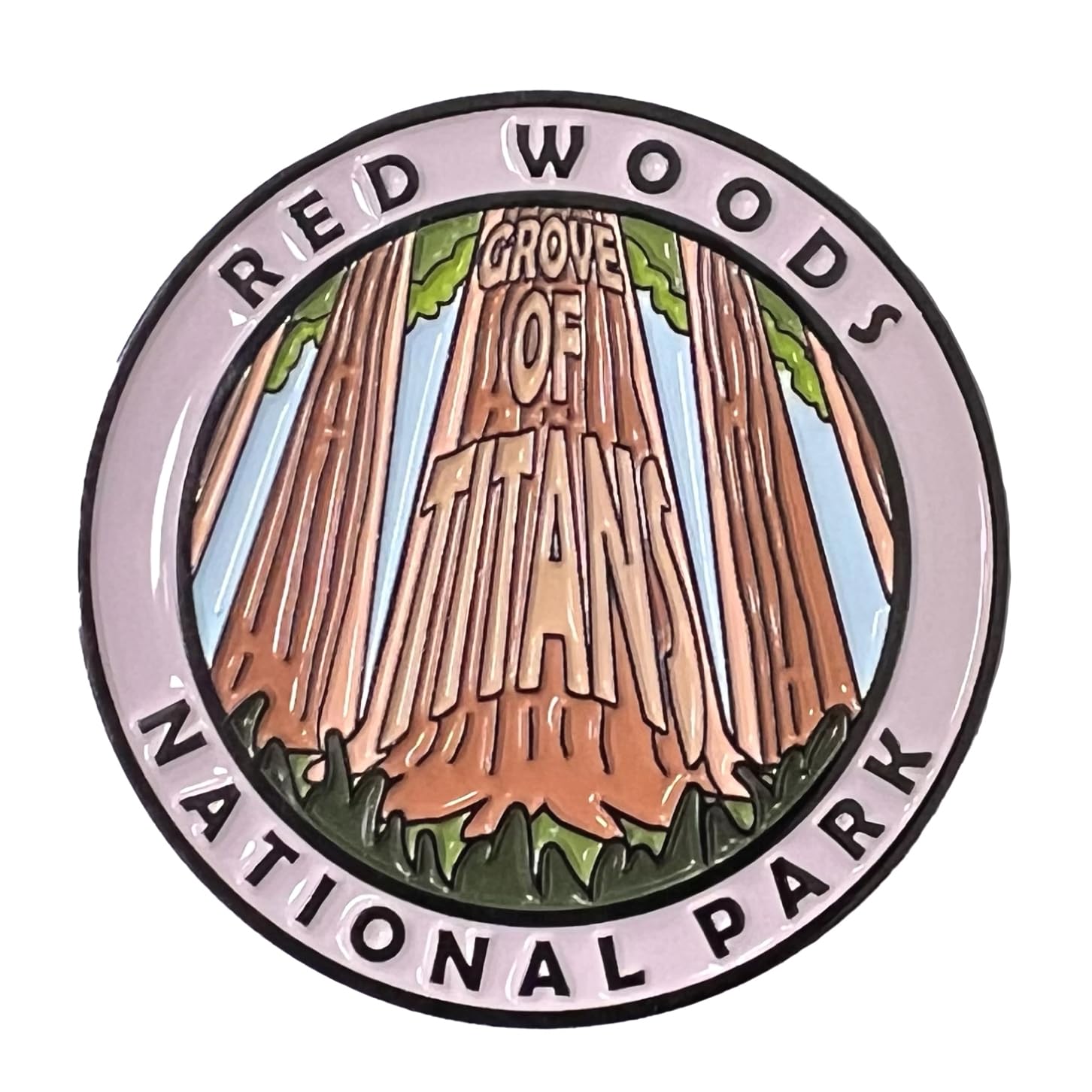 Redwood National Park
Magnet
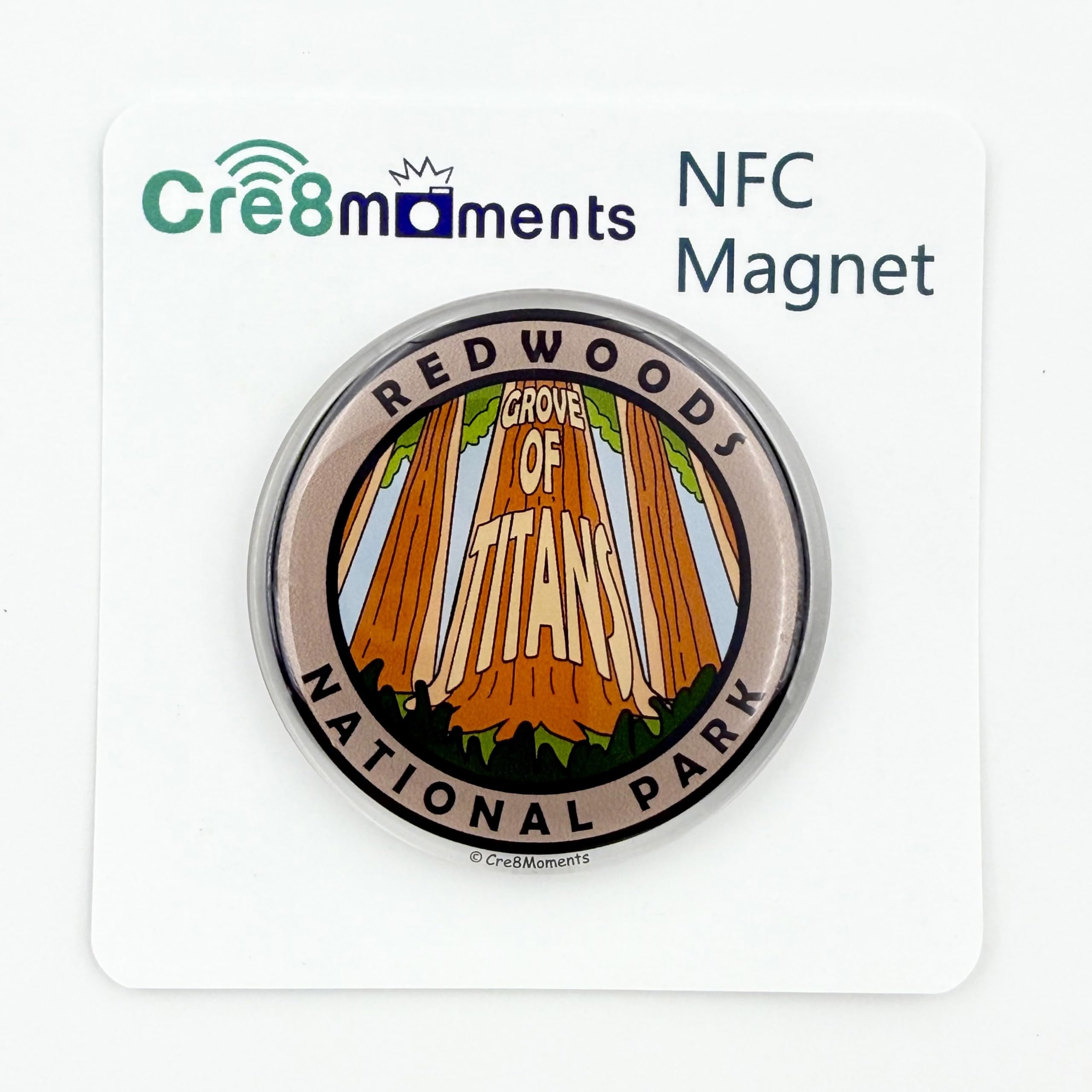 Redwood National Park
NFC Magnet
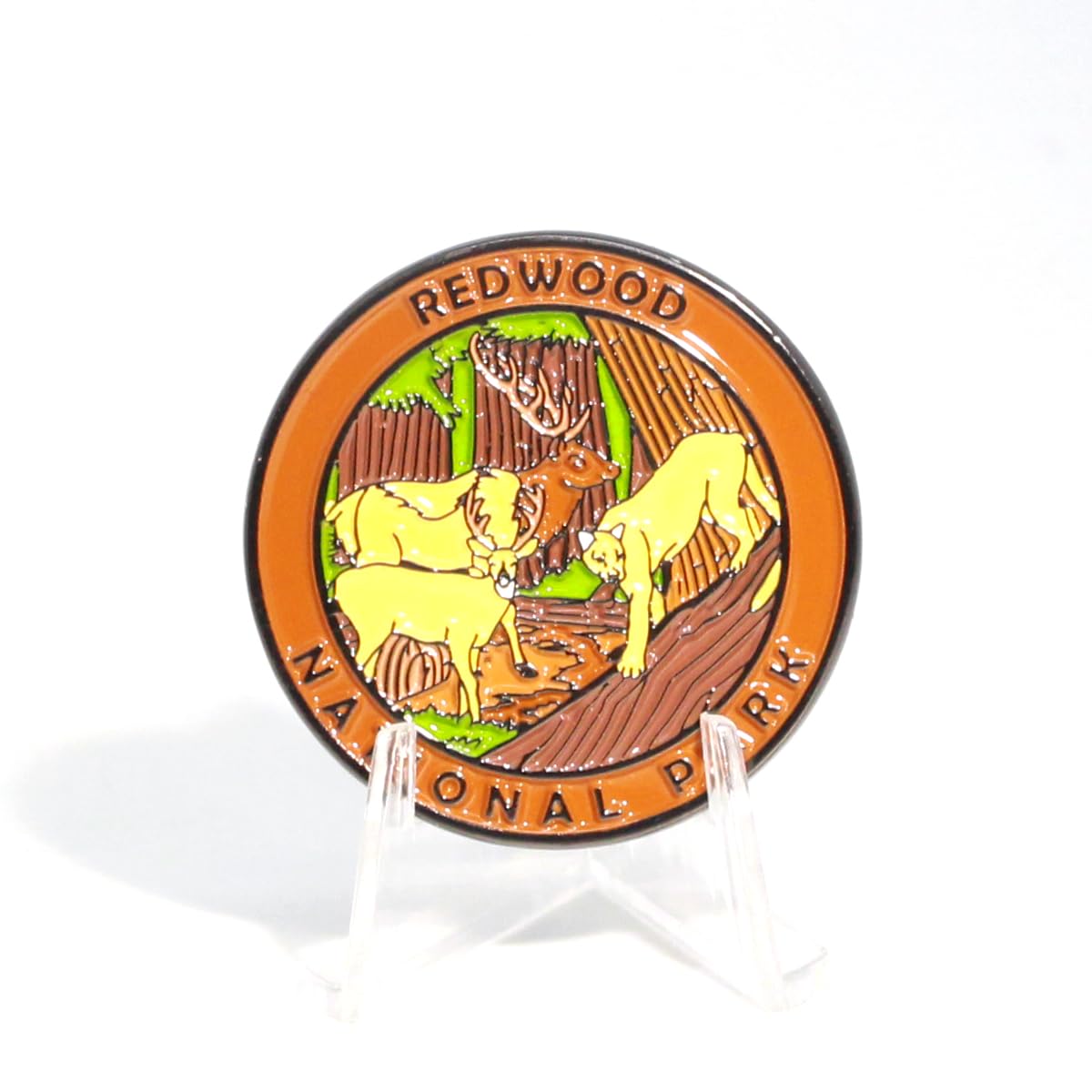 Redwood National Park
Pin
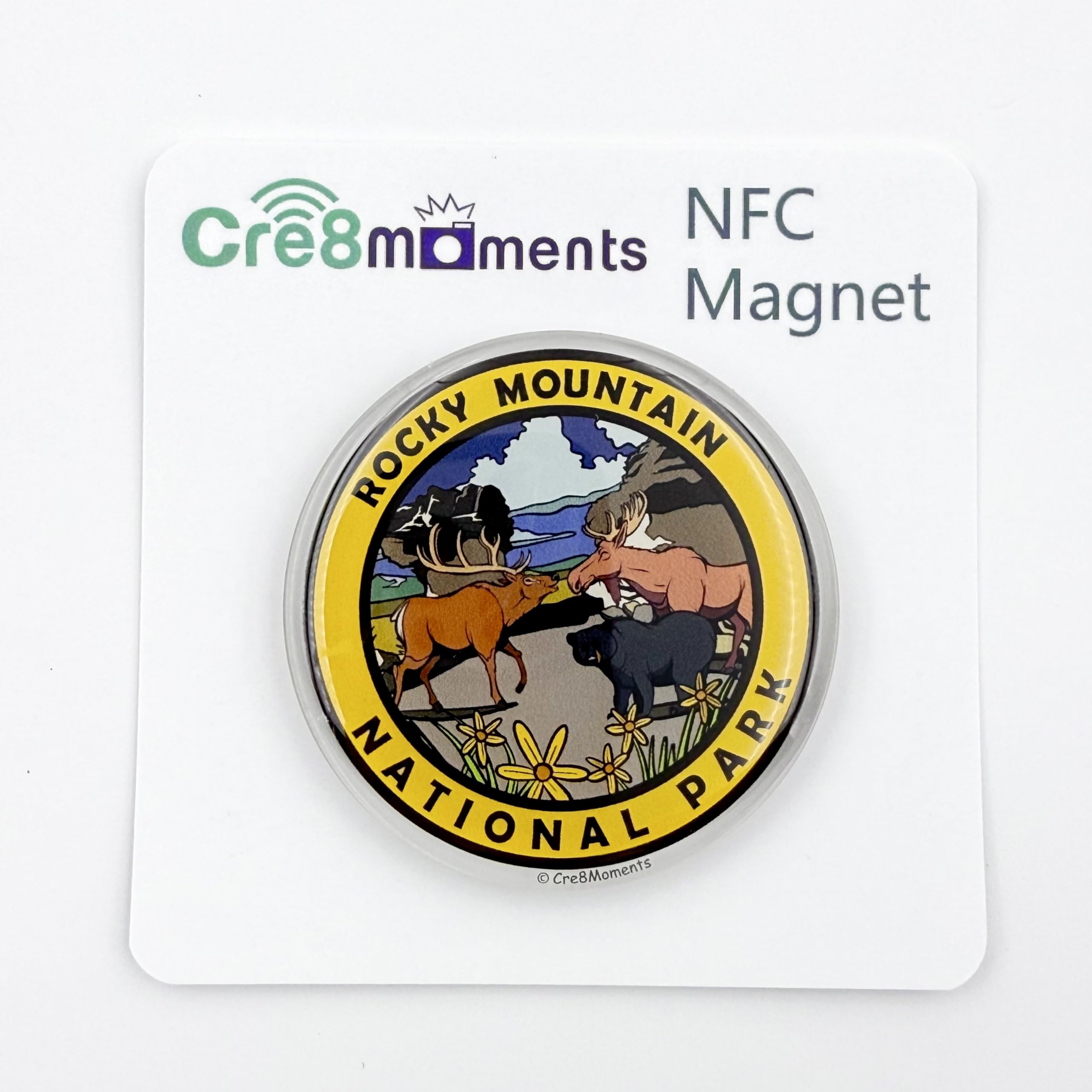 Rocky Mountain National Park
NFC Magnet
 Rocky Mountain National Park
Magnet
 Rocky Mountain National Park
Magnet
 Rocky Mountain National Park
NFC Magnet
 Rocky Mountain National Park
Pin
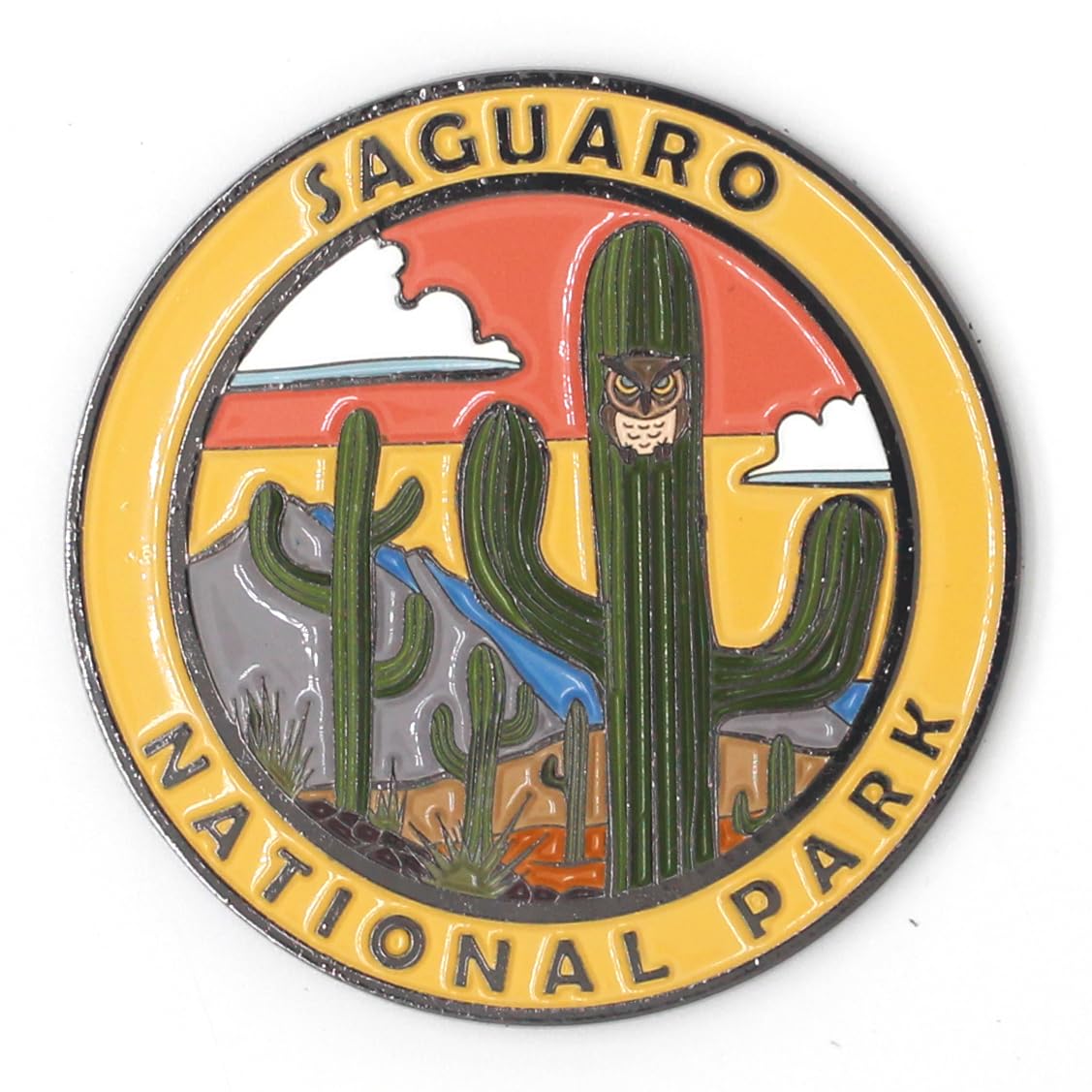 Saguaro National Park
Magnet
 Sequoia National Park
NFC Magnet
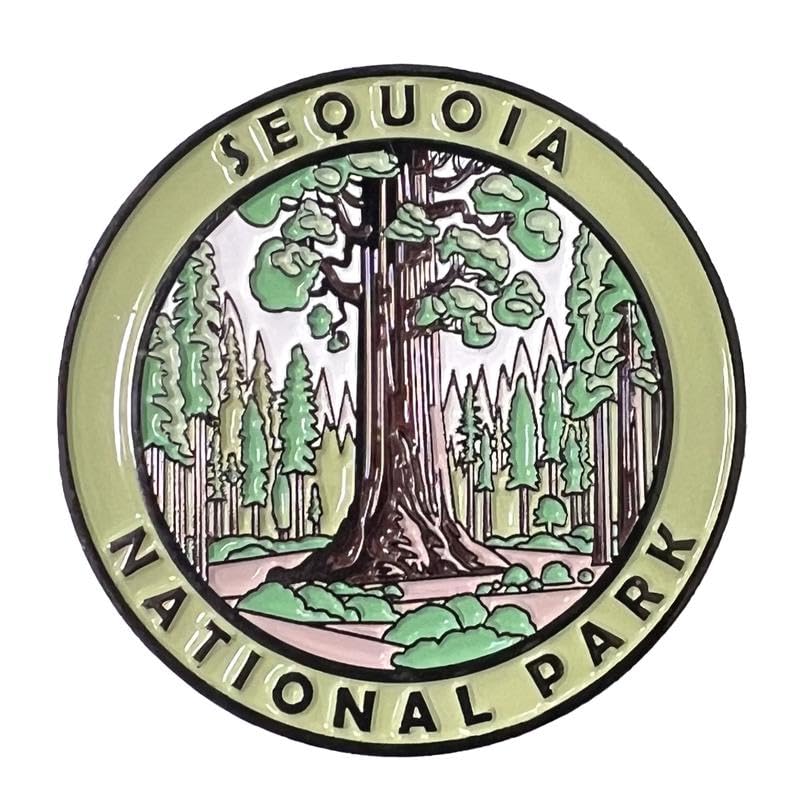 Sequoia National Park
Magnet
 Shenandoah National Park
Magnet
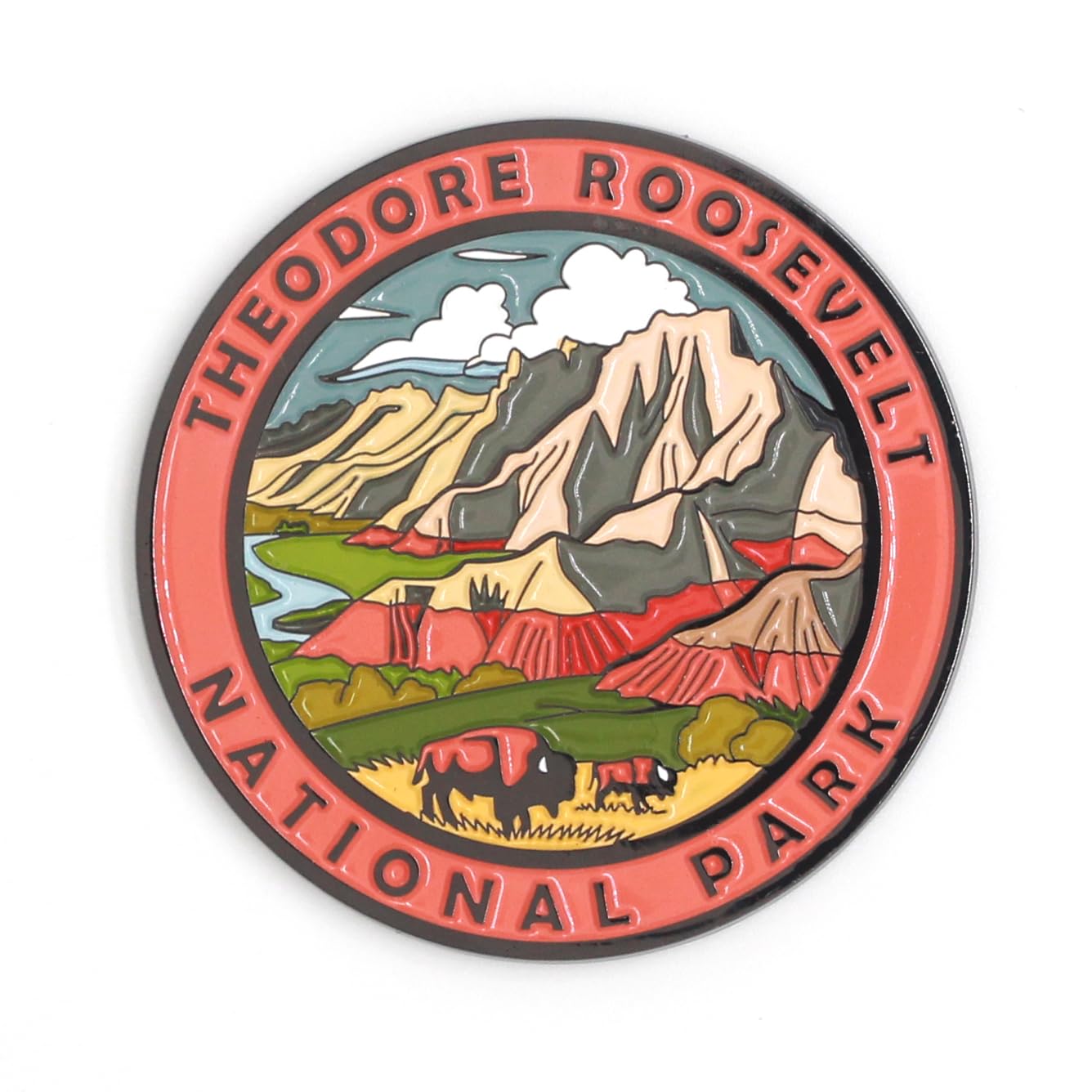 Theodore Roosevelt National Park
Magnet
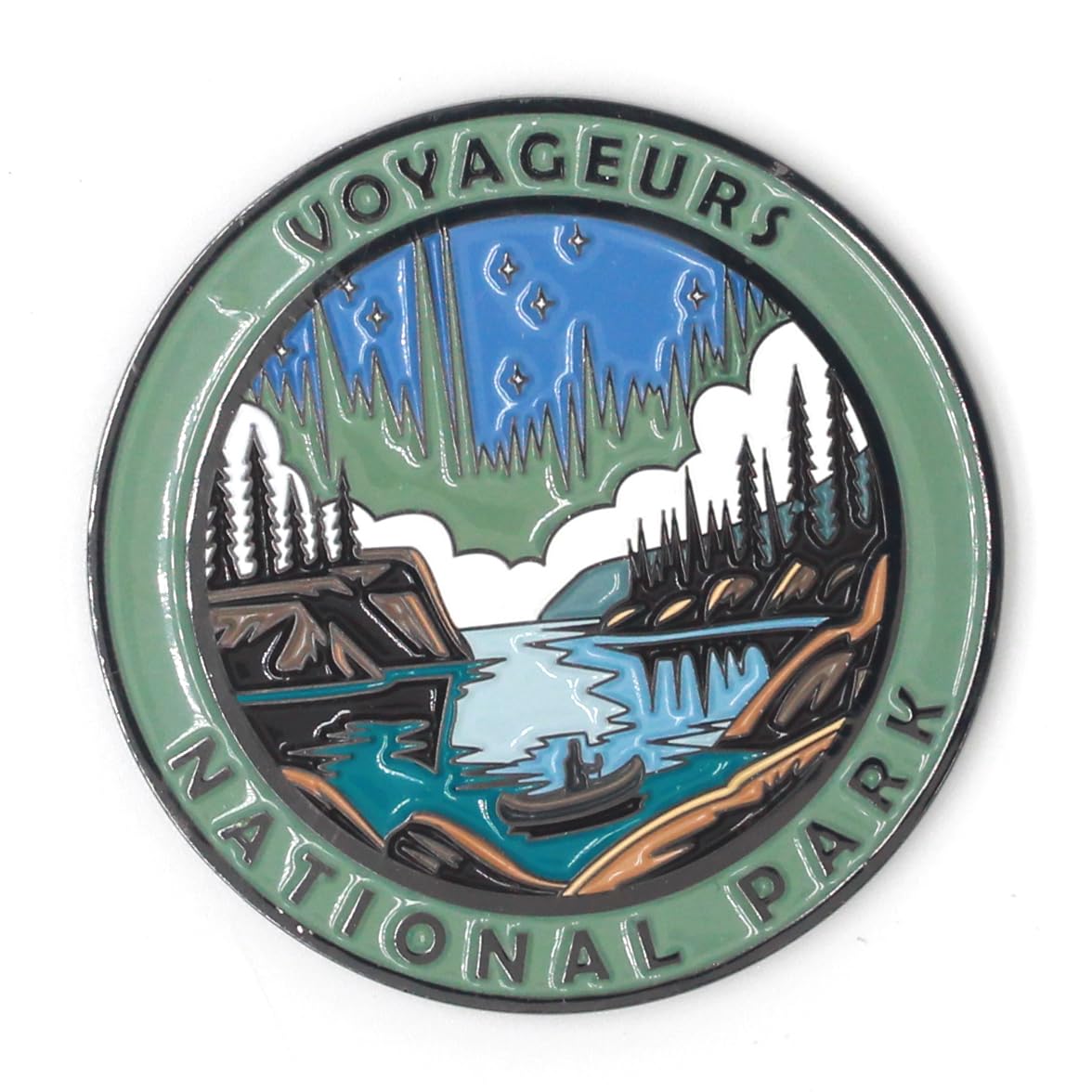 Voyageurs National Park
Magnet
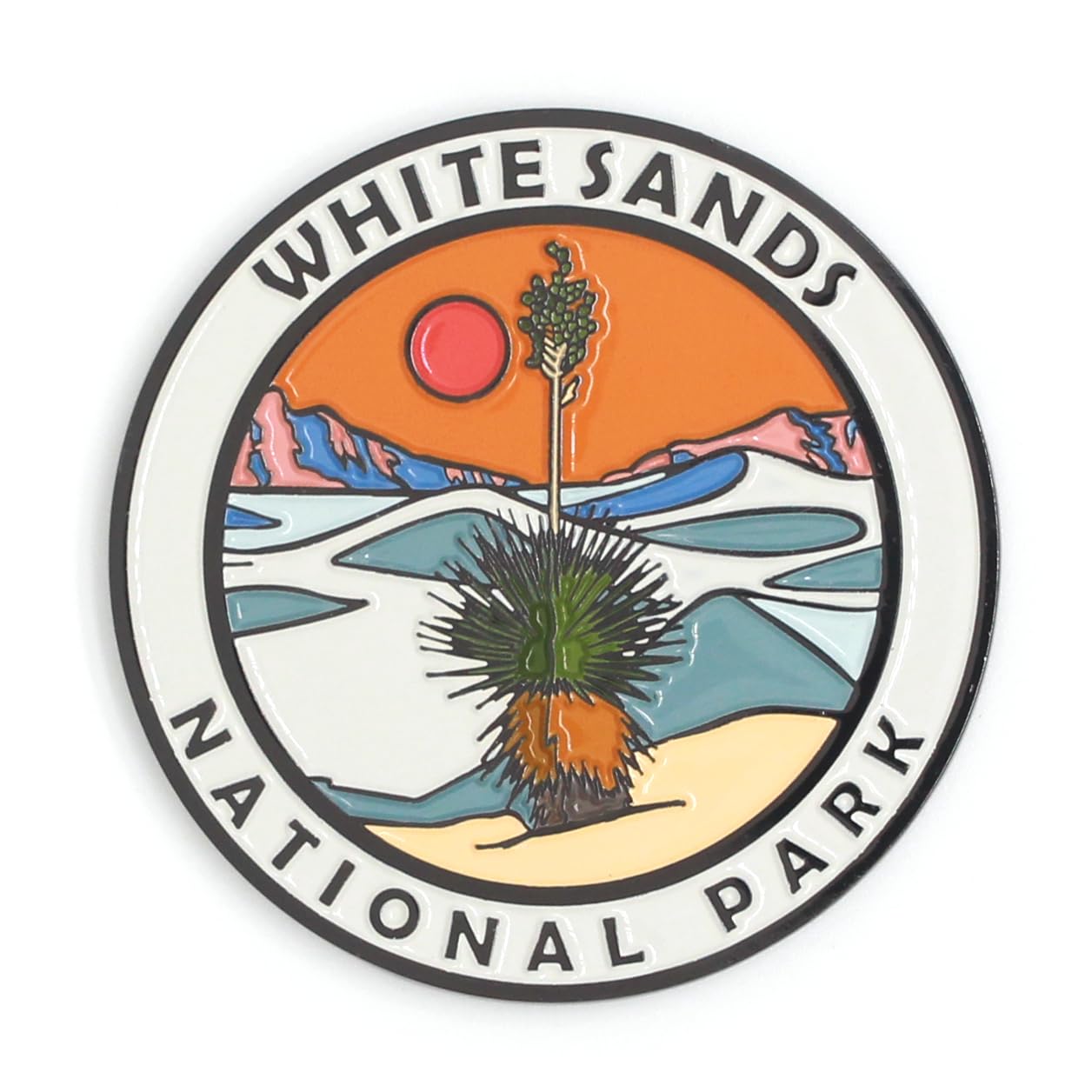 White Sands National Park
Magnet
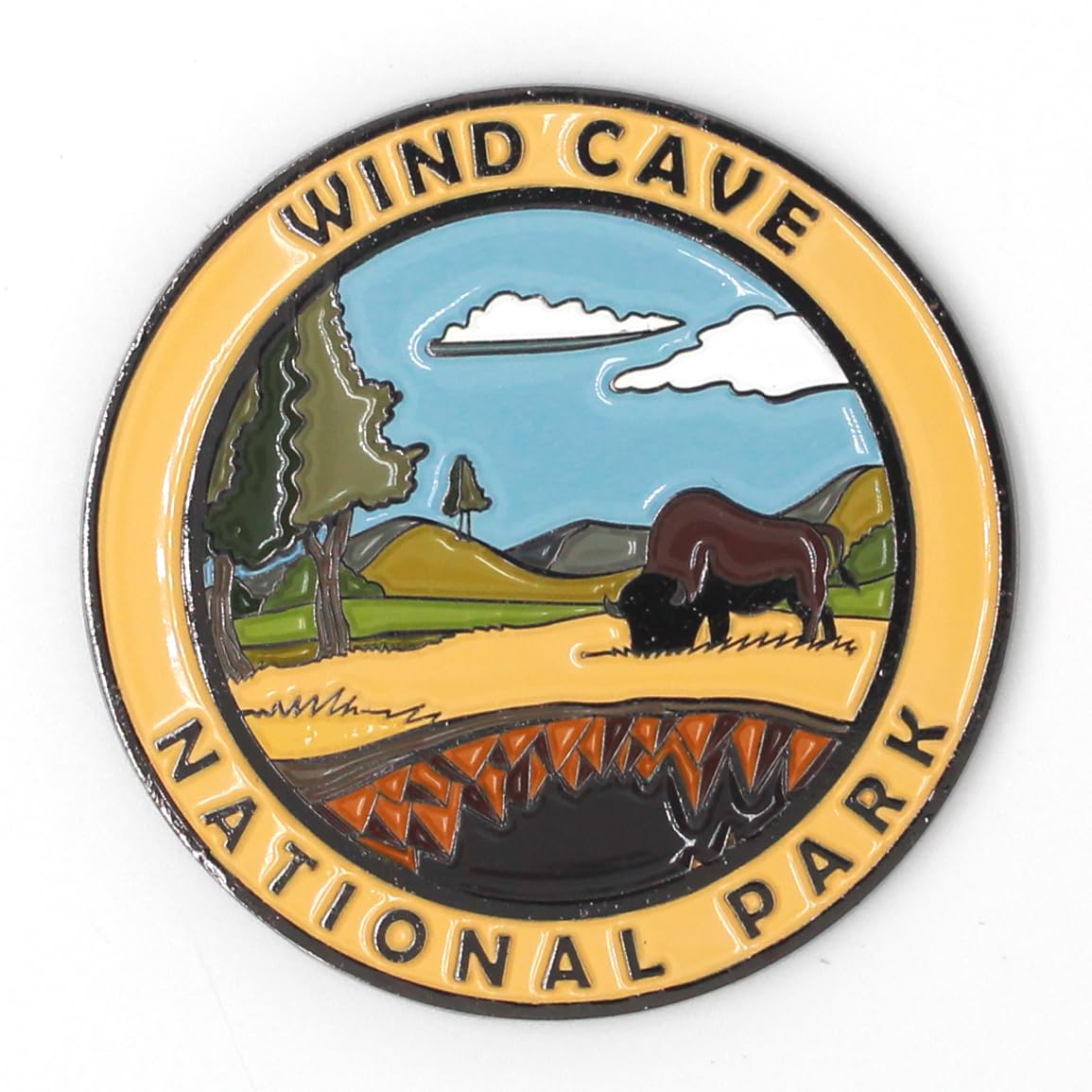 Wind Cave National Park
Magnet
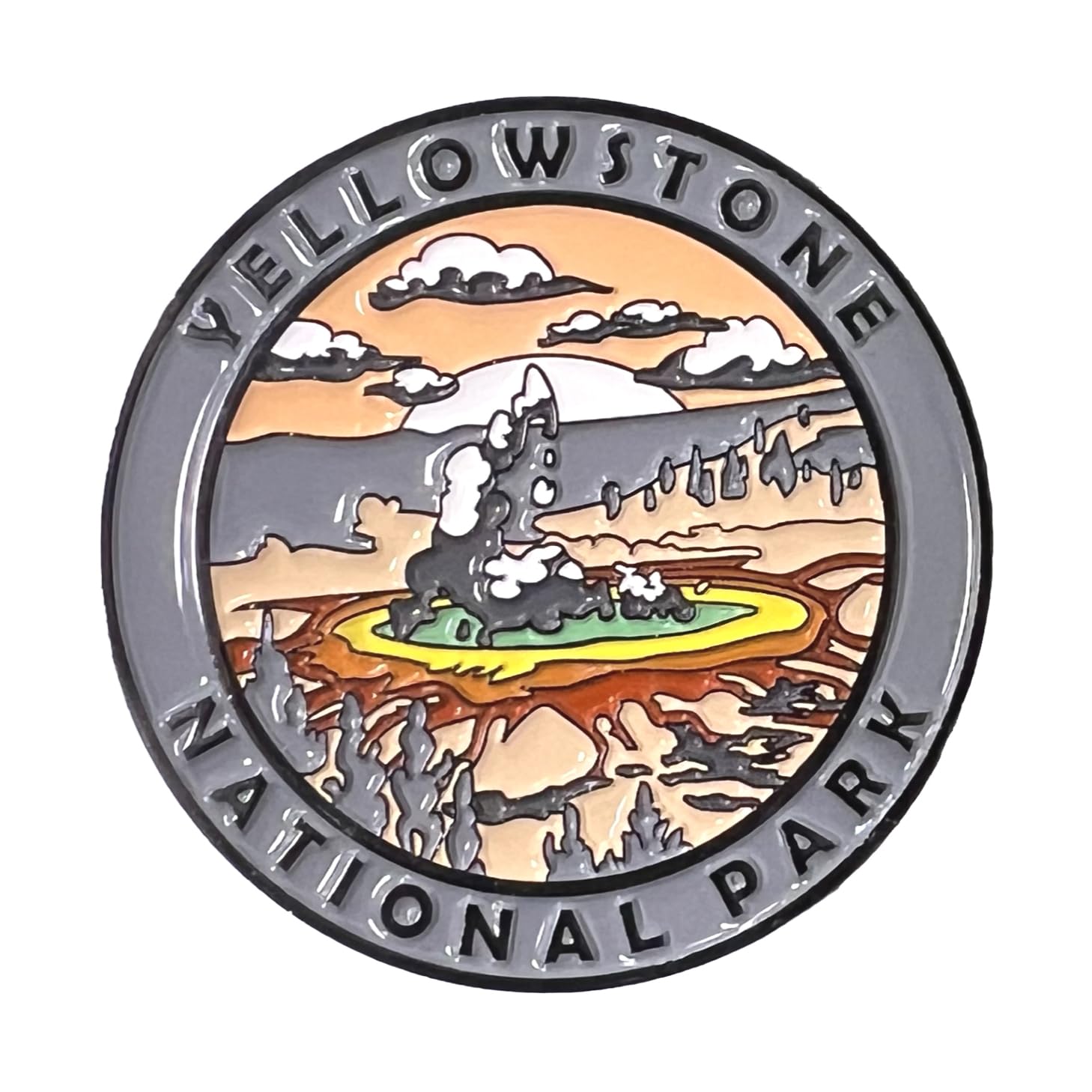
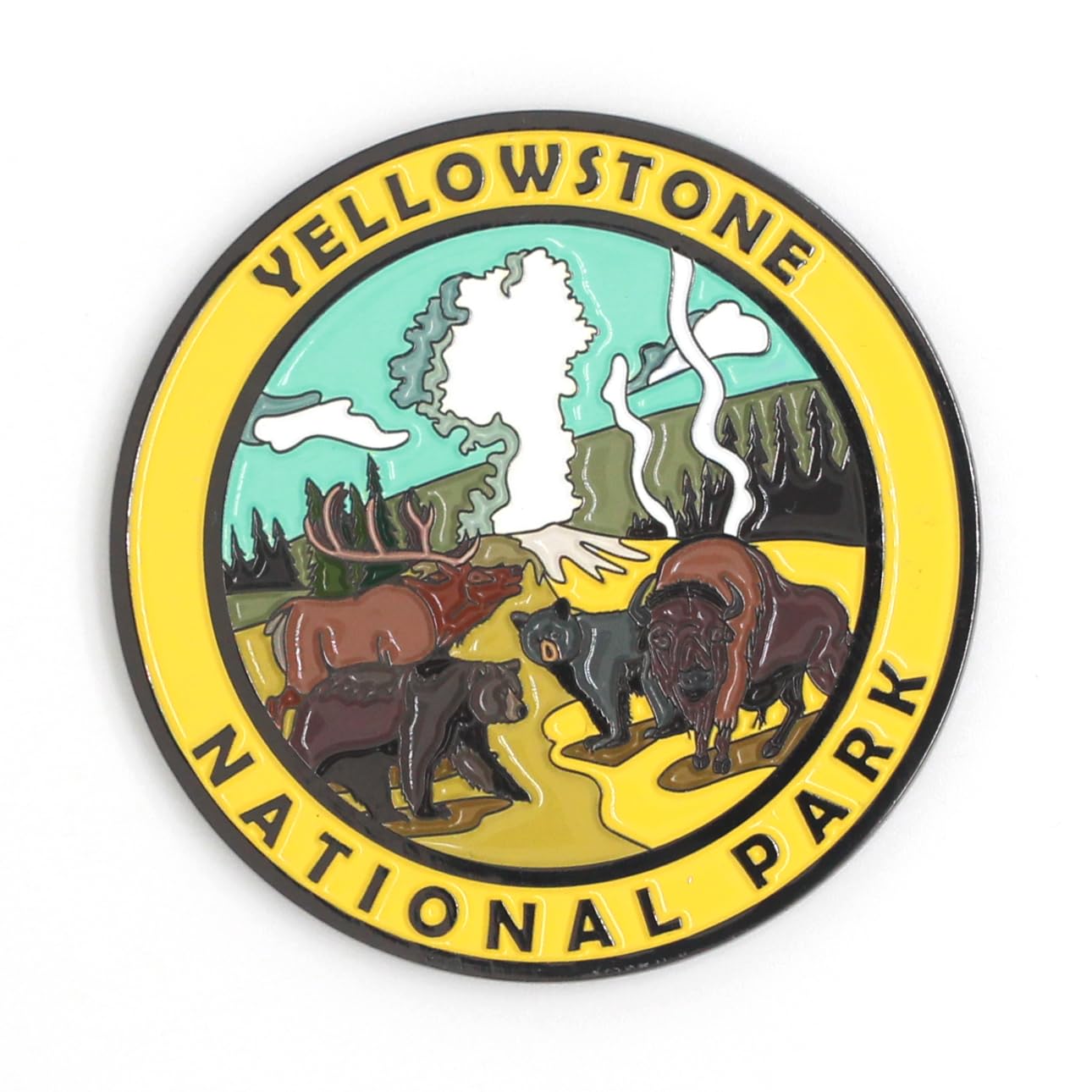 Yellowstone National Park
Magnet
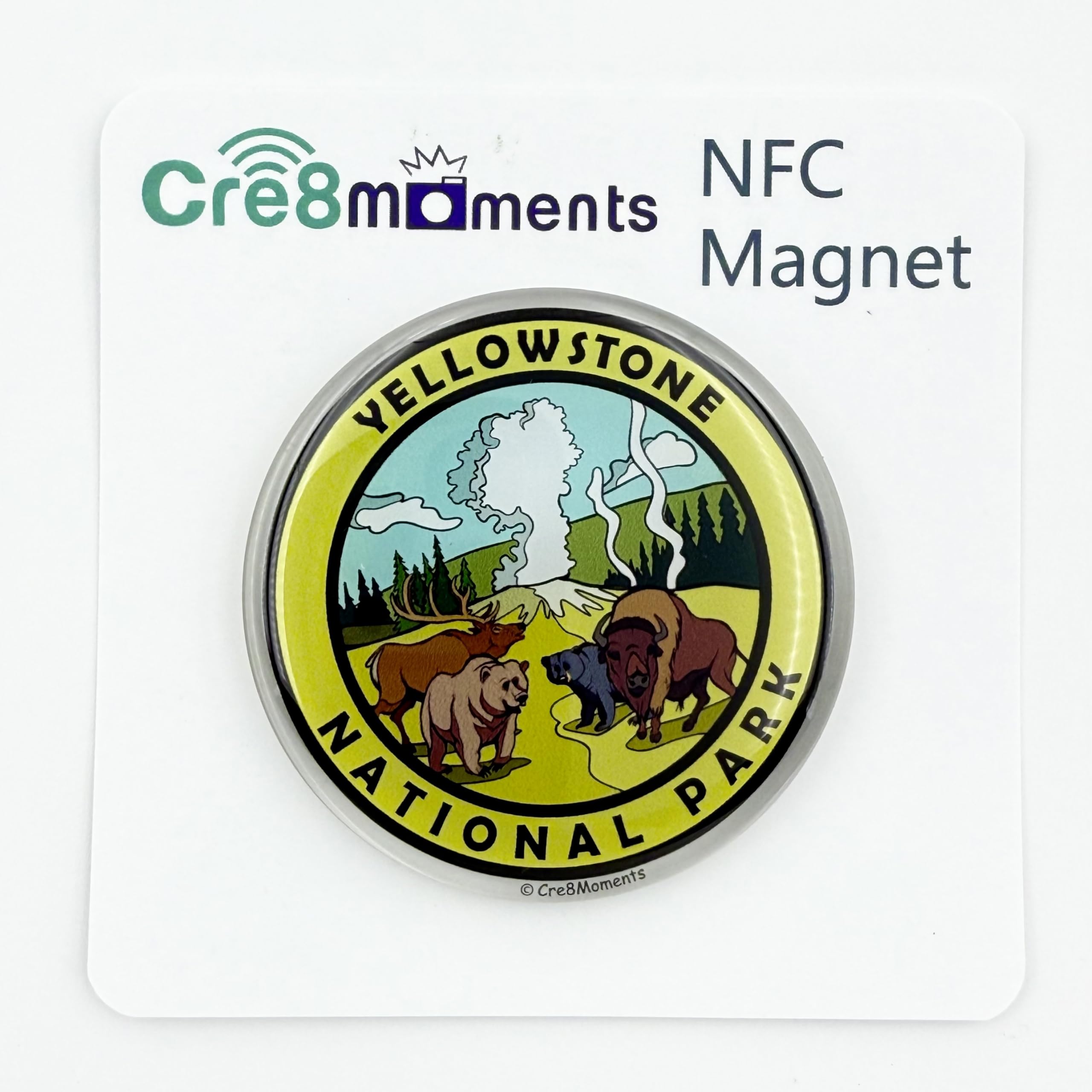
 Yellowstone National Park
Magnet
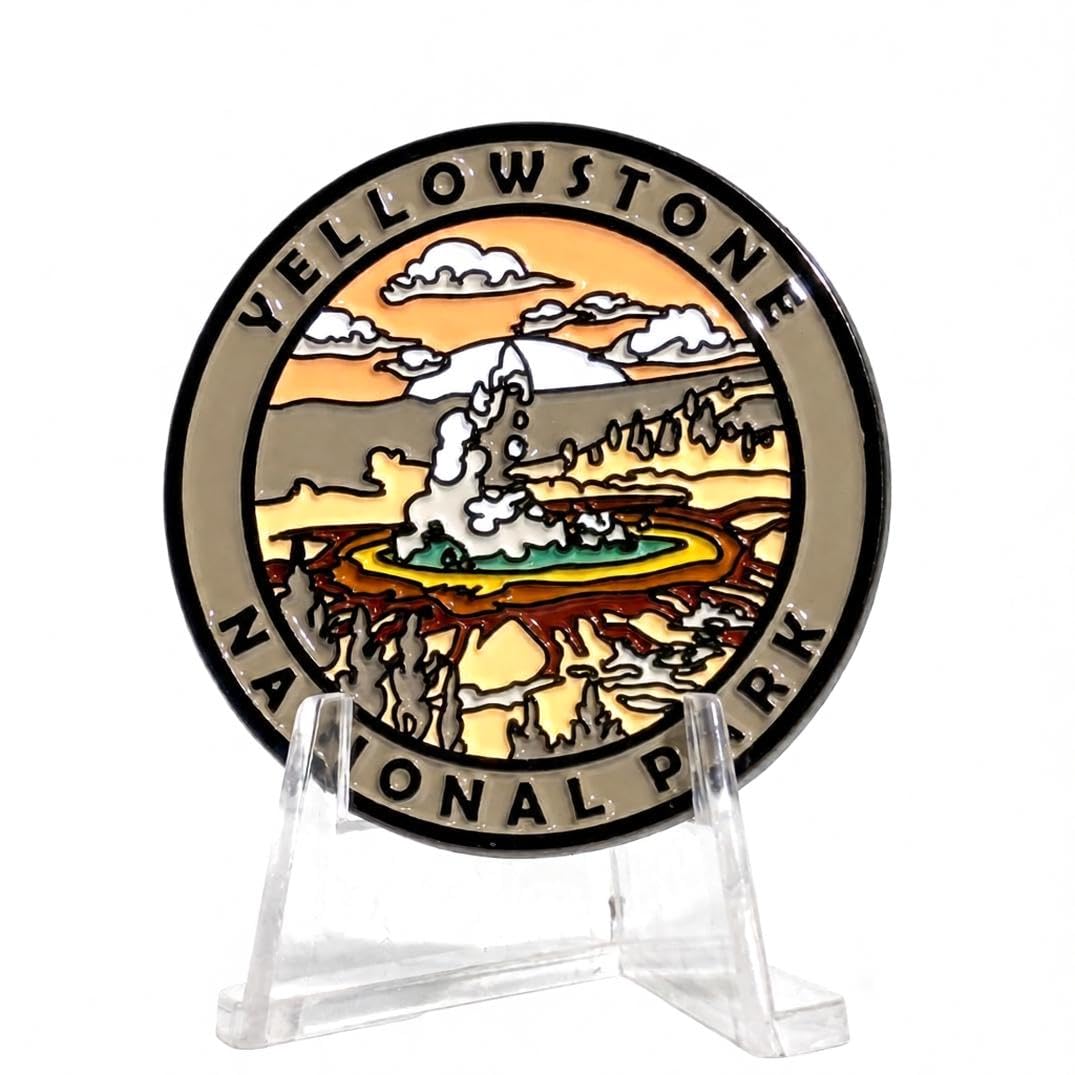
 Yellowstone National Park
NFC Magnet
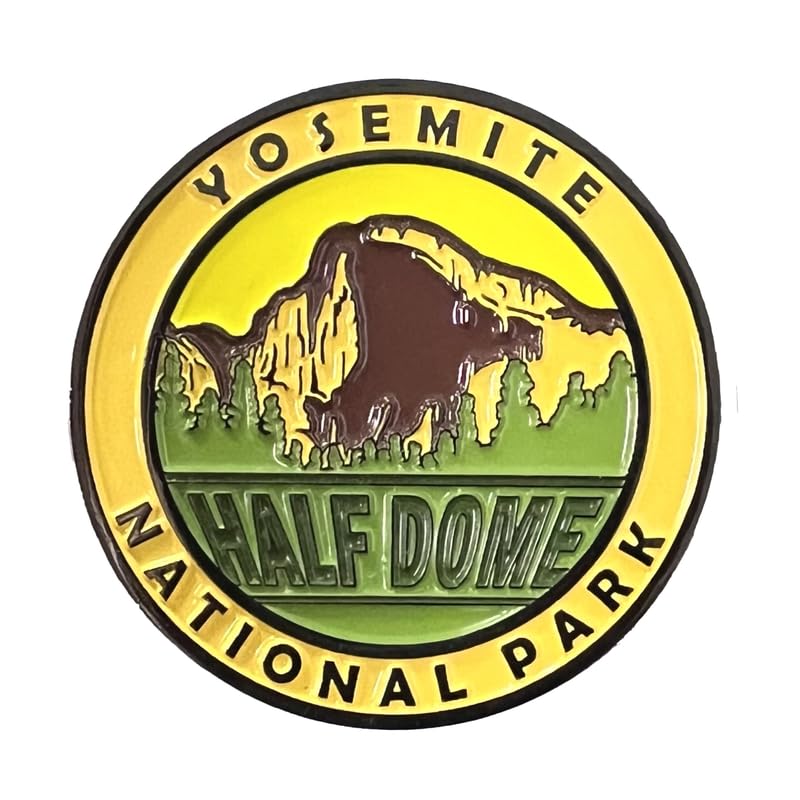
 Yellowstone National Park
Pin
 Yosemite National Park
Magnet
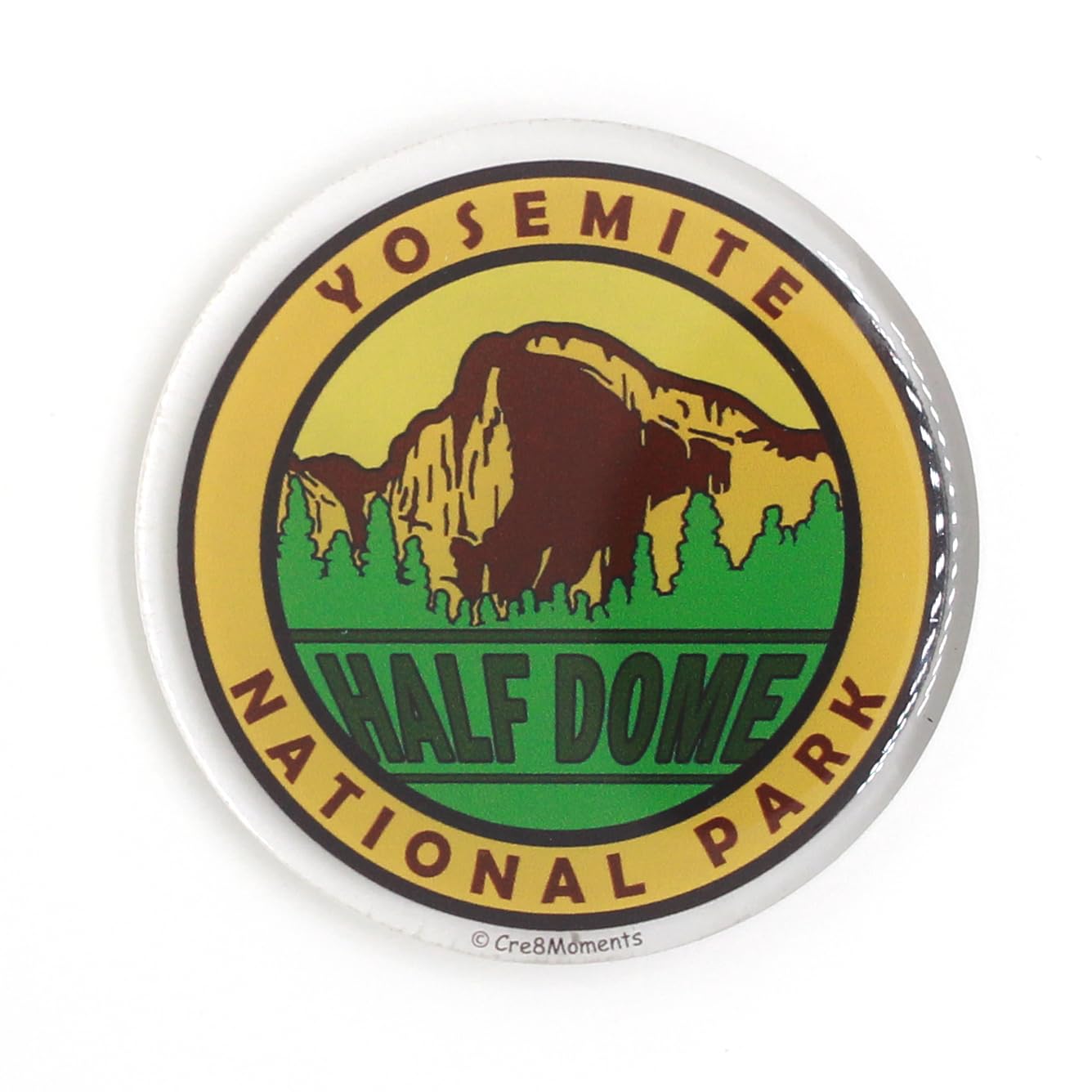 Yosemite National Park
NFC Magnet
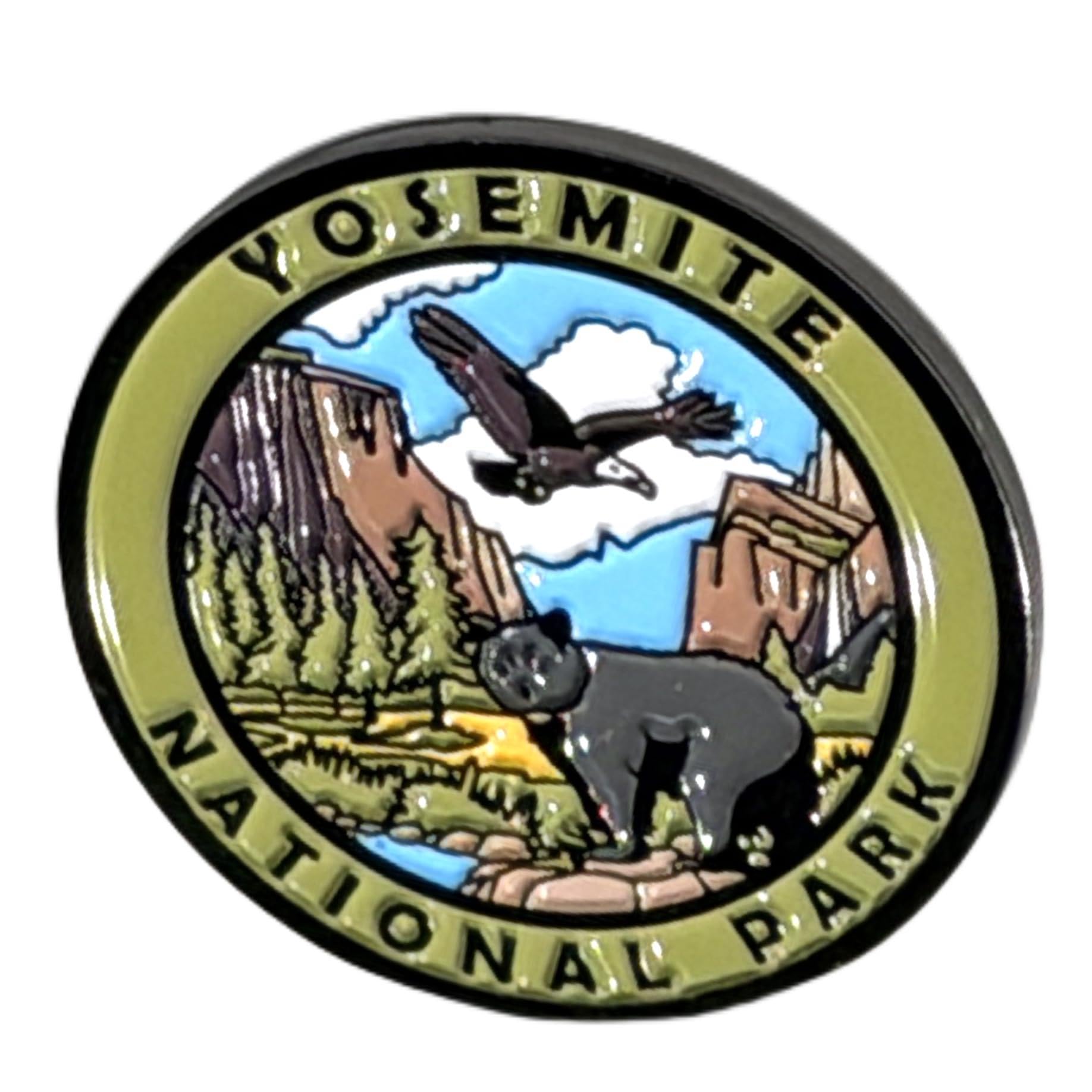 Yosemite National Park
Pin
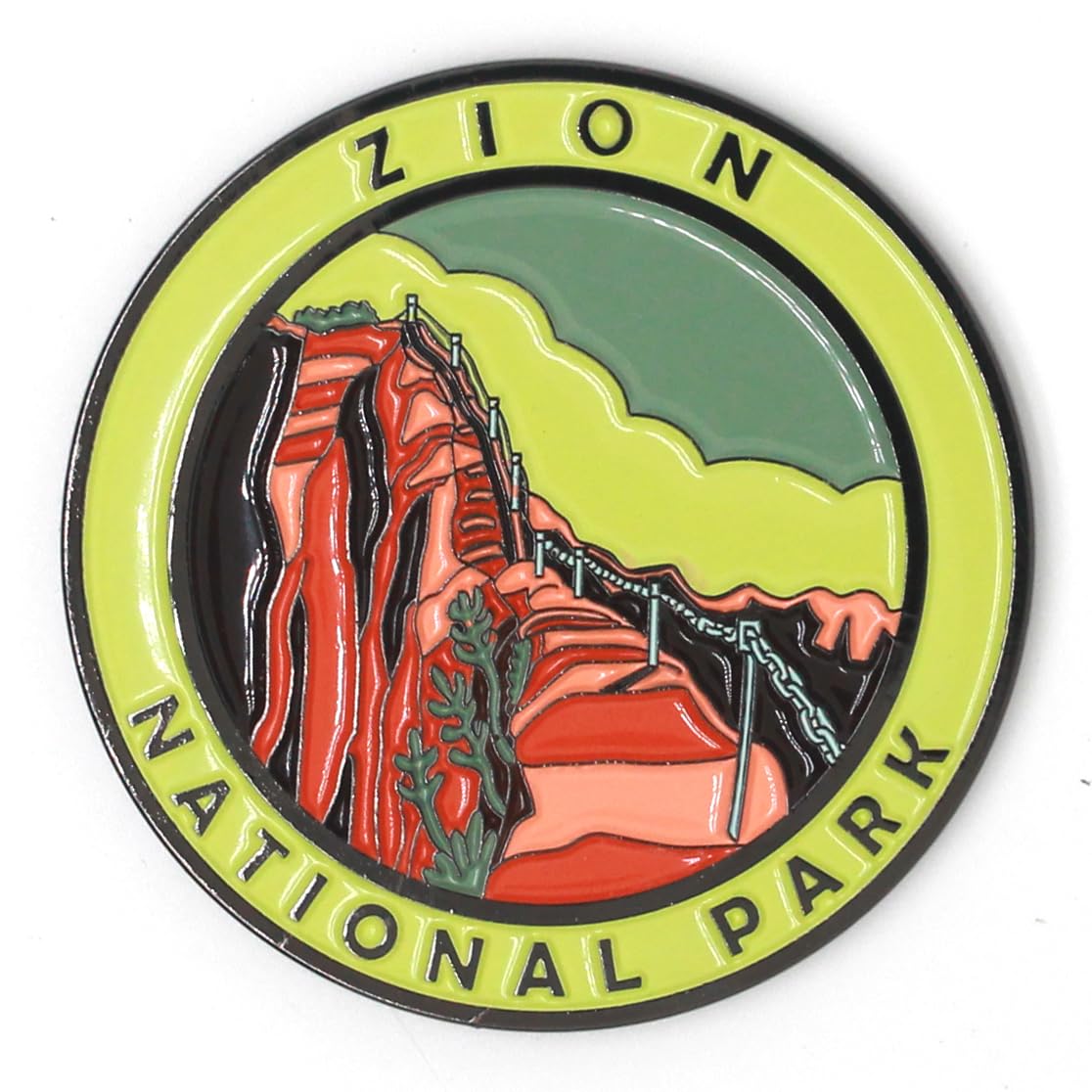 Zion National Park
Magnet
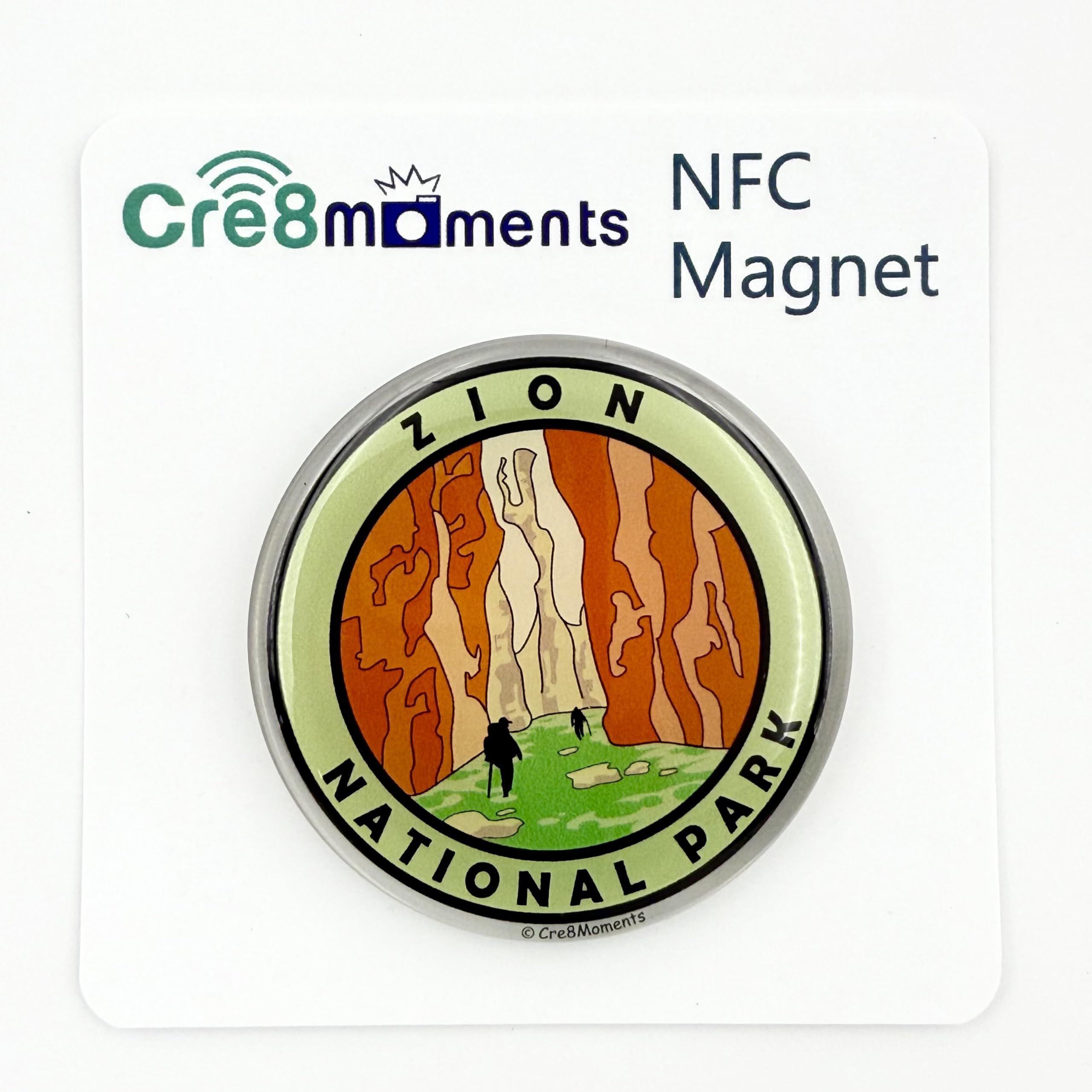 Zion National Park
NFC Magnet
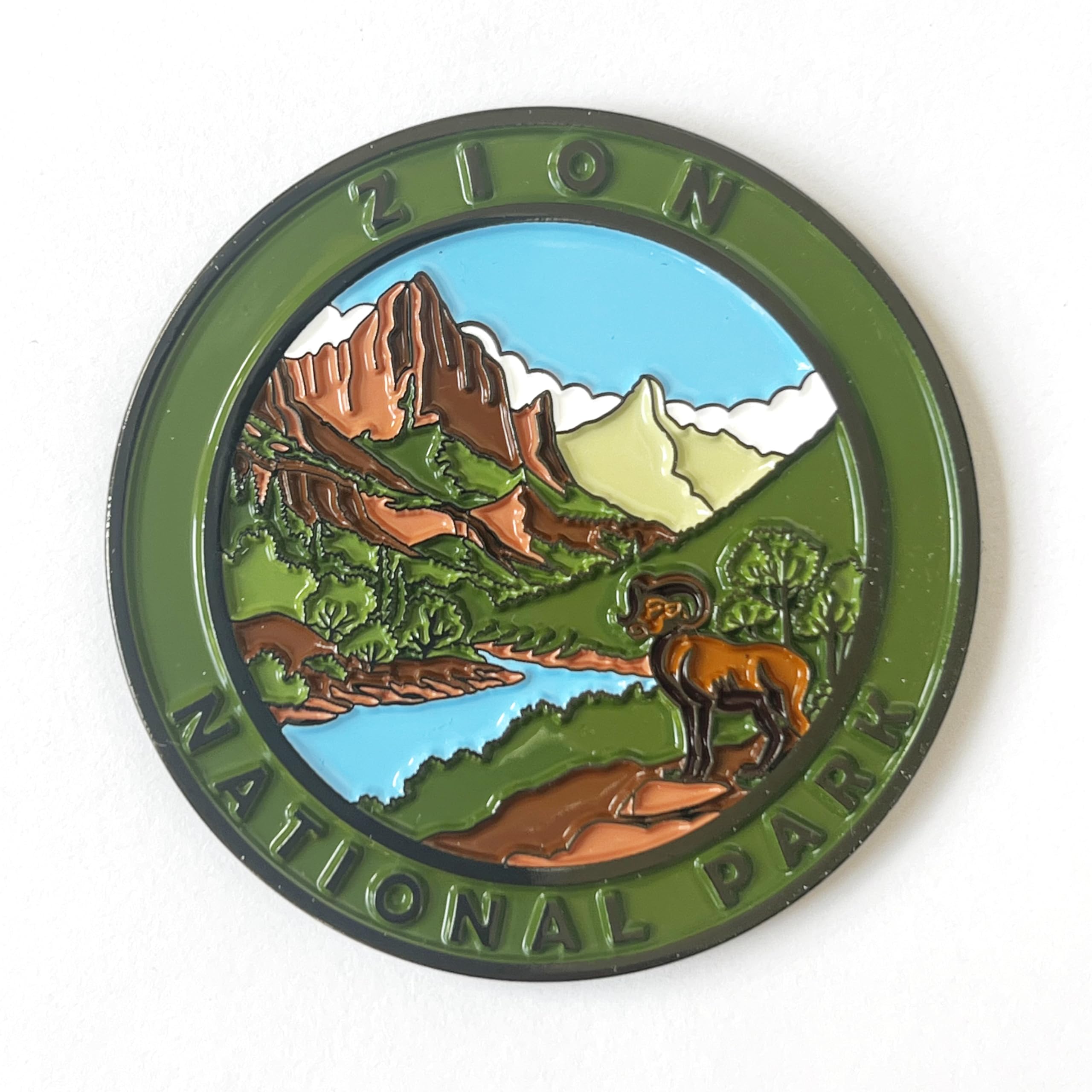 Zion National Park
Magnet
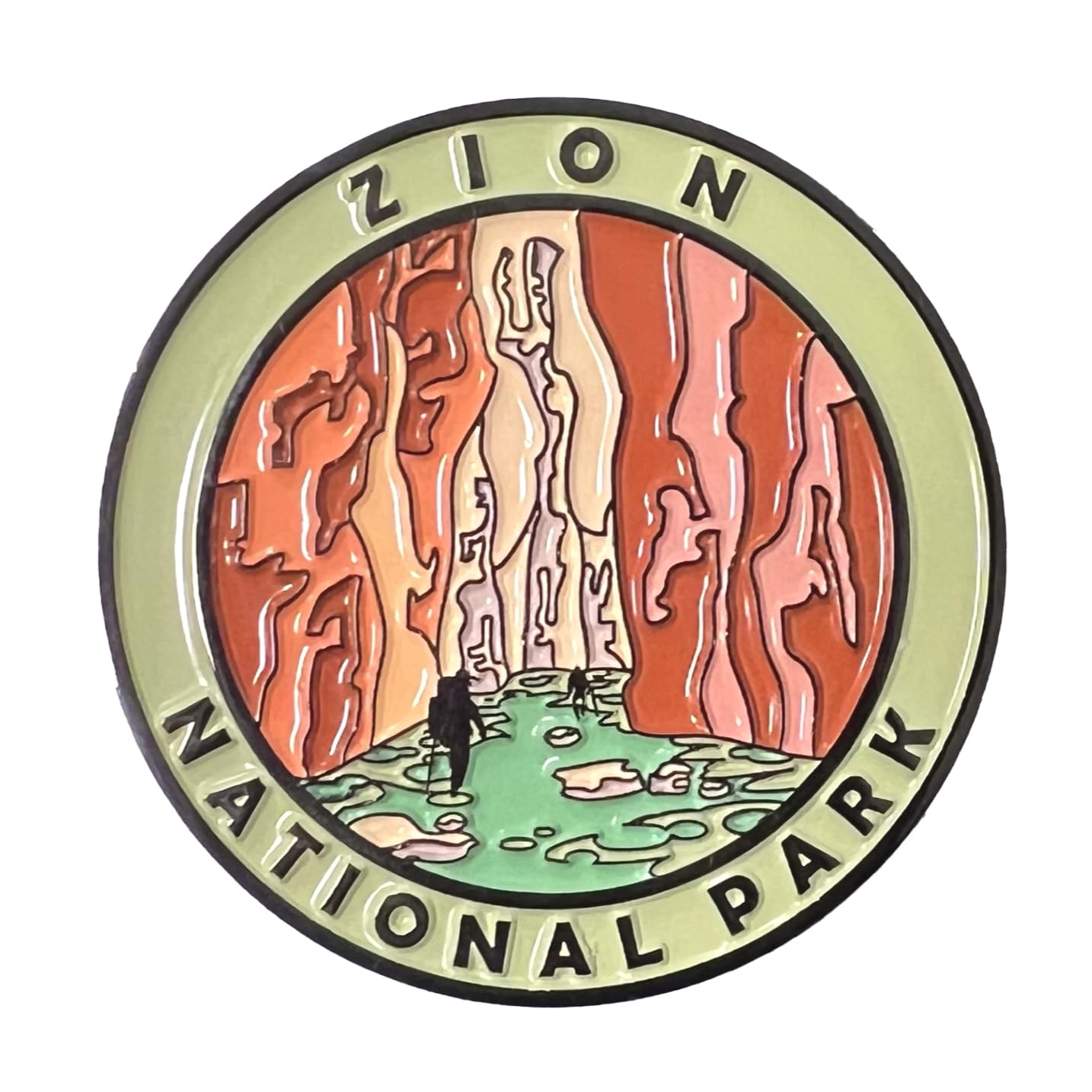 Zion National Park
Magnet
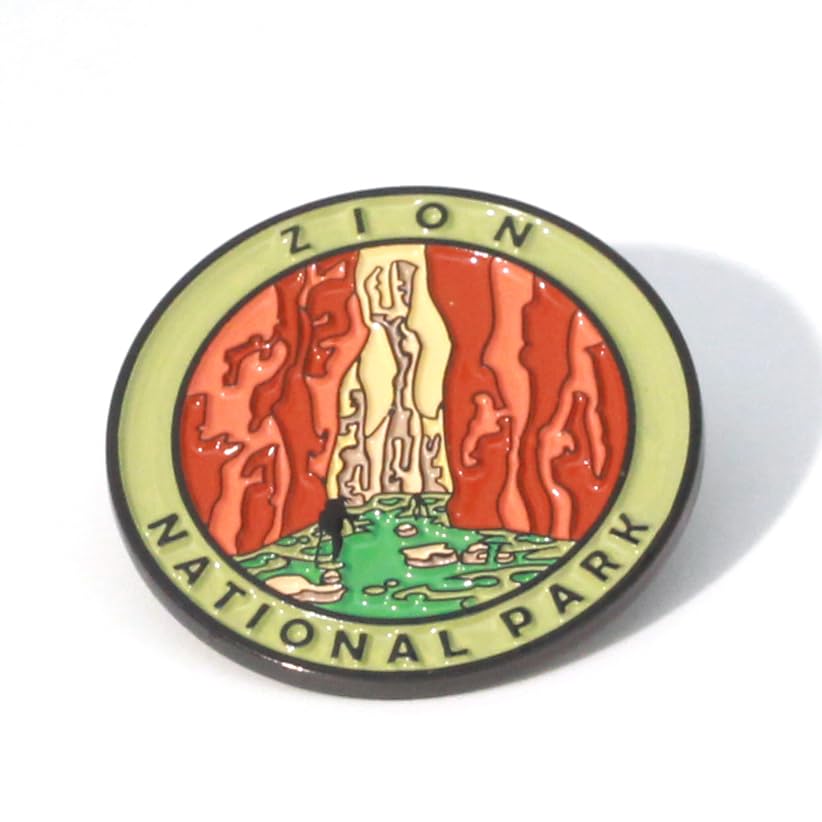 Zion National Park
Pin
Amazon Buyer Notes
Ordered this after we visited Kings Canyon and couldn't find any souvenirs we liked at the park... Very, very happy with this purchase! The magnet looks very well made. It's about 2in in diameter, colors are very bright and it has a nice glossy finish.
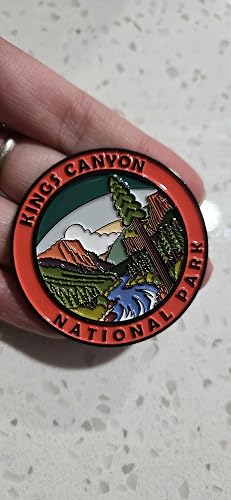
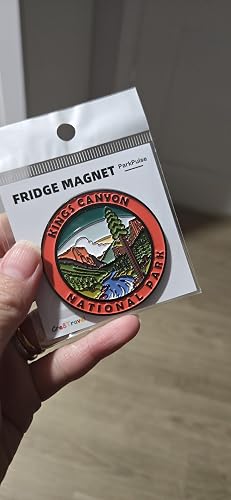
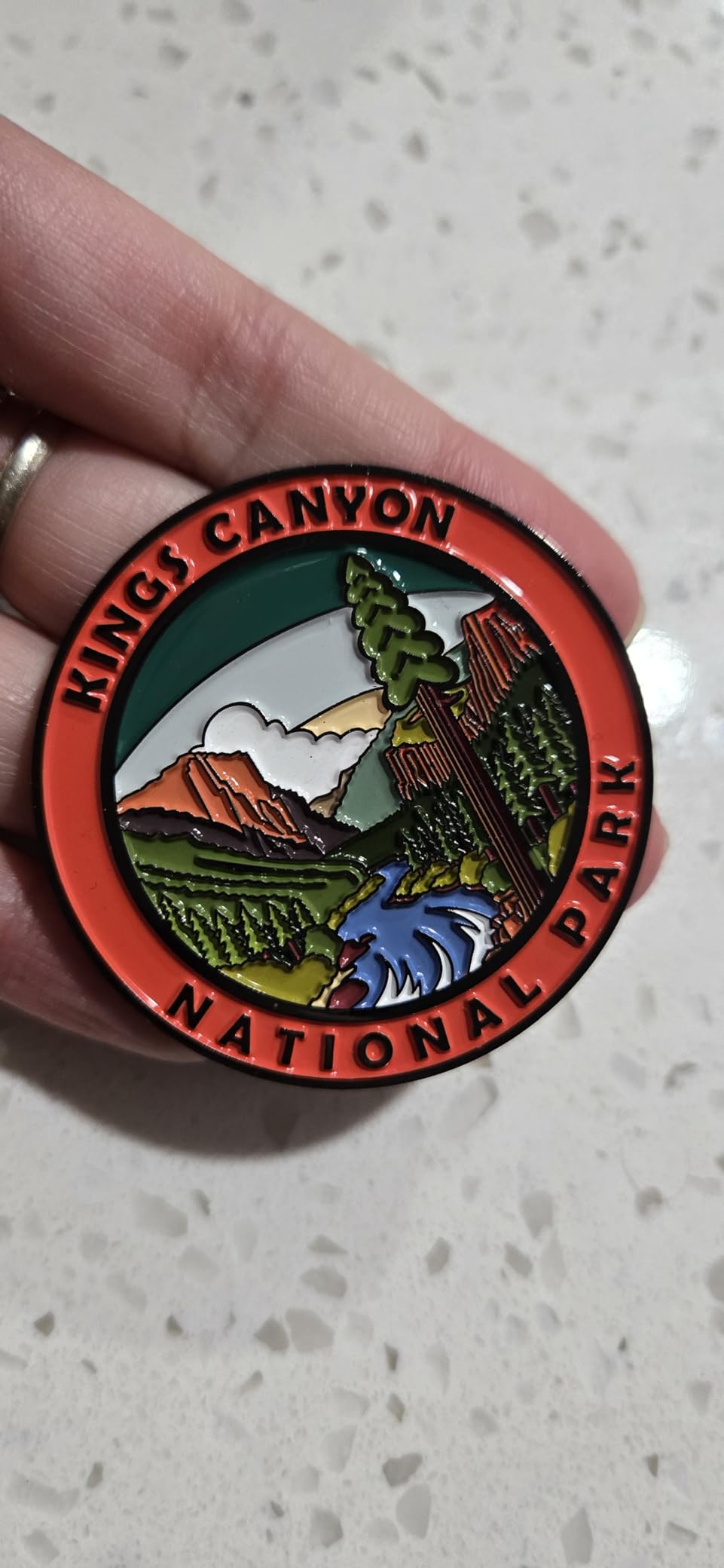
Use these magnets on our car. The magnet is strong and they look nice. The size is perfect for allowing multiple magnets to be used. Looking forward to adding more as we visit more national parks.
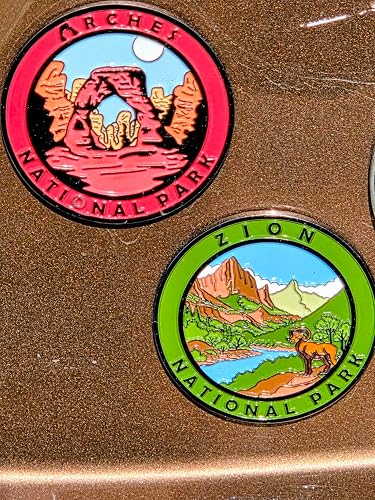
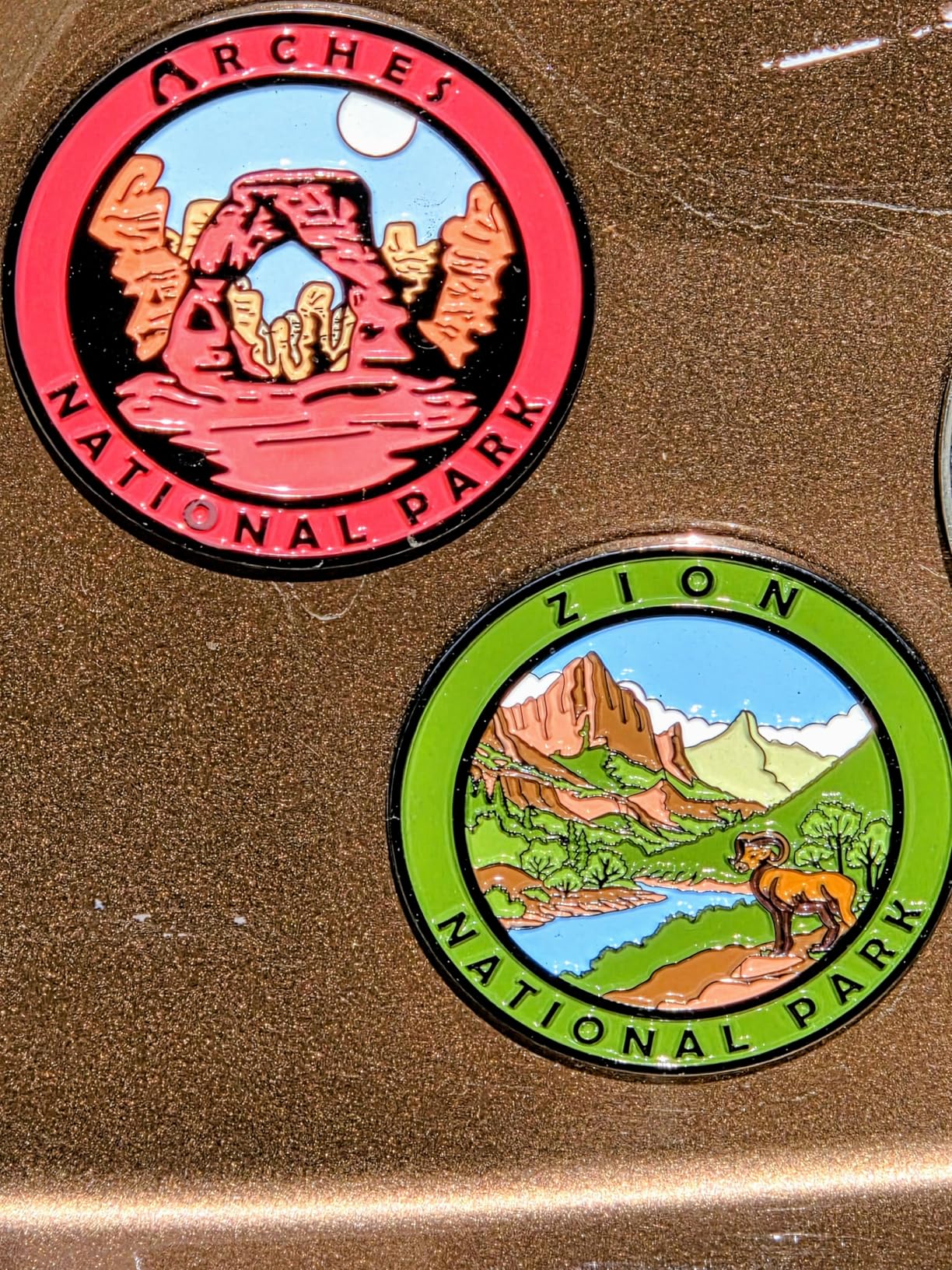
Love these magnets! They are exactly what I was looking for to start a collection of the places I have been to. They are high quality and the details in the artwork are beautiful!...
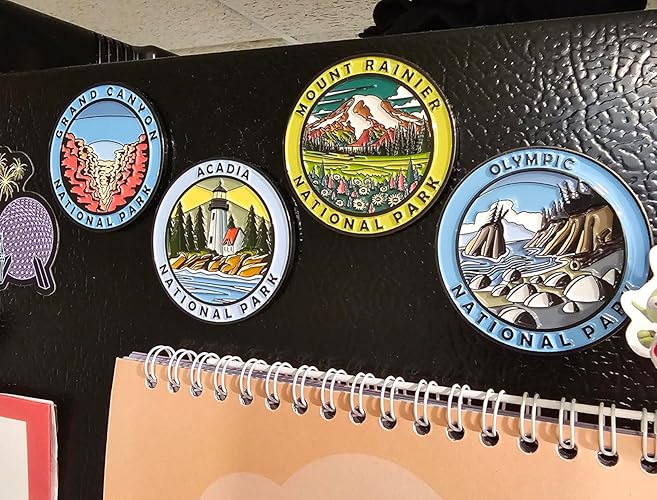
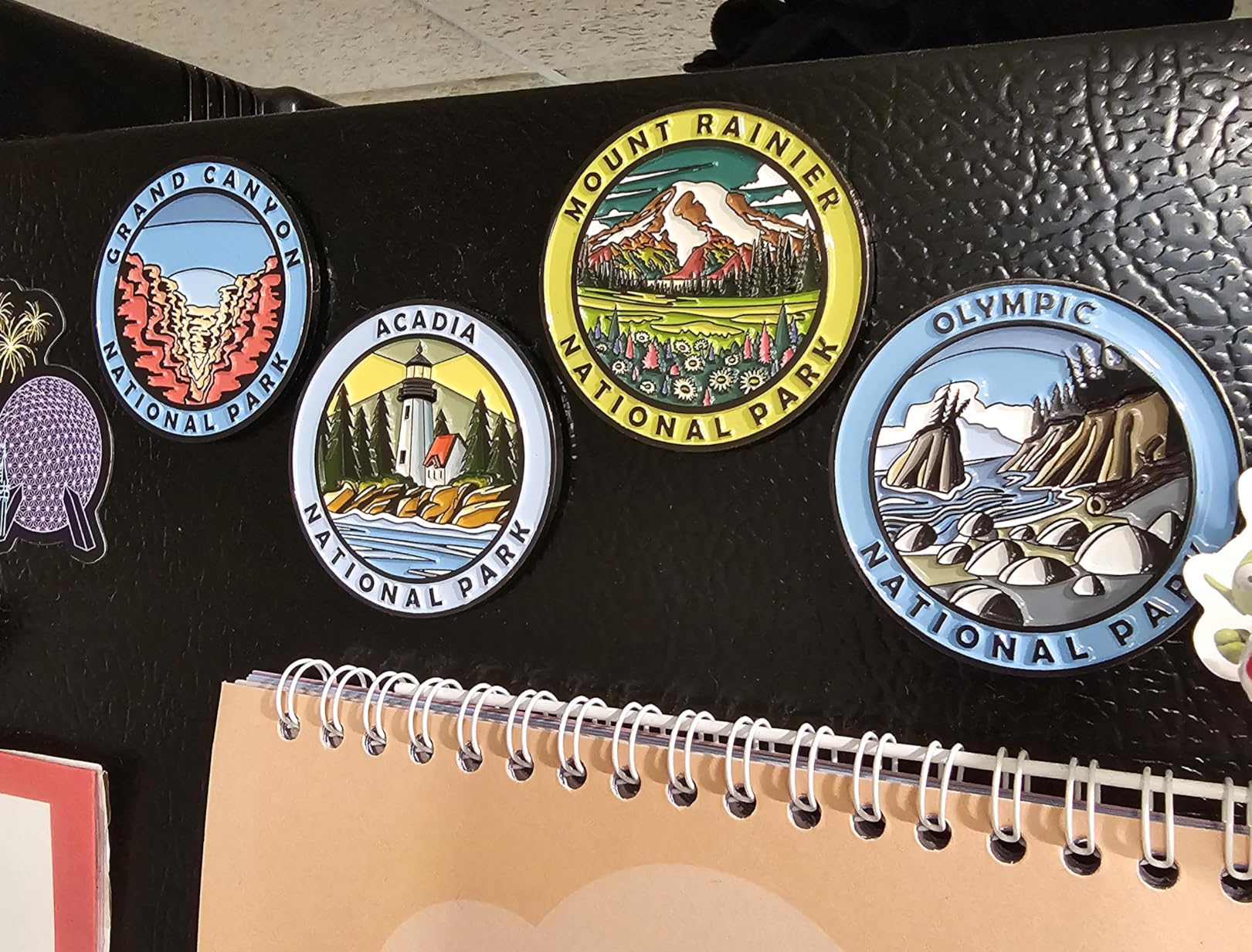
Cre8Travel magnets are just amazing. The finish the steadiness it’s better than my expectations. I recommend buying from them.
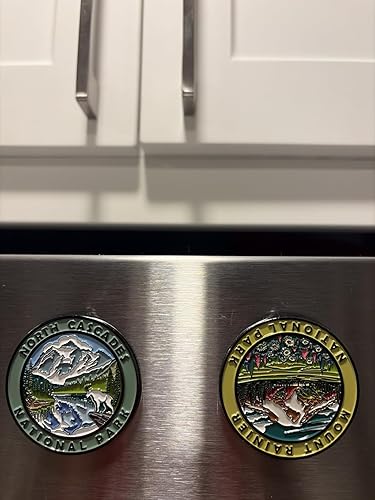
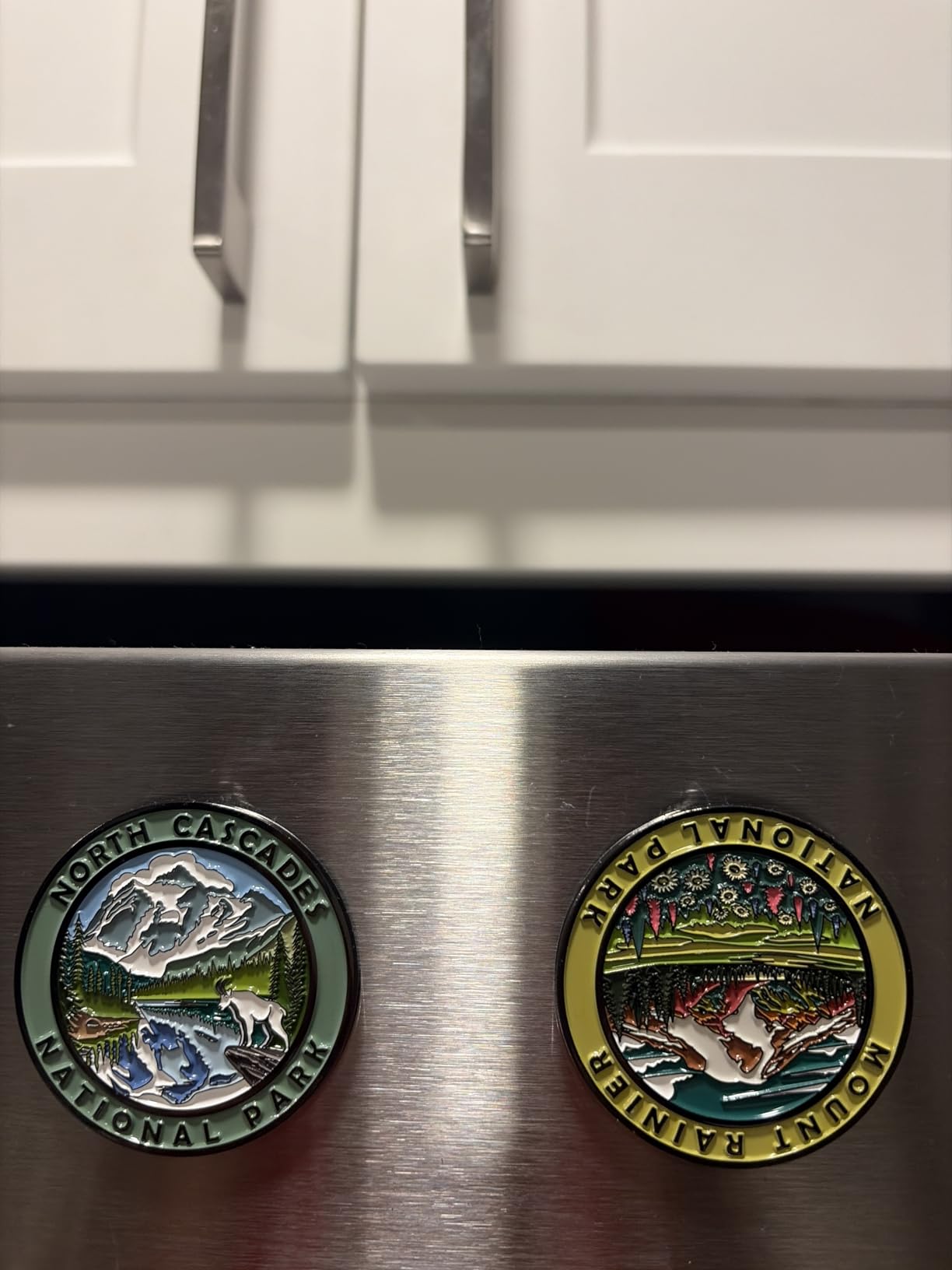
I purchased these magnets as a gift and they are much more impressive than I was even expecting. There is beautiful, radiant colors in each magnet. They stick well on the fridge. They are larger than i imagined too....
Bryce Canyon National Park / B0DBG235CB / Verified PurchaseView the reviewed productI bought a Great Smoky Mountains National Park fridge magnet recently, and it’s easily one of the best souvenir magnets I’ve come across....
Capitol Reef National Park / B0DB1K8FLH / Verified PurchaseView the reviewed productThese magnets are super cute, bright and compact. I tried several options for my national park collection, but I didn't like any of them. These ones I'm keeping for sure!
Kings Canyon National Park / B0F9957PSL / Verified PurchaseView the reviewed product