 Cre8Travel
CRE8TRAVEL · MAINE PLACES
Cumberland County Fair
Cumberland Fair: Follow the Work behind the Celebration
Discover
Cumberland County Fair carries an agricultural history into a busy week of exhibits, animals, food, and entertainment. The Cumberland Farmers' Club traces the first fair to 1869 in the town center, followed by a move to West Cumberland in 1874. For several years, competing local organizations even held rival fairs. That history makes it more than a collection of rides: it grew from people wanting to show what their community could raise, make, cook, and do.
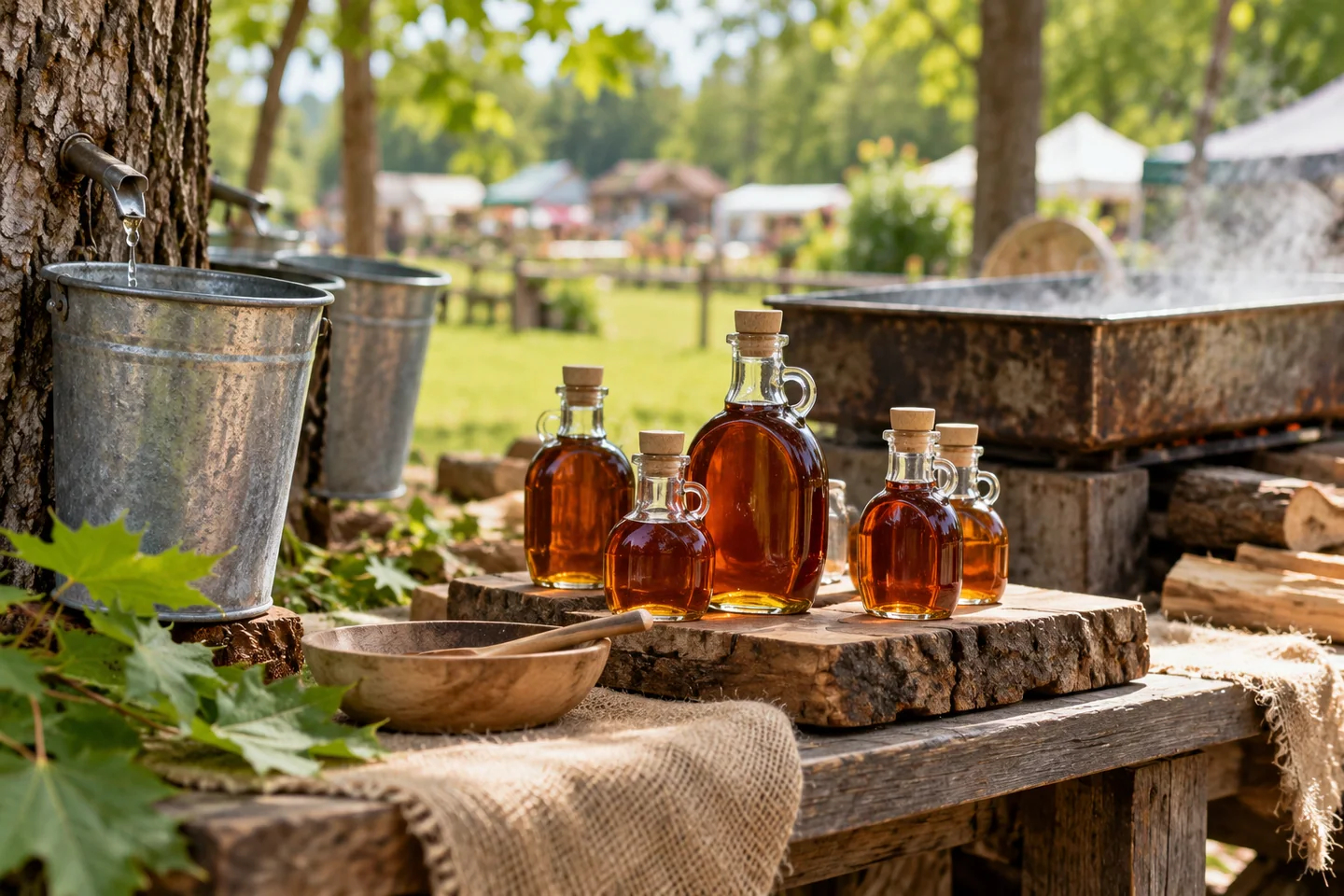
The sugarhouse makes that idea especially tangible. Southern Maine Maple Sugarmakers Association operates it as a working exhibit where visitors can learn about maple production and encounter syrup in several forms, including cotton candy and ice cream toppings. Its members help staff the building and sell their products. Leave time for a question as well as a purchase. The relationship between a familiar sweet flavor and the people who produce it gives this stop a different pace from the midway.
For Local Explorer blogger kaileyh424, arriving at the fair feels almost like coming home. A childhood habit of visiting with parents has become an outing with friends, but the animals remain the first stop. The account finds pleasure in that continuity, even when the date depends on everyone's work schedules. It offers a good way to shape a visit: choose the part that matters personally, and let the rest of the afternoon gather around it rather than beginning with a list of everything to finish.
The fairground's Heritage Park adds another connection with agricultural work. The club's history records the arrival of a blacksmith shop, a farm museum, a sugarhouse, and buildings associated with railways and farriery over several decades. More recently, a shingle-mill building and an Outdoorsman's Building extended that area. Look at those different trades as parts of a working rural economy, while checking the current program for demonstrations. A building's presence and a live demonstration are different reasons to stop.
Lori Voornas's original family account captures the fair at its more exuberant scale. Her visit mixes games, animal events, crafts, and a substantial collection of fried food before a traditional slide ride with the children. She enjoys herself and jokes about the resulting indigestion. The humor comes from an actual day's enthusiasm rather than a promise that more food and more rides always make a better outing. Choose the treats that sound appealing, with enough room in the day to enjoy them.
The Local Explorer account particularly values the Sugar House, remembering both unusual maple treats and the tools and explanations displayed there. It also notices prize-winning produce, preserves, flowers, and handmade work in the exhibition hall. Those smaller exhibits can reveal effort that is easy to miss when following the noisier attractions. Pause over one entry and consider the skill it represents; an object made for a fair can carry a season's growing, practice, or careful preparation.
Plan around the fair's announced season and program rather than arriving at the grounds expecting the full event throughout the year. The fair entrance is on Blanchard Road, and its current visitor information distinguishes fair-week activities from separately operated harness racing at other times. Check admission arrangements and the day's demonstration schedule before coming, and leave pets at home under the fair's visitor policy. That preparation leaves more attention for the particular exhibits and encounters that make an agricultural fair worth returning to.
Before you go
- Choose a fair-season visit and check the current demonstration program.
- Leave time to ask the sugarmakers about their work.
Visitor perspectives
- Local Explorer kaileyh424 enjoys returning, visiting animals, and spending time among maple and handmade exhibits.
- Voornas enjoys family games, crafts, food, and a traditional slide ride, joking about her indulgent meal and indigestion.
Capture
- Pair a permitted view of a heritage building with a detail of the trade it represents.
- Make a maple product and its production story the subjects of a small photographic pair.
 Seacoast Adventure
 Acton Fair
 Ossipee Valley Fairgrounds
Social
Cumberland Fair grew from a nineteenth-century community agricultural event.
The association’s working sugarhouse joins maple products with explanations of production.
Local Explorer kaileyh424 finds familiarity and continuity in returning with friends.
Heritage Park brings several rural trades into the fairground story.
Lori Voornas recalls a lively family visit, a favorite slide, and rather a lot of food.
Handmade work and prize-winning produce invite a slower look between bigger attractions.
Check the fair program separately from off-season harness racing.
Which exhibit would you give more time to on a return visit?
Hashtags