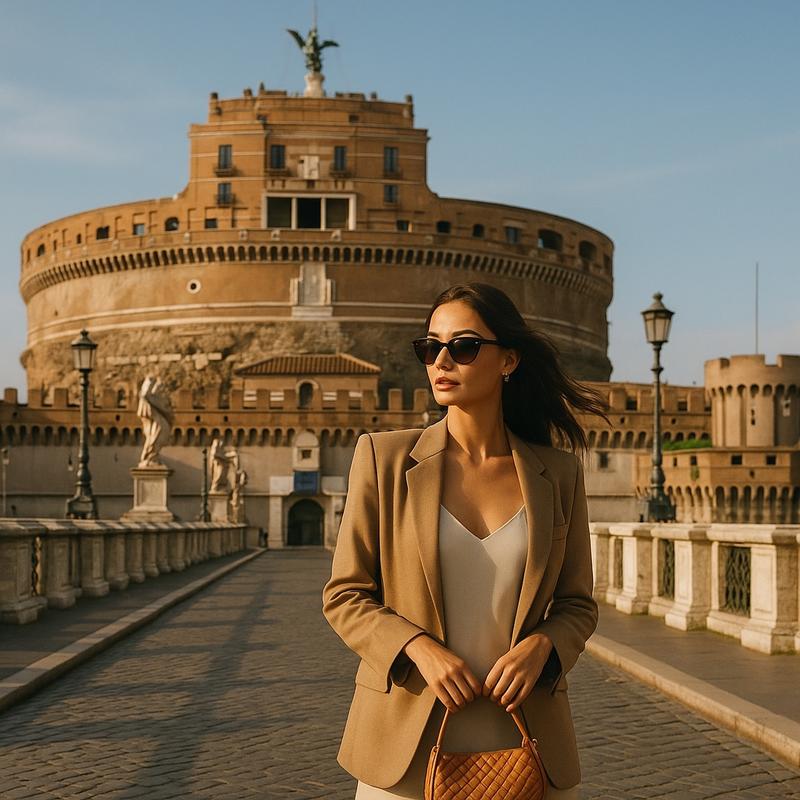
Discover static page

Museo Nazionale di Castel Sant'Angelo

A structured Discover page rebuilt from the live DISCOVER tab, focused on planning context, highlights, and nearby references.

Open full live travel page Open live DISCOVER tab
Place ID
ChIJuTmjfzRhLxMRV443CfMhnlc
Address
Lungotevere Castello, 50, 00193 Roma RM, Italy
Tab
DISCOVER
Museo Nazionale di Castel Sant'Angelo
Fun Facts

Quick facts worth knowing

The original Discover tab often carries useful bite-sized facts. Here they are separated into readable cards.
01
Hidden Gem: Did you know that beneath the castle lies a secret passageway connecting it to the Vatican? This secret corridor was famously used by Popes in times of danger, creating an exciting historical connection between these two iconic landmarks. 2. Quirky Detail: The tallest statue in the museum stands at an impressive 13 feet (4 meters) and is made entirely out of cork! This unique artwork is a fascinating example of unconventional materials used in sculpture. 3. Fascinating Fact: Castel Sant'Angelo has witnessed numerous dramatic events throughout history, including being used as a prison for famous figures like the notorious Giordano Bruno, who was executed for his beliefs. Exploring the castle offers a glimpse into the darker side of history. 4. Local Legend: According to legend, the Archangel Michael appeared atop the castle in 590 A.D., signaling the end of a plague ravaging Rome. To commemorate this event, a statue of the archangel now adorns the castle's summit, serving as a symbol of protection for the city. 5. Historically Significant: Originally built as a mausoleum for Emperor Hadrian in 139 A.D., Castel Sant'Angelo has transformed over the centuries, serving as a fortress, prison, and even a residence for various popes. Its rich history reflects the evolution of Rome itself.
Tips

Planning and on-the-ground tips

Travel tips are split into individual cards so the page feels more actionable and less like a wall of text.
01
Recreation Experiences: Explore the secret passages of Castel Sant'Angelo for a unique and immersive experience. These hidden corridors offer a glimpse into the castle's fascinating history and provide breathtaking views of Rome from different angles. 2. Money-Saving Tricks: Save on admission fees by visiting Castel Sant'Angelo on the first Sunday of the month when entrance is free. Additionally, consider purchasing a Roma Pass, which provides discounted entry to multiple attractions, including Castel Sant'Angelo, along with unlimited public transportation. 3. Most Enjoyed Locations: Don't miss the Passetto di Borgo, a fortified corridor connecting Castel Sant'Angelo to Vatican City. Walk along this historic passageway, and enjoy the picturesque views of the Tiber River and the cityscape. 4. Food and Dining Tips: After exploring the castle, head to Trastevere, a nearby neighborhood known for its vibrant food scene. Indulge in delicious Italian dishes at local trattorias and sample traditional gelato in this charming and lively area. 5. Best Time to Travel: To avoid crowds, plan your visit to Castel Sant'Angelo during the early morning or late afternoon. This will allow you to explore the castle at a more leisurely pace and capture beautiful photos without the crowds. Avoid visiting during the peak tourist season (July and August) when there are larger crowds and higher temperatures in Rome.
Reviews

Experience snapshots

A compact roll-up of review snippets surfaced in the source tab.
01
Review 1 (Positive): The Museo Nazionale di Castel Sant'Angelo was an incredible experience! The historical significance of this fortress-turned-museum is truly fascinating. The displays were well-curated, offering a glimpse into Rome's rich past. Plus, the stunning views from the top of the castle are worth the visit alone.
Nearby POI

What else is nearby

Nearby references now prioritize real related places that already have SEO static pages, so users can continue browsing through linked destinations instead of hitting dead text.
01
Atlante Star Hotel, Hotel NH Collection Roma Giustiniano